REVIEW · KATHMANDU
Everest Base Camp Trek with Helicopter Flight Back
Book on Viator →Operated by Bold Himalaya Treks and Travels Pvt Ltd · Bookable on Viator
Everest Base Camp with a shortcut back. This 10-day trek from Kathmandu to the Khumbu region focuses on the classic trail up to Everest Base Camp, then swaps the long downhill return for a scenic helicopter flight back to Kathmandu. It’s an interesting mix of adventure and logistics handled for you, with a hotel night in Kathmandu, domestic flights, and a detailed mountain schedule.
I especially like two things: the itinerary builds in sensible altitude time, including an acclimatization day in Dingboche with a climb to Nagarjun Peak. And I like that the trip package handles a lot of the paperwork and essentials—things like TIMS, Sagarmatha National Park fees, guided meals, and trekking gear support (sleeping bag/down jacket/trekking poles if you need them).
One key consideration: the helicopter return is a major selling point, but the pricing breakdown you receive should be checked carefully because the helicopter cost is listed as not included. Also, like any Everest-area plan, the mountains set the terms—good weather is required for the flight and for keeping the trek on schedule.
In This Review
- Key things to know before you go
- Why this Everest Base Camp plan feels smarter
- Day 1 in Kathmandu: pickup, hotel night, and your briefing
- Lukla flight and the Phakding downhill start
- Namche Bazaar: Sherpa villages, bridges, and the first real viewpoint day
- Tengboche and beyond: Everest, Lhotse, and the steady climb
- Dingboche acclimatization day: where you either rush or you recover
- Lobuche: memorials at Thukla Pass and close-up glacier views
- Everest Base Camp and Gorak Shep: leaving gear, then going for it
- Kala Patthar sunrise and the helicopter return to Kathmandu
- Price and value: what $446.50 covers (and what to double-check)
- Comfort on the trail: lodge basics and the role of care
- What to pack and how to prepare (so you can enjoy it)
- Who this Everest trek suits best
- Should you book this Everest Base Camp with helicopter return?
- FAQ
- FAQ
- How do I get to the start of the trip in Kathmandu?
- What domestic flight is included?
- Is the helicopter flight back to Kathmandu included?
- What permits and fees are included?
- What meals are included during the trek?
- What trekking gear comes with the trip?
- What are the highest points in the itinerary?
- Is this tour private or group-based?
- What happens if the trip is canceled due to weather?
Key things to know before you go
- Lukla flight sets the tone fast: you start the trek from Phakding after flying Kathmandu to Lukla.
- Dingboche acclimatization is part of the plan: you get time to adjust before going higher.
- Kala Patthar is built in for sunrise views: it’s your early-morning “big payoff” day.
- Permits and park fees are included: TIMS plus Sagarmatha National Park and Pasang Lhamu Rural Municipality fees.
- Gear support is included if you need it: sleeping bag, down jacket, trekking poles, plus a duffle bag and cap.
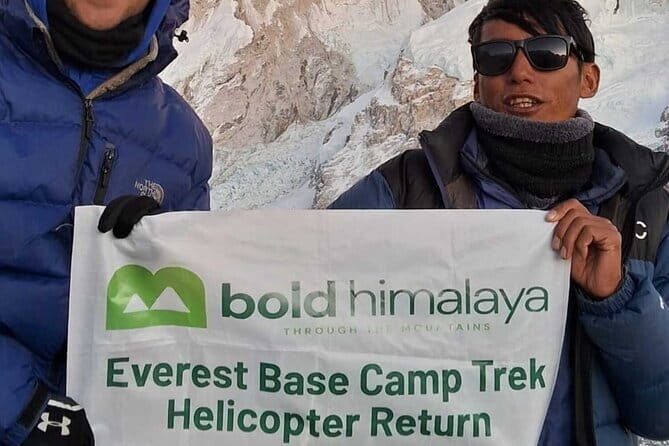
- Real human support matters: the trip style emphasizes guide care—people like Surendra and porters such as Uncle Doma Ghale are specifically noted for safety and determination.
Why this Everest Base Camp plan feels smarter
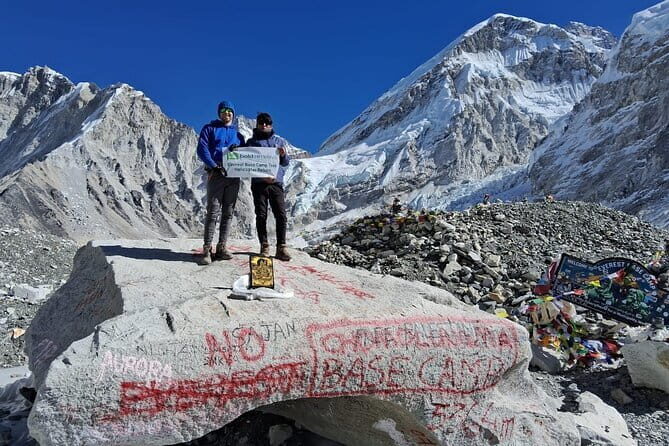
Most Everest Base Camp treks are great, but the return can feel like a second trek. This one keeps the iconic climb up—Lukla, Namche, Tengboche, Dingboche, Lobuche, Everest Base Camp—then cuts the long backtrack with a helicopter hop from Gorak Shep back to Kathmandu. For many people, that means you spend your energy where it counts: on the higher-altitude sections and the major viewpoints.
You also get a built-in structure for pacing. The route includes a prep day in Dingboche and a proper “go slow and earn the view” day at Kala Patthar. That matters because Everest Base Camp isn’t just about legs; it’s about altitude management and not rushing your body.
Finally, there’s a comfort-minded element. Kathmandu lodging is included for one night, and the guide and support staff are included as part of the package. In practice, that usually means fewer last-minute surprises—especially helpful if you’re squeezing this trip between other travel.
You can also read our reviews of more hiking tours in Kathmandu


Day 1 in Kathmandu: pickup, hotel night, and your briefing
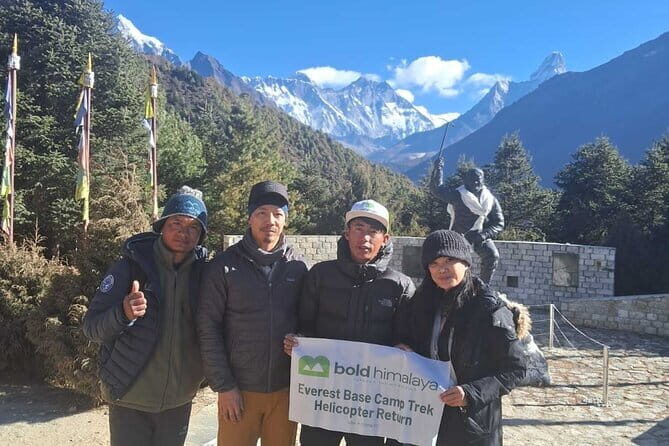
Your trip begins with pickup in Kathmandu and a transfer to your hotel. After you check in and get settled, you’ll have an evening briefing to go over how the next days work. That briefing is more important than it sounds. Everest treks succeed (and feel calmer) when you know what to expect: how long walks are, what you’ll carry, and where you’re allowed to slow down.
You’ll also have a cultural show and dinner program in Kathmandu. It’s a small thing on paper, but it helps you transition from city life into mountain life without feeling like you’re just waiting for the next flight.
The hotel included is listed as Hotel Thrive or similar, with twin sharing and breakfast. That’s a typical and sensible Kathmandu setup: private enough to rest, basic enough to not inflate your trekking budget.
Lukla flight and the Phakding downhill start
On Day 2 you fly from Kathmandu to Lukla, with the option to depart from Ramechap depending on itinerary and operations. The flight itself is part of the experience—when the weather cooperates, you’ll get Himalayan views right from the airplane.
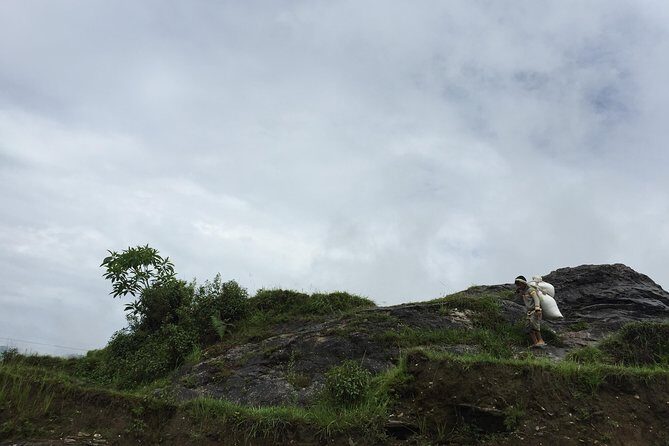
Then you begin trekking downhill to Phakding. This is a smart start. You’re not jumping straight into high altitude strain. Instead, you ease into the Khumbu trail through alpine forests and along the way you’ll get your first taste of suspension bridges and river valleys—things you’ll see again and again as you go higher.
Practical note: flights in this region depend on conditions. If your day feels slower or schedules shift, don’t panic. Build in patience, keep your documents ready, and trust the team to coordinate.
Namche Bazaar: Sherpa villages, bridges, and the first real viewpoint day
Day 3 covers the walk from Phakding to Namche Bazaar. You’ll pass through Sherpa villages and cross the Dudhkoshi River on suspension bridges. This stretch helps you understand how the route works: scenery changes with altitude, and the trail starts to feel more “alive” as you approach Namche.
Namche Bazaar is also where you begin feeling the unique mix of trekking and mountain culture. It’s not just a rest stop. It’s a place to reset your pace, practice hydration, and get your breathing in rhythm with the climbs ahead.
On the following day, you’ll rest and explore before heading to higher viewpoints. You’ll stop at an Everest View Hotel for panoramic views of Mount Everest and surrounding peaks, and you’ll have time to visit the Sherpa Museum. That museum time is a good use of your afternoon. It connects the trekking route to the people who live and work in this region—less “look at mountains,” more “understand mountain life.”
Tengboche and beyond: Everest, Lhotse, and the steady climb
Day 5 brings you to Tyangboche (often spelled with slight variations across operators). You’ll enjoy strong mountain views—Everest and Lhotse are specifically mentioned—and you’ll work your way through rhododendron and local villages.
You also get a lunch stop at Phungi Thanga before continuing onward. This is one of those “small” logistics details that matter. Being able to rely on planned meals and timing reduces the stress that can build at altitude.
Tengboche area is known for its religious sites and the way the mountains frame your route. Even if you skip any extra side trips, you still get that sense of arrival. The trek is starting to feel like it’s moving upward in a more serious way.
Day 6 continues toward Dingboche, crossing a suspension bridge over the Imja Khola. You’ll pass through rhododendron forests and villages such as Pangboche and Somare before reaching Dingboche. The trail here tends to feel more focused: you’re not just walking through scenery—you’re walking toward the higher-altitude “work zone.”
A few more Kathmandu tours and experiences worth a look

Dingboche acclimatization day: where you either rush or you recover
Day 7 is your preparation day for higher altitude. You’ll explore Dingboche Valley and hike up to Nagarjun Peak, a climb designed to help with acclimatization. This is one of the best parts of the schedule because it gives your body a chance to adjust without jumping to the next altitude jump immediately.
You’ll spend time learning your limits the practical way: slower pace, steady breathing, and frequent pauses. If you’ve ever tried to “push through” at altitude, this is where you learn why that’s not smart. Acclimatization day is your safety margin.
It also helps mentally. By the time you leave Dingboche, you’re not wondering if you can handle the next stages. You’ve already practiced the rhythm.
Lobuche: memorials at Thukla Pass and close-up glacier views
Day 8 takes you to Lobuche at 4,940m. The route passes through Thukla Pass, where you’ll see memorials to climbers. It’s sobering, and it gives the Everest story a human weight beyond the postcard views.
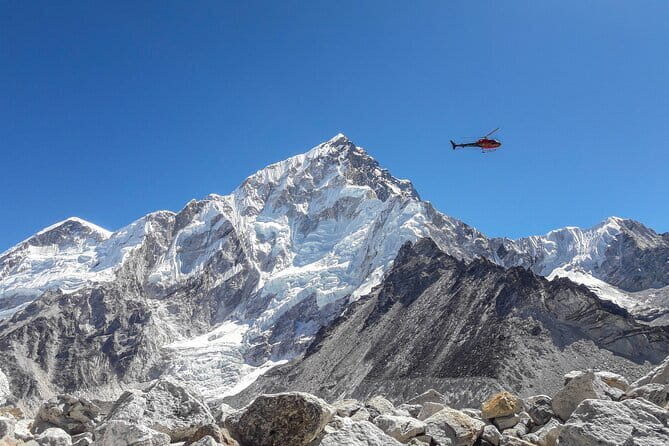
As you continue, you reach Lobuche with close-up views of surrounding glaciers. This is the stage where the scenery becomes harsher and more dramatic. Your walks may feel physically similar in hours, but the air and the visuals are different—less “forest trek,” more “high mountain travel.”
You’ll have an overnight here. The itinerary lists about 5–6 hours for this day’s trekking time, which is workable, but still demanding. Keep your layers ready and your hydration steady. High altitude can sneak up on you fast if you’re inconsistent.
Everest Base Camp and Gorak Shep: leaving gear, then going for it
Day 9 is the big one: trekking to Everest Base Camp at 5,364m and overnight in Gorak Shep (5,170m). You’ll trek to Gorak Shep first and leave your gear, which is practical. It means the push to Base Camp is more comfortable since you’re carrying less.
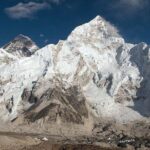
From Gorak Shep, you continue to Everest Base Camp and savor the views of the Khumbu Icefall. This is the kind of moment you’ll remember for years: you’ve reached the destination, but you’re still surrounded by a landscape that feels like it’s constantly moving and changing.
Then you return to Gorak Shep as part of the day’s plan. That’s important for managing fatigue. If you’ve had enough of “one more view,” this schedule is built to give you the classic moment without asking you to turn Everest Base Camp into a marathon.
Kala Patthar sunrise and the helicopter return to Kathmandu
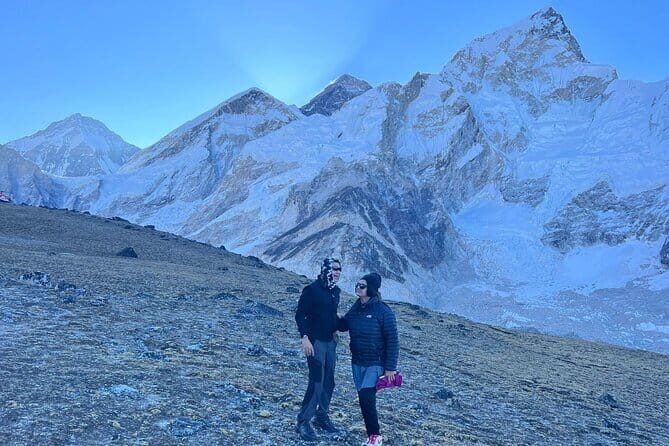
Day 10 starts early with a hike to Kala Patthar (5,550m) for sunrise and panoramic Himalayan views. This is a well-known viewpoint, and the early start is the tradeoff. The reward is that the mountain light often turns the peaks into a sharper, more dramatic version of themselves.
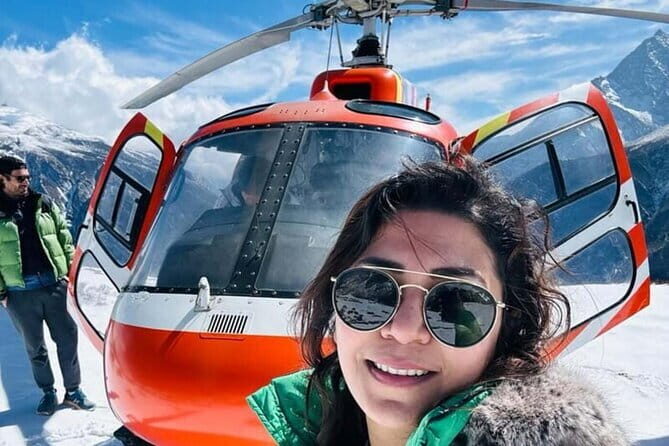
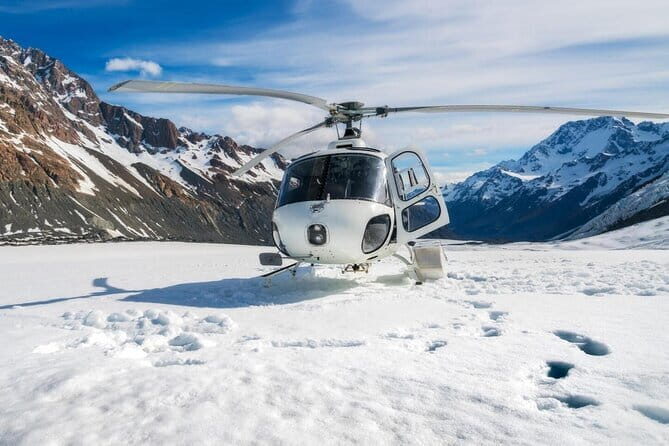
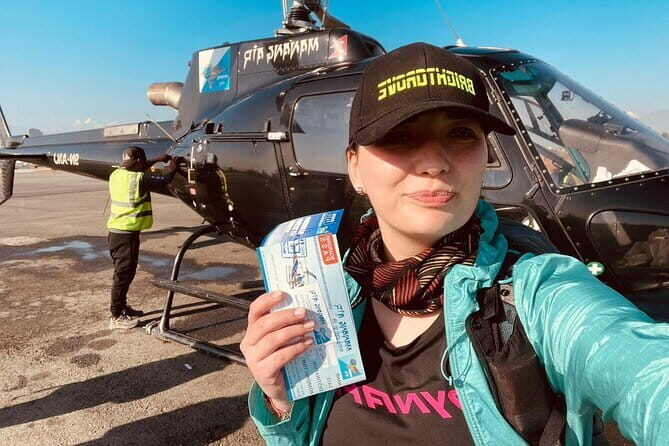
After Kala Patthar, you return to Gorak Shep and board a helicopter to Kathmandu. You’ll also have a transfer on arrival.
Now the important part: the helicopter is listed as not included in the provided cost breakdown. Yet the itinerary includes it as part of Day 10. So you’ll want to confirm what you’re actually paying for at booking—especially if you’re budgeting tightly. If the helicopter is included in your final quote, great. If it isn’t, you’ll want a clear figure for the flight and any weather-related changes.
Also remember: helicopter and schedule plans require good weather. If conditions aren’t right, don’t be surprised by rescheduling. On a personal level, that’s where having a team that communicates well really matters. The operator’s manager, Sobit, is specifically noted for being attentive from the first email, which is a useful sign for a trip that depends on mountain conditions.
Price and value: what $446.50 covers (and what to double-check)
At $446.50 per person for the 10-day experience, this can feel like a bargain compared with fully independent trekking—especially because so much is bundled.
Here’s what’s clearly covered:
- Guide support with salary and insurance, plus food and accommodation for the guide
- Domestic flights from Kathmandu to Lukla (or Ramechap to Lukla)
- Private transportation and a hotel night in Kathmandu (twin share with breakfast)
- Meals during the trek (breakfast, lunch, dinner are listed by day)
- Permits and fees: Sagarmatha National Park entrance, Pasang Lhamu Rural Municipality entrance, and TIMS
- Trekking gear support if you need it: sleeping bag, down jacket, trekking poles (and you return these after trekking if that’s required)
- Extras: duffle bag, cap, trip certificate, and a cultural show/dinner in Kathmandu
- Service charge and government taxes
What to double-check because it affects real total cost:
- Helicopter flight back is listed under not included. If you’re assuming it’s included, verify before you go.
- Tips for trekking crew aren’t included.
- International flights and travel insurance aren’t included.
- Porters aren’t included (even though the route depends on baggage logistics, and the package does include a duffle bag as a prep item).
Value-wise, this is a “pay once, worry less” package. If you want a classic Everest Base Camp trek but you’d like someone else to handle the permits, flights, and day-to-day coordination, it’s strong. If you specifically need the helicopter to be included at the advertised price, confirm that detail in writing.
Comfort on the trail: lodge basics and the role of care
Even with the “VIP comfort” language some operators use, Everest lodges are still Everest lodges. You should expect basic rooms and simple meals at higher altitudes. But good organization changes the experience fast: hot water, dependable blankets, and clean logistics make a big difference when you’re tired and cold.
In the feedback tied to this operator, hot water and comfort in Kathmandu and the lodges were singled out. There were also notes about changes due to unexpected circumstances (including cyclone-related disruptions). That kind of real-world flexibility matters, because Everest-area plans can shift quickly, and you need a team that can swap lodging and adjust without losing the overall structure of the trip.
The guide support is another strong point. Surendra is highlighted for determination and safety focus, and porter Uncle Doma Ghale is mentioned as crucial to getting people through safely. On this route, the people are part of the value, not a side detail.
What to pack and how to prepare (so you can enjoy it)
The itinerary suggests you have climbing-day gear covered if you need it: sleeping bag, down jacket, and trekking poles. Still, you’ll want your own basics: a warm layer system, gloves, and a hat suitable for early mornings. If you’ve never worn trekking layers in cold wind, test your setup before Nepal.
Also, take the moderate fitness requirement seriously. The days are typically 4–7 hours of trekking, but the altitude adds a second difficulty curve. Train on hills if you can, and don’t assume that being “fine” at sea level means you’ll cruise at 5,500m.
Who this Everest trek suits best
This is a good match if:
- You want the classic Everest Base Camp route up to the base itself
- You prefer a shorter return via helicopter instead of trekking all the way back
- You want guides and logistics to be handled, including permits and flights
- You’re comfortable with altitude and can handle scheduled acclimatization
This may be less ideal if:
- You need a guaranteed helicopter inclusion with no extra cost—because the cost listing should be confirmed
- You are extremely sensitive to schedule changes caused by weather and mountain operations
- You don’t want to spend early mornings on high-altitude viewpoints like Kala Patthar
Should you book this Everest Base Camp with helicopter return?
If your priority is reaching Everest Base Camp with a well-managed route and you value having permits, domestic flights, meals, and gear support organized for you, I think this can be a strong way to do it. The acclimatization day in Dingboche and the Kala Patthar sunrise plan are the kind of details that often make the difference between a tough trip and a trip you’ll feel good about afterward.
Book it if you’re ready to confirm two things before paying the final balance: the exact status of the helicopter return cost, and the final schedule expectations around weather. If those are clear, this is a practical, high-impact Everest experience—adventure with fewer logistics headaches, and a big finish back in Kathmandu.
FAQ
FAQ
How do I get to the start of the trip in Kathmandu?
The start point is Tribhuvan Airport in Kathmandu, and pickup is offered to transfer you to your hotel.
What domestic flight is included?
You’ll have a domestic flight according to the itinerary from Kathmandu to Lukla, or from Ramechap to Lukla.
Is the helicopter flight back to Kathmandu included?
The helicopter flight from Gorak Shep to Kathmandu is listed under not included, so you should confirm what is covered in your final quote when you book.
What permits and fees are included?
The package includes Sagarmatha National Park entrance fee, Pasang Lhamu Rural Municipality entrance fee, and TIMS.
What meals are included during the trek?
Breakfast, lunch, and dinner are included during the trek days, with a total count listed for each meal type.
What trekking gear comes with the trip?
The included items list sleeping bag, down jacket, and trekking poles if you need them, plus a duffle bag, cap, and a trip certificate.
What are the highest points in the itinerary?
You’ll reach Kala Patthar at 5,550m, Everest Base Camp at 5,364m, and Gorak Shep at 5,170m, with Lobuche at 4,940m.
Is this tour private or group-based?
It’s described as a private tour/activity, meaning only your group participates, and group discounts are also mentioned.
What happens if the trip is canceled due to weather?
The experience requires good weather. If it’s canceled due to poor weather, you’ll be offered a different date or a full refund.