REVIEW · KATHMANDU
Guided Everest expedition 2024- Nepal side
Book on Viator →Operated by Monterosa Treks and Expedition- kailash Tour package · Bookable on Viator
Everest starts with oxygen and permits. This Nepal-side 2024 guided Everest expedition runs you from Kathmandu to Lukla, then up the classic acclimatization ladder toward Everest Base Camp and the summit push. I especially like that the plan is built around real support items: Sherpa climbing guidance, climbing ropes, and a south-side permit that’s tied to the top.
One thing I love is the way the trek is paced through Sherpa-country stops at Namche, Thyangboche, Pheriche, and Lobuche, then it switches into high camp logistics once you reach 5360m Everest Base Camp. Another big plus is the included oxygen setup: 6 bottles (20 liters each) with masks and regulators, plus high-altitude cooking gear above base camp.
A consideration before you get swept up by the dream: the $42,000 price is big, and it does not include personal climbing gear, medical or life insurance, or emergency helicopter evacuation. You’ll also need to budget for guide and base-camp staff bonuses.
In This Review
- Key points worth knowing before you commit
- Nepal-side Everest 2024: where the dream gets practical
- Kathmandu days 1 to 3: prep, permissions, and getting your timing right
- Lukla flight and Phakding (days 4 to 5): the mountain’s front door
- The acclimatization logic: Namche (day 6) and Thyangboche (day 7)
- Pheriche and Lobuche (days 8 to 10): climbing with altitude already in your legs
- Everest Base Camp (day 10 onward): camp systems you can actually use
- The long summit period (days 11 to 55): what support looks like at extreme altitude
- Descent and return: Everest Base Camp back to Kathmandu (days 56 to 60)
- What you’re paying for: value in the included gear and logistics
- Costs you still own: gear, insurance, and required bonuses
- The support style: guides, Sherpas, porters, and food that works
- Who this Everest expedition is for (and who should rethink)
- Should you book the 2024 Nepal-side Everest expedition?
- FAQ
- Where does this Everest expedition start?
- Is pickup from the airport/hotel included?
- How long is the 2024 Everest expedition?
- What is the price per person?
- What’s included for the Everest climb and base camp?
- What flights are included?
- What is not included?
- Are there Sherpa guides included?
- What is the cancellation window?
Key points worth knowing before you commit
- South-side Everest climbing permit included up to the summit route on the Nepal face
- Oxygen and climbing systems included, including 6 x 20L bottles and fixed ropes/main rope charges
- A long, structured trek through Namche, Thyangboche, Pheriche, and Lobuche before base camp
- Full board on the trekking route, plus camp dining/shower/store/toilet setup at Everest Base Camp
- Flights with cargo are included for Kathmandu–Lukla–Kathmandu with 50kg cargo for one climber
- Small group size (max 15) for a trip that’s basically all about careful logistics
Nepal-side Everest 2024: where the dream gets practical
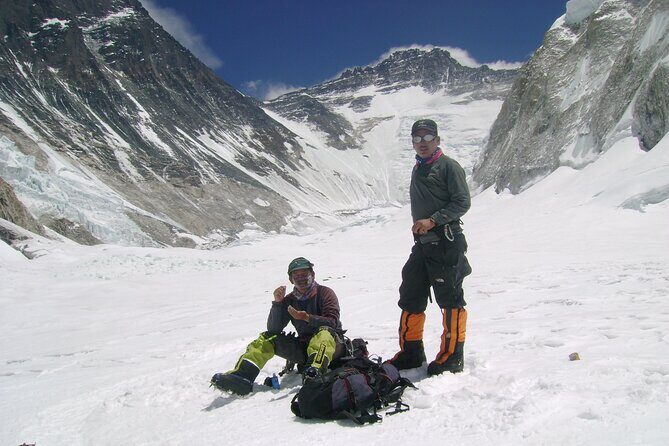
Let’s talk straight. This is not a sightseeing trip. It’s a two-month-plus climbing expedition where you trade comfort for altitude, schedule, and systems.
What makes it interesting is that it mixes three worlds in one arc: Kathmandu prep and government briefing, a lodge-based trek for acclimatization, then a very “gear-and-team” phase once you hit base camp. The result is a package that tries to reduce surprises. You show up, you get checked, you move up step by step, and you’re not left guessing about oxygen, rope access, or camp basics.
The other practical angle is the south-side focus. Everest’s South face is the Nepal route, while the North face is associated with Tibet/China. This expedition is set up around the Nepal side climb, with the climbing permit explicitly included for the south side up to the top.
You can also read our reviews of more guided tours in Kathmandu
Kathmandu days 1 to 3: prep, permissions, and getting your timing right
Day 1 is arrival in Kathmandu, plus a hotel transfer. Day 2 is expedition preparation at the hotel. Day 3 is a briefing in the tourism department at the hotel.
That trio of days matters more than it sounds. High-altitude climbs are won or lost by details that happen before you ever see a glacier. You want your gear checks, paperwork rhythms, and team instructions aligned early. The fact that these steps are built into the schedule means you’re not trying to catch up after you’re already in route-up mode.
Also note: pickup is offered, and the meeting point is Tribhuvan Airport. If you’re the kind of person who hates last-minute stress, this front-loaded start is a gift.
Lukla flight and Phakding (days 4 to 5): the mountain’s front door
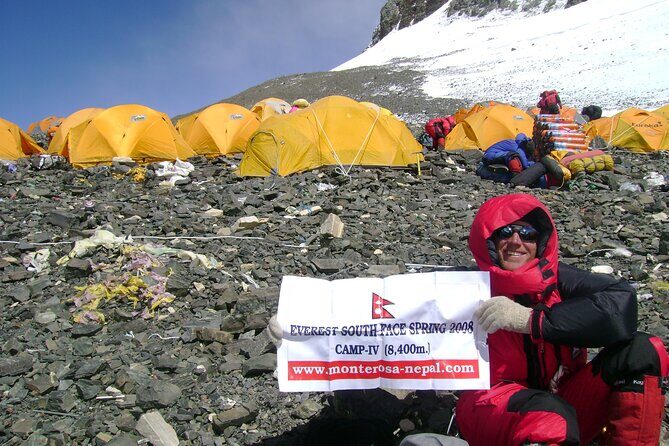
On Day 4 you fly Kathmandu to Lukla and then trek to Phakding by lodge. On Day 5 you continue to Namche Bazaar at 3440m, again by lodge.
This flight is where the trip’s tone shifts. Lukla is the usual jump-off point for Everest-area trekking, and it’s how your itinerary compresses huge altitude change into a short, intense window. The trek that follows gives you a chance to start settling into the rhythm—moving, stopping, and eating on a schedule.
Phakding is a useful first night because you’re still adjusting. Then Namche Bazaar at 3440m is where acclimatization begins to become mandatory, not optional.
The acclimatization logic: Namche (day 6) and Thyangboche (day 7)
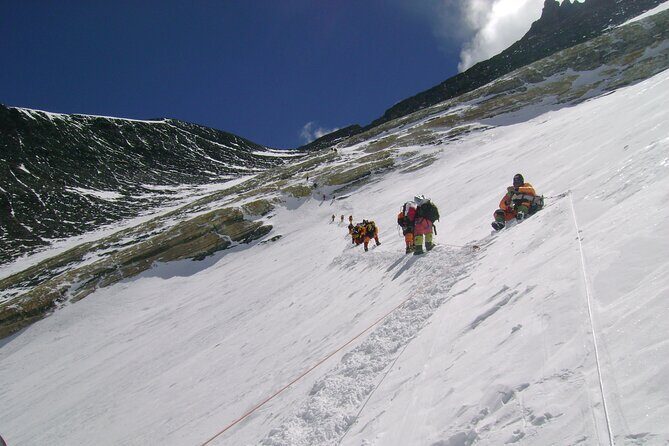
Day 6 is an acclimatization day in Namche with day hiking. Day 7 continues from Namche to Thyangboche at 3800m for a lodge night.
This is the part you should pay attention to. Everest is high. Your body needs time to adapt. An acclimatization day gives you a chance to test your breathing and energy without pretending you can “power through” altitude.
And the route itself gives you culture on the way up. The expedition highlights Sherpa culture and traditions, and you feel that through the way the trek is structured around Sherpa settlements and mountain-trade routes. Even if your main focus is the summit, these village days are where the experience becomes more than a calorie-burning machine.
At Thyangboche (3800m), you’re climbing into the zone where every decision becomes small: pace, hydration, layers, and rest. You also start stacking up those future altitude gains for your final push.
Pheriche and Lobuche (days 8 to 10): climbing with altitude already in your legs
Day 8 takes you from Thyangboche to Pheriche at 4243m. Day 9 goes Pheriche to Lobuche at 4930m. Day 10 is Lobuche to Everest Base Camp at 5360m.
By this stage, you’re not just “trekking.” You’re living the climb’s logic. The stops at Pheriche and Lobuche are there because they sit at key altitude levels that help your body adjust before you commit to the long base-camp phase.
You’ll want to look at these days as training for how you’ll function later. Eating matters. Sleeping matters. Taking it slow matters. This expedition includes full board on the trekking route, which helps. Consistent meals reduce stress and help you focus on movement and recovery.
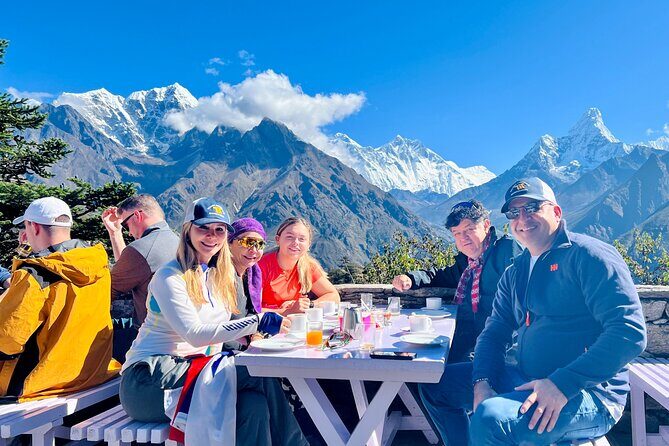
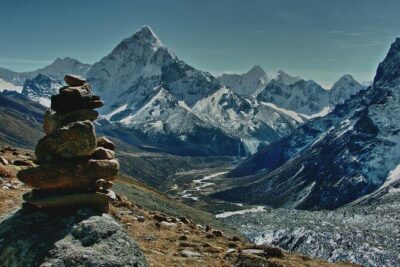
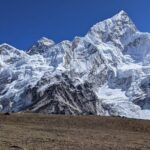
And the views are part of the deal. The program specifically promises stunning sight lines of Everest, Lhotse, Nuptse, Ama Dablam, Makalu, and Cho Oyu across the trek and approach area. Those peaks tend to appear in the experience like a moving slideshow: weather permitting, the ridgelines show up as you gain altitude and straighten your sight angles.






Everest Base Camp (day 10 onward): camp systems you can actually use
You reach Everest Base Camp on Day 10. Then you stay in the base-camp and climbing cycle from Day 11 through Day 55 (with the summit phase described as climbing Everest up to 8848m).
The base-camp inclusions here are what make this package more than a trek with a “maybe summit” vibe. You get:
- Camp dining plus a shower, store tent, and even toilet tent
- A base-camp setup that includes a table and chair
- A camp tent for you: 1 North Face / similar tent
- Ice falls charge, fixed rope, and main rope climbing support
That’s the practical side. When you’re at extreme altitude, the difference between a functional base camp and a chaotic one shows up fast. You’re dealing with cold, fatigue, and schedule changes. Basic comforts like shower access and organized camp areas sound small until you’re cold enough that everything takes effort.
The expedition also includes high food, cooking pot, gas, and stove above base camp. In other words, they’re not only getting you to the plateau; they’re giving the climbing phase support systems to keep you fed and operating.
The long summit period (days 11 to 55): what support looks like at extreme altitude
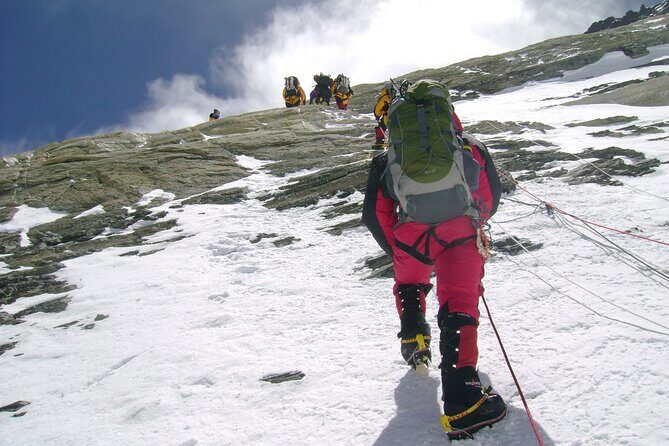
Days 11 to 55 are described as climbing Everest 8848m. The important detail is that the expedition pairs each climber with climbing guidance and oxygen.
Included support for the summit phase includes:
- 1 climber – 1 climbing Sherpa guide (listed as Everest Summiteers)
- Oxygen: 6 x 20-liter bottles with mask and regulator
- Climbing high food and camp cooking systems
- Fixed ropes and main rope climbing charges
- Base-camp facilities like dining, shower, and toilets
This is where “guided expedition” becomes real. At these heights, decision-making and equipment handling matter. Oxygen isn’t just an add-on; it’s part of your entire plan. The fact that the oxygen is included (with masks and regulators) is a big value marker.
One more note from service quality patterns: in related high-altitude operations under this same organization, the support style is hands-on—keeping you warm, fed, and provided for, including assistance with bulky oxygen cylinders and first-aid kits. The Everest program’s oxygen and first-aid-adjacent approach aligns with that same idea: you’re not supposed to be alone with the hard stuff.
Descent and return: Everest Base Camp back to Kathmandu (days 56 to 60)
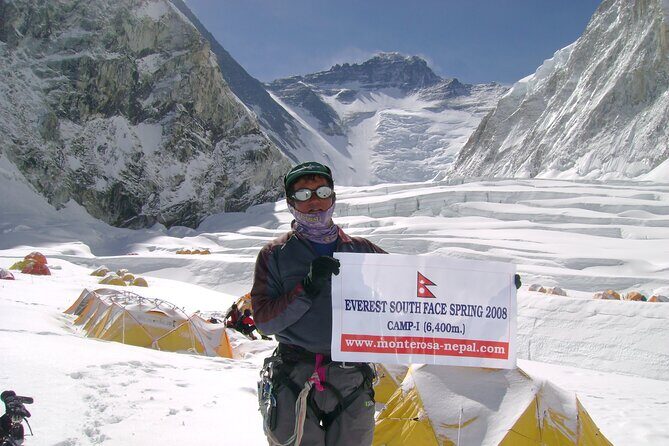
On Day 56 you go from Everest Base Camp to Pheriche lodge. Day 57 is Pheriche to Namche Bazaar lodge. Day 58 is Namche to Lukla lodge (2800m). Day 59 is fly back to Kathmandu. Day 60 is transfer to the airport for departure.
Descent is still part of the climb story. Your legs will feel different after weeks above 5000m. Lodges along the way keep this from becoming a slog through unknown overnight setups.
Also, the schedule gives you a gradual altitude drop rather than a single long slide downward. That matters because your body still needs time to adjust as you move back toward lower elevations.
Then it’s back to Kathmandu, where you can finally breathe normal air and deal with the last steps: hotel transfer, then airport departure.
What you’re paying for: value in the included gear and logistics
$42,000 per person is a serious number. The only way to judge value is to itemize what you’re actually getting.
Here’s what’s included that usually costs real money on its own:
- 4 nights 5-star hotel in Kathmandu with bed and breakfast
- Everest climbing permit for the south side to the top
- Kathmandu–Lukla–Kathmandu flights with 50kg cargo allowance for one climber
- Trekking Lukla to Everest Base Camp full board with lodge
- One climbing Sherpa guide per climber for Everest (Everest Summiteers)
- 6 bottles of oxygen (20 liters each) with mask and regulator
- Above base camp logistics: high food, cooking pot, gas, and stove
- Base camp tent and camp infrastructure: dining, shower, store tent, table/chair, toilet tent
And then there’s the climbing infrastructure:
- Ice falls charge
- Fixed rope and main rope climbing for the Everest climb
That last part is huge. Rope and route support are central to how these climbs are run. When it’s included, you’re not paying for access piecemeal later.
If you’re comparing options, don’t just look at the headline number. Look for whether oxygen, rope access, and camp infrastructure are included or treated like separate line items.
Costs you still own: gear, insurance, and required bonuses
The price does not cover:
- Lunch and dinner in Kathmandu
- Personal climbing gear
- Life and medical insurance for the climber
- Emergency evacuation (including helicopter)
- Bar and beverage bills during the expedition
- Personal expenses
- Summit bonus for guide: USD 1800
- BC staff tips per climber: USD 200
- Helicopter charter flights if required
A smart way to budget is to treat this as a base expedition cost plus a “must-own” cost layer. Medical insurance and evacuation coverage are not optional in any serious risk plan, even if you hope you never need them.
Also remember that personal climbing gear is on you. At this level, “I’ll rent it” can turn into a problem if timelines and fit aren’t right. Make your gear planning part of your preparation days.
The support style: guides, Sherpas, porters, and food that works
The program is explicit about climbing guidance: 1 climber paired with 1 climbing Sherpa guide. That’s a strong ratio on paper, and it lines up with why people trust Sherpa teams on high routes: you need someone managing pace, gear handling, and day-to-day decisions when altitude makes everything slower.
The expedition also emphasizes good camp organization and food. On the trekking portion you’re on full board. At base camp you get dining plus camp facilities like shower and organized spaces. In other Himalayan trips run by this same group, the support style is described as nonstop food availability, hot water, snacks, and first-aid readiness, with staff helping carry oxygen equipment. Even if your Everest days look different than those other routes, the same underlying approach—keeping you warm, fed, and covered—still matters.
Who this Everest expedition is for (and who should rethink)
This one is for you if:
- You can commit to about 60 days of high-altitude climbing and trekking
- You have a strong fitness level
- You want an expedition where major climbing logistics are handled: oxygen, rope access charges, and base-camp systems
It’s probably not a fit if:
- You don’t want to deal with major personal costs like insurance, summit bonus, and personal gear
- You’re looking for a short, casual adventure
- You need a fully “all-inclusive” price with no extra payments tied to guides and staff
Also, the group size max is 15 travelers, which keeps things managed, but you’re still signing up for a trip where schedules depend on team coordination.
Should you book the 2024 Nepal-side Everest expedition?
If your goal is the summit of 8848m Everest with a guided, structured approach from Kathmandu to Everest Base Camp, this package is built like a system. The biggest reasons to consider it are the included climb permit, oxygen supply, rope support charges, and the base-camp setup designed for living at altitude—not just sleeping there.
I’d book if you’re comfortable owning the remaining cost layer: personal climbing gear, insurance, and the summit/BC staff payments. I’d hesitate if those add-ons would stress your budget or if you’re not ready for the long timeline.
FAQ
Where does this Everest expedition start?
It starts in Kathmandu, Nepal, with the meeting point at Tribhuvan Airport.
Is pickup from the airport/hotel included?
Pickup is offered.
How long is the 2024 Everest expedition?
It’s listed as about 60 days.
What is the price per person?
The price is USD 42,000.00 per person.
What’s included for the Everest climb and base camp?
Included items cover the Everest 8848m south-side climbing permit, 6 bottles of oxygen (20 liters) with mask and regulator, climbing food and above-base-camp cooking gear, fixed rope and main rope climbing charges, and base camp facilities such as dining, shower, store tent, toilet tent, and a camp tent.
What flights are included?
Kathmandu to Lukla and back to Kathmandu are included, with 50kg cargo allowance for one climber.
What is not included?
Not included are lunch and dinner in Kathmandu, personal climbing gear, life and medical insurance, emergency evacuation (helicopter), bar and beverage bills, personal expenses, summit bonus for the guide (USD 1800), base-camp staff tips (USD 200), and any helicopter charter flights if required.
Are there Sherpa guides included?
Yes. The package includes 1 climber with 1 climbing Sherpa guide (Everest Summiteers).
What is the cancellation window?
Free cancellation is offered. You can cancel up to 24 hours in advance for a full refund.