REVIEW · KATHMANDU
7 Days Nepal Adventure Tour
Book on Viator →Operated by Beyond The Limits Treks & Expedition P ltd · Bookable on Viator
Seven days in Nepal, then back home with stories. This Kathmandu–Chitwan–Pokhara route is interesting because it mixes UNESCO temple squares with a real wildlife day in Chitwan National Park. I also like that the trip uses a mix of private cars for city sightseeing and shared transport between cities, so you’re not constantly switching plans. One drawback to consider: entrance fees aren’t fully included, so you’ll want a simple extra budget ready.
I like the pacing here for first-timers. You get an easy Day 1 start in Kathmandu, then a classic Day 2 circuit of religious sites, followed by the big change of scenery in Chitwan and the Himalayan payoff in Pokhara. It’s not a “sleep-in forever” itinerary, especially with the early morning Sarangkot views.
Finally, the value feels solid for the price point because the essentials are bundled: pick-up, 3-star stays with breakfast, and scheduled transport between the main regions. You’ll still need good weather for the best mountain views, and a few sightseeing entrances will cost extra.
In This Review
- Key highlights at a glance
- Why this 7-day route fits so many Nepal travelers
- Day 1 in Kathmandu: airport pickup and a gentle landing
- Day 2: Kathmandu’s UNESCO loop (Patan, Swayambhunath, Boudhanath, Pashupatinath)
- Patan Durbar Square
- Swayambhunath
- Boudhanath Stupa
- Pashupatinath Temple
- Day 3: Chitwan District town walk and a mood reset
- Day 4: Chitwan National Park day with safari-style time and Tharu community contact
- Day 5: Pokhara lakeside stroll with Himalayan atmosphere
- Day 6: Sarangkot sunrise views plus Pokhara caves, falls, and the World Peace Pagoda
- Sarangkot early morning: the mountain-view goal
- Pokhara day tour: Devi’s Falls, Gupteshwor Cave, and more
- Day 7: the scenic drive back to Kathmandu
- Price and value: what $650 covers and what to budget for
- Who this tour suits best (and who should tweak expectations)
- Booking checklist: small prep that pays off
- Should you book this Kathmandu–Chitwan–Pokhara tour?
- FAQ
- What cities does the Kathmandu Chitwan Pokhara tour include?
- Is airport pickup included?
- What’s included in the $650 price?
- Are entrance fees included for temples and attractions?
- Is this a private tour?
- What happens if weather is bad for mountain views?
Key highlights at a glance
- UNESCO World Heritage stops in Kathmandu on Day 2, kept to a practical loop
- Chitwan National Park day with park admission included and multiple wildlife-style activities
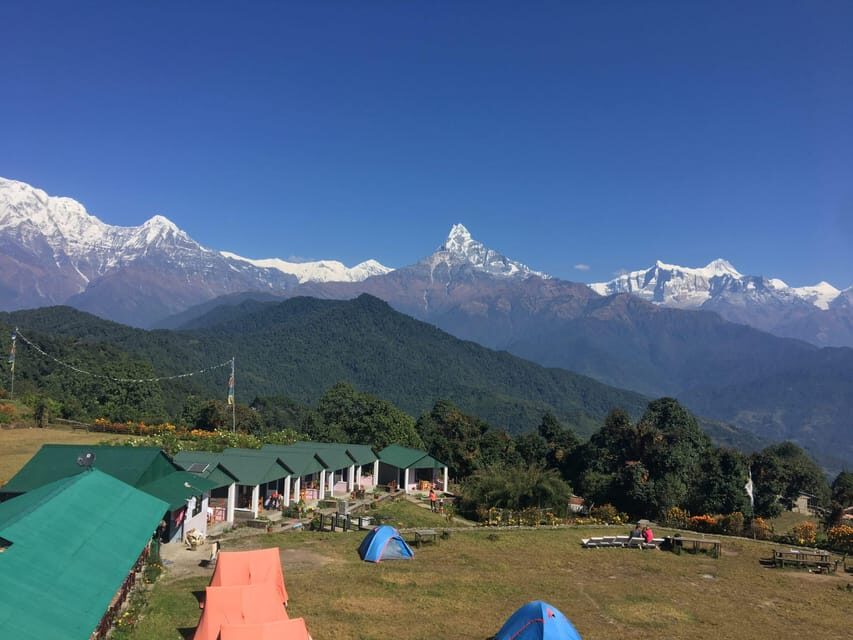
- Sarangkot early-morning views aimed at Annapurna, Dhaulagiri, and Machhapuchhre
- Private car sightseeing in Kathmandu and Pokhara for less hassle in city traffic
- 3-star Bed and Breakfast stays in both Kathmandu and Pokhara plus selected meals
- Entrance fees add up, since some key sites charge additional tickets in rupees
Why this 7-day route fits so many Nepal travelers
This itinerary works because it hits the three things Nepal does best—culture, wildlife, and mountains—without asking you to be an expert navigator. You start in Kathmandu with major spiritual landmarks, then shift to Chitwan for a wildlife-focused day, then end in Pokhara where the Himalayan views and lakeside atmosphere are the main reason people come.
The “adventure” part isn’t just a word on a brochure. Chitwan is the centerpiece: jungle safari style time, canoe rides, bird watching, and a chance to meet local Tharu community life. Then Pokhara turns that energy into quieter moments—lake strolling, viewpoints, and caves and waterfalls on the same day.
There’s also a smart logistics approach. Kathmandu and Pokhara sightseeing uses a private car, while the longer in-between legs use a tourist bus. For many people, that’s the difference between a fun trip and a trip where you’re always waiting or re-booking.
A few more Kathmandu tours and experiences worth a look
Day 1 in Kathmandu: airport pickup and a gentle landing
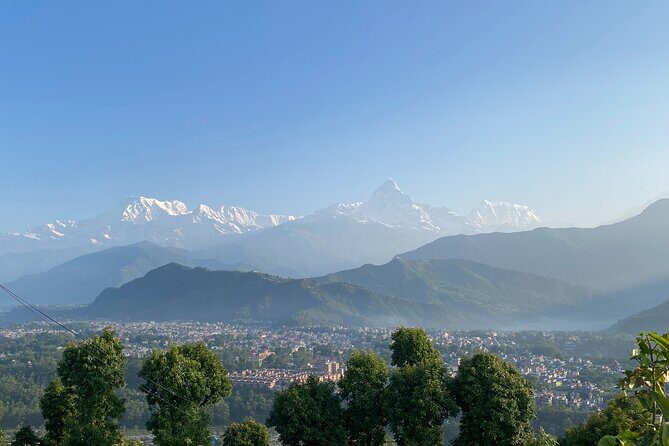
Your trip begins with pick-up from Tribhuvan International Airport and a drive to your hotel. After that, you just freshen up and get your bearings in Kathmandu.
This day is intentionally light on sightseeing. That matters because Nepal’s “first day” stress can come from jet lag, traffic, and altitude feelings that show up differently for everyone. By not loading you with temple climbing or long waits right away, the schedule gives you a better chance to enjoy Day 2 properly.
If you’re arriving from far away, I’d use this evening to do two simple things:
- Confirm where your hotel is relative to the main routes your next day will cover
- Get cash sorted for entrance fees you’ll likely pay the next day
Day 2: Kathmandu’s UNESCO loop (Patan, Swayambhunath, Boudhanath, Pashupatinath)
Day 2 is the “big culture day,” and it’s built around four major stops. The total visit time is tight enough to feel like a full day, but it still leaves room to actually look instead of just walking through.
Patan Durbar Square
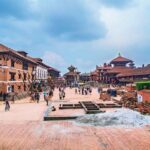
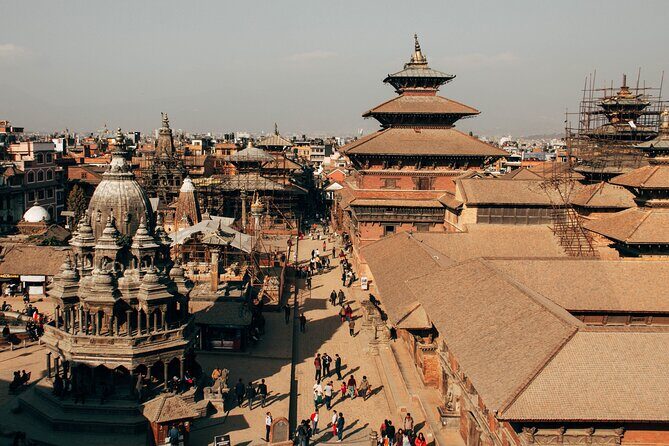
You start at Patan Durbar Square, a UNESCO World Heritage site tied to the Malla dynasty. It’s known for its dense cluster of ancient courtyards, temples, and carved stonework. Ticket details here: admission is listed as not included.
What I like for practical sightseeing: Patan often feels more manageable than trying to cover everything across multiple parts of Kathmandu in one shot. You can focus on the carvings, shrines, and layout without constantly losing your place.
Swayambhunath
Next is Swayambhunath, described as one of the oldest Buddhist stupas in Nepal, believed to date to around 460 A.D. Admission is free on the plan.
This is a great stop to shift your mind from Durbar Square’s stone monuments to Buddhist symbolism. Even with a short visit window, you’ll get the sense of why this site is so enduring.






Boudhanath Stupa
Then you visit Boudhanath, one of the largest Buddhist stupas in the world. Admission is not included here in the plan.
Boudhanath tends to be a place where you slow down naturally. If you’ve got camera fatigue, don’t. Let your eyes adjust and watch how people move through the space—ritual pace is part of the experience.
Pashupatinath Temple
Finally, you explore Pashupatinath Temple, a major Hindu temple dedicated to Lord Shiva, listed as one hour with entrance not included.
This is where the itinerary gets intense in a meaningful way. Hindu temple spaces in Kathmandu can be powerful, busy, and highly layered. If you’re sensitive to crowds or want a quieter pace, plan on spending a bit more time watching from the edges rather than pushing toward the center.
Main practical note for Day 2: multiple sites on this day charge entrance fees that are not included. Your tour materials mention extra costs ranging from Rs 100 to Rs 1500 depending on the stop.
Day 3: Chitwan District town walk and a mood reset
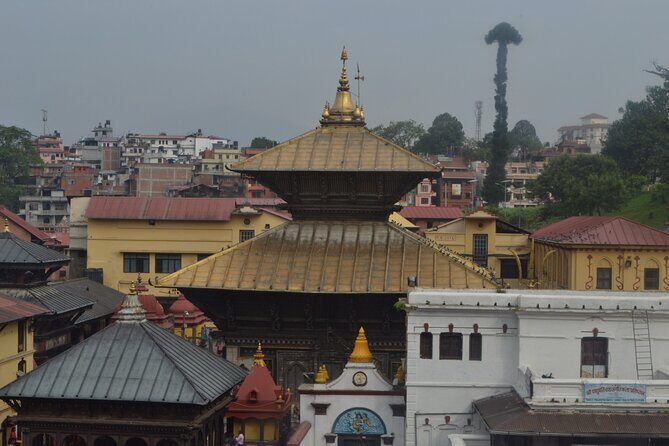
On Day 3, you shift from Kathmandu to the Chitwan area and take a walk around the town. That one-hour block sounds small, but it’s useful.
Why it matters: after a day packed with temple circuits, your body often needs a change in rhythm. A short town walk is a low-pressure way to acclimate to the Chitwan region, understand local daily life at street level, and mentally prepare for the national park day ahead.
Day 4: Chitwan National Park day with safari-style time and Tharu community contact
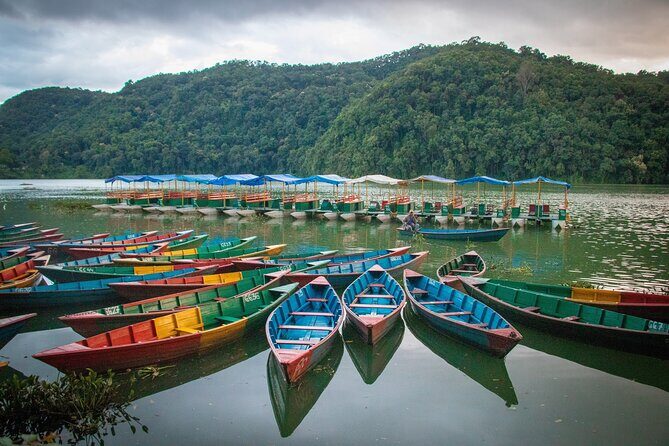
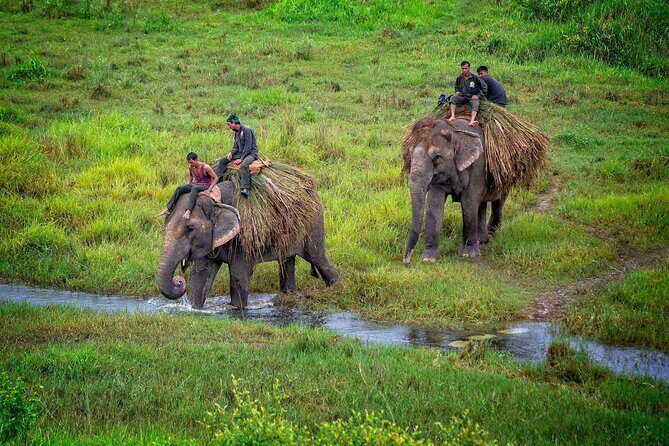
Day 4 is the day most people picture when they think of this route. You spend about four hours in Chitwan National Park, and admission is included.
The plan is built around a mix of wildlife-oriented activities:
- Jungle safari style time
- Canoe rides
- Bird watching
- Interaction with the local Tharu community
It’s also one of the places where the wildlife descriptions are specific. The tour highlights the chance to see the one-horned rhinoceros and mentions Bengal tigers, elephants, and many bird species.
Two honest considerations:
- Wildlife sightings are never guaranteed on any safari day, even with good guides and good conditions.
- Bird watching and canoe time can still be incredibly rewarding even if you don’t spot everything listed.
If you want the most out of the day, go in expecting “opportunities,” not a checklist. Listen for birds, watch for tracks and movement, and take the canoe time seriously—it’s often where the day becomes calm and memorable.
Day 5: Pokhara lakeside stroll with Himalayan atmosphere
After Chitwan, you reach Pokhara. Day 5 is a lakeside-oriented day: about an hour of strolling around Pokhara Lakeside, plus an evening walk where you get views of the Annapurna range and Fishtail.
I like this kind of day because it’s your decompression. You’ve had temples and then park time. In Pokhara, you can slow down: watch the water, wander the lakeside paths, and let your mind catch up.
You’ll also be setting yourself up for Day 6’s bigger “views and tours” block. If you feel tired, this Day 5 is exactly what you want—less running, more atmosphere.
Day 6: Sarangkot sunrise views plus Pokhara caves, falls, and the World Peace Pagoda
Day 6 has two parts: an early morning drive to Sarangkot, then a Pokhara day tour.
Sarangkot early morning: the mountain-view goal
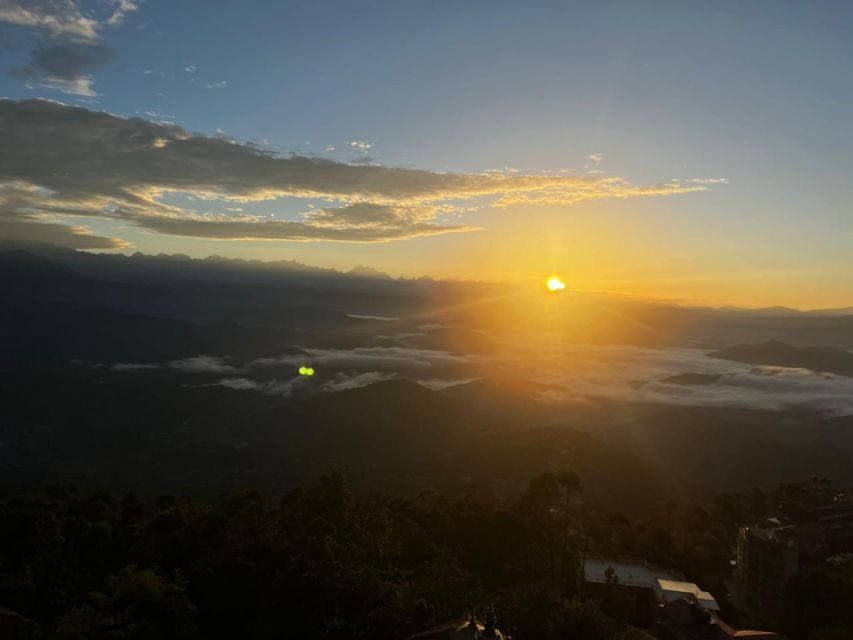
You wake up early and head to Sarangkot for outstanding Himalayan views. The itinerary explicitly names viewpoints that can include:
- Mt. Annapurna (8,091 m)
- Mt. Dhaulagiri (8,167 m)
- Mt. Machhapuchhre (6,993 m)
Admission for this stop is listed as included.
This is the day where weather matters most. The tour notes that good weather is required, and if it’s canceled due to poor conditions, you’ll be offered a different date or a full refund. So if you book, don’t schedule anything too tight right after—give yourself breathing room.
Pokhara day tour: Devi’s Falls, Gupteshwor Cave, and more
After Sarangkot, you freshen up and head into a 4-hour Pokhara tour. This part includes landmarks such as:
- Devi’s Falls
- Gupteshwor Cave
- World Peace Pagoda
- Pumdikot
- International Mountain Museum
Admission for this Pokhara portion is listed as free on the plan, though that doesn’t always mean zero costs in real life, so it’s still wise to carry some extra cash for any optional items.
What makes this stop list practical is that it mixes the feeling of “Nepal adventure” with “Nepal culture.” Falls and caves give you movement. Pagodas and viewpoints give you perspective. A mountain museum helps connect the skyline you see outside with what those peaks mean.
Day 7: the scenic drive back to Kathmandu
Day 7 is a scenic drive back to Kathmandu. It’s a lighter ending, which makes sense after a long week.
If you arrive with time in the evening, you can use it to re-check your packing, buy last-minute snacks, and maybe do a short final walk near your hotel—nothing heavy. The route is built for you to return without feeling like you’re sprinting.
Price and value: what $650 covers and what to budget for
At $650 per person, this is positioned as a bundled 7-day experience with key logistics done for you. Here’s what’s clearly included:
- Pick-up from Kathmandu international airport
- 3-star accommodation with Bed and Breakfast in Kathmandu and Pokhara
- Tourist bus transportation: Kathmandu–Chitwan–Pokhara–Kathmandu
- Private car for sightseeing in Kathmandu and Pokhara
- Breakfast (6)
- Lunch (2)
- Dinner (2)
Not included:
- Lunch and dinner in Kathmandu and Pokhara
- Entrance fees for sightseeing sites in Kathmandu and Pokhara, with costs noted as Rs 100 to Rs 1500
- Service not mentioned above
So, is it good value? I think it’s good if you want:
- Less planning stress
- Pre-booked transport between regions
- A structured Day 2 Kathmandu circuit instead of guesswork
- A wildlife day that’s planned as part of the itinerary rather than an optional add-on
The main “value question” for you is entrance fees. Since some sites charge and others are marked as free, your final spend depends on how many ticketed stops you hit each day and what category you fall into (some temples and sites have different fee rules). The tour’s stated range is a helpful baseline.
Who this tour suits best (and who should tweak expectations)
This itinerary is a good fit if you:
- Have one week and want the big Nepal highlights in a logical order
- Prefer being guided through route planning and city logistics
- Want both a culture-heavy Kathmandu day and a wildlife-focused Chitwan day
- Like the idea of early-morning mountain views from Sarangkot
It might not be ideal if you:
- Want every meal included without thinking about restaurant time
- Get grumpy when entrance fees pop up on top of a package price
- Expect 100% wildlife guarantees (even the best safari day can be about the experience, not a guaranteed sighting list)
Booking checklist: small prep that pays off
To enjoy this trip more, I’d prepare around three realities shown in the plan:
- Entrance fees: bring some extra cash for Kathmandu and Pokhara sites
- Weather: plan for fog or clouds around mountain viewpoints; the tour can change dates or refund if canceled due to poor weather
- Early starts: Sarangkot is an early morning effort, so sleep and hydration matter
Also, because you’re traveling between Kathmandu, Chitwan, and Pokhara, pack light enough for bus days but keep a small day bag. You’ll feel better when you’re not constantly digging through your main luggage.
Should you book this Kathmandu–Chitwan–Pokhara tour?
Yes, if your goal is a well-organized first Nepal week that combines UNESCO sites, wildlife time in Chitwan National Park, and the mountain-view payoff in Pokhara. The strongest part of this itinerary is how it balances big highlights with real breathing space—particularly the transition from city temples to park day, and then to the calm lakeside and viewpoints.
If you’re the type who wants total independence, you might build a DIY route. But if you’d rather pay for logistics and focus on the experience, this one is a sensible choice—especially with included airport pick-up, transfers, and the core sightseeing structure.
FAQ
What cities does the Kathmandu Chitwan Pokhara tour include?
The itinerary is based in Kathmandu, then Chitwan, then Pokhara, with transport back to Kathmandu at the end.
Is airport pickup included?
Yes. The tour includes pick-up from Kathmandu International Airport.
What’s included in the $650 price?
You get 3-star accommodation with Bed and Breakfast in Kathmandu and Pokhara, tourist bus transportation between Kathmandu–Chitwan–Pokhara–Kathmandu, private car for sightseeing in Kathmandu and Pokhara, and breakfasts (6) plus lunch (2) and dinner (2).
Are entrance fees included for temples and attractions?
Some are included and some are not. Entrance fees for sightseeing sites in Kathmandu and Pokhara are not included, and the listed estimate is Rs 100 to Rs 1500. Chitwan National Park admission is included, and Sarangkot admission is included, based on the itinerary notes.
Is this a private tour?
Yes. It’s listed as a private tour/activity, with only your group participating.
What happens if weather is bad for mountain views?
The tour notes that it requires good weather. If it’s canceled due to poor weather, you’ll be offered a different date or a full refund.