REVIEW · KATHMANDU
Kathmandu to Langtang Valley 7-Day Trek
Book on Viator →Operated by Cordial Trek Pvt. Ltd. · Bookable on Viator
Langtang Valley feels like Nepal’s quiet mountain side. It’s a 7-day trek that starts in Kathmandu, rolls up to Syabrubesi, and then walks through forest, villages, and prayer-stone country to Kyanjin Gompa and the viewpoints of Kyanjin Ri. I like the pacing that mixes hiking and rest days in a way that works for first-timers, and I also like that the essentials—TIMS and the national park permit—are handled for you.
One drawback to plan around: meals aren’t included, so you’ll need a budget for breakfast/lunch/dinner along the way. Also, the travel days are long—early starts and 7-8 hour drives add up.
If you’ve got moderate fitness and you’re ready for cold air near the top, you’ll enjoy this trek’s mix of mountain drama and small-mountain village life—without needing years of trekking experience.
In This Review
- Quick hits
- Kathmandu to Syabrubesi: the long ride that sets your trek up right
- Syabrubesi to Lama Hotel: rhododendrons, waterfalls, and first-step altitude
- Lama Hotel to Langtang Village: forests into valley life
- Langtang Village to Kyanjin Gompa: monastery views and a quieter kind of reward
- Kyanjin Ri at around 4,773m: the viewpoint day that ties everything together
- Lama Hotel to Syabrubesi and the return to Kathmandu: finish strong, not exhausted
- Price and logistics: what $300 buys you on the trail
- What you’re really paying for: the guide culture on Langtang trails
- Flora, fauna, and the kind of nature you’ll notice here
- Best time to go: all year except monsoon season
- Who should choose this Langtang Valley trek
- Should you book this Kathmandu to Langtang Valley trek?
- FAQ
- How long is the Kathmandu to Langtang Valley trek?
- Where does the trek start, and what time do we start each day?
- How do you travel between Kathmandu and Syabrubesi?
- What are the main trekking stops?
- Is this trek suitable if I have no previous trekking experience?
- What’s included in the price?
- Are meals included?
- What about permits and the TIMS card?
- What is the cancellation policy?
- Do I need to pay a guide or porter separately?
Quick hits
- Guide care that shows up daily: Names like Raj Tamang, Pratip, Raju, Acharya, Nilakantha, Haj, and Hem pop up in feedback for clear explanations and attentive support.
- Kyanjin Ri is the headline: You get to a high viewpoint at about 4,773m, with mountain panoramas including Langtang Ri and other nearby peaks.
- Permits included: National Park permit and TIMS card are part of the package, saving you time and paperwork stress.
- Guesthouses along the route: Mountain guest house nights keep you moving without needing camping gear.
- Big wildlife country (even if you won’t see everything): The Langtang National Park area is home to species like red panda and Himalayan tahr, plus lots of birds.
- Real trekking with a structured finish: A return trek back to Syabrubesi, then a drive to Kathmandu helps you land back smoothly.
Kathmandu to Syabrubesi: the long ride that sets your trek up right
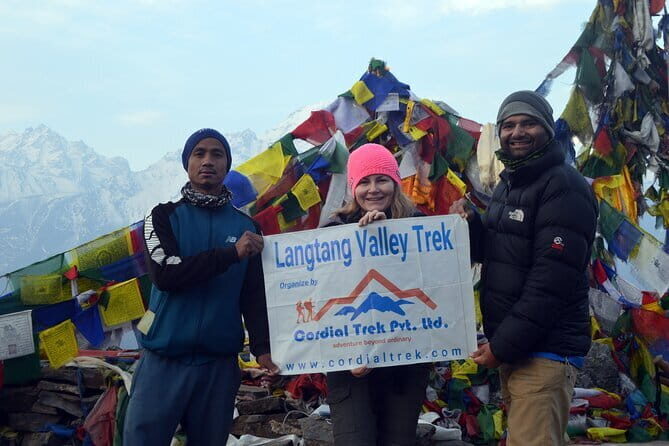
Your day starts early—6:45 am—with pickup from your hotel or apartment in Kathmandu. Then you transfer toward the Balaju area bus station and begin the long road north.
Expect a 6-7 hour drive by bus to Syabrubesi on Day 1. It’s not “scenic hike time,” but it matters: you’re saving energy for the real work and getting your bearings fast.
The trekking loop is also practical for logistics. You’re not self-navigating a remote region. The package includes hotel drop-off in Kathmandu when you finish, plus a sharing jeep/bus setup for the route in and out.
One small note: even though it’s a trek, the transportation pieces are part of the experience. If you’re someone who hates long seats, bring a neck cushion or plan to keep your daypack within reach so you can stay comfortable.
You can also read our reviews of more hiking tours in Kathmandu


Syabrubesi to Lama Hotel: rhododendrons, waterfalls, and first-step altitude
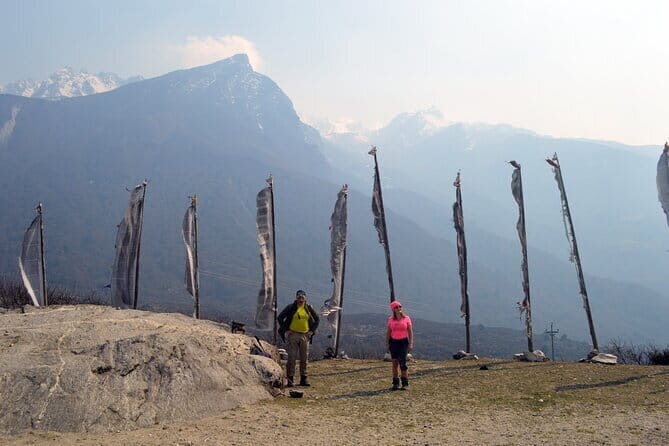
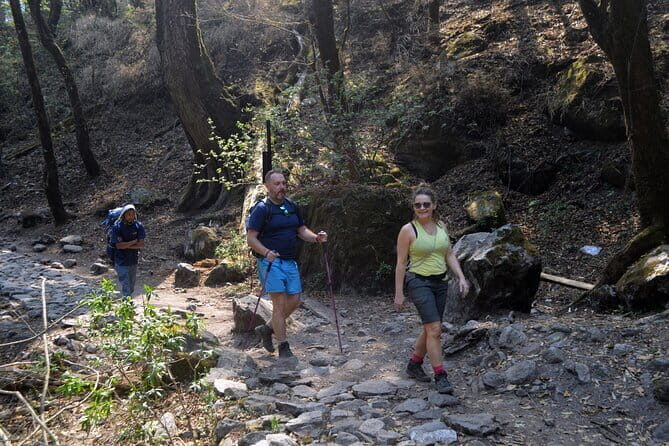
On Day 2, you hike from Syabrubesi to Lama Hotel for roughly 5-6 hours. This is one of the smartest sections for beginners because it’s long enough to feel like a trek, but not the kind of vertical grind that knocks people sideways.
The route runs through scenic trails inside Langtang National Park, with waterfalls and traditional village scenery along the way. It’s also where the forest vibe starts to matter: the park is known for dense woodland and a mix of deciduous oak/maple and evergreen pine.
A key detail for your expectations: you’re in mountain country where the air feels different quickly. Even if the hike is manageable, you’ll feel the altitude shift in your breathing. Take it easy the first day you hit the park so you’re not paying for impatience later.
If you’re lucky, you’ll catch glimpses of the Langtang Mountains and glaciers in the wider views. Even partial views count here—fog and cloud cover can change the whole mood.
Lama Hotel to Langtang Village: forests into valley life
Day 3 is a 6-7 hour trek from Lama Hotel onward to Langtang village. This day tends to be where people start settling into the rhythm: steady hiking, small pauses, and looking up more often than you think you will.
The trail passes through dense rhododendron and pine forest, and this is a great section for noticing how the park changes with season. The region is known for wildflowers and rhododendrons blooming in the foreground, while big snow-covered peaks sit in the background.
Langtang National Park borders China’s Tibet Autonomous Region, so the whole area has a sense of edge-of-the-map remoteness. Even when you’re just walking between guesthouses, it feels like you’re entering a pocket of Nepal that doesn’t get flattened by mass tourism.
Wildlife exists here—things like Himalayan black bear and Himalayan tahr live in the broader park ecosystem. A sighting isn’t something you can count on, but knowing the park supports them changes how you look at the forest. You’ll notice tracks, calls, and movement more than you would elsewhere.
Langtang Village to Kyanjin Gompa: monastery views and a quieter kind of reward
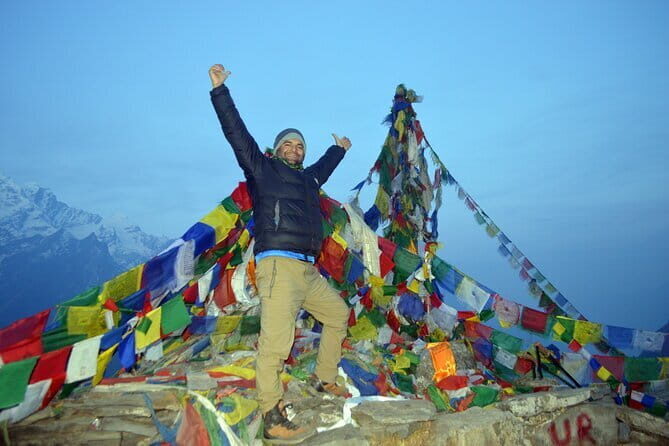
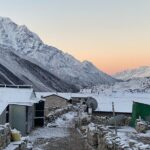
On Day 4, you hike 3-4 hours from Langtang village to Kyanjin Gompa, described as one of the oldest monasteries in the region. This is a shorter trekking day, and it’s a good thing—because it gives your body time to adjust while you still get a meaningful destination.
Kyanjin Gompa isn’t just a religious stop. It’s also a viewpoint spot, with panoramic mountain views over the surrounding area. When you reach a monastery after hours on a trail, the payoff feels different than at a random lookout. There’s a built-in calm.
The practical upside is that you’ll likely arrive with energy to enjoy the place rather than just “survive to the finish.” Also, this section sits at a higher elevation than your earlier days, so keep moving at a pace that lets you breathe comfortably.
If you tend to go fast when you feel good, resist that urge here. High-altitude fatigue has a sneaky way of showing up later.
Kyanjin Ri at around 4,773m: the viewpoint day that ties everything together
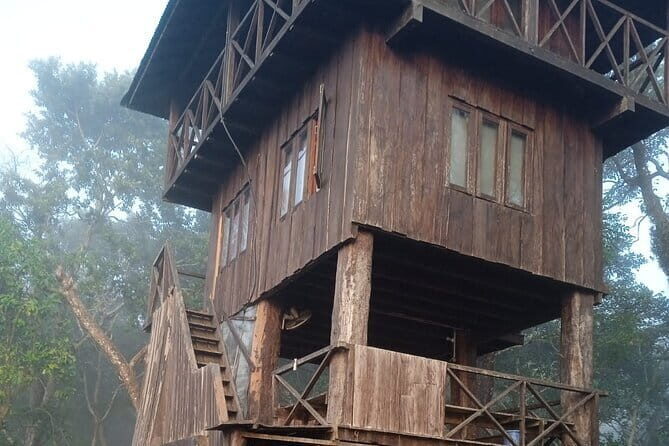
Day 5 is the big one: a round trip from Kyanjin Gompa to Kyanjin Ri. The hike is listed as 3-4 hours total, and Kyanjin Ri reaches 4,773 meters.
This is where you’ll want to be mentally ready for the thin-air feel. Even if you’re physically fit, cold hands and slower breathing are normal. Bring layers and keep your pace controlled. The summit isn’t a race.
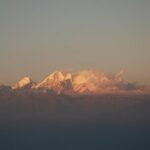
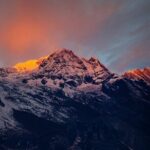
The viewpoint is designed for mountain lovers: you can see Mt. Langtang Ri, Mt. Dorje Lakpa, and Mt. Langtang Lirung from up high. When conditions are clear, it’s the kind of view that makes the earlier forest days feel like the prologue instead of the waiting room.
After the Kyanjin Ri excursion, you hike back down to Lama Hotel for the night. This descent matters because it helps your body recover before your final trekking-to-transport day. It also lowers the risk of altitude stress turning into a bad evening.
In feedback tied to this trek, people specifically highlighted making it to the Kyanging/Kyanjin Ri area at around 4,700 meters, which lines up with the trip’s stated altitude. In other words: this is the moment you plan your pacing for.
A few more Kathmandu tours and experiences worth a look
Lama Hotel to Syabrubesi and the return to Kathmandu: finish strong, not exhausted
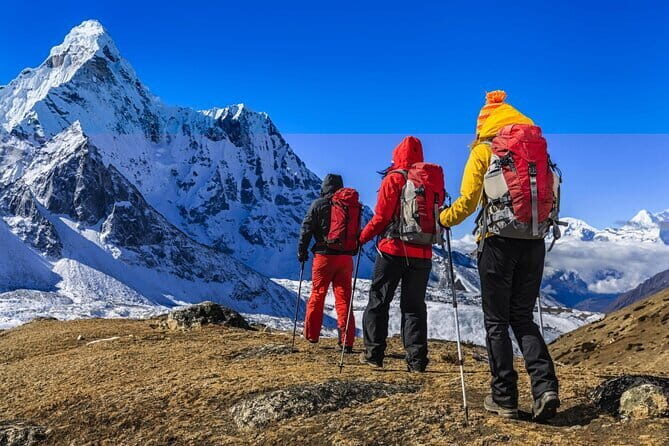
Day 6 is another 5-6 hour trek, back down from Lama Hotel to Syabrubesi, where you stay at a guesthouse. The terrain is working against you in a different way now—downhill can be tougher than it looks on knees and shins.
This is a good day to pay attention to footwork and not assume you’ll feel “fresh” just because you’re going down. Trekking poles can help if you’re used to them.
Then Day 7 brings the long unwind: a 7-8 hour drive (bus/sharing jeep) from Syabrubesi to Kathmandu, plus escort back to your hotel. You’ll probably feel tired, but the structure helps: no last-minute navigation, no scrambling for transport after a long trek.
If you want your finish to feel good, keep your Kathmandu evening simple. Eat early, hydrate, and give your legs a real chance to recover. The trek ends, but your body’s “echo” lasts a couple days.
Price and logistics: what $300 buys you on the trail
At $300 per person, the value comes from what’s included—not just the hiking itself. The package covers sharing jeep/bus (Kathmandu ↔ Syabrubesi), hotel pickup and drop-off, mountain guesthouses, plus the National Park permit and TIMS card.
That last part is a big deal for many people. Park paperwork and trekking system cards can be confusing when you’re short on time in Kathmandu. Here, it’s arranged for you.
What’s not included is also clear: meals. That means your true daily spending depends on what guesthouses charge and what you choose to eat. If you’re trying to keep your trip budget tight, plan for lunch and dinner costs from the start.
Guides and porters aren’t “free labor,” either. Gratuity for your guide is optional, which is typical for Nepal treks. If you liked the way your guide handled pacing, explanation, and safety, this is your chance to recognize that directly.
You also get group discounts, plus the experience is listed as private in the sense that only your group participates. In practice, this usually means less waiting around than on mega-group tours.
What you’re really paying for: the guide culture on Langtang trails
One reason this trek gets such high praise is the human factor. Across feedback, guides are described as organized, caring, and energetic in a way that makes a trek feel smoother.
Names that come through include Raj Tamang, Pratip, Raju, Nilakantha, Acharya, and also Haj as a standout guide in some cases. People also mention porters like Dub, Maila, Hem, and others working in harmony with the group.
What does that mean for you? It means you’re not left to guess. A good guide helps you manage pacing on steeper days, interpret what you’re seeing, and keep the group together when trail conditions change. It also helps on the viewpoint day when timing matters for weather and visibility.
There’s also a practical side of service in the feedback. One example: a forgotten pair of shoes was found and later dropped to the guest’s hotel. That’s not trekking magic, but it does signal communication discipline and follow-through.
If you get the chance, ask your guide questions about how Hindu and Buddhist traditions overlap in daily life. In feedback from another trip area, a guide explained differences between Hindu and Buddhist deities in a clear, detailed way—exactly the kind of context that makes a monastery stop feel real instead of like a photo stop.
Flora, fauna, and the kind of nature you’ll notice here
Langtang National Park is a forest ecosystem as much as it is a mountain playground. The park includes deciduous oak and maple, evergreen pine, and multiple kinds of rhododendrons. That matters because it shapes what you see each day: shade, flowers, and the way the air smells on the trail.
The region is also known for wildlife in the ecosystem—yak and red panda are mentioned in the park’s animal life list, plus creatures like Himalayan tahr, snow leopard (rare to spot), and more than 250 bird species.
Will you see those animals? Not guaranteed. But if your guide is attentive and you’re observant, you’ll be more likely to notice signs: calls from the forest, distant movement, and bird activity near water.
This trek also has that classic Langtang contrast: wildflowers and rhododendrons closer to you, while the Langtang Mountains and glaciers sit above like a constant backdrop. It’s a good reminder that you’re hiking in a real living park, not just walking from point A to B.
Best time to go: all year except monsoon season
This trek runs all year long except the monsoon season. That’s your key weather rule.
Monsoon means wet trails, slippery footing, and more cloud cover—bad for safe footing and also bad for getting clear views on Kyanjin Ri. If you’re aiming for panoramic mountain photos, choose a time outside monsoon rain patterns.
Cold air is also part of the deal near the top. Kyanjin Ri is 4,773 meters, so pack like it’s going to be chilly even if your Kathmandu weather feels mild.
If you’re unsure what to pack, prioritize layers, warm socks, and a jacket that blocks wind. Daylight can look warm while your body cools fast at altitude.
Who should choose this Langtang Valley trek
This trip is designed for all kinds of travelers, including people with no prior trekking experience, as long as they have moderate physical fitness. That means you don’t need to be a hardcore hiker, but you do need to be realistic about walking hours and altitude.
You’ll get along best if you:
- like a guided structure (you don’t want to solve logistics on your own)
- enjoy a mix of forests, villages, monasteries, and viewpoints
- are patient with long travel days from Kathmandu
It’s also a good fit if you want the Kyanjin Ri viewpoint without turning it into a major mountaineering expedition. You get the highlight at a set time and then return down to recover.
If you hate cold, downhill pain, or early starts, it might test your patience. But with good planning, it’s very doable for many first-time trekkers.
Should you book this Kathmandu to Langtang Valley trek?
If you want a structured, value-focused Langtang trek with permits handled and guesthouses included, this one is a strong candidate at $300. The inclusion of the TIMS and national park permit, plus pickup/drop-off and mountain lodging, removes several common trip headaches.
Choose it if you’re excited about Kyanjin Gompa and the big viewpoint day at Kyanjin Ri, and you’re ready to treat the travel legs as part of the journey. The trek also seems to shine when you get a caring guide—feedback highlights guides and porters who explain things clearly and look after the group.
I’d think twice if you don’t budget for meals or if long driving days and early starts will wreck your travel mood. Also, if you’re unwilling to handle cold at altitude, you’ll have a harder time enjoying the summit day.
Bottom line: for first-timers who want the Langtang Valley experience done the sensible way—this trek makes a lot of practical sense.
FAQ
How long is the Kathmandu to Langtang Valley trek?
The experience is listed as 7 days approximately, with trekking days inside Langtang National Park and driving days between Kathmandu and Syabrubesi.
Where does the trek start, and what time do we start each day?
It starts in the Kathmandu area with pickup, and the start time is 6:45 am. Day 1 includes getting to the bus station area before the drive to Syabrubesi.
How do you travel between Kathmandu and Syabrubesi?
You travel with a sharing jeep/bus between Kathmandu and Syabrubesi (and back at the end).
What are the main trekking stops?
Key stops include Syabrubesi, Lama Hotel, Langtang village, Kyanjin Gompa, and Kyanjin Ri. The trek also includes a return walk back to Syabrubesi before going to Kathmandu.
Is this trek suitable if I have no previous trekking experience?
The trip is described as planned to suit travelers even if you have no prior trekking experience, as long as you have moderate physical fitness.
What’s included in the price?
Included are sharing jeep/bus, mountain guesthouse, National Park permit and TIMS card, and hotel pick up & drop.
Are meals included?
No. Meals are not included in the package.
What about permits and the TIMS card?
The package includes the National Park Permit and the TIMS card, which are part of trekking requirements.
What is the cancellation policy?
Cancellation is free if you cancel up to 24 hours in advance of the experience start time. If you cancel less than 24 hours before, the amount paid isn’t refunded.
Do I need to pay a guide or porter separately?
Gratuity for your guide is optional, so it’s not required by the package, but you may choose to tip based on your experience.