REVIEW · KATHMANDU
Full Day Private Tour of Seven World Heritage Sites in Kathmandu
Book on Viator →Operated by Cordial Trek Pvt. Ltd. · Bookable on Viator
Seven UNESCO stops in one day is intense. This private Kathmandu loop is interesting because you’ll move through the valley’s major sacred and royal landmarks in a single day, with a guide shaping what you’re actually looking at—Kathmandu Valley UNESCO sites, not just random temples. It’s also a nice way to get your bearings fast: you start at Boudhanath Stupa, then work through Hindu pilgrimage sites and Durbar Squares, finishing back in central Kathmandu.
I especially like the private air-conditioned car with driver. That means less hassle in traffic, and more time at the sites. I also love that lunch is included (Nepali thali or momo/spaghetti), which helps a long day feel doable instead of one big scramble.
One thing to plan for: monument entrance fees are not included and are listed at $50 per person. Even if the base price is low, that add-on can change what this day costs, so budget early.
In This Review
- Key things to know before you go
- Entering Kathmandu Valley through UNESCO stops
- Price and logistics: the real value math
- Meeting the guide: the difference is in the explanations
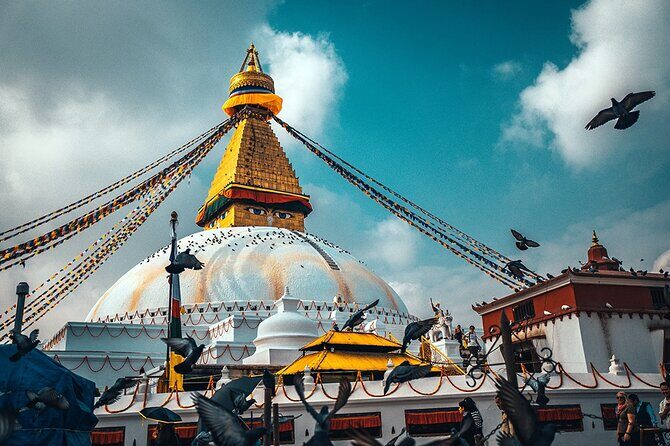
- Boudhanath Stupa: the Buddhist anchor of the day
- Pashupatinath and Changu Narayan: two Hindu worlds in the same day
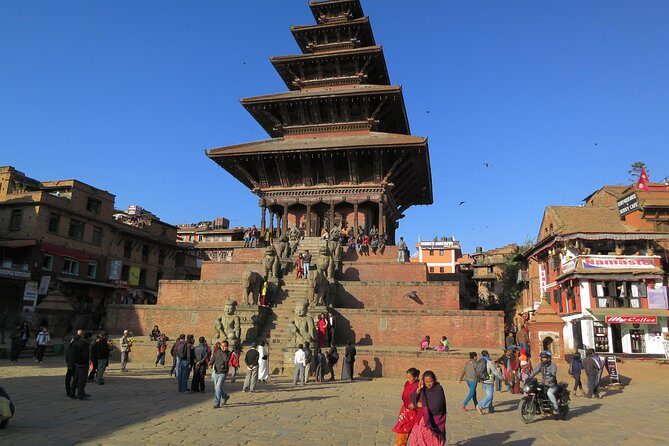
- Bhaktapur Durbar Square: where architecture becomes the main story
- Patan Durbar Square: royal square, Lalitpur center energy
- Swayambhunath and Kathmandu Durbar Square: monkeys, stupa, and royal power
- Lunch and pacing: how to make an eight-hour day feel humane
- Is a private UNESCO sprint right for you?
- Should you book this seven World Heritage Sites private tour?
- FAQ
- Is lunch included on this tour?
- Are entrance fees included for the monuments?
- How long is the tour?
- What time does the tour start and where?
- Does the tour include transportation?
- Is there free cancellation?
Key things to know before you go
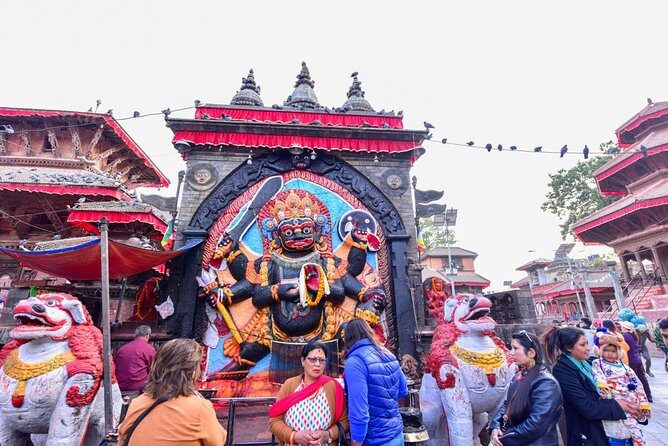
- A true seven-site route in one day: Boudhanath, Pashupatinath, Changu Narayan, Bhaktapur Durbar Square, Patan Durbar Square, Swayambhunath, and Kathmandu Durbar Square.
- Short, focused time windows: most stops run about an hour, with Durbar Squares getting a bit more time.
- Entrance fees are extra: plan on $50 per person for monuments.
- Lunch is built in: Nepali thali or momo/spaghetti keeps you from falling into the usual Kathmandu lunch trap.
- Guide quality shows up in reviews: names like Nilakantha Acharya and Kamal come up often, with praise for clear explanations and thoughtful handling.
- A chance to see Kumari: your day includes an opportunity to catch a glimpse of the living goddess, if timing aligns.
Entering Kathmandu Valley through UNESCO stops
Kathmandu can feel like sensory overload on day one. This tour gives you structure. You don’t just visit temples—you connect them to the idea that the Kathmandu Valley became famous enough to earn UNESCO World Heritage status across multiple sites and eras.
What makes the pace work is the mix of site types. You’ll start with a major Buddhist stupa at Boudhanath, then shift into Hindu pilgrimage at Pashupatinath. After that, you’ll head to Changu Narayan on a hilltop feel, then move into the palace-square world of Bhaktapur Durbar Square and Patan Durbar Square. The day ends with Swayambhunath (the Monkey Temple) and Kathmandu Durbar Square, which is where the royal-square storytelling really clicks.
This route also matches how many people actually travel: you have limited days, but you want the big cultural hits. When you’re aiming for seven UNESCO World Heritage sites in about eight hours, you’re choosing depth over breadth of wandering.
You can also read our reviews of more private tours in Kathmandu


Price and logistics: the real value math
The listed price is $5 per person, and the included bundle is the part that matters. You get an air-conditioned private car with a driver, a tour guide, bottled water, pickup and drop, and lunch (Nepali thali or momo/spaghetti). There’s also a mobile ticket, plus group discounts mentioned in the details.
Now the catch: monument entrance fees are not included and are listed at $50 per person. So your realistic “all-in” day cost is closer to the entrance total, not the base tour price. That doesn’t make the tour bad; it just keeps you from being surprised when tickets come up at the gates.
Even with the extra fees, private logistics can be good value in Kathmandu. A driver and guide remove a lot of friction: timing, route planning, and knowing where to look. If you’ve ever tried to string multiple Durbar Squares and major temples into one day using local transit, you know how quickly the day can lose time. Here, the day is built as a sequence.
One more practical angle: because each stop is around an hour (with Durbar Squares slightly longer), you’re paying for a planned route and explanations, not for long “hang out” time. If you love slow travel, consider supplementing this with a separate evening stroll or one extra temple visit on your own.
Meeting the guide: the difference is in the explanations
This is a private tour, meaning it’s only your group. That matters because a guide can tailor the flow—especially in places where rituals, architecture, and symbolism are the whole point.
From the feedback, Nilakantha Acharya stands out repeatedly. People praised him for making the day interesting, explaining history and monuments clearly, and even sending photos from the tour. That last detail is small, but it helps you remember what you saw—because temple photography often turns into a blur of stairs and labels.
Another name that came up is Kamal, praised as an excellent guide with extensive site knowledge. Hari and Ram were mentioned as competent drivers who got people around efficiently.
I like when a guide handles two things at once: (1) what you’re looking at, and (2) how it fits into the bigger Kathmandu story. With this kind of seven-stop route, that’s what keeps you from feeling like you’re just checking boxes.
If you’re the type who wants to understand why a stupa is shaped the way it is, why royal squares matter, and what you’re seeing beyond the obvious, you’ll probably appreciate the guide-led approach here.
Boudhanath Stupa: the Buddhist anchor of the day
You start with Boudhanath Stupa, arriving early in the day from your hotel. It gets about one hour, and that first timing is smart. Boudhanath works as an emotional reset after Kathmandu’s street noise. It’s also the kind of place where your attention naturally slows down.
What I’d watch for here is the stupa-centered layout: you’ll see pilgrims moving around the monument area, and you’ll notice how the site functions as a living religious space, not a museum piece. Even if you don’t know the details, the visual rhythm tells you what’s important.
Because this is the first stop, your guide can also set the tone for what the valley will show you next. Expect explanations that help you switch mindsets—from Buddhist sacred practice here, to Hindu pilgrimage at the next major temples.
One practical consideration: if you’re sensitive to crowds or busy foot traffic, start with calm expectations. A major stupa like this can be busy, even on a “structured” tour day.
Pashupatinath and Changu Narayan: two Hindu worlds in the same day
Next is Pashupatinath Temple, a highly esteemed Hindu pilgrimage site dedicated to Lord Shiva. You get about one hour here, and that hour is enough to grasp the site’s spiritual role and architectural identity—especially with a guide explaining what you’re seeing.
Then you’ll head to Changu Narayan Temple, an ancient Hindu temple on a hilltop with the local names Changu and Dolagiri mentioned in the tour info. Again, you get about one hour. The hilltop feel usually changes the way you experience the temple: it’s less about walking through a dense urban square and more about seeing the temple as part of its elevated setting.
I like that this pair of stops doesn’t just stack temples. It gives you two different “entries” into Hindu sacred space—one tied to pilgrimage draw and one tied to ancient hilltop positioning.
A key drawback to keep in mind: because each site is time-boxed, you won’t have hours to wander slowly. If you prefer long photo stops or deep reading at every sign, you may want to ask your guide where they suggest spending the last 10 minutes at each stop so you don’t feel rushed.
You can also read our reviews of more historical tours in Kathmandu

Bhaktapur Durbar Square: where architecture becomes the main story
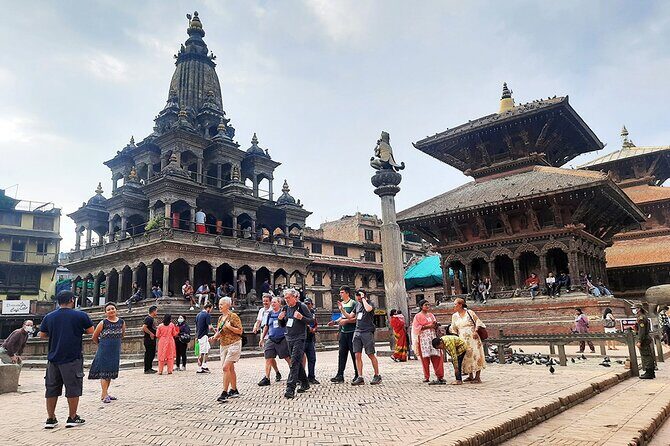
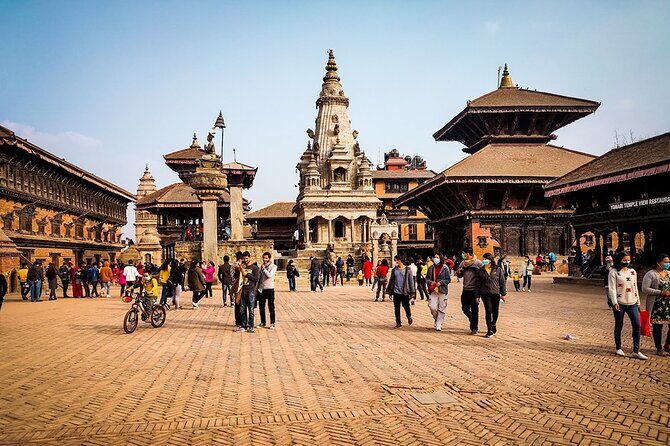
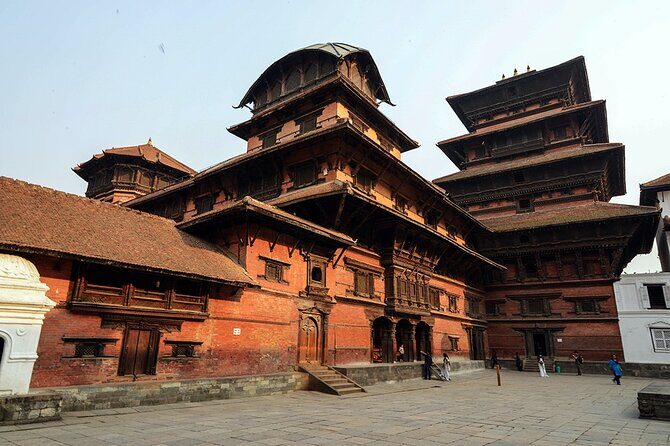
After the Hindu temples, the day shifts into the palace-square world with Bhaktapur Durbar Square. It gets about 1 hour 30 minutes, which is longer than most stops. Bhaktapur is described as both the smallest district and the biggest Durbar Square of Nepal, and the UNESCO complex includes four other smaller Durbar Squares.
This is the kind of place where you can actually feel the craft. One of the most positive themes from the feedback was how fascinating people found the way the temples and structures are built. Bhaktapur rewards that attention. Even if you don’t read every inscription, the shapes, carvings, and layout tell you that this wasn’t put together casually.
I’d use your extra time here to slow down for at least one full circuit around the open spaces. If your guide highlights key architectural elements, grab onto those points, then let your eyes confirm them on the ground.
The small practical downside: Bhaktapur’s Durbar Square area can involve more uneven walking than you might expect, so wear shoes that handle Kathmandu’s real sidewalks, not just smooth pavement.
Patan Durbar Square: royal square, Lalitpur center energy
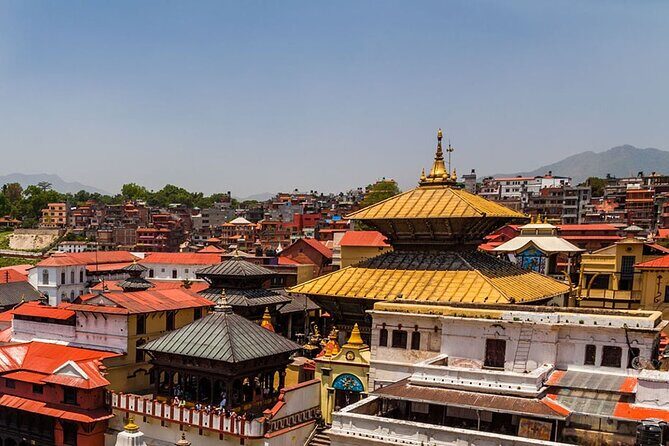
Next up is Patan Durbar Square, located in Lalitpur. Like Bhaktapur, it’s one of the three Durbar Squares in the Kathmandu Valley that are UNESCO World Heritage Sites. This stop also gets about 1 hour 30 minutes.
If Bhaktapur makes you think about architecture through scale and craft, Patan often feels like a complementary “angle” of the same idea: royal space, religious ties, and the way civic life historically centered on these monuments.
Your guide can help you compare details between the Durbar Squares, which is the easiest way to get more out of a checklist tour. Instead of treating each Durbar Square as separate entertainment, you connect them.
One practical tip from how this tour is paced: if you’re prone to decision fatigue, set your “mission” early. For example, decide that at Bhaktapur you’ll focus on carving and layout, and at Patan you’ll focus on the royal-square feel. It helps you make use of the limited time.
Swayambhunath and Kathmandu Durbar Square: monkeys, stupa, and royal power
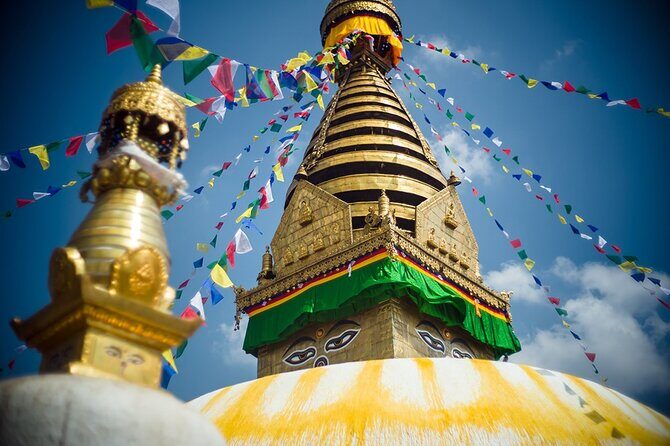
Then you head to Swayambhunath, famously called the Monkey Temple, featuring the Mahachaitya stupa. The tour notes the Tibetan name meaning Sublime Trees, linked to many varieties of trees.
This stop is only about one hour, but Swayambhunath is the kind of place where the visuals do a lot of the talking. You can’t really “speed-run” it unless you’re okay missing the point. The trick is to combine the big moments—stupa view, monkey temple energy—with one or two quiet observational moments where you look at how the site is arranged.
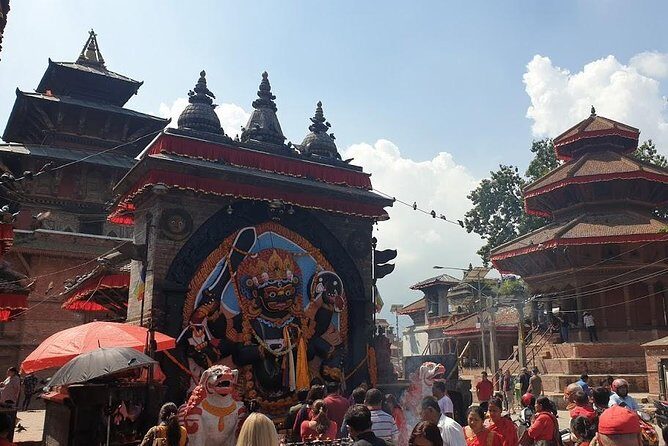
Finally, you end at Kathmandu Durbar Square, one of the palace squares in the valley and a UNESCO World Heritage Site. The construction is described as beginning in the third century, and it’s treated as a central “royal square” story of Kathmandu’s heritage.
This ending makes sense because by the time you reach Kathmandu Durbar Square, you’ve already seen the Durbar concept in Bhaktapur and Patan. That comparison makes the last stop land harder.
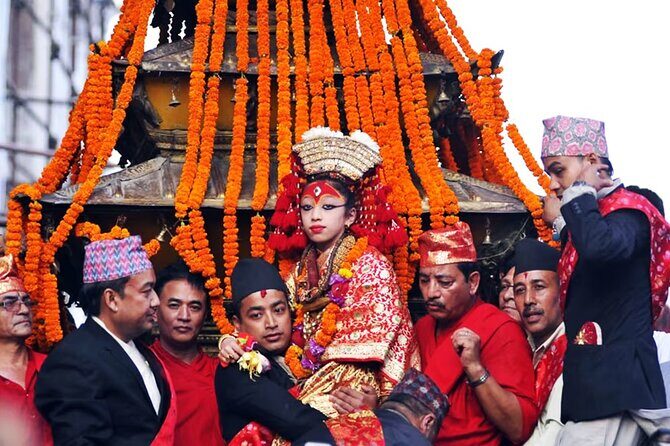
One extra note from the tour overview: you also have a chance to sight the living goddess Kumari. The tour data doesn’t specify where this will fit into the timing, so I’d treat it as an opportunity that depends on what’s happening during your visit day. Still, it’s a standout cultural layer beyond the stones.
Lunch and pacing: how to make an eight-hour day feel humane
Lunch is included as Nepali thali or momo/spaghetti, which is a lifesaver on a day with multiple major sites. Even if you’re not a big food person, having a planned meal slot reduces pressure. You’re not trying to find something open and decent between temples.
Pacing-wise, the tour holds a steady rhythm: one-hour blocks at Boudhanath, Pashupatinath, Changu Narayan, and Swayambhunath, plus 1.5-hour blocks at Bhaktapur and Patan, with Kathmandu Durbar Square getting about an hour. That structure keeps you from losing hours to wandering.
My practical advice: drink the bottled water early and often, and keep your energy for the gates and stairs. When the schedule is tight, any energy dip gets amplified.
Also, if you wear layers, you’ll enjoy the day more. Kathmandu’s weather can shift through the morning to afternoon, and religious sites can mean you’re standing around waiting for your group and guide to finish explanations.
Is a private UNESCO sprint right for you?
If you have one day in Kathmandu and you want to touch the valley’s most famous UNESCO sites, this tour makes a lot of sense. It’s also a good fit if you value guided context—especially around rituals, ceremonies, and monument meaning.
This also suits you if you dislike the mental load of route planning. The air-conditioned private car with pickup and drop is the point. You’re buying back time and comfort.
But it may not be ideal if:
- you like to linger 2–3 hours per major site,
- you don’t want to pay the additional $50 entrance fees,
- or you’d rather spend extra time on one area like Bhaktapur or Patan instead of sampling seven.
Because it’s private, it’s still comfortable—but it’s still an eight-hour day.
And a small realism check: Kathmandu is a city. Expect a lot of movement, not quiet museum pacing. The good part is you’re not doing it alone; the guide and driver handle the transitions.
Should you book this seven World Heritage Sites private tour?
I’d book it if you want a structured way to see seven UNESCO World Heritage sites in Kathmandu Valley without fighting transport, timing, or confusing signage. The included car, guide, bottled water, and lunch bring real convenience, and the guide quality seems to be a consistent strength, with names like Nilakantha Acharya and Kamal showing up in the praise.
I’d think twice if entrance fees are a deal-breaker for your budget, since monument entry is $50 per person on top of the base price. Also, if you’re the slow-travel type, this day might feel like a fast read instead of a deep study.
If your goal is a high-value “see the big things, learn what they mean” Kathmandu day, this tour is a strong candidate—and it’s the kind of plan that helps you go to bed knowing you didn’t miss the valley’s core landmarks.
FAQ
Is lunch included on this tour?
Yes. Lunch is included as Nepali thali or momo/spaghetti.
Are entrance fees included for the monuments?
No. Monument entrance fees are not included and are listed as $50.00 per person.
How long is the tour?
The tour runs about 8 hours.
What time does the tour start and where?
It starts at 08:00 AM and includes pickup from your hotel.
Does the tour include transportation?
Yes. You get an air-conditioned private car with a driver, plus pickup and drop.
Is there free cancellation?
Yes, cancellation is free up to 24 hours in advance for a full refund.