REVIEW · POKHARA
Pokhara: City Sightseeing Group Budget Bus Tour
Book on GetYourGuide →Operated by Nepal Tour Adventure Pvt Ltd · Bookable on GetYourGuide
Cheap bus tours are how you cover Pokhara fast. This one strings together the World Peace Pagoda and Gupteshwor Cave in a single day, so you get big sights without big planning.
I really like the way the day is paced with lots of short stops, plus a friendly local guide who works in Nepali, Hindi, and English. The only caution: the sharing mini-bus can be basic, and one guest noted it was a bit dirty with flies.
With hotel pickup from Lakeside, it works best when you have limited time and want a clear Pokhara checklist at a bargain price.
In This Review
- Key takeaways before you go
- A Budget One-Day Route That Hits Pokhara’s Biggest Sights
- Pickup From Lakeside and the Shared Mini-Bus Reality Check
- Pumdikot Shiva Statue: A Hill Stop That Sets a Spiritual Tone
- World Peace Pagoda: White Stupa Views You Can Actually Enjoy
- Gupteshwor Mahadev Cave: Limestone Formations and a Sacred Shiva Lingam
- Davis Falls: Powerful Water and the Legend-Layered Mystery
- Mahendra Cave and the Bat Cave: Darkness, Formations, and Real Wildlife
- Seti River Gorge: Short Stop, Big Shape
- Bindabasini Temple: A Central Stop With Culture Built In
- Fewa Lake Finish: A Calmer Ending
- Price and Value: What $10 Really Buys You
- The Guide Team and Timing: Where This Tour Wins
- Who This Tour Is Best For (and Who Should Skip It)
- What to Bring (So the Day Feels Easier)
- Should You Book This Pokhara Bus Tour?
- FAQ
- How long is the Pokhara sightseeing bus tour?
- Where does the pickup happen?
- What are the main sights included?
- Are entrance fees included in the price?
- What type of transportation is used?
- What languages does the guide speak?
- What should I bring for the tour?
- Is the tour suitable for wheelchair users?
- Are meals provided or can I eat on the bus?
Key takeaways before you go
- One-day highlights: Pagoda views, cave sights, waterfall legends, and temple stops
- Good value for $10: transport and pickup from Lakeside, with a guide on board
- Short, efficient timing: lots of stops, so you’ll move around more than you relax
- Caves and water features: stalactites, a Shiva Lingam, and Davis Falls’ underground plunge
- Basic transport reality: you’re paying budget prices, so comfort isn’t the main feature
A Budget One-Day Route That Hits Pokhara’s Biggest Sights
This tour is built for people who want Pokhara highlights without spending your whole time deciding where to go. You get a full day of sightseeing—pagoda views, two cave complexes, a famous waterfall, a gorge viewpoint, and a central temple—plus a finish at Fewa Lake. It’s the kind of route that helps you get your bearings fast.
The price is the headline. At $10 per person, you’re not paying for luxury. You’re paying for logistics: pickup in the Lakeside area, shared transport, and a guide who can explain what you’re seeing. If you’re traveling with a tight schedule, that kind of value matters.
Just keep your expectations grounded. This is a busy day. You’ll be walking in and around uneven cave spaces and moving between sites by bus. If you want a slow, lingering style of sightseeing, you may find the pace a bit much.
You can also read our reviews of more city tours in Pokhara
Pickup From Lakeside and the Shared Mini-Bus Reality Check
The tour starts with hotel pickup within Lakeside in Pokhara. That’s a real convenience—no hunting for a meeting point, no extra rides before you even begin sightseeing.
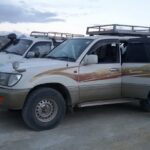
Transport is by a sharing basic mini-bus, not a private coach. That’s why this tour can stay so low-cost. It also explains the one downside that showed up in feedback: the bus can be a little less tidy than you’d want, and someone specifically mentioned flies on board. If you’re sensitive to that, it’s smart to come prepared with your own tolerance and comfort items (like sunglasses and a plan for quick refresh).
There’s also a clear rule set: no smoking in the vehicle or indoors, and no alcohol or drugs. Food and drinks are not allowed on the bus, so if you need energy, plan to handle snacks outside the vehicle during stops.
Pumdikot Shiva Statue: A Hill Stop That Sets a Spiritual Tone
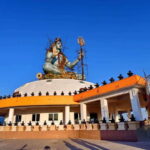
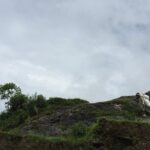
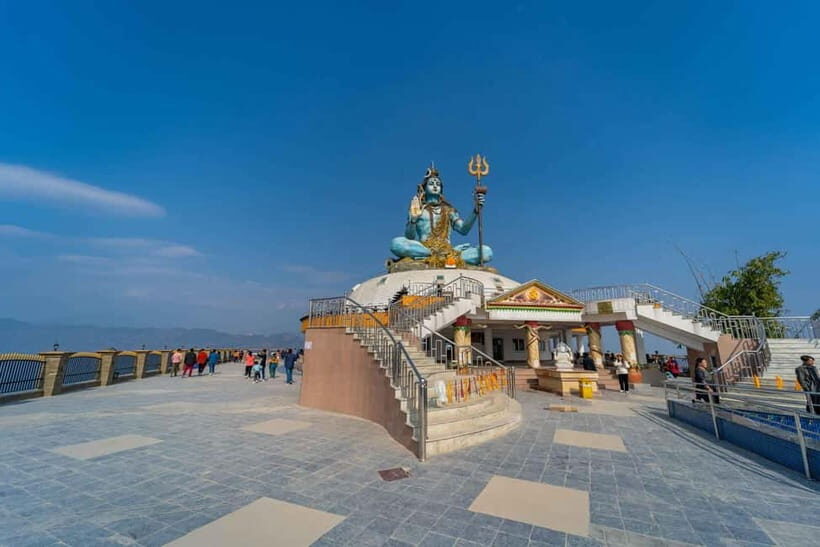
Early on, you head to the Pumdikot Shiva Statue, with about one hour at the site. This stop is less about history-reading and more about getting a feel for the religious energy of Pokhara’s surroundings.
It’s also a useful pacing trick. Before you rush into the biggest photo stops, you spend time at a hill area where you can stand, look around, and reset your expectations for the day. You’ll likely notice how the region mixes devotion and everyday life, not just tourist attractions.
For photography lovers, this is a good time to get steady shots before the light changes across the day. For everyone else, it’s a good break from sitting in traffic.
World Peace Pagoda: White Stupa Views You Can Actually Enjoy
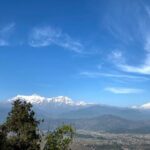
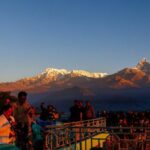
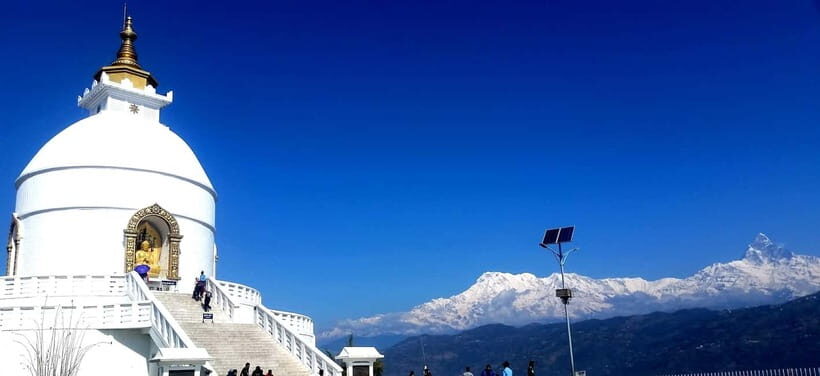
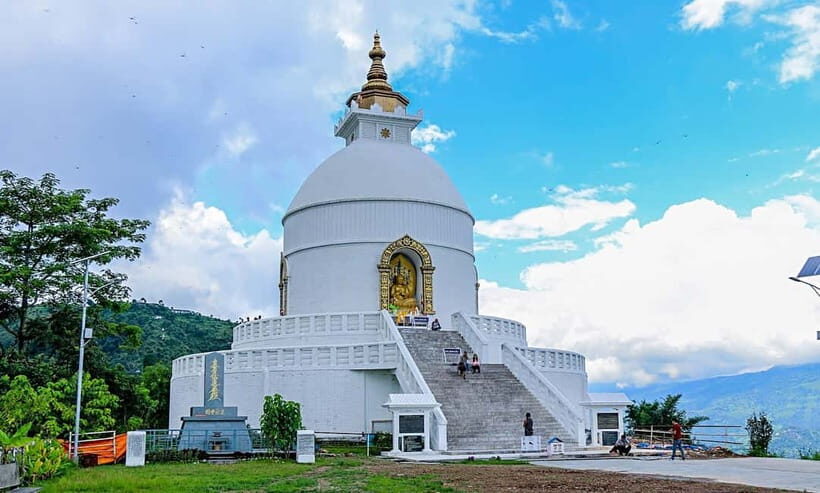
Next up is the World Peace Pagoda, a white stupa on a hilltop. You get about 55 minutes here—long enough for the photos, the viewpoints, and a slow walk to take in Pokhara Valley, Phewa Lake, and the surrounding mountains.
This is one of those places where the big attraction is simple: elevation and visibility. You’re up high, so the city and water below feel more readable. Even if you’ve already seen pictures, being there in person is different. The air, the angle, and the sense of scale make it worthwhile.
One practical tip: wear comfortable clothes you don’t mind getting warm or dusty. The weather in Pokhara can shift quickly, and you’ll want to stay comfortable while you look out over the valley.
Gupteshwor Mahadev Cave: Limestone Formations and a Sacred Shiva Lingam
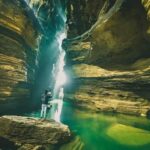
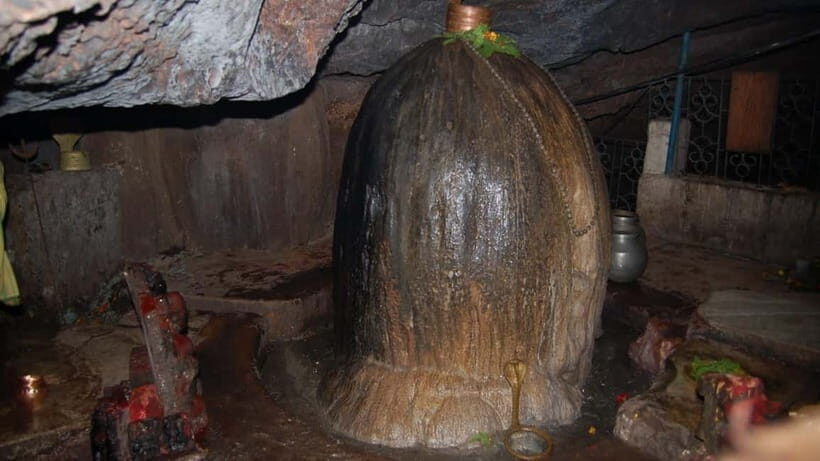
After that hill stop, the tour shifts into caves. The Gupteshwor Mahadev Cave is about 40 minutes, and it’s a standout for anyone who likes natural features you can see up close.
Inside, you’ll spot stalactites and stalagmites, plus a sacred Shiva Lingam. That combination is why this cave doesn’t feel like a generic tourist grotto. You’re looking at geology and spirituality in the same space.
A note on how to experience it: caves are not equal-footing sightseeing. Some areas can be slick or tight, and it’s easy to get distracted and forget where you’re walking. Good shoes matter more than you think. This is one of the reasons this tour’s packing list calls out comfortable shoes.
Also, the guide here isn’t necessarily a professional cave specialist. The value is that you’ll have a local guide who can help connect what you’re seeing to the cultural meaning of the site, in Nepali, Hindi, and English.

Davis Falls: Powerful Water and the Legend-Layered Mystery
From Gupteshwor, there’s a short walk and then about 25 minutes at the waterfall area. This is Davis Falls, known for how the water plunges into an underground cave.
You’re not just watching water fall. You’re watching it disappear in a way that feels slightly unreal. That’s why Davis Falls is famous, and why the tour includes the local legend around it. Even without going deep into details, knowing there’s a story attached changes how you look at the water.
If you want better photos, timing matters. Aim for moments when you’re not constantly fighting a crowd. And remember: water zones can be slick. Keep your footing careful, especially if it has rained.
Mahendra Cave and the Bat Cave: Darkness, Formations, and Real Wildlife
The day keeps going with two nearby cave stops: Mahendra Cave first, then Bat Cave.
- Mahendra Cave: about 20 minutes, where you explore a limestone cave and see natural formations.
- Bat Cave: about 25 minutes, a smaller cave where you’ll learn about the bats living there.
This pair works well because they let you experience caves in different modes. Mahendra tends to feel more about the formations and structure. Bat Cave adds the living piece—wildlife tied to the cave environment. Even if you’re not a wildlife expert, having a guide explain what bats do there helps you see past the initial wow factor.
Both stops are shorter than you might wish if you love caves. That’s normal on a one-day bus tour. It also means you should focus on the main “why”: take in the shapes, respect the space, and don’t expect a long, slow walk-through.
Seti River Gorge: Short Stop, Big Shape
Next is Seti River Gorge, a quick viewpoint stop of about 15 minutes. The gorge is known for showing how the river has carved a narrow path, turning water and rock into a visible line of motion.
This is the kind of stop that can be hit or miss depending on your timing and weather. Still, it’s a great balance point: after caves and water intensity, you get a wider outdoor view where your brain can rest for a moment.
If the light is harsh, it can reduce detail. In that case, focus on edges and overall shape rather than trying to capture every rock texture.
Bindabasini Temple: A Central Stop With Culture Built In
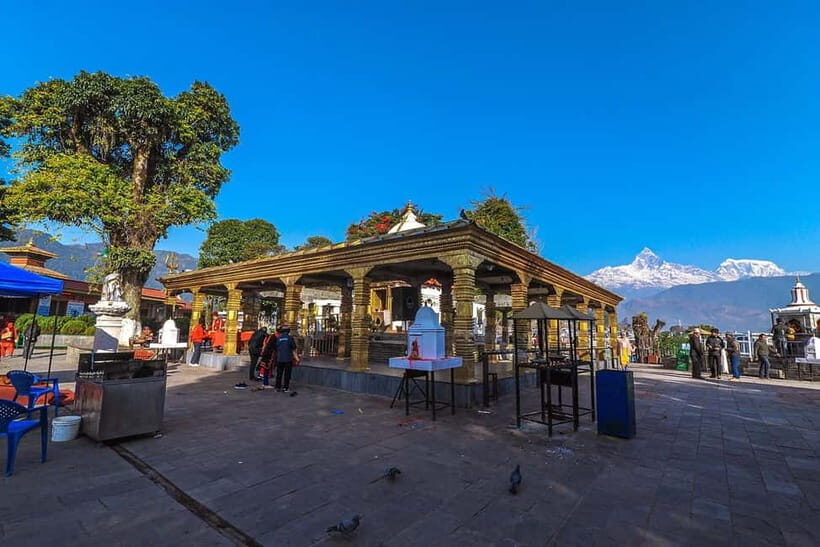
After the gorge, you head to Bindabasini Temple in the heart of Pokhara for about 45 minutes. This stop is longer than many viewpoints, which signals that the temple is meant to be more than a quick photo.
You’ll have time to explore and learn about its significance. The temple setting also helps round out the day: you’ve seen caves with Shiva symbolism, now you get a Hindu temple space in town. It ties the spirituality theme together without feeling repetitive.
What you should watch for: this is an active religious area. Dress respectfully, keep your voice down, and follow the guide’s cues. The guide’s job is partly to help you navigate what’s appropriate, especially when you don’t speak the local language fluently.
Fewa Lake Finish: A Calmer Ending
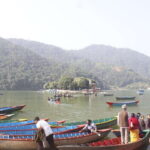
The tour wraps up with a visit to Fewa Lake. That last stop matters because it gives you a visual transition—from caves and temple walls to open water and the lake’s breathing room.
Even if you’ve been photographing all day, you’ll usually feel it here. Fewa Lake is the perfect spot to cool down, review your photos, and maybe decide what you want to return to later on your own.
If your schedule allows, consider using this as a springboard. Many people come to Pokhara and later return to the places that stood out most during their one-day route.
Price and Value: What $10 Really Buys You
Let’s talk money, because this tour is all about value.
You pay $10 per person, and the included pieces are meaningful:
- Hotel pickup within the Lakeside area
- Transport by sharing basic mini-bus
- A local guide (not a professional guide)
The tradeoff is that entrance fees are not included. The tour notes an approximate NPR 1000 per person, and also says extra fees apply for certain attractions. Meals aren’t included either.
So the smart budgeting move is simple: treat the $10 as the transport and guidance cost, then plan a separate amount for entrances and your own food. That way you won’t end up surprised when you get to ticket counters.
For the sights on the route—World Peace Pagoda, two cave clusters, Davis Falls, Seti Gorge, and Bindabasini Temple—this pricing is hard to beat if you’re short on time and comfortable with a busy schedule.
The Guide Team and Timing: Where This Tour Wins
A major reason this tour earns such high marks is how the day runs as a coordinated whole. One feedback theme is that the itinerary is handled very well, with time management that doesn’t feel chaotic.
You’ll also have a live tour guide who can work in Nepali, Hindi, and English. That’s especially helpful when you want more than a list of stops. It’s also why the experience feels smoother for mixed-language groups.
In the feedback, the tour director Raj is specifically credited with organizing the tour and offering full support before, during, and after. That kind of operational backing often shows up as fewer delays and better transitions between sites—exactly what you want on a one-day schedule.
Who This Tour Is Best For (and Who Should Skip It)
This tour fits best if you:
- Have limited time in Pokhara and want the major sights in one day
- Prefer a planned route over map-and-transit stress
- Like active sightseeing with short visits that still feel like you covered a lot
It’s not ideal if you have:
- Back problems or heart problems
- Wheelchair users
Caves, uneven ground, and the simple fact that you’ll be moving repeatedly by bus and on foot are the big reasons. If you need a more relaxed pace, you’ll probably want a different style of tour.
What to Bring (So the Day Feels Easier)
The essentials are all practical and spot-on:
- Comfortable shoes for walking and cave areas
- Sunglasses and sun hat
- Camera (personal use)
- Sunscreen
- Water
Also, dress for real conditions. You’ll be outside at the pagoda and viewpoints, and then inside caves where temperatures can feel different. Comfortable clothes help you stay flexible through the day.
Should You Book This Pokhara Bus Tour?
Book it if you want a low-cost way to see Pokhara’s highlights in one day and you’re okay with a packed schedule. At $10, you’re buying convenience: pickup from Lakeside, shared transport, and a guide who can explain what you’re seeing in multiple languages.
Skip it or choose another option if you want lots of quiet time, very clean vehicles, or a slow pace. This isn’t a luxury experience, and the day is designed for coverage, not lounging.
My take: if you’re in Pokhara briefly, this is a smart way to get the main sights without spending extra time piecing together routes. You’ll leave tired, a little muddy from the cave areas (if you’re unlucky with surfaces), and with plenty to remember—especially the mix of pagoda views, cave formations, and Davis Falls.
FAQ
How long is the Pokhara sightseeing bus tour?
It’s a 1-day tour.
Where does the pickup happen?
Pickup is included from any hotel within the Lakeside area of Pokhara, using a name card.
What are the main sights included?
The tour includes World Peace Pagoda, Gupteshwor Cave (Gupteshwor Mahadev Cave), Davis Falls, Mahendra Cave, Bat Cave, Seti River Gorge, Bindabasini Temple, and it finishes with Fewa Lake.
Are entrance fees included in the price?
No. Entrance fees are not included and are listed as approximately NPR 1000 per person, with extra fees possibly applying for some attractions.
What type of transportation is used?
You travel by sharing basic mini-bus, with guided help from a local guide.
What languages does the guide speak?
The live tour guide supports Nepali, Hindi, and English.
What should I bring for the tour?
Bring comfortable shoes, sunglasses, sun hat, camera, sunscreen, and water, plus comfortable clothes.
Is the tour suitable for wheelchair users?
No. It’s not suitable for wheelchair users, and it’s also not suitable for people with back problems or heart problems.
Are meals provided or can I eat on the bus?
Meals are not included, and food and drinks are not allowed on the bus.