REVIEW · POKHARA
Explore Entire Pokhara City
Book on Viator →Operated by Fewa Trail Treks and Expedition Pvt Ltd · Bookable on Viator
Pokhara in one well-paced city loop. This tour strings together Sarangkot sunrise viewpoints, classic stops like Devi’s Fall, and a museum that helps you understand the Himalaya beyond postcard photos. The big trade-off is time: it’s a full route with short stops, so you’ll need to like moving at a steady clip.
I particularly like how the tour mixes big viewpoints with a couple of calmer, nature-focused moments like Begnas Lake and the World Peace Pagoda top views. I also like that you get an English-speaking guide and a private car round trip from Lakeside, so you’re not negotiating transport all day. If you want long hangs at each place, this might feel a bit brisk.
In This Review
- Key highlights at a glance
- Why this Pokhara route works in 6–7 hours
- Price and what you truly get for $70
- Getting started with Lakeside pickup and an English-speaking guide
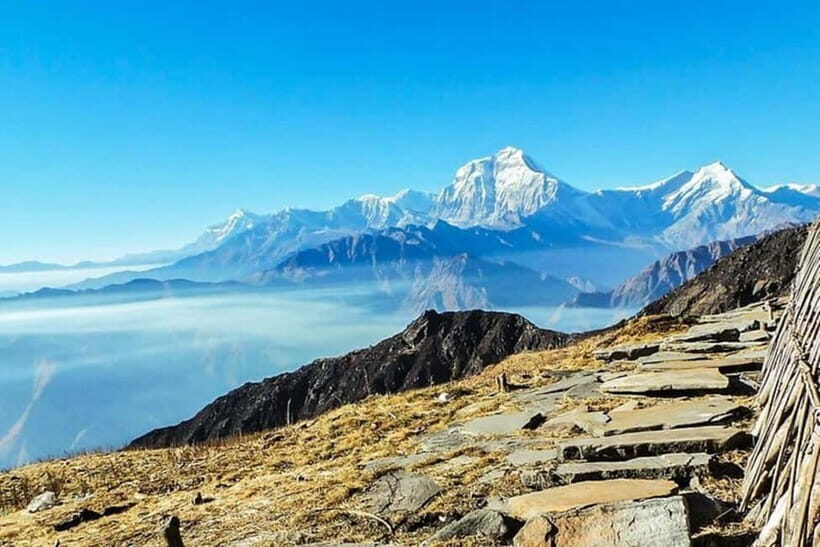
- Stop 1: Sarangkot sunrise viewpoints and the Annapurna-range payoff
- Stop 2: Begnas Lake for a calmer hour of nature time
- Stop 3: International Mountain Museum for context, not just sightseeing
- Stop 4: Devi’s Fall in a quick 20 minutes
- Stop 5: Gupteshwor Mahadev Cave for a dramatic natural stop
- Stop 6: World Peace Pagoda and the free-top views
- Where the guide experience really shows
- Transportation, timing, and how to plan your day around it
- What entrance fees could mean for your budget
- Who this tour is best for
- Should you book this Pokhara city tour?
- FAQ
- How long is the Pokhara city exploration tour?
- What is included in the $70 per person price?
- Are entrance fees included?
- Is pickup available, and where does it start?
- Is this a private tour or a shared group tour?
- Can I cancel and get a full refund?
- Is the tour suitable for most travelers?
Key highlights at a glance
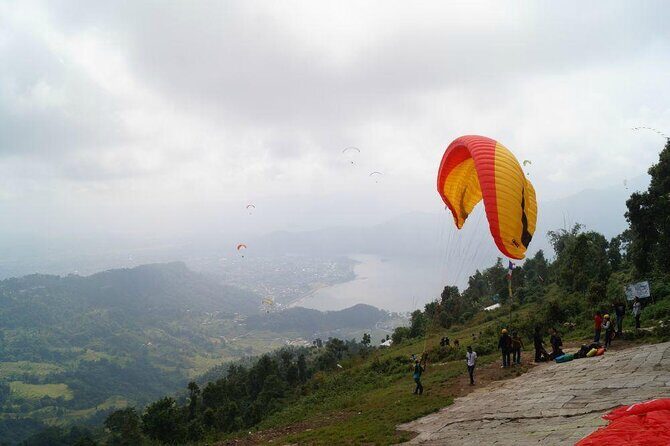
- Sarangkot sunrise: early start for a strong view over the Mt. Annapurna range.
- Begnas Lake stop: a full hour on a natural lake setting.
- International Mountain Museum: a focused, hour-long museum stop for context on mountaineering and the Himalaya.
- Devi’s Fall and Gupteshwor Cave: two popular natural wonders in compact time windows.
- World Peace Pagoda: free admission with both mountain and lake views from the top.
Why this Pokhara route works in 6–7 hours
Pokhara can be a little chaotic if you try to DIY it. Roads, local drivers, deciding what to skip, and the constant question of how to get from point A to point B without burning the whole day—this tour solves that for you.
In about 6 to 7 hours, you cover a wide slice of the city: Sarangkot, Begnas Lake, the International Mountain Museum, Devi’s Fall, Gupteshwor Mahadev Cave, and the World Peace Pagoda. You’re not doing just one theme (views only, or caves only). You’re getting a mix of viewpoint energy, nature, and a bit of learning.
The private-car format also matters. Instead of squeeze-ride hopping between different vehicles, you get round-trip transfer in a private car and a guide who keeps the flow logical. It makes the day feel like a plan, not a scramble.
You can also read our reviews of more city tours in Pokhara
Price and what you truly get for $70
At $70 per person, this isn’t a cheap “hop on a bus and pray” situation. You’re paying for structure: hotel pickup/drop-off within Lakeside, an English-speaking guide, and round-trip transfer by private car. That’s a lot of value in a place where transport decisions can get expensive fast if you do it one-off.
Also, it’s a private trip—your group participates, not a random mix of strangers. That tends to make the day less stressful. Your guide can set the pace, and you’re not stuck listening to everyone’s competing must-sees.
One small point to keep in mind: the tour price doesn’t cover entrance fees and personal expenses. Some stops are listed as free, but others aren’t. So budget for a few extra charges on the spots where admission isn’t included.
Timing note: this is also one of those tours people book early. The average booking window is around 75 days in advance, so if you’re traveling in peak season, don’t wait until the last minute.
Getting started with Lakeside pickup and an English-speaking guide
Your day begins with hotel pickup and drop-off within the Lakeside area of Pokhara. That single detail makes a huge difference. You’re not spending your morning hunting for a starting point or paying extra just to get moving.
You’ll also have an English-speaking tour guide, and the way the guide explains things is a real part of the experience. From what I’ve seen in guide feedback, guides like Viru and Bisham are praised for explaining at a comfortable pace and making the day feel easy to follow. If you like learning without information overload, that’s a good sign.
The tour is set up like a true guided experience, not just transportation. The guide is there to connect the dots between what you see—like how mountaineering history and Himalayan culture relate to what you’re looking at later around the city.
Stop 1: Sarangkot sunrise viewpoints and the Annapurna-range payoff
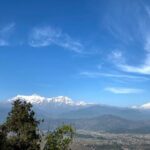
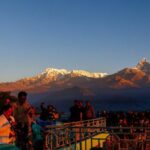
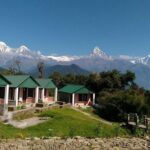
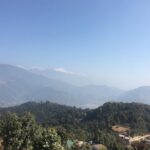
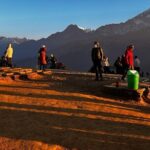
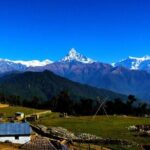
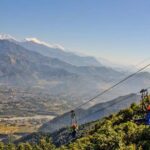
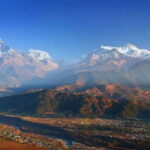
Sarangkot is the emotional opener of the day. You’ll head out early for sunrise to view the Mt. Annapurna range from the Sarangkot viewpoint area. It’s listed as about 1 hour, and early timing is the whole point.
Why it’s worth it: Pokhara’s most memorable images often come from sunrise light and that specific geometry of looking toward the Annapurnas. Even if you’re not a hardcore sunrise person, the early push can pay off visually, and it sets the tone for the rest of the tour.
What to consider: sunrise planning means you’re starting the day earlier than a relaxed vacation schedule. If you’re the kind of traveler who likes to roll out slowly, this is where you feel it most.
Stop 2: Begnas Lake for a calmer hour of nature time
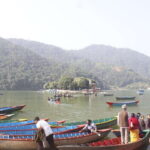
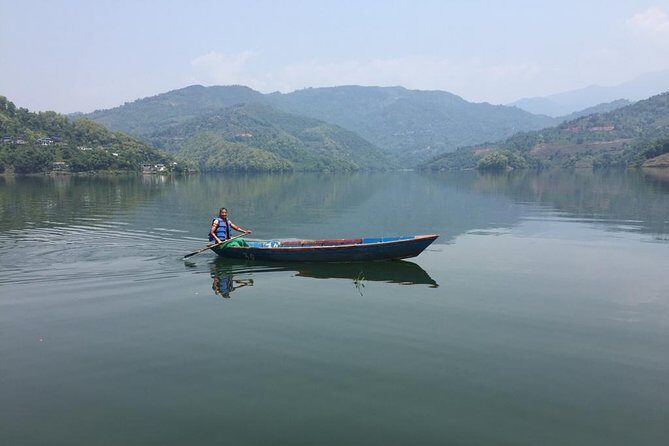
After the intensity of a sunrise viewpoint, Begnas Lake offers a reset. You get around 1 hour here, and admission is listed as free.
This stop gives you something the rest of the route doesn’t: a natural lake setting that feels more open and quiet than the other “must-see” spots. It’s a good time to look at the water and surrounding views without the rush of short attractions.
And because the tour keeps your time realistic—about an hour—you’re unlikely to feel trapped there. It’s enough time to enjoy the lake and still move on without losing the day’s momentum.


Stop 3: International Mountain Museum for context, not just sightseeing
The International Mountain Museum is a smart mid-day choice because it changes the kind of attention you’re paying. Instead of only searching for the next view, you’re taking time for learning.
You’ll spend about 1 hour at the museum, and the tour notes that tickets aren’t included. The value here is understanding the Himalaya beyond what you see from a single viewpoint. It’s also a nice break from the outdoor heat or crowds you can run into around major attractions.
If you’re the type of traveler who likes your landscapes with a little background, this stop adds depth. If you don’t care about museums, you can still treat it as a compact cultural and mountaineering primer—just plan to keep your pace steady since it’s only about an hour.
Stop 4: Devi’s Fall in a quick 20 minutes
Devi’s Fall is one of those famous Pokhara stops that can be hard to capture in your head until you’re there. The tour keeps it short—about 20 minutes—and tickets aren’t included.
Why I think the short timing works: it’s popular, so you get a concentrated experience without letting it eat your whole schedule. That matters because this tour is built as a full circuit. If Devi’s Fall were longer, you’d risk feeling rushed everywhere else.
What to watch for: because it’s only 20 minutes, your best chance to enjoy it is to stay focused on the experience itself, not on trying to linger for photos forever. If you’re very photo-driven, you might feel the time limit. If you’re curious and want to see it properly, the timing can feel just right.
Stop 5: Gupteshwor Mahadev Cave for a dramatic natural stop
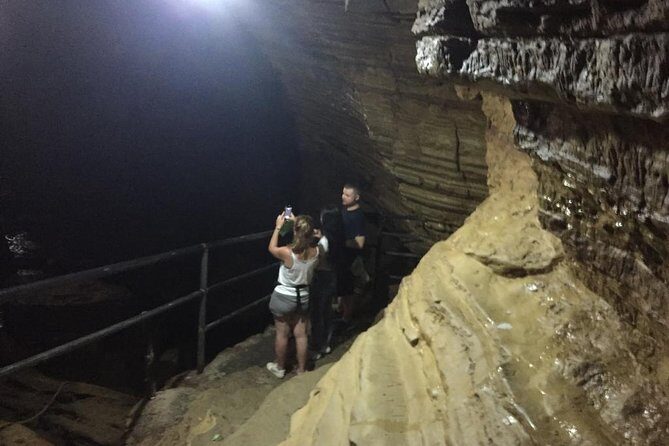
Next comes Gupteshwor Mahadev Cave, another big Pokhara name. You’ll have about 40 minutes here, which is notably longer than Devi’s Fall and gives you a better chance to actually take it in.
The tour describes it as an amazing natural cave. That tracks with why caves are usually memorable: they change scale, sound, and lighting compared to the bright outdoors you’ve been enjoying earlier.
Practical consideration: caves can be a physically different environment than lake viewpoints. You’ll want to move at your own pace and stay aware of footing and crowds where applicable. The good news is that the stop is long enough—40 minutes—to avoid feeling like you’re sprinting through the whole thing.
Stop 6: World Peace Pagoda and the free-top views
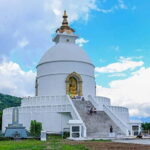
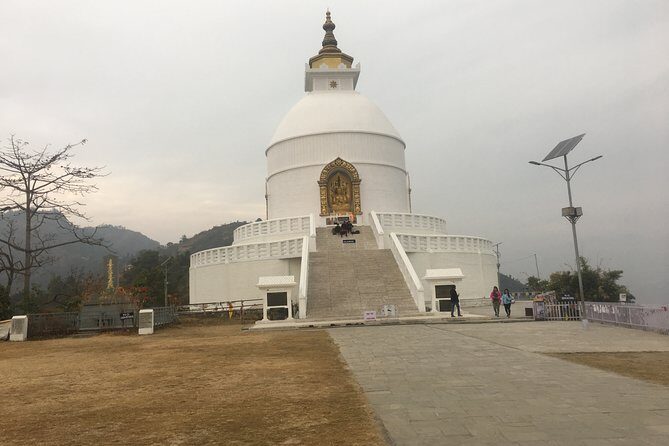
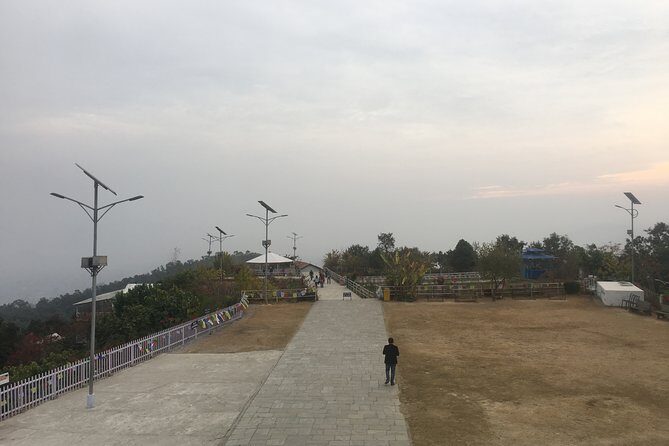
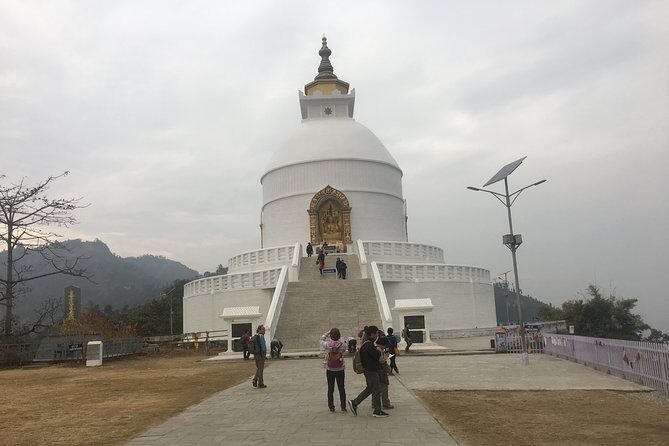
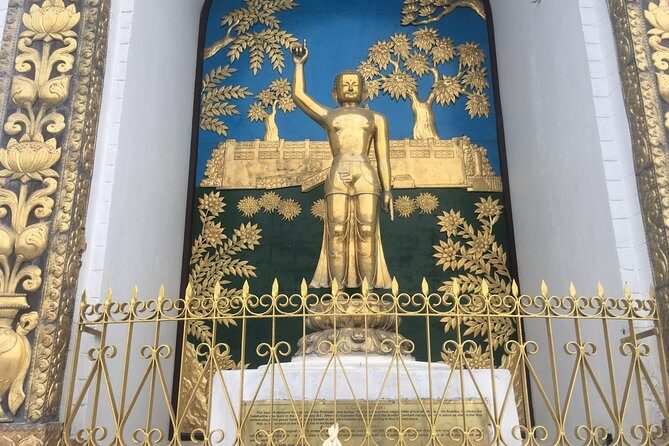
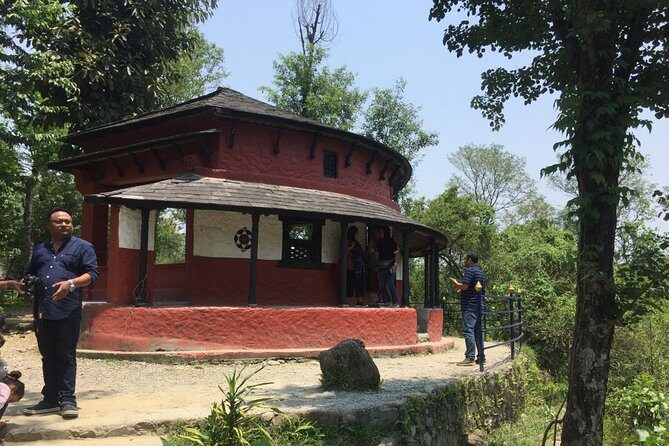
End the day at the World Peace Pagoda (also called World Peace Stupa). This is one of the tour’s strongest finishers.
You’ll get about 1 hour, and admission is listed as free. The view from the top is the headline: the tour notes you can see lake views as well as mountain views from here. It’s the kind of final stop that turns your earlier views into something more complete—you’re seeing Pokhara’s bigger picture after you’ve already sampled its key pieces.
Why this ending works: after caves and falls, a viewpoint with a calm pace feels like a natural cooldown. It’s also a great time to slow down and reflect on the day’s mix of nature, culture, and learning.
Where the guide experience really shows
This isn’t a “drive-by” tour. You’re with an English-speaking guide for the day, and that shapes how enjoyable it feels.
Based on guide feedback tied to names like Viru and Bisham, a common praise is how they explain things clearly and at a slow, comfortable pace. That matters more than people think. In a day with multiple stops—sunrise, lake, museum, cave, pagoda—your brain needs signposts. Good guidance is those signposts.
You also benefit from the private-car setup. Since you’re only traveling with your group, you’re less likely to get pulled into delays caused by other participants. If someone in your group wants a little extra time at a stop, the schedule can feel easier to manage because the day isn’t shared across different agendas.
Transportation, timing, and how to plan your day around it
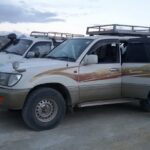
This is a round-trip private car tour with pickup and drop-off from Lakeside. That means the tour is logistically simple: you start near where most visitors stay, and you end back near the same area.
The timing is also fairly efficient:
- Sunrise at Sarangkot sets an early tempo.
- Begnas Lake gives you a full 1 hour break.
- The museum adds learning time at about 1 hour.
- Devi’s Fall is quick at 20 minutes.
- Gupteshwor Mahadev Cave gives 40 minutes.
- World Peace Pagoda closes with about 1 hour.
That mix is practical. You’re not stuck spending all day at one attraction. But it does mean you won’t have hours and hours of free wandering time built in.
If you want a day that feels structured—where you see the big Pokhara highlights and learn a little along the way—this schedule fits. If you want a slower pace with optional detours and long breaks, you might prefer a more flexible plan.
What entrance fees could mean for your budget
The tour does not include entrance fees or personal expenses overall. At the same time, some stops are labeled as free in the itinerary details:
- Begnas Lake is listed as free.
- World Peace Pagoda is listed as free.
Other stops are listed as not included for admission tickets, including Sarangkot, the International Mountain Museum, Devi’s Fall, and Gupteshwor Mahadev Cave.
So, your final spend can vary slightly based on how local admission rules apply on the day. The best way to handle this is simple: assume you’ll pay small amounts at the non-free stops, and keep some extra cash or card readiness just in case.
Who this tour is best for
I’d point this tour at travelers who want to maximize a single day in Pokhara without turning it into a logistics problem.
You’ll likely love it if you:
- Want big views plus nature and a museum stop in one outing
- Prefer a guide who can explain things in English
- Like having pickup and transport handled so you can focus on seeing
- Appreciate a private setup for your group rather than a mixed crowd experience
You might skip or choose something else if:
- You hate early mornings and a sunrise timing push
- You want long lingering hours at each stop
- You plan to build in lots of extra stops beyond the route
Should you book this Pokhara city tour?
If your goal is to see a large portion of Pokhara’s core highlights in one efficient day, this is a strong match. The combination of Sarangkot sunrise, Begnas Lake, the mountain museum, Devi’s Fall, Gupteshwor Mahadev Cave, and the World Peace Pagoda gives you variety without leaving you stranded on transport decisions.
I also like the practical value of the setup: hotel pickup within Lakeside, private car round trip, and an English-speaking guide. Add in the consistent guide praise for clear, unhurried explanations (and the names Viru and Bisham showing up in feedback), and it feels like a tour designed to help you actually enjoy the day, not just check boxes.
The call is simple: book it if you want a structured highlights loop. Skip it or adjust expectations if you want a super slow day with lots of unscheduled time.
FAQ
How long is the Pokhara city exploration tour?
It lasts about 6 to 7 hours.
What is included in the $70 per person price?
Hotel pickup and drop-off within the Lakeside area, an English-speaking tour guide, round trip transfer by private car, and a private trip for your group.
Are entrance fees included?
Entrance fees are not included. Some stops are listed as free, but others are marked as admission ticket not included.
Is pickup available, and where does it start?
Pickup is offered, but it’s within the Lakeside area of Pokhara.
Is this a private tour or a shared group tour?
It’s a private tour/activity. Only your group will participate.
Can I cancel and get a full refund?
Yes. It offers free cancellation up to 24 hours in advance for a full refund.
Is the tour suitable for most travelers?
Most travelers can participate.