REVIEW · POKHARA
2 Night 3 Day Chitwan Jungle Safari Tour from Pokhara
Book on Viator →Operated by Pokhara Adventure Nepal (PAN) · Bookable on Viator
Wildlife on your schedule feels wild.
This 2-night Chitwan safari is built for real wildlife time, with a Jeep Safari and an English-speaking nature guide that helps you spot what you’d otherwise miss. I also like the practical mix: you get a comfortable base in Sauraha plus cultural time with the local Tharu community, not just game drives.
What also works for me is the pacing and comfort match. The drive from Pokhara takes about 6–7 hours, then you settle into a 2-star hotel in Sauraha with meals that make the long day feel manageable (breakfast, lunch, dinner are included). You’re not stuck hunting for food after a big safari day.
One possible drawback: this is a packed, early-to-late style tour. If you’re expecting a slow, lazy vacation, the 8-hour safari day and travel time in and out of Chitwan may feel like you’re constantly moving—even though the transport and hotel are included.
In This Review
- Key highlights I’d plan around
- From Pokhara to Sauraha: the drive day that sets expectations
- Your Sauraha hotel: what included meals and a good bed change
- Chitwan National Park by Jeep: the big day and how to make it count
- Tharu community culture: why the dance part isn’t just a stop
- Day 3 return to Pokhara (or Kathmandu): transportation with less hassle
- Price and value: what $240 buys you in real life
- Who should book this Chitwan safari (and who might not)
- Should you book this Chitwan jungle safari from Pokhara?
- FAQ
- How long is the Chitwan Jungle Safari tour from Pokhara?
- Where do I start, and is pickup included?
- How long is the drive from Pokhara to Chitwan?
- What does the safari day include?
- Is the national park entrance fee included?
- Where will I stay during the tour?
- What meals are included?
- Do I travel back to Pokhara by bus?
- How many people are in the group?
- Is cancellation free?
Key highlights I’d plan around
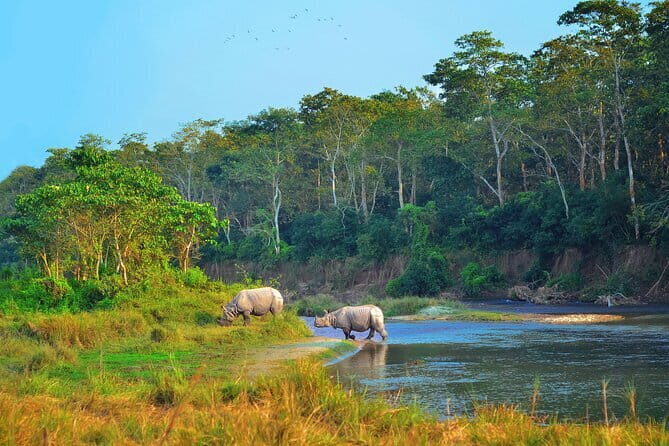
- Jeep Safari in Chitwan National Park: built for up-close wildlife viewing with an English-speaking nature guide
- Small group size (max 8): easier to hear instructions and keep logistics smooth
- Sauraha base for 2 nights: you sleep in town with included meals to recharge between activities
- Tharu culture time: dances and local interaction add meaning beyond wildlife spotting
- National park entrance fees included: fewer add-on costs once you arrive
From Pokhara to Sauraha: the drive day that sets expectations
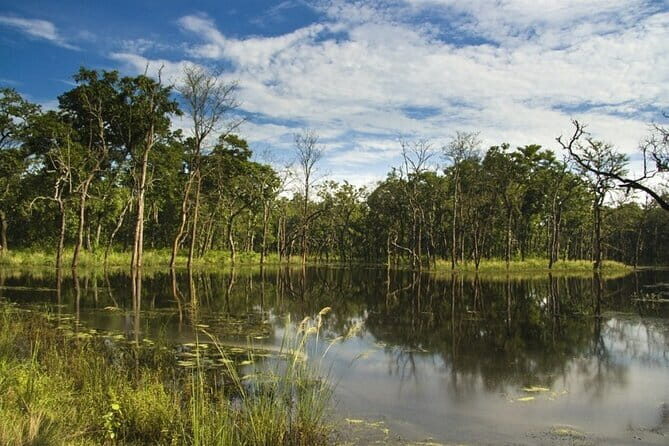
Day 1 starts with pickup in Pokhara, then a long but scenic transfer toward Chitwan. You’re looking at roughly 6–7 hours on the road, as the route shifts from hill country into the lowlands. That drive matters more than it sounds: it’s when your day becomes real. You’re transitioning from city rhythm into jungle rhythm, and it helps you mentally gear up for the next day’s Jeep Safari.
When I plan a safari, I always think about timing. A trip like this is designed so you don’t waste your limited vacation days. You’re not arriving at Chitwan late at night and doing nothing. Instead, you reach Sauraha in time to check in, eat, and get your bearings.
The tour also includes admission ticket coverage for the Day 1 entry point on the schedule you follow. That’s one less thing to manage when you’re tired from travel. If you’re the type who likes to keep paperwork low, this kind of inclusion is a win.
One thing to keep in mind: you’ll be in transit for a big chunk of the day. Bring your essentials for the car ride—water, something to keep you comfortable, and anything you need for long hours. Even with good transport, day-one travel is part of the bargain.
You can also read our reviews of more evening experiences in Pokhara

Your Sauraha hotel: what included meals and a good bed change
You stay in a 2-star hotel in Sauraha for 2 nights, and the important detail here is what comes with it: breakfast (2), lunch (2), and dinner (2). After a safari day, food and recovery time aren’t optional. Having meals handled means you can focus on the experience, not on finding a restaurant in a place you’re barely learning.
This matters even more because safari days can be long and physically draining. The tour gives you a place to reset between wildlife outings. Several trip comments strongly point to the comfort angle—people felt the hotel service worked well and the meals were good, which makes sense when meals are part of the package rather than you improvising after the day.
In practical terms, you should expect a clean, basic hotel setup rather than luxury. But for a safari focused trip, the value is that you get a dependable base. You don’t want to spend your evenings worrying about where you’ll eat or whether the next day’s plan will fall apart.
If you’re traveling as a couple, a small group of friends, or a family, this hotel arrangement can be a comfort anchor. One of the best things a multi-day tour can offer is predictable downtime—especially on a place like Chitwan where the day ahead is the main event.
Chitwan National Park by Jeep: the big day and how to make it count
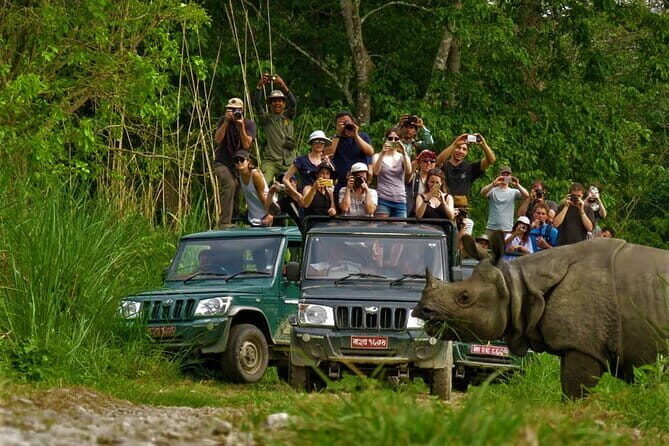
Day 2 is the center of gravity: an 8-hour Jeep Safari inside Chitwan National Park. This is where the tour earns its value. Chitwan is known for wildlife, but the real win is that you’re not going in blind. You’ll travel with an English-speaking nature guide, which means you’re learning while you’re driving, not just staring out a window hoping something appears.
A Jeep safari also changes the game versus walking or passive viewing. Even without getting into technical rules, you’re moving through different areas and terrain during prime spotting time. That’s the difference between seeing only what happens to be visible and understanding what you’re looking at when animals show up.
What I’d focus on mentally:
- Be ready for long sitting time in the vehicle.
- Expect the guide to steer your attention—watching patterns, not only random sightings.
- Plan for the possibility that the day can feel quiet before it turns exciting.
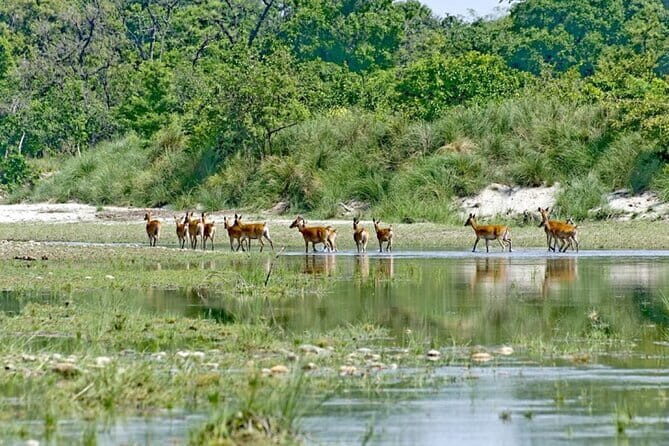
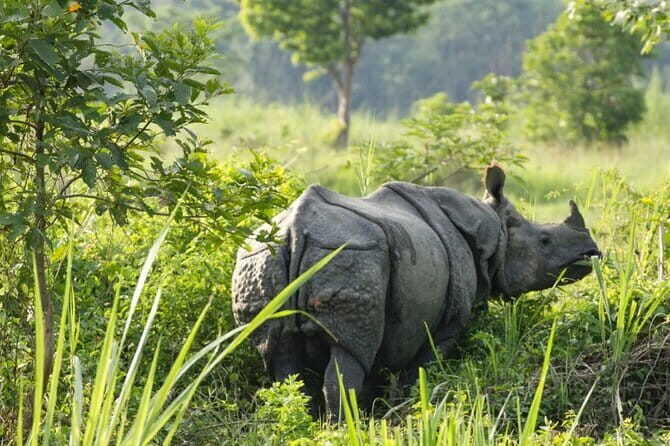
And when excitement hits, the guide’s role gets obvious. Multiple people highlight seeing a tiger for the first time in the jungle, and that’s exactly the kind of moment a good guide helps you experience in a meaningful way. Even if you don’t see the largest species, a guided safari improves what you notice: animal tracks, movement, and why certain areas might be more active.
Also, the tour includes national park entrance fees, so you aren’t scrambling for tickets that day. That’s another small but real stress reducer. On a safari day, you want your attention on the park, not on logistics.
If you’re a first-timer, this is also the kind of day that can recalibrate your expectations. It’s not a theme-park animal show. It’s nature, which means timing and luck play a role. Still, the structure—a full day in the park with a guide—is the most practical way to maximize your odds without making your schedule impossible.
Tharu community culture: why the dance part isn’t just a stop
Between wildlife hours, you get cultural time with the local Tharu community and traditional dances. In many tours, the cultural component feels tacked on. Here, it’s described as part of the experience that adds depth beyond wildlife viewing.
And I think that’s fair. Chitwan isn’t only about animals. It’s also about the people living around and alongside that ecosystem. When you see local dance and interact in a respectful way, the destination becomes more human. It turns your trip from a checklist into a story you can tell later.
You’ll want to treat this part like a living community activity, not a performance you consume quickly. Keep your attention open. Ask questions only if the guide’s timing makes sense. If there’s an opportunity to learn a bit about traditions, that’s where you can get the most value.
Also, because the tour is small (up to 8 travelers), cultural time tends to feel less chaotic. You’re more likely to actually understand what’s going on and not feel like you’re part of a large crowd moving past the same moment.
If you’re traveling with kids, culture hours can be a welcome break from sitting on safari vehicles. And if you’re traveling as a couple or with friends, it’s a nice way to slow down and talk about what you’re seeing in the park.
Day 3 return to Pokhara (or Kathmandu): transportation with less hassle
Day 3 is all about getting home without turning it into an extra planning project. After breakfast, the tour takes you to the bus station and then sets you up on a tourist bus scenic drive back to Pokhara or Kathmandu. The wording matters: it’s described as scenic, and that’s usually how people remember the final leg—less stressful than squeezing in extra stops or switching transport mid-day.
The package includes round trip transfer by tourist bus, which is one of those “silent value” inclusions. You don’t have to negotiate a ride at the last minute, and you avoid the common travel trap of losing time right when you want to recharge.
Also, the tour ends after this return segment. That’s important because it keeps your schedule cleaner. You’re not guessing how much time you’ll have before checking into a final hotel, meeting someone, or catching your next connection.
My practical advice: keep your next-day plans flexible. Even with organized transport, travel can have timing swings. But because everything important is arranged inside the tour, you’re starting your return from a settled base rather than from an empty question mark.
A few more Pokhara tours and experiences worth a look



Price and value: what $240 buys you in real life
At $240 per person for a 3-day / 2-night package, you’re paying for a set of things that are often expensive or annoying when done separately: transfer structure, guided safari, hotel base, and included meals.
Here’s the value logic I’d use when deciding:
- Safari day cost control: you get the Jeep Safari, English-speaking nature guide, and national park entrance fees bundled.
- Hotel + meals: staying in Sauraha with breakfast, lunch, and dinner included can remove a lot of daily friction.
- Transport coverage: pickup in Pokhara and the round-trip tourist bus reduces the need to coordinate multiple vendors.
For many budgets, the question isn’t only “is it cheap?” It’s “does it save me time and stress enough to be worth it?” In this case, the structure is built to do exactly that. You spend your effort on watching animals and enjoying downtime, not on stitching together plans.
One more value point from the tone of the feedback: people repeatedly describe good service and comfortable arrangements, plus tasty food. That kind of outcome matters because safari trips live and die by comfort and trust. If the hotel and guide don’t deliver, the wildlife can’t fully compensate. Here, the package seems to focus on getting that right.
So yes, it’s a real cost—but it’s also a packaged solution. If you like turning your schedule into something straightforward, this price often makes sense.
Who should book this Chitwan safari (and who might not)
This tour fits best if you:
- Want a guided wildlife day instead of trying to figure out safari logistics on your own.
- Prefer a small group feel (max 8 travelers).
- Like having meals included, especially when you’re traveling from Pokhara.
- Want both wildlife and a cultural component with the Tharu community.
You might think twice if you:
- Need a low-key pace. The safari day and long transfer time can feel like a lot.
- Want a more luxury hotel experience. This is 2-star by design, and you should plan your expectations accordingly.
- Hate long vehicle time. The trip includes a big drive on Day 1 and an extended safari day on Day 2.
If you’re booking as a first-time visitor, you’ll probably like the clarity. Everything that matters is included: park entry, guide, hotel base, meals, and the return bus segment. That makes decision-making easier.
And if you’re traveling with family or friends, the small group size can help keep the vibe friendly and organized. That’s where the tour format feels like it’s working.
Should you book this Chitwan jungle safari from Pokhara?
I’d book it if you want a clear, well-structured safari trip that doesn’t force you to manage every detail. The biggest reasons: the Jeep Safari in Chitwan with an English-speaking nature guide, a dependable Sauraha hotel base, and included meals that keep the schedule realistic.
I’d hesitate only if you strongly prefer a slow travel pace or you’re expecting a luxury stay. This is a nature-first trip with comfort that’s meant to support the main event.
If you’re the kind of person who gets excited thinking about seeing major wildlife—maybe even spotting the kind of moment people remember forever, like seeing a tiger—this tour is built to give you a solid shot without turning your vacation into logistics work.
FAQ
How long is the Chitwan Jungle Safari tour from Pokhara?
It runs for about 3 days with 2 nights included.
Where do I start, and is pickup included?
You start in Pokhara, and hotel pickup and drop off are included.
How long is the drive from Pokhara to Chitwan?
The drive is about 6–7 hours.
What does the safari day include?
You get an 8-hour Jeep Safari in Chitwan National Park with an English-speaking nature guide.
Is the national park entrance fee included?
Yes, national park entrance fees are included.
Where will I stay during the tour?
You stay in a 2-star hotel in Sauraha for 2 nights.
What meals are included?
The tour includes 2 breakfasts, 2 lunches, and 2 dinners.
Do I travel back to Pokhara by bus?
Yes. Day 3 includes transfer to the bus station and a tourist bus scenic drive back to Pokhara or Kathmandu.
How many people are in the group?
The tour has a maximum group size of 8 travelers.
Is cancellation free?
Yes, free cancellation is available if you cancel up to 24 hours in advance for a full refund.