REVIEW · POKHARA
Full day Suspension Bridge, Boating, George, Sightseeing Tour
Book on Viator →Operated by AM Travels and Tours · Bookable on Viator
Sunrise in Pokhara is hard to beat. I love the Sarangkot morning views and the Phewa Lake paddle boating, but expect a packed schedule and early starts.
This is a private car tour with an English-speaking guide, including support from drivers/guide staff like Bal Gurung Dai on at least some departures. You get hotel pickup and drop-off, which matters in Pokhara where timing and traffic can turn a day into a headache.
You’re paying $230 per person for transport, guide time, and lake time; entrance fees and meals are extra. The upside is you’re not stuck figuring out routes on your own, and the variety keeps the day from feeling repetitive.
In This Review
- Key takeaways before you go
- Entering Pokhara: waterfalls, caves, temples, and a lake loop
- Devi’s Fall and Gupteshwor Cave: water tricks and sacred stone
- Bindhyabasini Temple, the mountain museum, and Phewa Lake boating
- Sarangkot sunrise plus World Peace Stupa: the big-view double feature
- Private-car comfort and timing: what you gain with a guided route
- Price and what you’ll likely pay for at the door
- Should you book this Pokhara private tour?
- FAQ
- Is pickup and drop-off included?
- How long is the Phewa Lake boating portion?
- Are entrance fees included?
- What meals are included?
- Is this tour private or shared?
- Do you get an English-speaking guide?
- What time of day do you visit Sarangkot?
- What is included in the World Peace Stupa visit?
- What is the cancellation window?
Key takeaways before you go
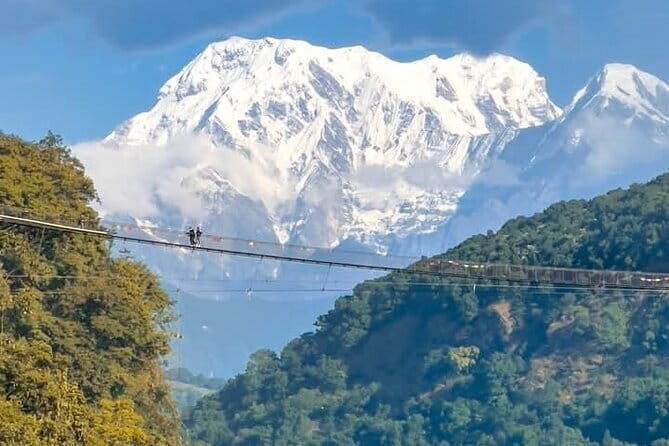
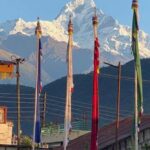
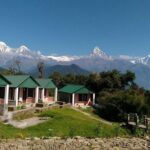
- Sarangkot at sunrise gives you the classic Annapurna and Dhaulagiri mountain views—plan for an early wake-up.
- Davis Falls + Gupteshwor Cave mix dramatic water with sacred Hindu space and impressive stalactites/stalagmites.
- Phewa Lake boating is included (one hour), and it’s one of the easiest, most relaxing parts of the whole plan.
- World Peace Stupa offers big viewpoints over Pokhara Valley and Phewa Lake, often timed for evening light.
- Private format means you move as a group and don’t waste time waiting on other tour groups.
- Good vehicle condition and friendly drivers show up repeatedly in the experience you’ll likely get with AM Travels and Tours.
Entering Pokhara: waterfalls, caves, temples, and a lake loop
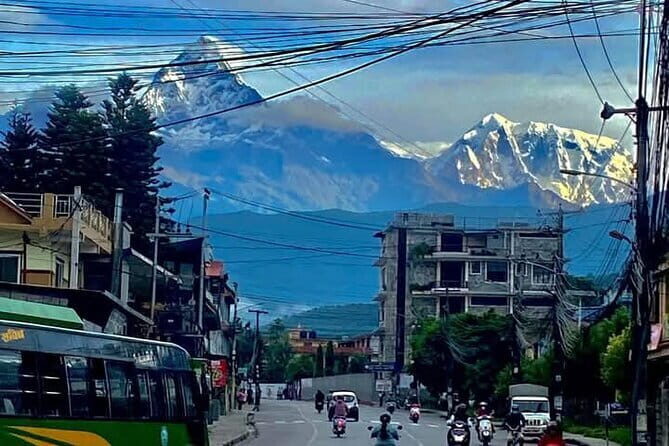
This tour feels less like a checklist and more like a full Pokhara sampler platter: water, stone, temples, museum learning, then wide-open mountain views. I like that the day doesn’t only focus on one kind of sight. You get a real sense of why Pokhara is so popular—nature is the star, but culture and context are included.
You’ll start with hotel or airport pickup (Pokhara International Airport, Tourist Bus Station, or any Pokhara hotel). Then you roll straight into Devi’s Fall (Davis Falls), with other nearby stops following close together, so you spend more time looking and less time stuck in transit.
One small consideration: it’s private, but it’s still a busy route. If you hate early mornings or you prefer slow travel, you’ll want to pace yourself and build in quiet time after the tours.
A few more Pokhara tours and experiences worth a look

Devi’s Fall and Gupteshwor Cave: water tricks and sacred stone
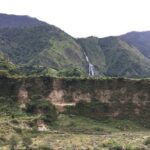
Devi’s Fall is dramatic in a very practical way: the waterfall pours into an underground cavern, so you’re not just looking at water from one angle. The sight hits best when you slow down and watch how the flow behaves around the rocks and openings. Expect about 2 hours, and bring patience—this is one of those places where the view keeps changing as you reposition.
Right after, you head to Gupteshwor Mahadev Cave, a sacred Hindu shrine with natural formations. The cave is known for stalactites and stalagmites, which can feel almost surreal when you’re standing in the same space as the shrine atmosphere. You’ll spend about 30 minutes here, which is enough to see the key parts without turning it into a long slog.
What I like about pairing these two stops back to back is the contrast. One is loud, wet, and dramatic. The other is still, religious, and quietly impressive. If you’re sensitive to crowds, go in with the mindset that it’s a popular area—and you’ll get through it faster by staying focused on the main viewpoints rather than wandering aimlessly.
Also, remember entrance fees are not included, so it helps to keep some cash or a card ready for sites where tickets are required.
Bindhyabasini Temple, the mountain museum, and Phewa Lake boating
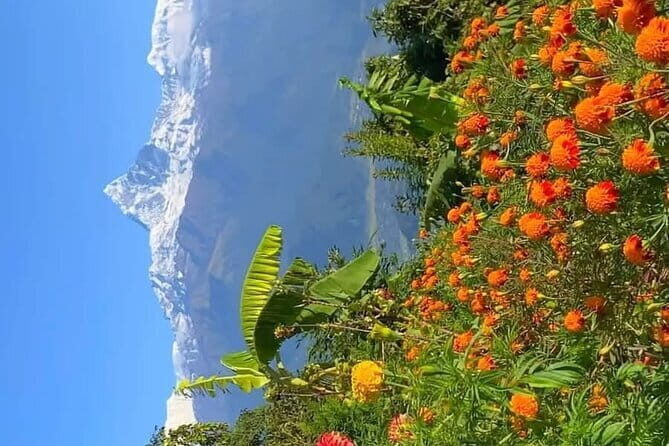
Pokhara isn’t only mountains. The stops around Bindhyabasini Temple remind you how important religion and local life are in this region. You’ll visit the Bindhyabasini Temple, dedicated to Goddess Durga, and it sits on a hill with panoramic views over the Pokhara valley and surrounding mountains. Plan for about 30 minutes—enough time to get the views and take in the vibe.
Then there’s a smart change of pace: the International Mountain Museum. This is where you get context for what you’re seeing across Nepal—mountaineering equipment, cultural artifacts, and information about the world’s highest peaks. Expect about 1 hour. If you’re the type who likes to understand the background, this stop pays off because it connects the dots between the physical geography outside and the human story behind it.
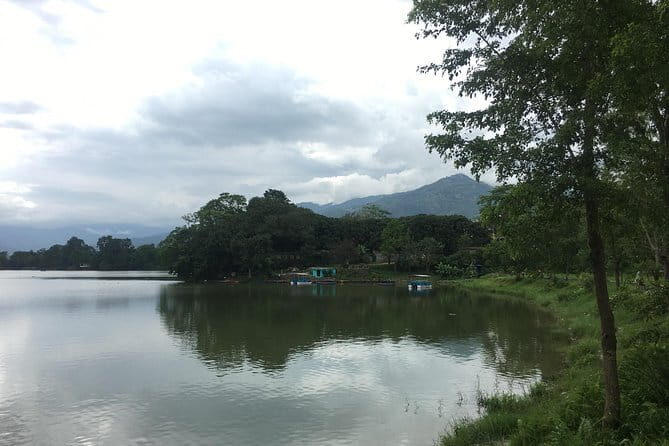
Finally, you get the easy win: Phewa Tal (Phewa Lake) with a one-hour paddle boating segment. The lake is calm, and on clearer days you’ll see the Annapurna range reflected in the water. I love this part because it breaks up the walking and viewpoint time with something simple and slow. It also feels like the natural “breather” before the more scenic sunrise and stupa moments later.
If you’re trying to pack light, this is where it helps to wear comfortable clothes you can move in. Even though boating sounds gentle, you’ll still want to be able to sit comfortably for the full hour.
Sarangkot sunrise plus World Peace Stupa: the big-view double feature
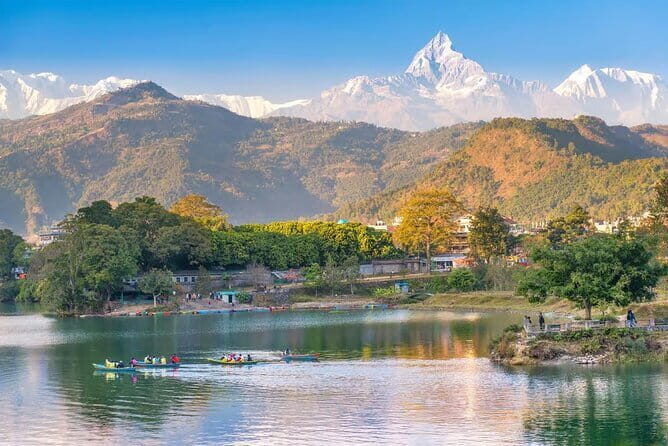
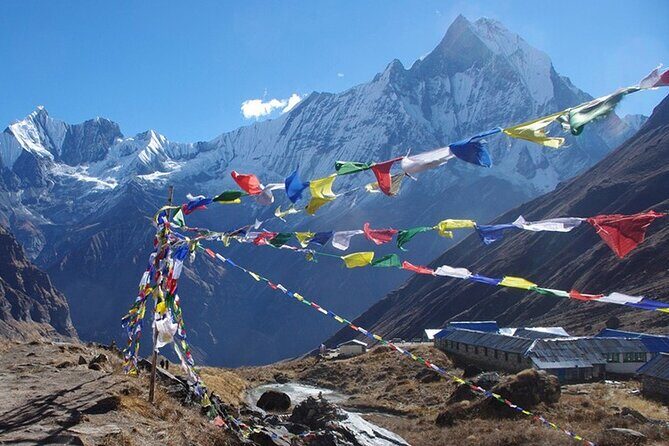
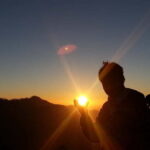
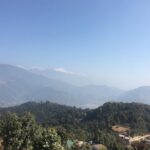
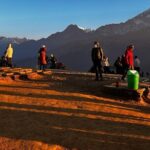
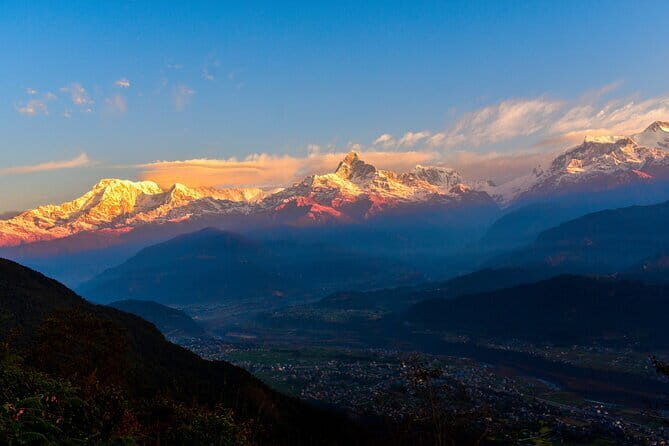
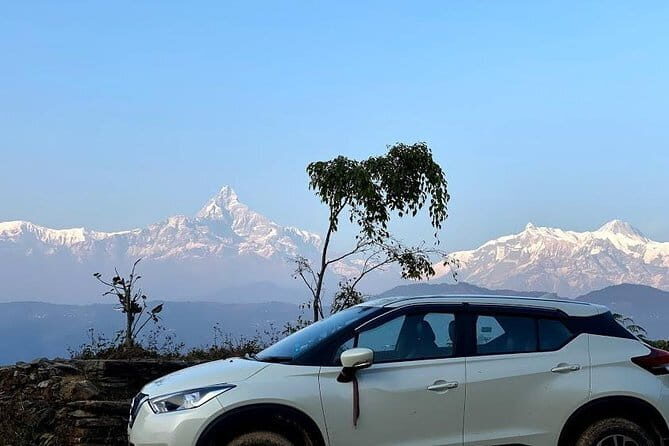
Sarangkot is the morning show. You head out early to catch sunrise over the Annapurna and Dhaulagiri mountain ranges, and the drive is part of the experience. You’ll have about 3 hours for the sunrise portion, which is a good amount of time because sunrise isn’t a single moment—it’s a sequence. Light comes in stages, clouds can shift, and the mountains look different as the sky warms.
This is also one of those moments where having a private car and an English-speaking guide helps. You’re not left guessing when to stand where or what you’re actually looking at. Guides can point out what’s happening visually as the light changes.
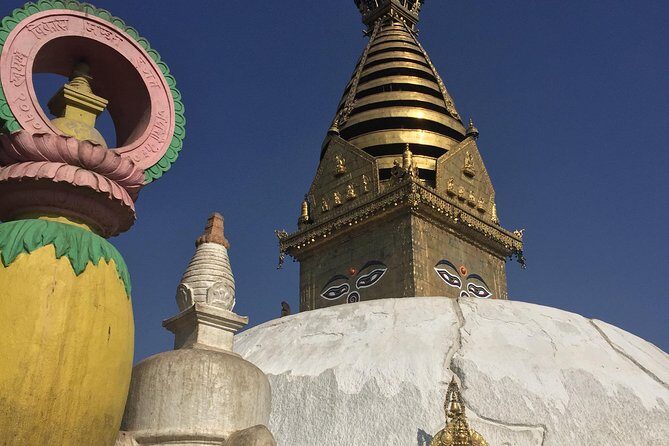
After the mountains, you switch to a more peaceful, spiritual viewpoint: World Peace Stupa. This Buddhist monument is dedicated to world peace, and the grounds are designed for lingering. You’ll spend about 2 hours, and you’ll get views over Pokhara Valley, Phewa Lake, and the surrounding peaks.
The tour summary frames this as a sunset moment, and that makes sense. In the evening, the stupa experience tends to feel calmer and more photogenic because the light softens and you can see the lake and valley around it. It’s a nice contrast to Sarangkot, which is more “race to the best light.”
One more thought: the experience title also references a suspension bridge and Seti Gorge area. Even if you don’t get details on timings for these in your final plan, it’s a solid sign that the day(s) are built around variety—lake views, mountain views, and dramatic Nepal terrain close up.
Private-car comfort and timing: what you gain with a guided route
Pokhara days can balloon quickly if you’re moving between scattered sights on your own. The biggest practical win here is the private-car structure. Your pickup is arranged from your exact starting point, and you’re not coordinating rides between multiple businesses.
You also get an English-speaking guide for the city tour and the sunrise/sunset pieces. That matters more than it sounds. When you’re short on time, the guide helps you spend it on what actually matters—main viewpoints, key exhibits, and the right moments to take photos without getting lost.
The tour is described as private, meaning only your group participates. In practice, that tends to make everyone’s day smoother: fewer stops dragged out by other schedules, and more flexibility to move at a pace that works for your group.
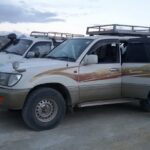
In the feedback I’ve seen tied to AM Travels and Tours, vehicle condition and friendly drivers come up more than once. That’s not a small detail in Nepal. A comfortable ride makes the early start feel more manageable, and it helps you stay fresh for the mountain and lake moments that are the whole point.
And on the last day, you’ll have a bit of open time around Lakeside (depending on your departure). If you want to stretch your legs, this is a good window to wander at your own pace before heading out.

Price and what you’ll likely pay for at the door
At $230 per person, this is not a bargain-basement tour. But for Pokhara, it does make sense because you’re paying for private transport across multiple big sights, plus English-speaking guide time for the key segments and a full one-hour boat ride.
What’s included:
- Hotel pickup and drop-off
- Private car for the city tour and the sunrise/sunset segments
- One hour paddle boating on Phewa Lake
- English-speaking guide for the city, sunrise, and stupa experiences
- Private trip for your group only
What’s not included:
- Entrance fees for attractions
- Meals
- Optional gratuity
So your “real” daily spend will depend on how many ticketed sites you hit and what you eat. That said, the included plan is packed with high-value stops: Devi’s Fall, Gupteshwor Cave, the International Mountain Museum, Bindhyabasini Temple, Sarangkot sunrise, World Peace Stupa, and Phewa Lake time.
If you’re the kind of traveler who hates negotiating transport or building an itinerary from scratch, this price often feels less steep. You’re paying to remove friction.
Should you book this Pokhara private tour?
I’d book it if you want a guided, private Pokhara experience that balances nature and culture, and you’re happy with an early wake-up for Sarangkot. The combination of Davis Falls, a cave shrine, museum context, temple viewpoints, one full lake boating slot, and the stupa sunset-style views gives you a lot in a short window.
I’d think twice if you want a slow, low-effort trip. This is a multi-stop route, and the schedule leaves limited time for lounging unless you intentionally build in downtime between segments.
If you do book, bring this attitude: plan to be flexible, dress for morning chill and changing light, and set your expectations around contrast. Loud water, quiet cave stone, museum learning, then sky-and-mountain drama—Pokhara is more interesting when you let it change gears.
Finally, if you’re worried about committing and later needing to adjust your dates, the policy listed is free cancellation up to 24 hours in advance.
FAQ
Is pickup and drop-off included?
Yes. The tour includes pickup and drop-off from Pokhara International Airport, the Tourist Bus Station, or your hotel in Pokhara.
How long is the Phewa Lake boating portion?
You get one hour of paddle boating on Phewa Lake.
Are entrance fees included?
No. Entrance fees are not included for the stops that require tickets.
What meals are included?
No meals are included. You can purchase meals separately during the day.
Is this tour private or shared?
It’s private. Only your group participates.
Do you get an English-speaking guide?
Yes. An English-speaking tour guide is included for the city tour and the sunrise and sunset tours.
What time of day do you visit Sarangkot?
You go on an early morning excursion for sunrise views over the Annapurna and Dhaulagiri ranges.
What is included in the World Peace Stupa visit?
You explore the stupa grounds and enjoy views over Pokhara Valley, Phewa Lake, and the surrounding mountains.
What is the cancellation window?
Free cancellation is offered up to 24 hours before the experience starts for a full refund.