REVIEW · POKHARA
Mardi Himal Newly Discovered Trekking from Pokhara Nepal
Book on Viator →Operated by Fewa Trail Treks and Expedition Pvt Ltd · Bookable on Viator
Mardi Himal is where Annapurna gets quiet. Starting with pickup from Pokhara Lakeside, this 7-day trek follows a newer route that helps you dodge the heaviest crowds while still scoring famous mountain views. I especially like the English-speaking professional guide focus on safety and day-by-day pacing, and I also like how the route builds altitude gradually before the big push to Mardi Himal Base Camp. The one drawback to keep in mind: you still climb to around 4,500m, so you’ll need moderate fitness and smart acclimatization.
The trip feels well structured, with teahouse-style nights and organized transfers that keep logistics simple. You’ll hike through rhododendron and oak forests, pass through local villages like Pothana and Siding Village, and end back in Pokhara with a clear finish line. If you’re expecting meals included or a zero-effort vacation, plan differently—meals and drinks are not included, and one day is a long roundtrip to base camp.
In This Review
- Key highlights to know before you go
- Why Mardi Himal feels like a smart alternative to Annapurna crowds
- Entering the trek: Pokhara to Kande and up to Deurali (Day 1)
- What I like about this opening day
- A consideration
- Deurali to Forest Camp via Pothana (Day 2)
- What you should expect on the trail
- Forest Camp to Low Camp with wider mountain views (Day 3)
- Why this day matters
- A practical tip
- Low Camp to High Camp: the steady climb that sets your rhythm (Day 4)
- What I’d watch for here
- The main event: High Camp to Mardi Himal Base Camp around 4,500m (Day 5)
- What makes Day 5 feel worth it
- A realistic drawback
- High Camp down to Siding Village and a cultural reset (Day 6)
- Siding Village to Lumle and back to Pokhara (Day 7)
- Price and logistics: what $370 buys you, and what it doesn’t
- What’s not included (so you’re not surprised)
- Is it good value?
- Guide quality can make or break Mardi Himal
- Why this matters for your money and your energy
- What to pack and how to pace on this route
- Practical packing priorities
- Pacing strategy that fits the itinerary
- Who this trek fits best (and who should think twice)
- Should you book Mardi Himal with Fewa Trail Treks and Expedition?
- FAQ
- How long is the Mardi Himal trek?
- Where does the trek start, and do I get pickup from Pokhara?
- What altitude do you reach on this trek?
- Is an English-speaking guide included?
- Are meals included in the price?
- Is this a private trek or a group tour with strangers?
- Where do you sleep each night?
- What transfers are included?
- What’s the cancellation policy for a full refund?
Key highlights to know before you go
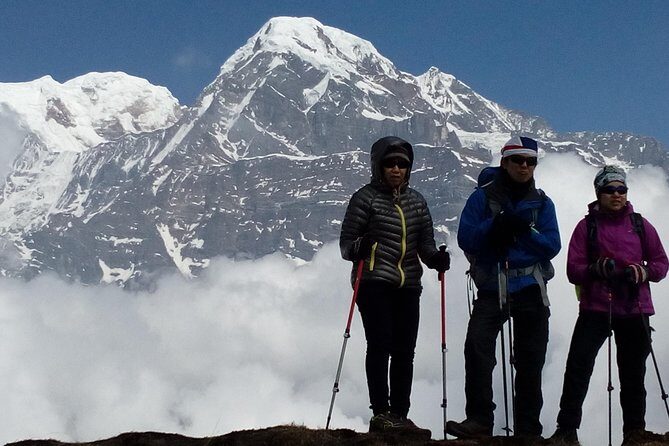
- Newer, quieter route: Mardi Himal is often the alternative when you want Annapurna-area scenery without the biggest crowds.
- Forest-to-alpine progression: The trail shifts from lush trees to more open views as altitude rises.
- Real altitude payoff: You reach about 4,500m at Mardi Himal Base Camp area.
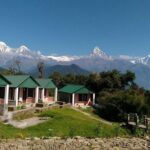
- Teahouse nights: Expect simple lodge/teahouse stays along the way.
- Guide experience matters: Past trekkers praised specific guides and managers for care, safety, and practical tips.
- Transfers reduce hassle: Pokhara-to-Kande and the return from Siding Village are handled.
Why Mardi Himal feels like a smart alternative to Annapurna crowds
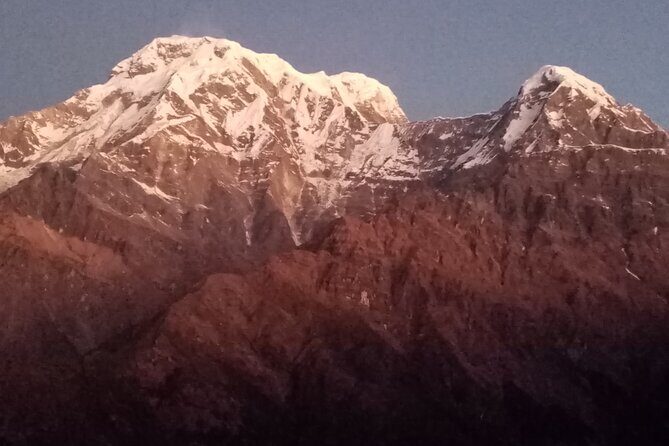
Mardi Himal runs in the Annapurna region, but it doesn’t feel like the usual high-footfall circuit. You’re trading the classic draw—big-name routes with lots of company—for a newer trail that keeps the experience more personal and more scenic per hour.
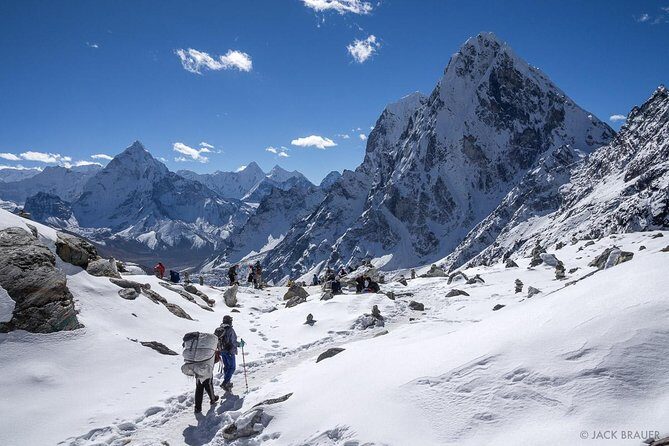
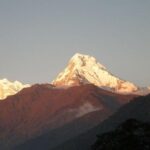
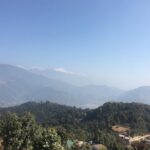
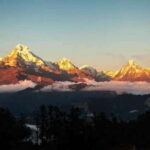
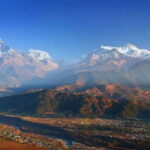
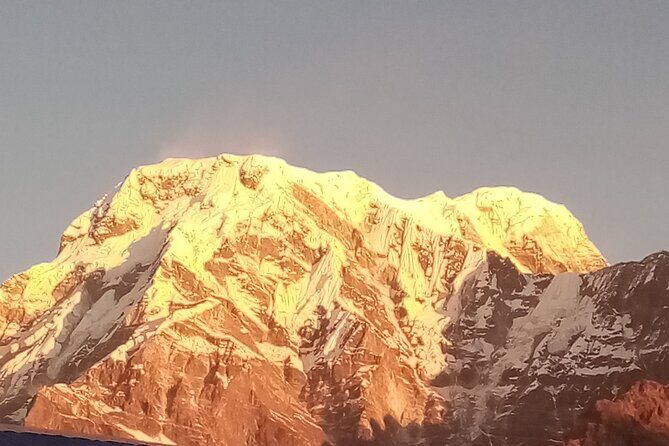
A big part of the charm is the way the trek’s look changes as you go. The early days move through rhododendron and oak forests, with mountain glimpses that show up like little hints. As you gain height, the vegetation thins and the views get more direct, including Machhapuchhre (Fishtail) and Annapurna South from the base-camp area.
And yes, the name Mardi Himal Peak is connected to the higher summit zone (listed at 5,587m), but the trek you’re taking aims for the Mardi Himal Base Camp area around 4,500m. That means you get a serious altitude experience without turning this into an all-or-nothing summit mission.
You can also read our reviews of more hiking tours in Pokhara
Entering the trek: Pokhara to Kande and up to Deurali (Day 1)
Your day starts with pickup from your hotel in the Lakeside area of Pokhara, then a short drive toward Kande. From Kande (about 1,770m), you begin hiking uphill to Deurali (about 2,100m). The whole pace on this day is about getting your legs working and giving you a first taste of the Annapurna and Dhaulagiri range panoramas.
What I like about this opening day
- You’re not thrown into a steep climb immediately. It’s a hike that makes sense for most trekkers with moderate fitness.
- You get early payoff views even before the route turns wilder later.
A consideration
Day 1 still involves uphill hiking. If you’ve been traveling hard before this trek, take it slow from the first hour—your later days will thank you.
Deurali to Forest Camp via Pothana (Day 2)
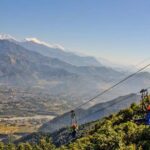
On Day 2 you continue from Deurali up toward Forest Camp (about 2,520m). The path is described as a gradual ascent through lush forests of rhododendron and oak, which is exactly the kind of terrain you want when your altitude is climbing but your body still needs a gentler rhythm.
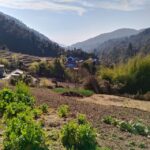
You also pass through Pothana, a village that adds a human beat to the hike. It’s not just pretty scenery—it’s the kind of stop that reminds you this is a living region, not a movie set.


What you should expect on the trail
This is a “settle in” day. You’ll likely feel your altitude, but it shouldn’t feel like a grind if you’re pacing and taking small breaks.
Forest Camp to Low Camp with wider mountain views (Day 3)
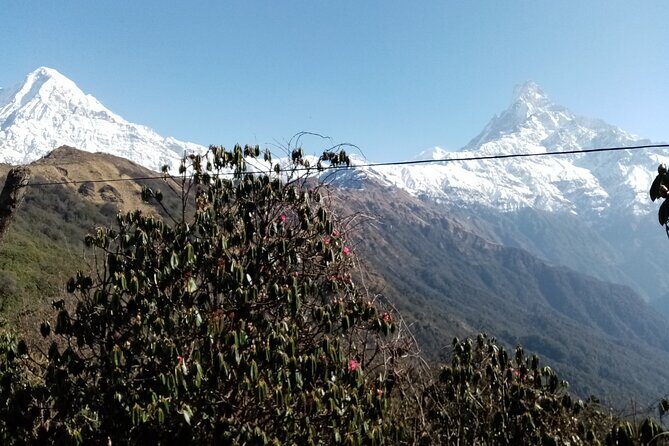
Day 3 pushes higher to Low Camp (about 2,970m). The forest continues for a while, then the vegetation gradually becomes sparser as you climb—exactly what you want as a visual cue that you’re heading into the higher zones.
This is also where the mountain faces start showing more openly. The big highlight here is soaking in views of Machhapuchhre (Fishtail) and Annapurna South while you’re at Low Camp.
Why this day matters
Low Camp is more than a stop. It’s part of the route’s altitude logic. If you hit it tired, you’ll feel it later when the trail gets rocky and colder.
A practical tip
On teahouse trek days like this, your comfort depends on rest quality. Choose a warm layer strategy early (hat, warm socks, and a jacket that actually blocks wind).
Low Camp to High Camp: the steady climb that sets your rhythm (Day 4)
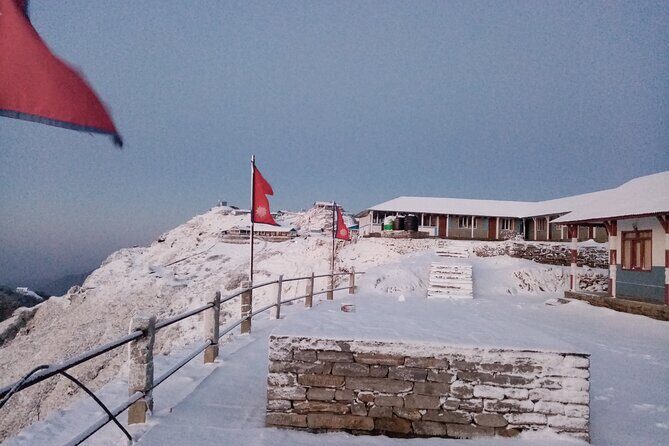
Day 4 climbs to High Camp (about 3,580m). This part is described as a steady climb, and that’s the theme: consistent effort. You’ll get stunning views of Mardi Himal and surrounding valleys as you approach High Camp, and then you’ll acclimatize with an overnight teahouse/lodge stay.
What I’d watch for here
- Don’t chase the view by speed-walking. If you feel breathy, slow down.
- Keep hydration steady. Dry mountain air can trick you into forgetting water.
The main event: High Camp to Mardi Himal Base Camp around 4,500m (Day 5)
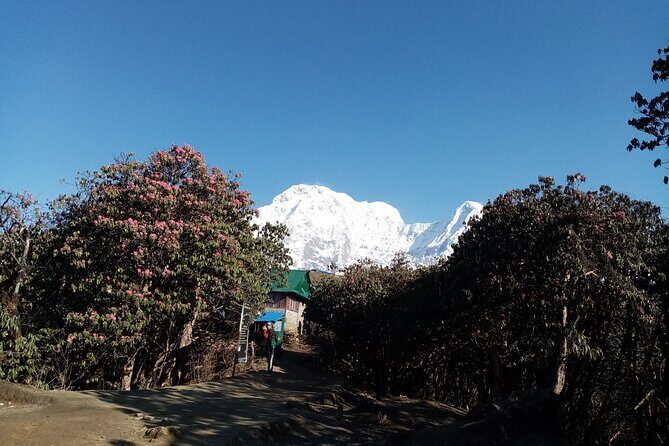
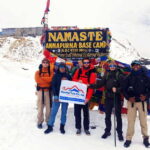
This is the day with the most bragging rights, and the schedule shows it. You’ll hike early to reach Mardi Himal Base Camp (around 4,500m), then return to High Camp for the night.
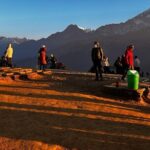
The route is described as rocky terrain with possible snow patches depending on the season. Once you arrive, you should get close-up views of Mardi Himal, Machhapuchhre, and the Annapurna range.
What makes Day 5 feel worth it
Photos don’t usually prepare you for how close the mountains feel at this altitude. Even on clear days, the sense of scale is the real surprise.
A realistic drawback
This day is long—listed as about 7 hours total with a return trip. If you’re new to trekking at altitude, this is where you need discipline: slow steps, short pauses, and no hero pacing.
High Camp down to Siding Village and a cultural reset (Day 6)
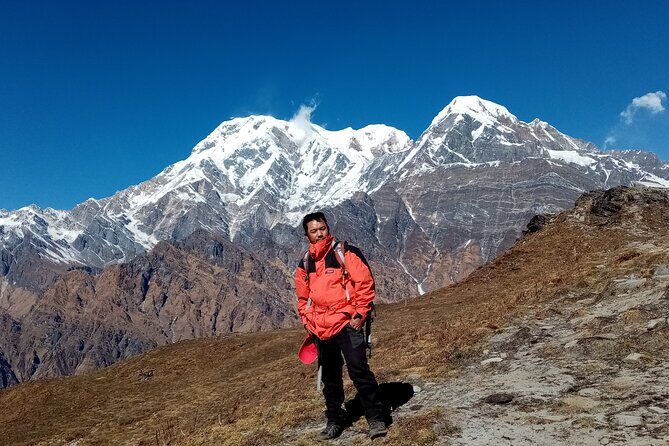
Day 6 is a long descent toward Siding Village (about 1,750m). You retrace steps back toward Low Camp, then continue descending through the forested trail. The highlight here shifts from mountain spectacle to local life and village rhythm.
Siding Village gives you a different feeling after the big altitude push. It’s where you can finally breathe easier (still watch your footing), eat, and regroup before the final travel day.
Siding Village to Lumle and back to Pokhara (Day 7)
Day 7 starts with trekking to Lumle, where a vehicle is waiting. Then you drive back to Pokhara and finish with drop-off at your hotel in the Lakeside area.
This day is intentionally built for recovery. It’s the last “finish strong” moment before you trade trekking boots for a proper rest.
Price and logistics: what $370 buys you, and what it doesn’t
At $370 per person for about 7 days, you’re paying for more than just hiking. You’re paying for structured support: accommodation along the route, national park fees, an English speaking professional trekking guide, and pickup/drop-off from your Pokhara hotel.
You also get transfers that remove the biggest hassle points:
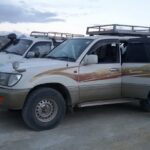
- Pokhara to Kande: private car
- Siding Village to Pokhara: sharing jeep
What’s not included (so you’re not surprised)
- All meals and drinks (you buy them along the way)
- Personal expenses
- Gratitude (optional)
Is it good value?
For this area and itinerary style, it’s solid value if you want an organized trek with guide support and covered lodging basics. If you’re the type who prefers fully independent travel and already knows the region well, you might feel the structure is “too guided.” But if you want the route handled and the safety side taken care of, this price can feel pretty fair.
Guide quality can make or break Mardi Himal
One pattern shows up clearly in trek feedback: the guide changes your whole experience. The guides tied to successful trips include Milan Rai, praised as friendly, helpful, funny, and consistently caring for safety and comfort. Another name you’ll hear is Bikram, described as attentive and supportive throughout the trek, pushing the idea that you keep moving in the way that keeps you okay—captured in the idea If you’re happy, I’m happy.
Then there’s Sunil Dahal, repeatedly mentioned as a manager who handled details like room booking and a vehicle plan, and who also shared practical route information and carrying advice. One useful kind of tip mentioned was about packing dry fruits with less extra goodies, which is exactly the sort of common-sense advice that helps on a climb.
Why this matters for your money and your energy
A good guide helps with:
- pacing at altitude (so you don’t crash on Day 4 or Day 5)
- choosing a comfortable rhythm
- managing logistics when weather or trail conditions shift
With Mardi Himal, that support is especially important because you’re heading into less crowded terrain where you don’t want to improvise.
What to pack and how to pace on this route
Your itinerary climbs from around 1,770m up through camps at 2,100m, 2,520m, 2,970m, 3,580m, then to about 4,500m, before dropping back down quickly on Day 6. That pattern means you’ll deal with both comfort needs (warm layers) and performance needs (footing and breath control).
Practical packing priorities
- Warm layers: nights at higher camps can feel cold fast
- Rain/wind protection: weather can turn quickly at altitude
- Foot care: comfortable trekking shoes, plus extra socks
- Small day snacks: meals aren’t included, so bring what works for you
Pacing strategy that fits the itinerary
- Take Day 1 and Day 2 as groundwork, not a speed challenge
- On Day 5, keep steps small and steady. The goal is reaching base camp, not proving you can sprint.
Who this trek fits best (and who should think twice)
This works best if you:
- want a newer alternative to classical Annapurna-area routes
- enjoy long mountain days and teahouse nights
- have moderate physical fitness and can handle altitude up to around 4,500m
- like the idea of villages like Pothana and Siding Village showing up on the hike
It might be a tough match if you:
- are looking for all-inclusive comfort (meals and drinks are on you)
- dislike early starts (Day 5 is early and long)
- can’t manage the basic demands of trekking uphill for multiple days
Should you book Mardi Himal with Fewa Trail Treks and Expedition?
I’d book it if your priority is this: mountain views with fewer crowds, guided support, and a clear route that makes altitude feel planned rather than random.
I’d think twice if you’re hoping for a fully packaged food-and-drink plan or you’re not ready for a long Day 5 at altitude. The upside is strong: the route’s forest-to-base-camp progression, plus Machhapuchhre and Annapurna views, gives you a memorable payoff that photos still can’t fully explain.
If you book, ask your guide ahead of time about your personal pacing needs and what they recommend for packing light. That kind of practical guidance is exactly what makes the difference on Mardi Himal.
FAQ
How long is the Mardi Himal trek?
It’s listed as 7 days (approx.).
Where does the trek start, and do I get pickup from Pokhara?
You get hotel pickup from the Lakeside area of Pokhara, and the trek starts after the drive to the trailhead. The trip ends with drop-off back to your hotel in Pokhara Lakeside.
What altitude do you reach on this trek?
The itinerary reaches around 4,500 meters at Mardi Himal Base Camp. Mardi Peak is listed at 5,587m, but the base camp target is 4,500m.
Is an English-speaking guide included?
Yes. The tour includes an English speaking professional trekking guide.
Are meals included in the price?
No. All meals and drinks are not included. They’re available for purchase.
Is this a private trek or a group tour with strangers?
It’s a private tour/activity, and only your group participates.
Where do you sleep each night?
Overnights are in teahouses or lodges along the route, based on the itinerary.
What transfers are included?
You get a Pokhara to Kande private car transfer and Siding to Pokhara sharing Jeep transfer.
What’s the cancellation policy for a full refund?
You can cancel up to 6 days in advance for a full refund. If you cancel less than 2 full days before the start time, the amount paid is not refunded.