REVIEW · POKHARA
Pokhara: Poon Hill Ghorepani Short Trek
Book on Viator →Operated by Fewa Trail Treks and Expedition Pvt Ltd · Bookable on Viator
Sunrise is the big moment here. This short Poon Hill trek from Pokhara is set up for real Himalayan views without a week-long commitment, and permits/park fees are included in the price. I like that the plan also gives you private, guide-led attention, so you’re not just following a line of trekkers. One thing to think about: you’ll start very early on day 3, and the trek is still moderately difficult even if it’s short.
You also get useful support from your trekking guide—one guide name that pops up in feedback is Dodi, described as friendly and attentive while still giving space when people need it. If you’re the type who wants sunrise views, village walking, and a clear structure, this works well. The main drawback is simple: the trek is weather-dependent, and the early start means you should plan to be flexible if clouds roll in.
In This Review
- Key things I’d watch for
- Pokhara to the Annapurnas: why this trek is so practical
- Getting to the trail: pickup, jeep rides, and start-time reality
- Day 1 to Tadapani: the first walking day sets the pace
- Day 2 Ghorepani: forests, views, and a night in the viewpoint town
- Poon Hill sunrise day: the early start and the 3,210 m payoff
- Permits and guide support: what you’re really buying (besides paperwork)
- Price and value: is $290 a good deal for this setup?
- How the pacing feels: moderate effort, clear structure
- The guesthouse nights: what’s included and what to expect
- Practical notes that matter before you go
- Should you book this Poon Hill trek from Pokhara?
- FAQ
- What time do we meet in Pokhara?
- How long is the trek?
- Is this trek too hard for beginners?
- What’s included in the $290 per person price?
- Are meals included?
- What documents do I need before traveling?
- When do we go to Poon Hill?
- What is the cancellation policy?
Key things I’d watch for
- Private guide attention on a short route that still feels like a real trek
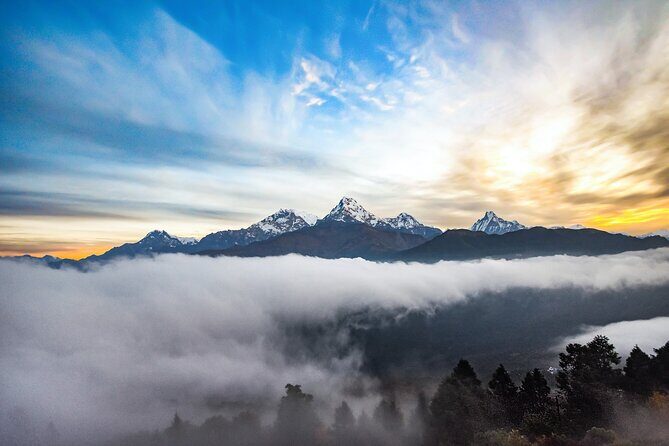
- Sunrise at Poon Hill (3,210 m) with a very early wake-up
- Two included nights in guesthouses on the route
- Permits and national park fees handled for you (ACAP and TIMS)
- Transfers by shared jeep or bus, so you spend less time figuring logistics
Pokhara to the Annapurnas: why this trek is so practical
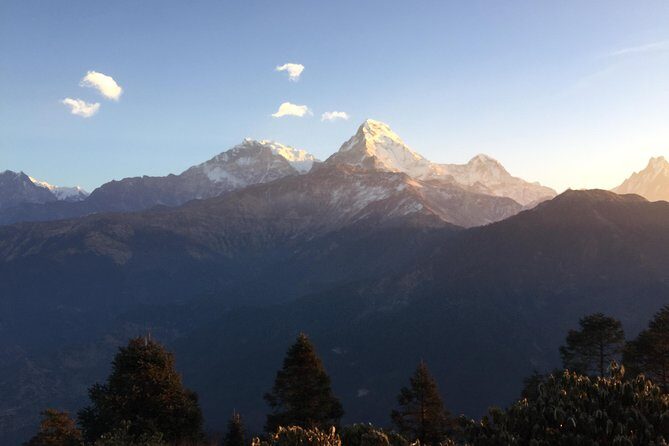
The Poon Hill trek is one of Nepal’s go-to short climbs for a reason. You base yourself in Pokhara, then you’re walking into the Annapurna region without needing days of complex scheduling. If you only have a long weekend (or you want a mountain taste before a bigger trek), this gives you a strong payoff for your time.
It’s also built around variety. You start with a drive day, then you move into a steady walking rhythm through rural areas and up into a well-known viewpoint zone. The structure matters because it’s easier to enjoy the experience when you’re not constantly wondering where you’re sleeping or what comes next.
That said, don’t misread the word short. Even on a 3-day plan, you still need to be comfortable walking uphill and moving at altitude on day 3. This is for active travelers who can handle early starts and steady effort.
You can also read our reviews of more hiking tours in Pokhara
Getting to the trail: pickup, jeep rides, and start-time reality
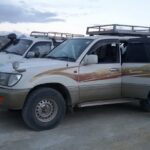
The day starts with hotel pickup in Pokhara. You meet your guide at 8:00 AM in the hotel lobby, then you head out toward the trekking region. The route includes a main highway drive to Nayapul (about 1.5 hours), followed by an off-road/shared jeep ride to Kimche (about 1 hour).
Why I think this is a smart setup: you avoid the common beginner problem of wasting energy on long, tiring transfers. By clustering the transport into those set legs, the trekking days feel more like trekking days rather than “travel chores.”
A practical tip: because this is a guided, scheduled itinerary, treat the morning meeting time seriously. When you’re doing a day-3 sunrise plan, even small delays can ripple into your best viewing window.
Day 1 to Tadapani: the first walking day sets the pace
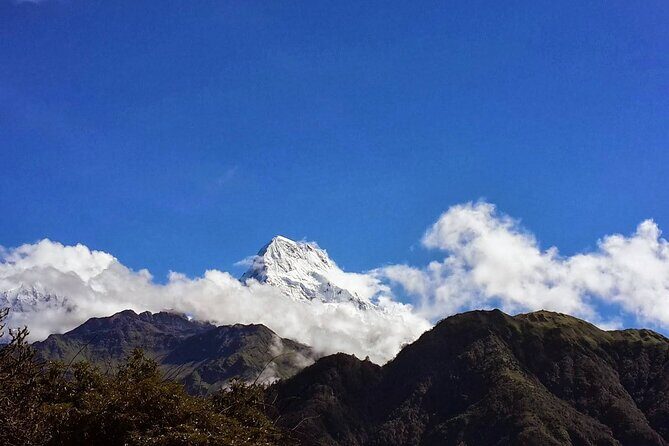
Day 1 centers on reaching Tadapani. After your morning rides, you continue on foot as part of the day’s trek. The pacing is meant to get you into the rhythm without jumping straight into a big summit push.
This is the day I’d use as your “settling-in” test. You’ll be walking after travel, so it’s a good moment to gauge how your legs feel, how quickly you warm up, and how you handle steady uphill effort. If you go slow and keep breathing steady, you set yourself up better for day 2, when the walking becomes longer.
If you’re the kind of traveler who likes to know what’s ahead, you’ll appreciate that day 1 functions like a landing pad. Once you finish here, you’re positioned to climb higher the next day and eventually reach the famous viewpoint.
Day 2 Ghorepani: forests, views, and a night in the viewpoint town
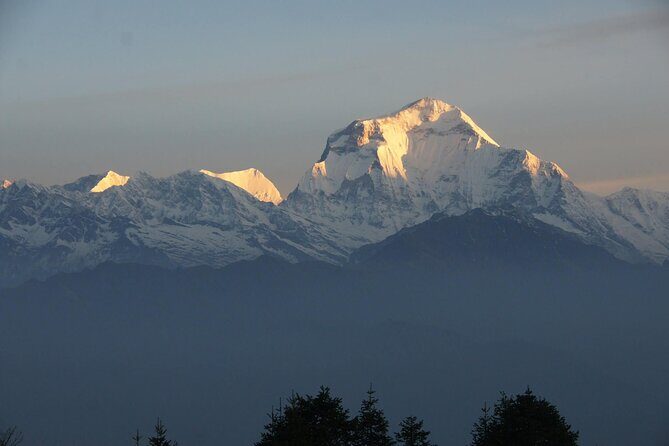
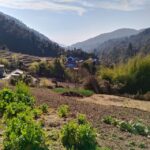
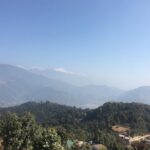
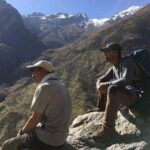
Day 2 is your main hiking block: you trek for about 6 hours to reach Ghorepani. The route runs through forested sections and includes Annapurna views as you gain altitude. Then you stay overnight in a guesthouse in Ghorepani.
I like day 2 because it’s long enough to feel like a real trek, but not so long that you’re completely wrecked before sunrise morning. Ghorepani also works strategically. It’s the kind of base town that exists largely for trekkers, which means you’re not trying to “solve” where you’ll sleep while you’re tired.
One thing to keep your expectations realistic: the views are partly dependent on the day’s weather. Still, even when the sky is moody, trekking up into this area tends to deliver dramatic cloud-and-ridge moments.
Poon Hill sunrise day: the early start and the 3,210 m payoff
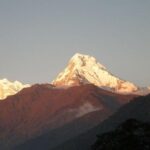
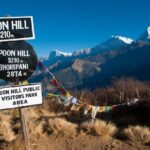
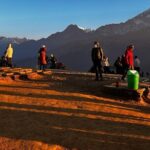
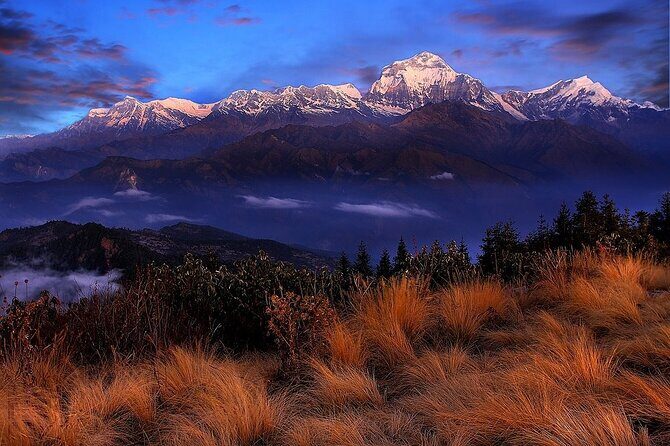
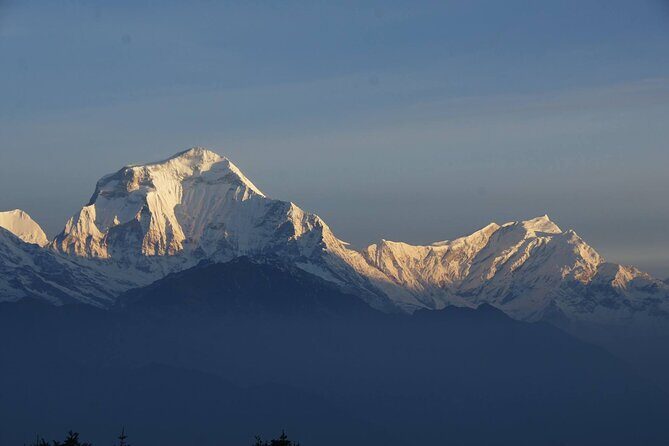
Day 3 is all about the Poon Hill viewpoint. You wake up at 4:00 AM and start trekking right away. The climb to the top is about 45 minutes, reaching 3,210 meters, where sunrise is the main event.
This timing is a big part of why Poon Hill is famous. Sunrise viewing on shorter treks is rare—most climbs require too much time or too much effort before you’re in position. Here, the plan is built so you reach the viewpoint quickly enough to actually enjoy the morning light.
After the sunrise segment, you descend back to Ghorepani. Then you gather your belongings (the itinerary notes collecting your belongings after the descent). The day’s goal is clear: get to the viewpoint, then come back down without making you scramble for hours after dark.
When clouds cover the mountains, you can still end up happy—morning treks have a quiet magic even without perfect skies. But if you’re a hard-core sunrise hunter, prepare mentally for the fact that you’re betting on weather.


Permits and guide support: what you’re really buying (besides paperwork)
The price includes trekking permits and park fees, specifically ACAP and TIMS, plus national park fees and trekking permits. For many travelers, permits are the annoying part of planning Nepal treks. Having them included means you can focus on the walk and the people.
More important than the documents themselves is what the guide brings to the route. You’re traveling with a professional trekking guide who can handle the practical realities of mountain travel. The tour info highlights that your guide will know how to act in the unlikely event of an emergency, which is exactly the kind of reassurance you want on a short trek where you still reach real altitude.
One feedback point worth your attention: guide Dodi is described as friendly, caring, and attentive, with a professional but warm style. That’s not just “nice.” It matters on a short trek, because you’re usually adjusting your pace quickly, asking small questions, and trying to stay comfortable in changing conditions. The same feedback also mentions giving space when people needed time, which is the right approach for mixed-experience groups.
Also, this is a private tour/activity, meaning only your group participates. That tends to make the pace and comfort level more predictable—especially if you prefer questions answered in real time rather than waiting for a larger group to catch up.
Price and value: is $290 a good deal for this setup?
At $290 per person, the real value comes from what’s bundled. This price covers two nights’ accommodation in guesthouses, hotel pickup and drop-off, a professional guide, private tour attention, and round-trip transfers by sharing jeep or bus. It also includes the permits: ACAP and TIMS plus national park fees.
That combination is what makes this trek feel “low-friction.” You’re not piecing together permits, transport, and lodging separately—three things that can turn a short trek into a coordination headache. Even if you could theoretically book cheaper in parts, you’ll spend time and energy managing the details.
Food and drinks are not included, but that’s fairly standard for trek plans. You’ll still be able to buy what you need along the way, and it gives you control over how much you eat and when.
Private guide + permits + two nights is the heart of why I think this pricing works, especially if you want a structured trek that fits a tight schedule.
How the pacing feels: moderate effort, clear structure
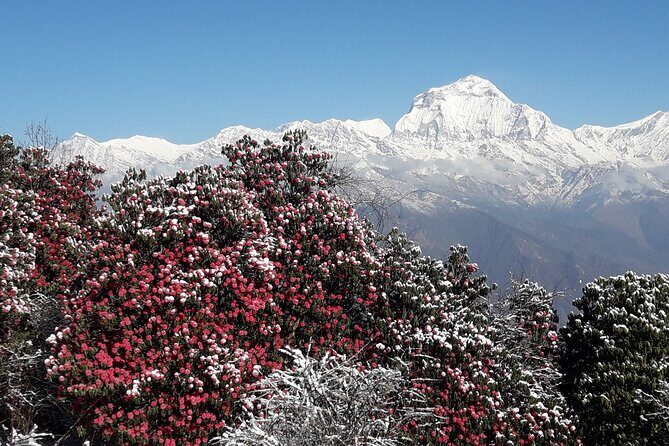
This trek is described as moderately difficult, best suited to travelers with moderate fitness. That matches the structure: day 2 is the longer hike (about 6 hours), and day 3 includes the very early push to the viewpoint plus a descent afterward.
The good news is that the route doesn’t require technical climbing. The challenging parts are the usual trekking realities: steady uphill walking, altitude awareness, and fatigue management over multiple days. If you walk regularly at home (even not at altitude), you’ll probably find this manageable.
If you’re unsure about fitness, use this test: can you comfortably handle a few hours of hiking with uphill sections and not stop every few minutes? If yes, you’re likely a good match. If not, consider building up first or choosing an easier option.
The guesthouse nights: what’s included and what to expect
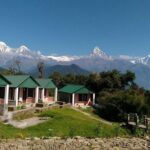
You get 2 nights’ accommodation included in guesthouses as per the itinerary. One night is in Tadapani’s area (day 1 destination), and day 2 specifically notes an overnight stay in a guesthouse in Ghorepani.
Guesthouse trekking lodging usually means simple rooms and basic comforts. You’re paying for location, convenience, and the fact that the plan keeps you moving without having to research each stop. This is especially valuable on a short trek, where you want rest that’s close to the next day’s start.
If you’re sensitive to noise or cold, plan to pack accordingly. Early mornings are part of the experience, and you’ll appreciate having the right layers even if the trek itself is relatively short.
Practical notes that matter before you go
There are a few administrative items you’ll want to handle early:
- You need passport details: passport name, number, expiry, and country for all participants.
- You also need a digital photo for all participants prior to the trip.
- A current valid passport is required on the day of travel.
- Confirmation is received at booking time.
- This is a private activity, only your group participates.
- Children must be accompanied by an adult, with a minimum age of 5 years.
Also, the tour notes mobile ticket use and includes pickup and drop-off, which means you should keep your phone available and your schedule synced to the guide’s instructions.
Should you book this Poon Hill trek from Pokhara?
I’d say yes if you want three things in one package: a guided mountain experience, a short timeline, and a real sunrise viewpoint. The value is strongest when you like structure—permits and fees handled, two guesthouse nights included, and transport sorted from Pokhara.
I’d think twice if you’re chasing a guaranteed clear-sky sunrise at any cost. Even with the best plan, weather is a factor. And if you’re not comfortable with early wake-up and uphill walking, choose a gentler trek.
If you’re active, can handle day-to-day hiking effort, and want an efficient route into the Annapurna region, this is a solid choice.
FAQ
What time do we meet in Pokhara?
You meet your guide at your hotel lobby in Pokhara at 8:00 AM.
How long is the trek?
The trek is about 3 days.
Is this trek too hard for beginners?
It’s described as moderately difficult and best for active travelers. The minimum age is 5 years, and children must be accompanied by an adult.
What’s included in the $290 per person price?
The tour includes 2 nights accommodation in guesthouses, trekking permit fees (ACAP and TIMS), hotel pickup and drop-off, a professional trekking guide, private tour, and round trip transfers by sharing jeep or bus.
Are meals included?
No. Food and drinks are not included, but they are available for purchase.
What documents do I need before traveling?
You’ll need passport details (name, number, expiry, country) for all participants, plus a digital photo submitted prior to the trip. A current valid passport is required on the day of travel.
When do we go to Poon Hill?
You wake up at 4:00 AM, then trek about 45 minutes to reach Poon Hill (3,210 m) for sunrise.
What is the cancellation policy?
You can cancel up to 6 days in advance for a full refund. Cancel 2–6 days before for a 50% refund. If you cancel less than 2 days before, the amount paid is not refunded.