REVIEW · KATHMANDU
Annapurna Base Camp Trek – 11 Days
Book on Viator →Operated by Base Camp Adventure Pvt. Ltd. · Bookable on Viator
The mountains get personal at Annapurna Base Camp. This classic Nepal trek blends rhododendron forests with mountain drama and culture along the way, and it includes the big payoff moments like Poon Hill sunrise and Jhinu Danda hot springs.
What I like most is how the plan is built around comfort and confidence: you get key cold-weather gear, and the days are paced so you can actually enjoy the scenery instead of just surviving it. The one real consideration is cost beyond the package: drinks, laundry, personal trekking gear, and tips are not included, and those add up in Nepal fast.
You also get a solid support layer. Base Camp Adventure Pvt. Ltd. sends a local, government-licensed English-speaking trekking guide, and names that show up in past trips include Prakash, Shiva, Naba, and Dhakal Saroj, with porters such as Kul and Nishan—so ask who you’re paired with before you go.
In This Review
- Key things I’d pay attention to
- Annapurna Base Camp in 11 days: what kind of trek this really is
- Kathmandu to Pokhara: the warm-up day before the trail
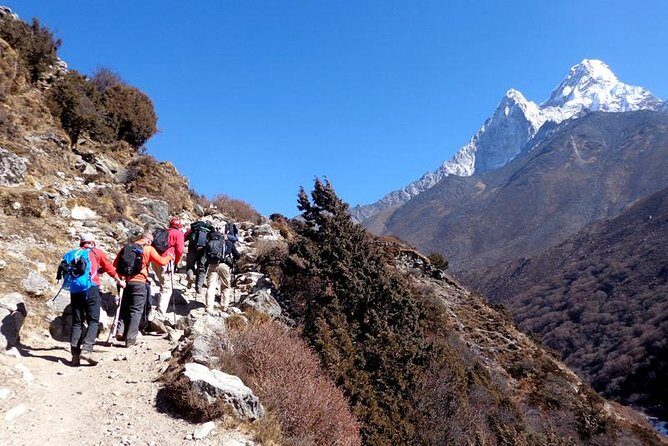
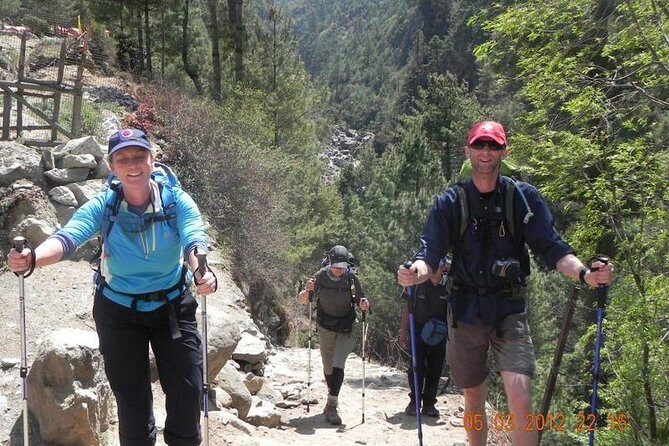
- Trail rhythm: rhododendron forests, villages, and suspension bridges
- Poon Hill sunrise: the early start payoff for Annapurna and Dhaulagiri
- Jhinu Danda hot springs: where sore legs get bribed
- Chasing altitude drama at Machhapuchhre Base Camp
- The final push back: Chhomrong, Sinuwa, and getting to Nayapul
- Gear and included comfort: what you won’t have to drag uphill
- Meals and guesthouse life: practical comfort, not luxury
- Safety layer that feels real: oxymeter checks and first aid
- Price and value: what $986 includes (and what it doesn’t)
- Who should book this Annapurna Base Camp trek
- Should you book Annapurna Base Camp with Base Camp Adventure Pvt. Ltd.?
- FAQ
- How long is the Annapurna Base Camp trek on this tour?
- Where does the tour start and end?
- What time does the experience start?
- Is this tour private?
- What trekking gear is included?
- Are meals included during the trek?
- What about permits and entry fees?
- What is not included in the price?
- What happens if weather is poor?
Key things I’d pay attention to
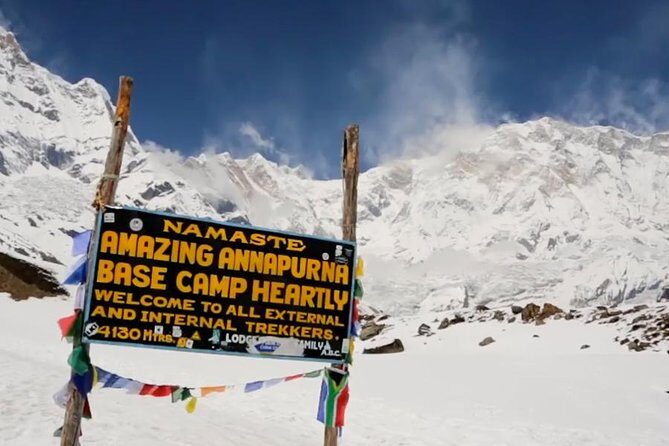
- Poon Hill sunrise is built in early, so you get the Annapurna/Dhaulagiri view payoff.
- Jhinu Danda hot springs happen on your route, not as an afterthought.
- Cold-weather support gear (down jacket, sleeping bag, duffel) reduces what you must carry.
- An oxymeter safety check for pulse, oxygen saturation, and heart rate is included.
- Guesthouse trekking stays are handled for you, mainly in twin sharing.
- Private group format keeps the experience more controlled and personal.
Annapurna Base Camp in 11 days: what kind of trek this really is
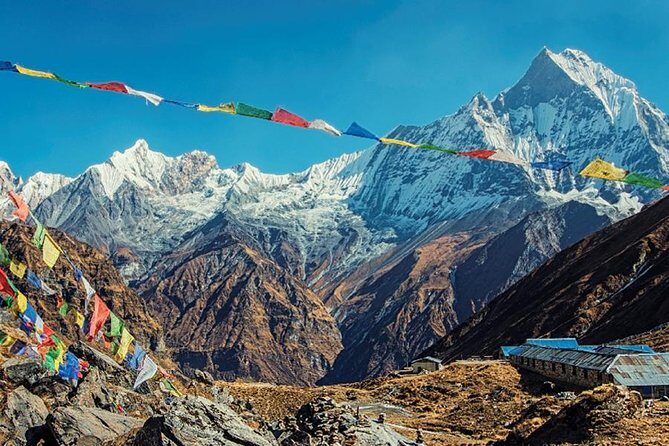
Annapurna Base Camp is the kind of trek people talk about for a reason. It’s not just a single peak you see once and move on from. You walk through forests, pass villages, cross suspension bridges, and spend days building toward that high, wide-open base camp feeling.
This particular schedule is designed for moderate physical fitness, which matters because ABC can go from fun to grueling if you try to treat it like a race. Expect stone stairs, forest trails, and daily uphill-and-downhill work, but the plan also gives you recognizable breaks like early-sunrise viewpoints and hot spring days.
The “11 days” structure also gives you a buffer. You start with Kathmandu to Pokhara travel, then you work uphill day by day, and you end with the return bus ride back to Kathmandu. It feels like a complete journey, not a random bundle of hiking hours.
You can also read our reviews of more hiking tours in Kathmandu


Kathmandu to Pokhara: the warm-up day before the trail
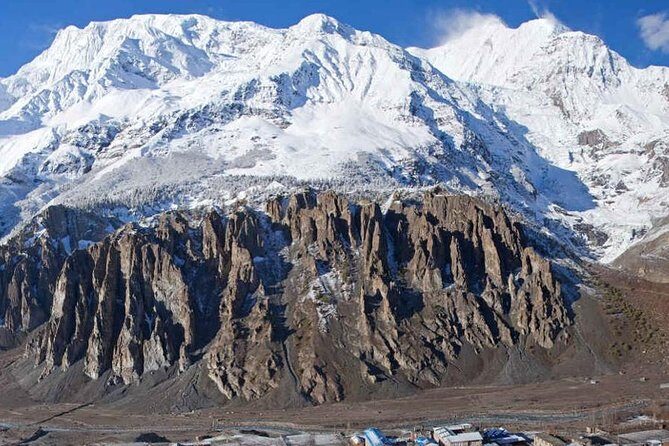
Your day starts early in Kathmandu, with a 6:15 am start time. From there, you transfer by surface route to Pokhara on a tourist bus. It’s a long enough drive to get you oriented—rivers, terraced farms, and towns slip by in a way that helps you picture what the trekking valleys will look like later.
Pokhara also acts like a reality check. You’ll probably feel the difference between city time and mountain time fast. Your job is to sleep well, eat normally, and keep your legs from turning into jelly before the trek even starts.
If you hate wasting time, this might feel like “just getting there.” But I think that’s the point: you’re reducing risk later by giving your body a proper landing place.
Trail rhythm: rhododendron forests, villages, and suspension bridges
On day two you start trekking near Nayapul after about a two-hour drive from Pokhara. The trail begins with a suspension bridge over the Modi River, then you continue toward Birethanti. That early crossing is a classic ABC touchpoint: it’s quick, photogenic, and it reminds you you’re officially in trekking mode now.
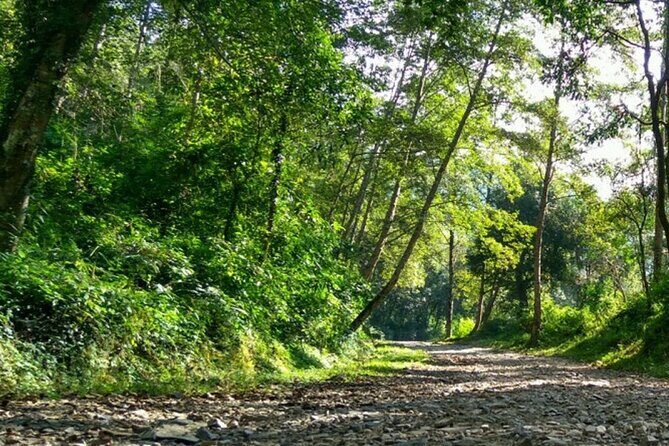
Day three is about easy traction and scenery-building. You walk through thick rhododendron forest and pass villages like Banthanti and Nangethanti on your way toward Ghorepani. Stone stairs show up, but this section is described as an easier forest trail, which is exactly what you want before longer climbs start to stack up.
These early days matter more than people think. They’re where you learn your hiking pace, test your footwear, and figure out how you like to manage stops. You’ll also get used to the guesthouse routine—simple meals, warm rooms when they’re available, and early nights.
Poon Hill sunrise: the early start payoff for Annapurna and Dhaulagiri
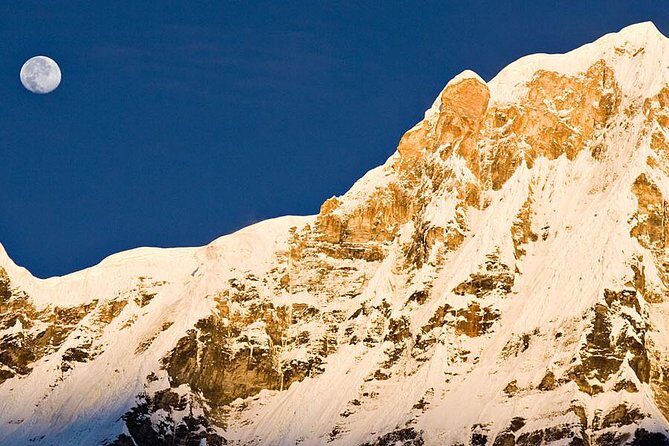
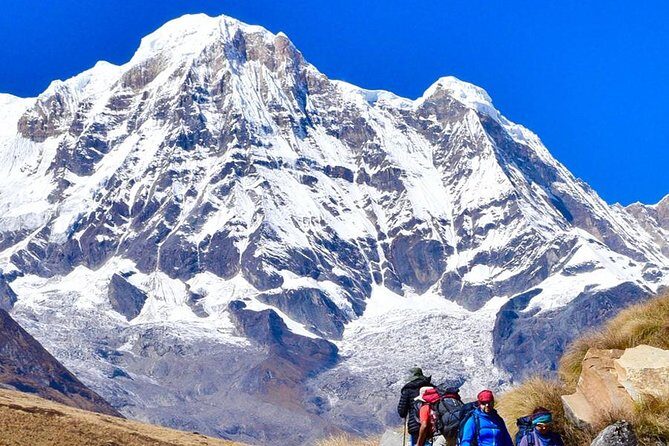
Day four is the morning ascent to Poon Hill. You’ll go early, along snowy trails if conditions allow, to catch sunrise over the Annapurna and Dhaulagiri ranges. The view list is specific: Nilgiri (7061m), Lamjung Himal (6983m), and more from the surrounding peaks.
This is a must-do moment even if you’re not a sunrise person. The main value is perspective. Instead of seeing one towering peak, you start to understand how the Annapurna region sits together like a wall of mountains.
One practical tip: treat this as a body-training day for cold. Even if the sun comes up quickly, the start is early and the air can feel sharp. The included down jacket helps here, but you’ll still want to have your layers ready before you’re outside.
Jhinu Danda hot springs: where sore legs get bribed
Day five brings the switch from mountain lookout to recovery. You walk uphill then downhill on a forested trail, cross a suspension bridge over Kimrong Khola, and reach Jhinu Danda. The highlight is the hot spring soak right on the route.
Hot springs are not just a nice-to-have on ABC. They’re a recovery tool, and they help you sleep better the night you arrive. When your body feels smoother, the next hiking days feel less like punishment.
Day nine repeats Jhinu Danda. That second hot-spring stop is smart because by then you’ve been walking for a while and the finish line is closer but not “easy.” If you’ve had any nagging aches, this is the day that can reset how you feel.





Chasing altitude drama at Machhapuchhre Base Camp
Days seven and eight are about getting closer to the higher, more dramatic zone. Day seven climbs to Deurali and continues on stone stairs toward a viewpoint area for Machhapuchhre Base Camp at 3700m. You then follow the moraines route onward, which is terrain that feels different from forest trail—more exposed, more “high and stony,” and often more about careful footing.
Day eight starts with descending back through the moraines route to Machhapuchhre Base Camp, then you follow trails of Modi Khola through rhododendron and fir forest. That mix is part of why ABC works: you get the hard, high-feeling experience, then you drop back into a cooler, calmer hiking environment.
What to watch for on these days is stamina, not courage. The terrain changes. If you go out too fast, you’ll feel it later. Keep your steps steady, use your guide for pace decisions, and focus on breathing rhythm.
The final push back: Chhomrong, Sinuwa, and getting to Nayapul
Day six and day nine build the return story through key areas like Chhomrong Khola, Sinuwa, and upper Chhomrong. Day six includes crossing Chhomrong Khola and ascending to Sinuwa, with more descent along stony paths afterward. Day nine is described as first ascending through forest to Sinuwa, then down to Chhomrong Khola, then up stone stairs to upper Chhomrong before descending to Jhinu Danda for that hot spring dip.
By day ten, you transition out of the high trekking world. You descend to Nayapul along trails of Modi Khola, then drive back to Pokhara. This is your decompression day. You’re still moving, but you’re less focused on trail accuracy and more focused on hydration, food, and resting your feet.
Finally, day eleven is the early bus back to Kathmandu. The drive is part of the “close the loop” feeling—green hills and villages roll by, and you’ll land back in the capital with time to plan what’s next.
Gear and included comfort: what you won’t have to drag uphill
One of the biggest value wins here is the gear package. You’re provided a down jacket, a sleeping bag, and a duffel bag. That reduces the weight you haul from guesthouse to guesthouse, and it also reduces the headache of renting or guessing sizing for cold-weather gear.
The package doesn’t replace every need. You still need personal trekking equipment, and you’ll want to bring your own layers, footwear, and basics. But the included cold-weather pieces can make the difference between feeling chilled on summit mornings and feeling ready.
It also helps if you’re traveling light. Many hikers underestimate how fast “just bring a jacket” becomes “now I’m carrying three jackets.” Here, the core cold gear is already handled.
Meals and guesthouse life: practical comfort, not luxury
This trek includes a lot of food: 10 breakfasts, 9 lunches, and 8 dinners. That matters because in mountain trekking, eating on schedule is fuel. You’ll also be less stressed about finding meals at the right time, especially in smaller villages where options can be limited.
Accommodation is “best available” guesthouses during the trek, mainly in twin sharing. That means you should expect simple rooms and practical bathrooms when available. The upside is you won’t be hunting lodging each night. The tradeoff is you’re not booking five-star comfort, so plan on the basics.
If you hate sharing space, plan for that mentally. Twin sharing is common on trekking routes, and it’s exactly where a private tour can still feel busy at times—you’re in the mountains, not in your own suite.
Safety layer that feels real: oxymeter checks and first aid
One standout inclusion is the oxymeter used to check pulse and oxygen saturation and heart rate. That’s a practical support detail. Altitude doesn’t have to be a dramatic story to affect how you feel, and having an equipment-backed check can help your guide make smarter pace decisions.
The trek also includes first aid medical kits. You shouldn’t expect the kit to replace medical care, but it reduces chaos if something minor happens on the trail.
Keep expectations sensible. The trek still requires good weather, and mountain conditions can change fast. If weather forces a change or cancellation, you’ll be offered another date or a full refund.
Price and value: what $986 includes (and what it doesn’t)
At $986 per person, this is priced like a guided, supported ABC trek with a lot included—not just a ticket for walking. You get surface transfers from and to Kathmandu, permits and entry fees, guesthouse stays, meals, and a licensed English-speaking guide.
You also get transportation for trekking staff costs, insurance for staff, and medicine and equipment support. That’s a big part of what you’re paying for: someone else is handling the behind-the-scenes logistics that usually turn into a mess if you self-arrange.
The part you must budget separately is personal spending. Drinks, laundry, alcohol, travel insurance, personal trekking equipment, international airfare, airport departure tax, and tips are not included. Those items can add up, especially if you’re also buying snacks and hot drinks along the route.
My take: if you want less gear hauling and fewer planning decisions, this package looks like good value. If you plan to bring everything yourself and don’t need a guide, you might find cheaper options. But on ABC, “cheaper” can also mean more uncertainty.
Who should book this Annapurna Base Camp trek
This trek is a good fit if you want a guided route that covers the classics: forests, villages, Poon Hill sunrise, Machhapuchhre Base Camp region time, and Jhinu Danda hot springs. It’s especially solid if you don’t want to handle permits, route mapping, guesthouse coordination, and meal planning.
It also fits people with moderate fitness who want a structured pace. If you’re brand-new to trekking, a guide can help you manage effort early, and the oxymeter checks add another layer of reassurance.
If you’re very experienced and chasing speed, you may find the guesthouse rhythm and scheduled support feels slower than going fully independent. That’s not a flaw; it’s just different priorities.
One balanced note: there was an account describing a guide experience that didn’t meet expectations for a first-time solo trek. That’s not common in the positive history shown here, but it is a reminder to confirm your guide pairing and expectations before you leave.
Should you book Annapurna Base Camp with Base Camp Adventure Pvt. Ltd.?
If your goal is ABC with strong logistics, included cold-weather gear, and support that goes beyond “someone will meet you at the start,” I’d consider this a strong pick. The value comes from the big-ticket support pieces: permits, guide, meals, guesthouses, transfers, and gear like a down jacket and sleeping bag.
Book it if you want to focus on walking and views, not planning. Bring what’s not included, set aside money for drinks and tips, and mentally prepare for shared rooms and basic mountain lodging.
Skip or shop around if you already have your own gear and you’re looking for a mostly DIY trek where your guide does the bare minimum. On ABC, the difference between good and great often comes down to pace, support, and comfort—and this package is built to deliver those.
FAQ
How long is the Annapurna Base Camp trek on this tour?
It’s listed as 11 days (approx.).
Where does the tour start and end?
It starts in Kathmandu, Nepal, and ends back at the same meeting point in Kathmandu.
What time does the experience start?
The start time is 6:15 am.
Is this tour private?
Yes. It’s a private tour/activity, so only your group participates.
What trekking gear is included?
Down jacket, sleeping bag, and a duffel bag are included.
Are meals included during the trek?
Yes. Breakfast is included 10 times, lunch 9 times, and dinner 8 times.
What about permits and entry fees?
All necessary trekking permits and entry fees are included.
What is not included in the price?
Personal trekking equipment, alcoholic and non-alcoholic drinks, laundry, travel insurance, international airfare, airport departure tax, and tips for trekking staff are not included.
What happens if weather is poor?
The experience requires good weather. If it’s canceled due to poor weather, you’ll be offered a different date or a full refund. Also, you can cancel up to 24 hours in advance for a full refund.