REVIEW · POKHARA
Pokhara: 7-Day Annapurna Base Camp Trek & Hot Spring
Book on GetYourGuide →Operated by Snow Peak Tours and Travels pvt.ltd. · Bookable on GetYourGuide
Nothing beats waking up for Annapurna views.
This 7-day Pokhara to Annapurna Base Camp trek mixes serious high-mountain hiking with the simple joy of natural hot springs at Jhinu Danda. You’ll pass through Ghandruk, Chomrong, and rhododendron forests, then sleep close to the Annapurna range before heading back down.
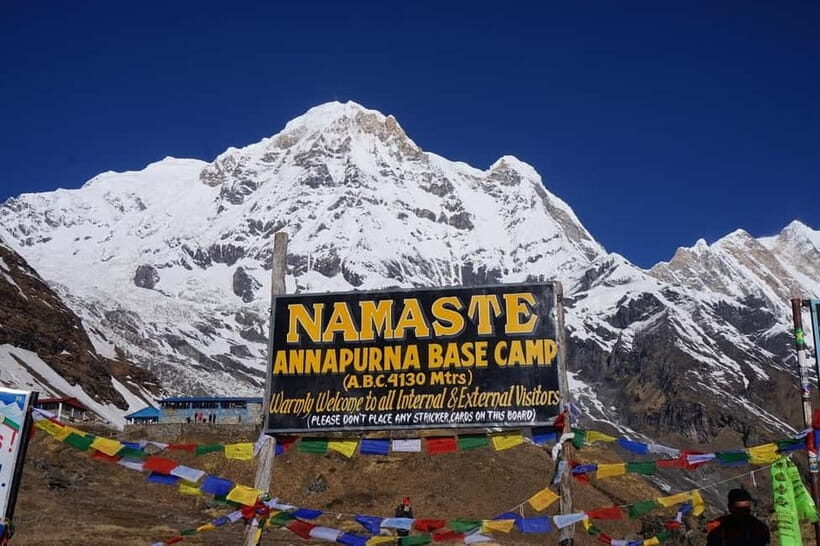
I particularly like two parts: the day when you reach Annapurna Base Camp at 4,130m for panoramic views of Annapurna and Machapuchare, and the contrast of easing your legs in the Jhinu Danda hot springs after the descent.
One drawback to consider is logistics. The trek sounds straightforward on paper, but you should double-check the return vehicle plan and what costs (like drinking water and Wi-Fi) might show up at tea houses along the way.
In This Review
- Key points before you go
- From Pokhara to Ghandruk: Your Trek Actually Starts at Nayapool
- Ghandruk to Chomrong: Rhododendron Trails and the First Big Panoramas
- Chomrong to Himalaya: Higher Forests, Slower Breathing, Better Focus
- Annapurna Base Camp at 4,130m: Overnight Magic and Sunrise Potential
- ABC to Bamboo (2,335m): Downhills, Rhododendron, and Water Sounds
- Bamboo to Jhinu Danda: The Day Your Legs Get Paid Back
- Jhinu Danda to Nayapool and Back to Pokhara: Finish Strong, Then Think About Transport
- Price and value: Why $190 can be a fair deal, if the inclusions match your expectations
- What’s included vs. what you should budget for
- What the hike feels like day to day (and how to prepare)
- Who should choose this trek (and who should reconsider)
- Should you book the Pokhara 7-Day Annapurna Base Camp trek and hot spring?
- FAQ
- How long is the trek?
- What is the highest altitude on this route?
- Where does the trek start?
- Which villages are on the route?
- When do you visit the hot springs?
- What kinds of accommodations do you stay in?
- Are meals included in the price?
- What’s included in the trek price?
- What should I bring?
- Is travel insurance included?
Key points before you go
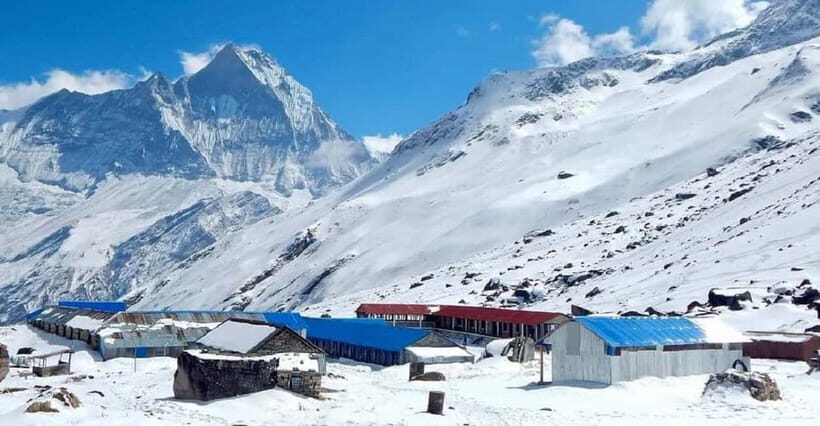
- Annapurna Base Camp at 4,130m with wide-open views and a shot at an unforgettable sunrise.
- Rhododendron forests and village days that break up the altitude climb.
- Jhinu Danda hot springs on Day 6, timed perfectly for sore legs.
- Overnight at ABC gives you time to enjoy the mountains beyond just a quick stop.
- Private group with guide support, plus English/Hindi/Nepali at your pace.
- A clear need to confirm return transport details so the last day doesn’t feel like a scramble.
From Pokhara to Ghandruk: Your Trek Actually Starts at Nayapool
Pokhara is a great base for this region because it’s where you can get your body and gear ready before the stairs to the sky begin. On Day 1, you ride to Nayapool and start hiking from there. The walk is about 5–6 hours, mostly following the Modi Khola, and it’s designed as a first real rhythm-setter: hike, breathe, look around, repeat.
You’ll move through ethnic villages and forested sections, which matters more than it sounds. The ABC trek isn’t only about “getting to the top.” Early on, you’re training your legs to handle steady uphill grades while also learning what the trail feels like underfoot. This is where you decide whether your footwear and socks are truly working.
The Day 1 endpoint is Ghandruk (1,940m)—a familiar base-town in the Annapurna area. If you’re the kind of hiker who gets nervous about day-to-day planning, this part helps because Ghandruk gives you a solid “settle in” feeling at the end of the first push.
Practical thought: start Day 1 with a slower pace than you think you need. The climb to ABC is spread out, but the altitude still stacks up.
You can also read our reviews of more hiking tours in Pokhara
Ghandruk to Chomrong: Rhododendron Trails and the First Big Panoramas
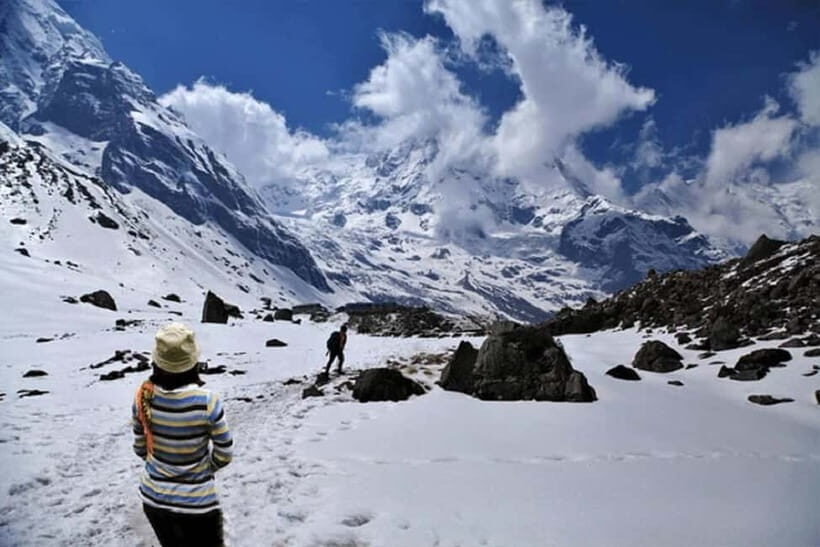
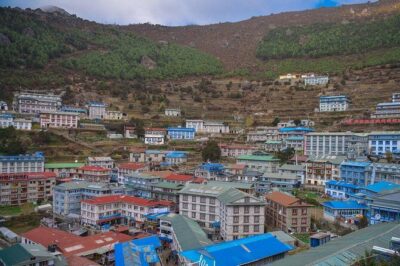
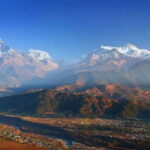
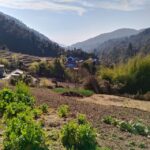
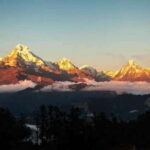
Day 2 is your next step upward, taking you from Ghandruk (1,940m) to Chomrong (2,170m). The route passes hilly settlements and stretches of rhododendron forest, and you also get obvious panoramic views of the Annapurna range along the way.
This is a good day for two reasons. First, it’s close enough in altitude terms that you can keep your effort steady rather than going full “push mode.” Second, the views show up often enough that you’ll feel the trek is paying you back while you still have energy.
What you’ll notice on Chomrong day is how the villages feel more “trek-shaped.” Tea houses, packed trails, and a steady flow of people create a different atmosphere than low-elevation Nepal. If you’ve never trekked before, this is where you learn the cadence: breakfast, move early, pause for photos, manage your pace.
Small tip that can save you on this trek: keep your camera accessible but don’t stop every time you feel tempted. The best views are the ones you time when you’re not gasping.
Chomrong to Himalaya: Higher Forests, Slower Breathing, Better Focus
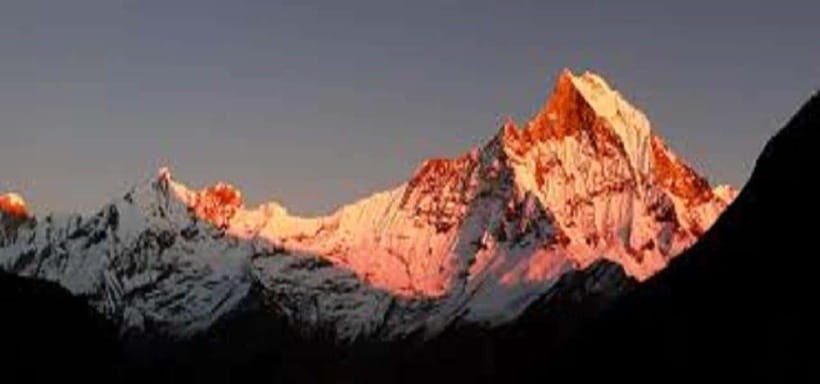
On Day 3, you hike from Chomrong to Himalaya (2,920m). It’s not just higher; it feels different. You’ll spend time among rhododendron forests and village sections, with the mountains sitting closer visually.
This day is partly about scenery and partly about learning to manage your breathing as altitude increases. You’ll likely feel it most when the trail tilts upward and your legs work harder than your lungs. That’s normal. Move steadily, don’t sprint uphill, and keep your steps smooth.
There’s also a “mental win” here. By this point, you’re past the “first day novelty” stage. The trek becomes about rhythm, checking your comfort, and making sure you’re eating and drinking consistently at the times that work for you.
Annapurna Base Camp at 4,130m: Overnight Magic and Sunrise Potential
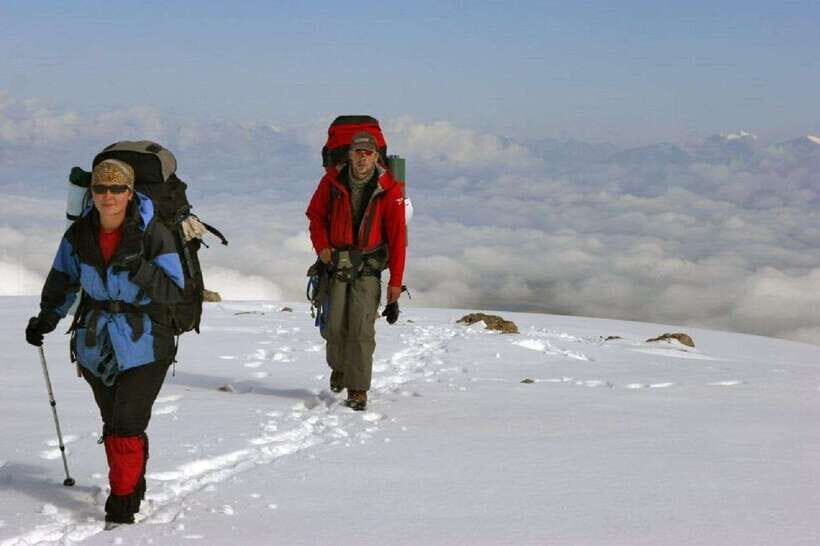
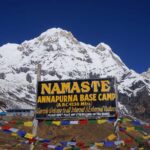
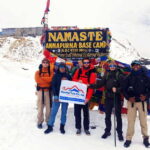
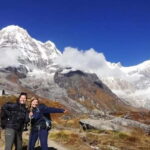
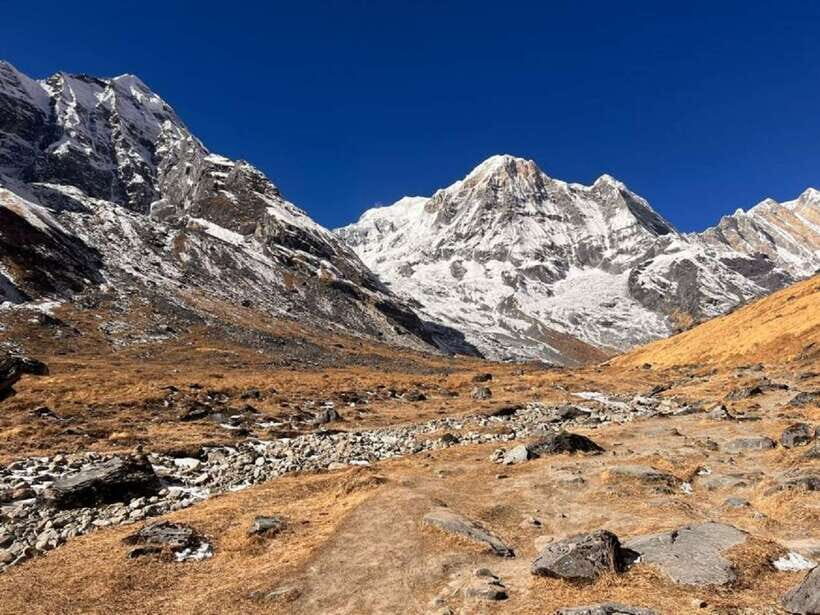
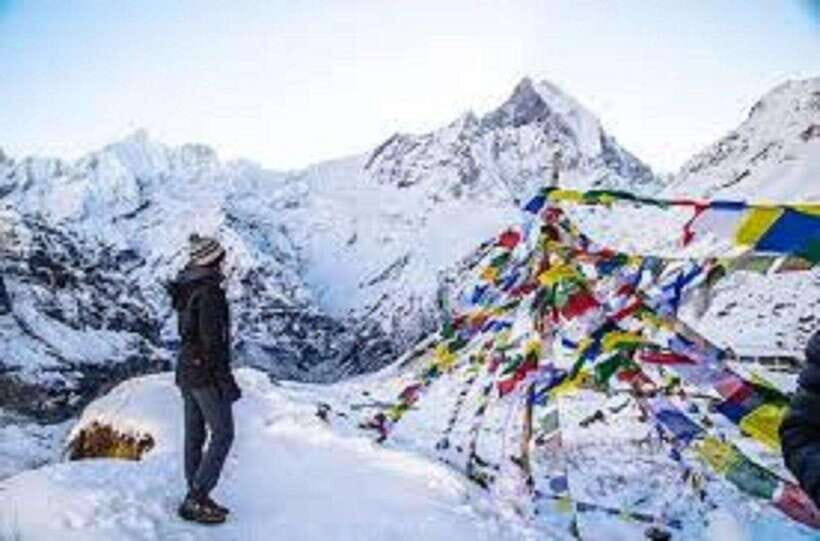
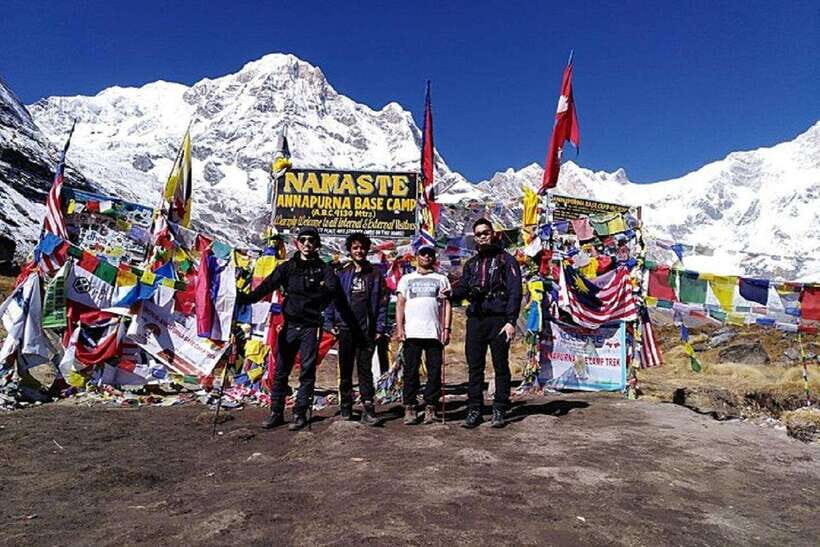
Day 4 takes you to the high point: Annapurna Base Camp (4,130m). You’ll go from Himalaya to ABC, stay overnight at Annapurna Base Camp, and enjoy how close you feel to the Annapurna range.
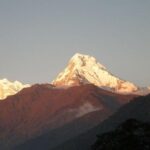
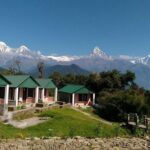
This is the day most people remember for two reasons: the altitude and the light. You’re high enough that weather can shift, and that’s why the sunrise potential matters. Reaching ABC sets you up for a breathtaking sunrise over the Annapurna range, with Annapurna and Machapuchare featuring prominently in the views.
Why overnight at ABC is a real advantage (not just a schedule point): it gives you time. You’re not racing off after a short photo moment. You can wait out the light changes, enjoy calmer moments when the crowds thin, and see the mountain mood shift as the day warms.
If you’re tempted to think of ABC as “just a checkpoint,” try to treat it like a place you’re visiting slowly. You’ll have more fun if you’re not only measuring distance.
ABC to Bamboo (2,335m): Downhills, Rhododendron, and Water Sounds
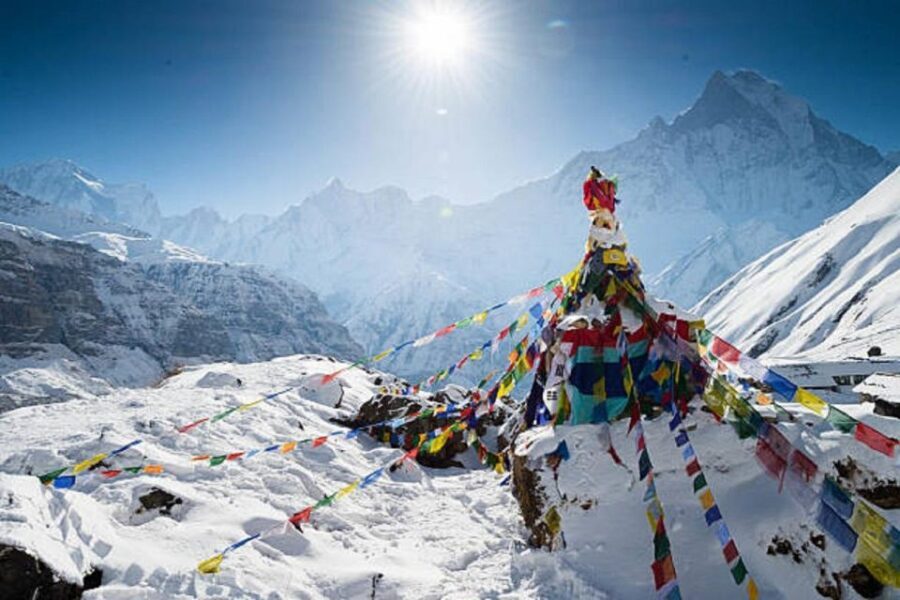
Day 5 is your descent toward Bamboo (2,335m). You’ll hike alongside rhododendron forests, and the route includes natural springs and waterfalls, plus more ethnic settlements.
The trick on this day is that “down” can still beat you up. Descents use different muscles and can feel tougher on knees and ankles than the uphill days. Take shorter steps on steep sections, and use poles if you have them. A trekking stick is one of those items that suddenly becomes useful once the trail turns slippery.
The good news: the scenery on the way down is active. Water features and forest sections keep your mind from getting stuck on sore legs. It’s also easier to stay positive because you’re losing altitude rather than gaining it.
A few more Pokhara tours and experiences worth a look
Bamboo to Jhinu Danda: The Day Your Legs Get Paid Back
Day 6 is the payoff day. You’ll hike from Bamboo to Jhinu Danda (Hot Spring) (1,610m). This is where the trek turns into something more balanced, because you’re not just “surviving the mountains”—you’re recovering in them.
The hot springs at Jhinu Danda are natural, and the plan is that they help relax muscles stressed by the hike. This is exactly the kind of reset that makes tomorrow’s walk back to Nayapool feel manageable instead of brutal.
One note: hot springs are a reward, but you still need to hydrate and take it easy. After a soak, give yourself a chance to cool down, then move on with clean socks and dry clothes if you’ve got them.
Jhinu Danda to Nayapool and Back to Pokhara: Finish Strong, Then Think About Transport
Day 7 goes from Jhinu Danda to Nayapool, then you catch the ride back to Pokhara, with drop-off at your chosen Pokhara hotel.
This last day is short in feel compared to the big climb days, but it’s also where transport details matter. The trek ends, but you’re still dependent on ground logistics for the final comfort and safety.
Here’s what I’d do if you’re booking this through Snow Peak Tours and Travels pvt.ltd.: ask your operator to clearly confirm the exact return ride plan from Nayapool to Pokhara. If the itinerary suggests one kind of vehicle, get that in writing or at least in a clear message you can repeat back. This is the one area where poor coordination can turn an otherwise smooth trek into an annoying ending.
Price and value: Why $190 can be a fair deal, if the inclusions match your expectations
At around $190 per person for a 7-day trek, the value depends on what’s truly included for your chosen option. The package includes permits and fees, all meals during the trek (depends on option), basic tea house/lodge accommodation, and support from an experienced government-registered trekking guide plus guide and porter services (covering food, accommodation, insurance, salary, transport, and equipment).
It also includes round-trip transportation between your hotel, Pokhara International Airport, and the trek starting point, plus a private vehicle depending on the option chosen. On top of that, you get trekking gear (trekking stick / sleeping bag as needed) and a first aid kit.
That’s a lot of “hidden” costs handled for you, and that’s why $190 can make sense. Where value can slip is when tea house costs aren’t fully clear. Some trekking budgets go fine until they meet small add-ons like Wi-Fi access or drinking water charges. Before you go, it’s smart to ask what’s included in the food plan and what may be extra at guest houses.
Also keep money handy. The “bring cash” list is there for a reason: you don’t want to rely on surprise payment setups mid-trek.
What’s included vs. what you should budget for
Included in the trek:
- Permits and fees
- Meals during the trek (depends on option)
- Tea house/lodge accommodation
- Government-registered guide
- Porter support (food, accommodation, insurance, salary, transportation, equipment)
- Transportation connected to Pokhara and the trek start
- All government and local taxes
- Trekking gear (trekking stick / sleeping bag as needed)
- First aid kit
Not included:
- Personal expenses
- Travel insurance (important for emergency rescue)
If you’re budgeting, treat the not-included section as a must-plan category. For emergency coverage, trek areas can mean fast decisions. Get a policy that explicitly covers rescue costs.
What the hike feels like day to day (and how to prepare)
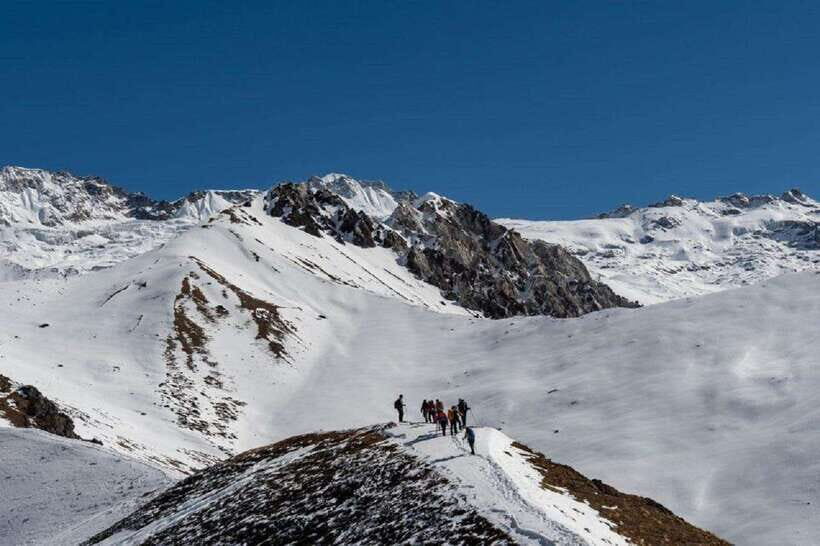
This trek rises from 1,940m to 4,130m over four main climbing days, then descends through 2,335m and down to 1,610m for the hot springs. You’re not just chasing altitude; you’re moving through forests, villages, and tea house stops, which is a big part of the Annapurna Base Camp experience.
How to prepare practically:
- Comfortable hiking shoes (you’ll want real traction)
- Warm clothing and a jacket (high elevation nights can feel cold)
- Hat for sun and warmth control
- Change of clothes, especially socks
- Cash for small expenses
- Flashlight (even if it’s “just in case,” it helps)
- Hand sanitizer or tissues
- A passport or ID card (copy accepted)
- Hair tie if you use one
- Hiking pants and layers that handle movement
You’re also not allowed certain items: pets, alcohol and drugs, baby carriages. If you’re traveling with family or a stroller-like setup, plan differently before you arrive in Pokhara.
Finally, remember: this is a trekking route where basic comfort matters more than luxury. Basic tea houses are part of the deal.
Who should choose this trek (and who should reconsider)
I’d point this route toward you if you want:
- A classic Annapurna Base Camp experience in 7 days
- Mix of culture (villages/settlements) and big mountain moments
- The “recovery day” feel of Jhinu Danda hot springs
- A private group and guide support in English, Hindi, or Nepali
You might reconsider if:
- You hate the idea of being in basic lodges for multiple nights
- You’re uncomfortable with high altitude (highest point is 4,130m)
- You need very strict, guaranteed end-to-end ground transport with no changes
The mountain part of this trek is strong. The only caution is making sure the “around the hike” logistics work cleanly for you.
Should you book the Pokhara 7-Day Annapurna Base Camp trek and hot spring?
If your priority is getting to Annapurna Base Camp, watching the mountains in the early hours, and then enjoying a real muscle reset at Jhinu Danda, this trek makes sense. The structure is built for acclimatization and recovery, with an overnight at ABC and a recovery soak before your final descent.
My decision advice comes down to one action: confirm return transport details and ask what might be extra at tea houses (especially items like Wi-Fi and drinking water). If your operator answers clearly and aligns with what’s promised, you’ll spend your mental energy on the trail instead of logistics.
If you like straightforward hikes with village days and a clear reward at the end, this is a satisfying trek.
FAQ
How long is the trek?
The trek is listed as 7 days.
What is the highest altitude on this route?
The itinerary’s peak point is Annapurna Base Camp at 4,130 meters.
Where does the trek start?
The hiking starts from Nayapool (after a ride from Pokhara).
Which villages are on the route?
The route includes Ghandruk, Chomrong, Himalaya, Bamboo, and Jhinu Danda, before returning via Nayapool.
When do you visit the hot springs?
You reach Jhinu Danda (hot spring) on Day 6.
What kinds of accommodations do you stay in?
You’ll stay in basic tea houses or lodges during the trek.
Are meals included in the price?
All meals during the trek are included, though it notes that this depends on the option chosen.
What’s included in the trek price?
Included items cover permits and fees, meals (depending on option), tea house/lodge accommodation, a professional registered guide, porter services, transportation, local taxes, trekking gear as needed, and a first aid kit.
What should I bring?
You should bring comfortable shoes, warm clothing and a jacket, hat, change of clothes, camera, cash, flashlight, hand sanitizer or tissues, trekking pants, hiking shoes, and a passport or ID card (copy accepted).
Is travel insurance included?
No. Travel insurance is not included, and in an emergency rescue, costs must be covered by your policy.