REVIEW · KATHMANDU
Kathmandu: 1-Hour Scenic Flight Over Mount Everest
Book on GetYourGuide →Operated by Outshine Adventure Pvt Ltd · Bookable on GetYourGuide
If you want the Himalayas up close, do this. A 1-hour panoramic flight over Everest country is the fastest way to grasp the scale of peaks like Everest, Lhotse, and Makalu, and I love that the experience is built around a guaranteed window seat. One thing to keep in mind: you need good weather for crisp visibility, and clouds can change what you can clearly see.
The practical upside is that the whole flow is simple—pickup options, a short hop from Kathmandu’s airport area, then you’re airborne while the mountains are catching first light. I also like the way the flight is run with guidance onboard, including a map and help identifying peaks as you look out. The main drawback is that this is still Nepal, so Mother Nature can force a wait or a date change.
In This Review
- Key highlights you’ll remember
- A 1-Hour Flight That Feels Like a Front-Row Everest Seat
- Where You Fly: Tribhuvan Airport and the Early-Day Timing
- What You’ll See: Everest, Lhotse, Makalu, and the Khumbu Valley
- Left or Right: How the Flight’s Viewpoints Work
- Namche Bazaar and Tengboche: Getting the Scale Right
- Windows Seat Guaranteed: The Crew Map Moment
- Logistics That Matter: Pickup, Drop-Off, and Timing Buffers
- Price and Value for $140: Is This Worth It?
- Weather Rules: Why Clouds Decide the Day
- What’s Included, What’s Not, and What to Bring
- Who This Trip Suits Best
- Should You Book Kathmandu’s 1-Hour Everest Flight?
- FAQ
- How long is the flight?
- Is a window seat guaranteed?
- What places will I see from the air?
- Does the price include hotel pickup in Kathmandu?
- What happens if the flight is canceled due to weather?
- What do I need to bring for the flight?
Key highlights you’ll remember
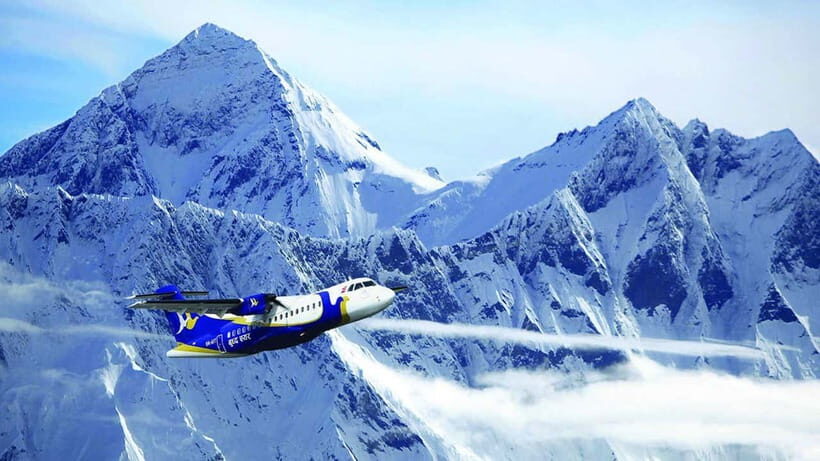
- Guaranteed window seats so you’re not stuck peering through shared angles
- Mountain-name support from the crew, plus a view map to match what you’re seeing
- A dawn-focused timing that gives the peaks a chance to look sharp and glowing
- A route with specific viewpoints: left-side and right-side peaks show up during different stretches
- Short, sweet flight time that makes this easier to fit into a tight Kathmandu itinerary
A 1-Hour Flight That Feels Like a Front-Row Everest Seat
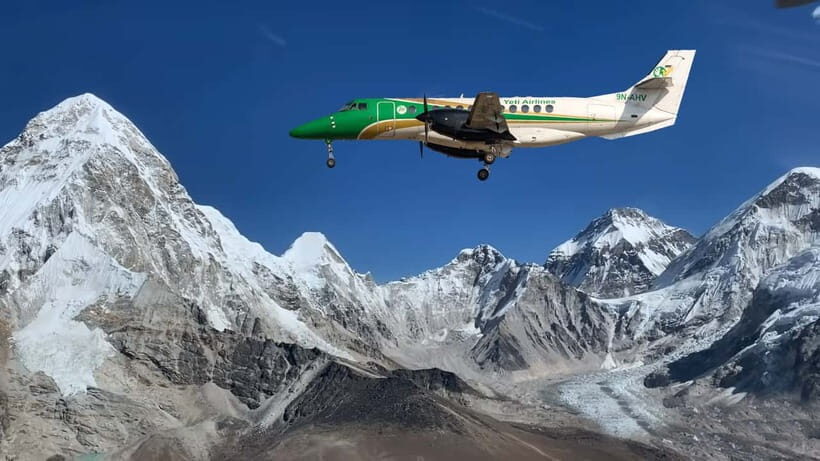
This is one of those Kathmandu experiences that cuts straight to the point. You’re not trekking for days to earn a view. You’re getting a high-altitude perspective in about the time it takes to fly across a medium-distance region at home, but with the world’s biggest mountain walls rising beneath you.
The appeal is simple: from the air, the Himalaya stop being “a view” and start becoming terrain. You can see how ridges stack up, how ice fields spread, and how the valleys carve through the rock. Even when visibility isn’t perfect, you still understand the geometry of it all.
Two things I’d prioritize before you book: first, the flight is designed as a panoramic loop over the Everest area, so you should get multiple chances to spot major peaks. Second, you’re assigned a seat strategy focused on sightseeing—especially because the promise is window seats for everyone.
The consideration: no one can control clouds. If the sky is hazy, you might get silhouettes instead of crisp outlines. Still, the experience can be emotionally intense the moment the peaks appear.
A few more Kathmandu tours and experiences worth a look
Where You Fly: Tribhuvan Airport and the Early-Day Timing
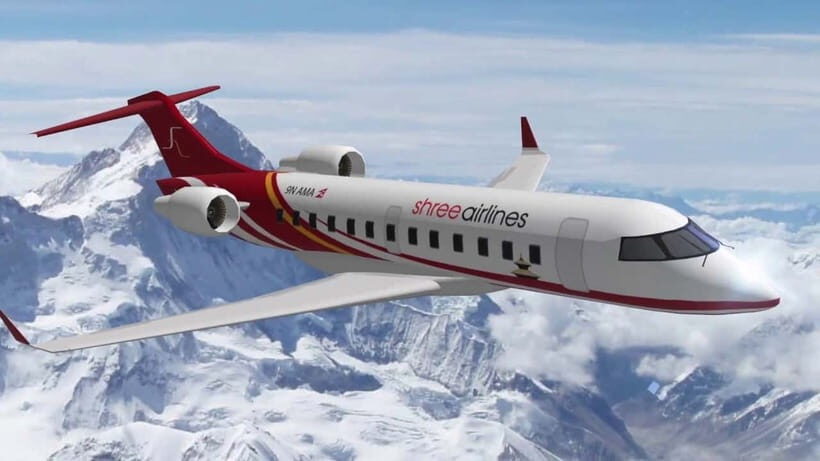
You start from Tribhuvan International Airport in the Kathmandu area. The flight is scheduled around sunrise timing, which matters a lot in the Himalaya. Early light can help the mountain faces look defined, and it often makes snow highlights pop.
Your pickup can be from Lalitpur or Kathmandu, depending on your option. Transfers can be included if you choose the hotel pickup add-on, and drop-off returns you to Lalitpur or Kathmandu. That beats the hassle of figuring out airport logistics at dawn.
The flight itself is listed as 1 hour, so the whole plan is built around keeping it compact. You’re not committing your entire day, which is a big deal when you’re already adjusting to Kathmandu altitude and jet lag.
Group size depends on the aircraft capacity, with a stated maximum range of 16–30 travelers. That’s large enough to be organized, but small enough that you’re not feeling lost in a crowd inside a terminal line all morning.
What You’ll See: Everest, Lhotse, Makalu, and the Khumbu Valley
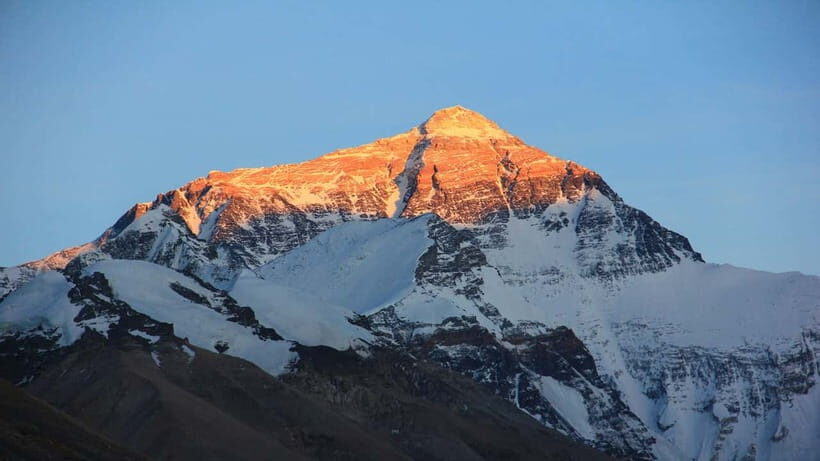
The core promise is what most people really want: a bird’s-eye run over the Everest Himalayas. The route is described as heading east after takeoff, so you’ll be looking for the big-name giants as the aircraft passes different stretches of the range.
In the overview, the highlights you should expect to track include:
- Mount Everest
- Lhotse
- Makalu
- The Khumbu Valley area
- Namche Bazaar from above
Beyond the big three, the description also points out that you’ll look down on the “massifs of rock and ice.” That phrase is more than marketing. From the air, you really do see the mountains as giant blocks—bands of snow, darker rock shelves, and the sudden shape changes where valleys cut through.
Also, the flight includes practical moments to help you orient. You’re not just strapped in and hoping. The crew provides a map, and the onboard team helps identify mountains you’re viewing out the windows.
Left or Right: How the Flight’s Viewpoints Work
One of the smartest parts of this experience is that it’s written like a guided scan of the sky. You’re encouraged to look far left for one set of peaks and to the right for another as the aircraft moves through its path.
For example, the route guidance mentions:
- Looking far left to see Gosaithan, also known as Shishapangma (8,013 meters)
- Looking to the right to admire Phurbi-Chyachu in the Kathmandu Valley
This kind of directional instruction helps you stop thinking like a passenger and start thinking like a viewer. It also matters because aircraft windows can feel confusing when you’re sitting still and everything outside is moving fast.
If you’re the kind of person who loves checking names and spotting shapes, this part will feel like you’re getting a mini “mountain identification” lesson in real time.
Namche Bazaar and Tengboche: Getting the Scale Right
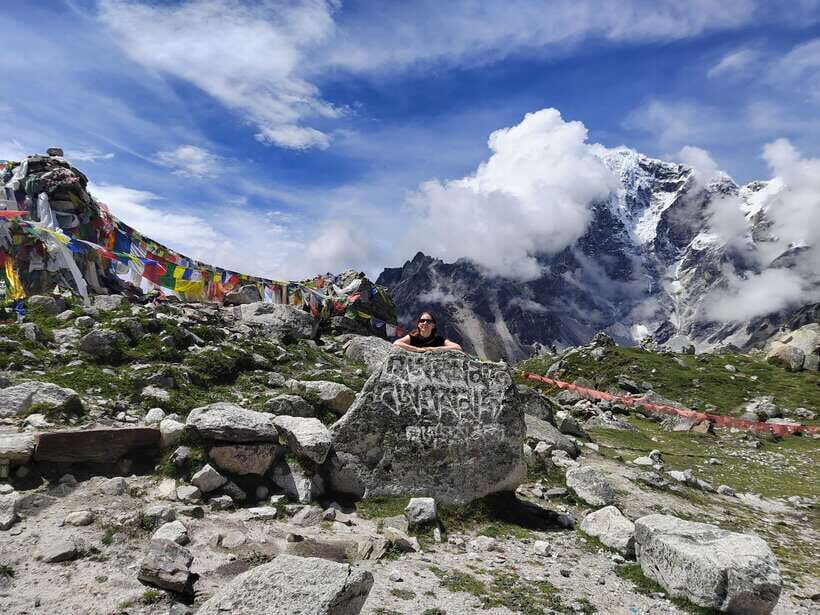
You don’t only fly over peaks. You also fly over the places that connect those peaks to human life. A standout called out is aerial views of Namche Bazaar, one of the best-known gateways into the Everest region.
From the air, Namche isn’t just a dot. You can often see the way settlements cling to contour lines and how the surrounding ridges hem in routes. That’s the kind of scale you can’t get from photos on the ground.
The flight description also points to looking for Tengboche and Ama Dablam from above. Ama Dablam is one of those mountains that looks sharp and distinctive even from far away, so when you catch it on the right angle, it tends to stand out.
This is also where being in the right seat matters. Because the plan is built around window viewing, I’d treat seat location as part of the experience, not a side issue.






Windows Seat Guaranteed: The Crew Map Moment
The “everyone gets a window seat” promise is a big deal on a flight like this. It removes the usual problem where one person has the best angle and the rest are stuck watching through a gap.
In the onboard setup, the crew uses a map to help you identify peaks you’re seeing. You also get mountain names and guidance as the flight progresses. That turns random looking into something more satisfying, like you’re learning while you watch.
There’s also a practical seat concern you should know about: one reported worry is that some seats can be behind the propeller area on a smaller plane. The reassurance from experience is that the aircraft flies high enough that the mountain range is still beneath the propeller, so the view shouldn’t be blocked in a meaningful way.
In other words: even if your seat placement makes you wonder, it’s not automatically a “bad view” seat. The whole route is designed for sightseeing, and the altitude helps keep the peaks visible.
Logistics That Matter: Pickup, Drop-Off, and Timing Buffers
This trip works best if you build in calm time around the airport. You’re leaving early, and the mountains are easiest to see when you’re not rushing or distracted.
Pickup options include:
- Lalitpur option
- Kathmandu option
Drop-off options mirror that—so if you’re staying in either area, you should be able to return without extra taxi hunts.
The program lists “sunrise (1 hour)” timing in the schedule details. Even though the flight itself is the one-hour chunk, plan for an early departure. Dawn in Kathmandu can be cool and quiet, and you’ll want to be ready before you’re standing around trying to look organized.
Also note the stated maximum group size of 16–30 travelers, which typically means you’ll be grouped in a manageable way. It won’t feel like a massive tour bus, but it will still be organized enough to keep the timing smooth.
Price and Value for $140: Is This Worth It?
At $140 per person for a 1-hour flight, the value question comes down to what you’re comparing it to.
If you’re choosing between:
- spending days trekking for Everest views, or
- seeing Everest country from above without time-consuming hikes,
this is a shortcut that still feels like a serious experience. You’re paying for altitude, a panoramic route, and guided mountain identification—not for a long journey.
What strengthens the value is that you’re not buying a vague “maybe you’ll see something” flight. The experience is explicitly structured around named peaks and specific regions, plus guaranteed window seats and onboard map help.
Where the price can feel less worth it is if weather shuts down visibility. The company states that this experience requires good weather. If the flight is canceled due to poor weather, you’ll be offered a different date, but if the flight is canceled due to weather, you’re responsible for the airport transfer charge. That means you should decide whether you can be flexible with your Kathmandu plans.
If you have one or two days in Kathmandu and limited time, this is one of the best ways to get a direct Everest hit without turning your trip into a mountain logistics project.
Weather Rules: Why Clouds Decide the Day
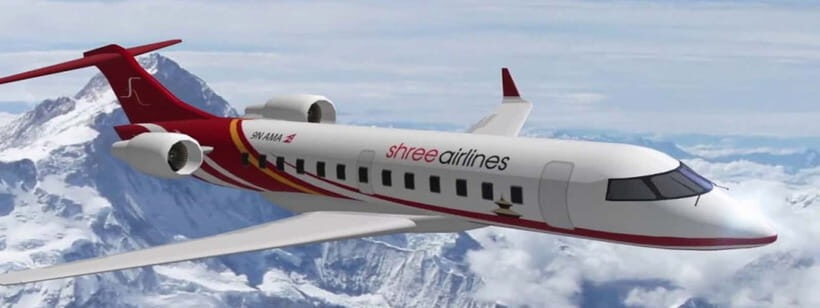
This is Nepal, and aviation in mountain regions means weather is the boss.
The important facts:
- The flight requires good weather
- If it’s canceled due to poor weather, you’ll be offered a different date
- If the flight is canceled due to weather, you cover the airport transfer charge
- There’s free cancellation up to 24 hours in advance for a full refund
What I’d tell you to do with this: keep your expectations realistic, but don’t assume it’s doomed. Clouds can be patchy. You might get a wait and then a go decision when conditions improve even slightly.
The big takeaway is emotional as much as visual: the moment the peaks appear can be powerful. When clouds thin out, the mountains stop looking like a distant sketch and start looking like real terrain.
What’s Included, What’s Not, and What to Bring
Included:
- A trip completion certificate
- Ground transportation if you select the option (pickup and drop-off in Kathmandu/Lalitpur)
- The 1-hour mountain flight with panoramic views
- Windows seat guaranteed
Not included:
- Food and drinks
So, eat before you go or plan something simple beforehand. Also bring what you need for boarding:
- Passport or ID card
One more practical note: confirmation is received at booking time, and the flight runs based on availability for starting times. So you’ll want to double-check the schedule window when you book.
Who This Trip Suits Best
This is a strong fit if you:
- have limited time in Kathmandu
- want a fast, high-impact view of Everest region peaks
- prefer a structured sightseeing flight with names and a map
- want guaranteed window seating without competing for view angles
It’s also a good option if you’re traveling with someone who might not want trekking but still wants a life-changing mountain moment.
It may be less ideal if you:
- hate early mornings
- cannot be flexible if weather disrupts plans
- need a fully predictable itinerary where no delays or rescheduling are possible
Should You Book Kathmandu’s 1-Hour Everest Flight?
My take: book it if you want the Himalaya’s scale in one hour and you can handle weather uncertainty like a grown-up (with grace). The combination of guaranteed windows, a crew map to identify peaks, and a route that’s planned around major Everest-area views makes this more than a casual sightseeing flight.
If you have the budget and at least one flexible day in Kathmandu, this is a high-value splurge. You’ll likely remember it longer than a lot of longer activities.
If you’re on a strict schedule with no wiggle room, consider whether you can shift to a backup date if conditions aren’t right. In mountain aviation, that flexibility is part of the deal.
FAQ
How long is the flight?
The mountain flight is listed as 1 hour.
Is a window seat guaranteed?
Yes. The experience includes windows seat guaranteed.
What places will I see from the air?
The overview highlights panoramic views of Everest Himalayas including Mount Everest, Lhotse, Makalu, Namche Bazaar, and the Khumbu Valley, plus views of places like Tengboche and Ama Dablam.
Does the price include hotel pickup in Kathmandu?
Ground transportation is included if you select the airport pick up option. Pickup and drop-off are available from Kathmandu or Lalitpur.
What happens if the flight is canceled due to weather?
If it’s canceled due to poor weather, you’ll be offered a different date. If the flight is canceled due to weather, you are responsible for covering the airport transfer charge.
What do I need to bring for the flight?
You’ll need a passport or ID card. Food and drinks are not included.