REVIEW · KATHMANDU
12 Days Manaslu Circuit Trek
Book on Viator →Operated by Nepal Treks and Tour · Bookable on Viator
Manaslu Circuit hits hard in the best way. I liked the way you get Kathmandu UNESCO sights first, then jump into real trekking with Larkya La Pass at 5,160m looming on the horizon. The only real drawback is the obvious one: this is a long, high-effort trek, and you’ll want strong fitness before you commit.
What makes this package feel good is how the details are handled for you. You’re met at the airport in Kathmandu, guided through permits for Manaslu Conservation Area and ACAP, and even taken to a welcome dinner in Thamel. In feedback, people highlighted smooth communication and strong guiding, including names like Sarang, Samikshya, Kumar, Lal Mitra Dai, and company owner Shoron da.
Comfort also gets attention. You’re supplied with sleeping bags and down jackets (big deal up high), plus a first aid kit and an English-speaking guide whose expenses are covered. Still, you’ll be doing long days of walking, including cold, steep sections over passes—so plan to move at trekking pace and not tour pace.
In This Review
- Key things that matter on this Manaslu Circuit trek
- Manaslu Circuit’s real magic: Mt. Manaslu views and Larkya La’s hard line
- Kathmandu pre-trek: Thamel, Swayambhunath, Durbar Square, Boudha, Pashupatinath
- Days 3–5: Arughat to Jagat—road-to-trail and the Budhi Gandaki rhythm
- Days 6–8: Namrung to Samagaon—villages, monasteries, and the Manaslu reveal
- Day 9–10: Samdo and Syacha Khola—quiet high-route effort begins
- Day 11: Larkya La Pass at 5,160m—hard climb, huge payoffs
- Days 12–13: From Bimthang down toward Lukla area, then into Annapurna Conservation Area
- Day 14: Fly out of Tribhuvan International Airport
- What’s included (and why it changes your comfort)
- Price and value: is $799 fair for the work involved?
- Guide quality: what the feedback names tell you
- Who should book this Manaslu Circuit trek
- Should you book Nepal Treks and Tour for the Manaslu Circuit?
- FAQ
- Where does the trek start?
- What time is the meeting point?
- Is pickup included?
- How long is the full experience?
- What’s included in the price?
- What’s not included?
- Can I cancel for a full refund?
Key things that matter on this Manaslu Circuit trek
- Private group experience: it’s listed as private, so you’re not squeezed into a mixed crowd.
- Permits handled for you: the guide prepares Manaslu Conservation Area and ACAP paperwork early.
- Warmth included: complimentary sleeping bags and down jackets help with the cold nights.
- One headline day over Larkya La: Day 11 is the hardest, with a steep pass climb and big views.
- Acclimatization built in: the Manaslu Base Camp day from Samagaon gives you altitude practice without going all the way to the top.
- Transportation and airport timing are set: pickup is offered and the meeting time is 7:45am at Tribhuvan International Airport.
Manaslu Circuit’s real magic: Mt. Manaslu views and Larkya La’s hard line
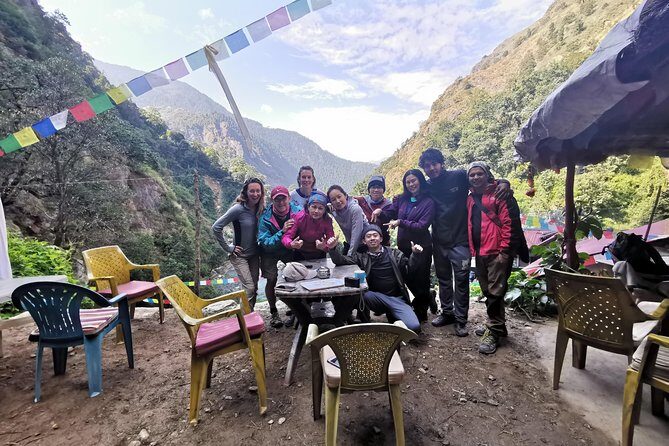
The Manaslu Circuit is the kind of trek where the mountains don’t just decorate the view—they run the whole plan. You’ll spend days in the Budhi Gandaki valley and then push toward the high pass at Larkya La (5,160m). That pass is the pivot point: it’s where the route feels most serious, and where your legs and breathing both get asked to do more than usual.
If you’re chasing iconic Himalayan scenery, this trek delivers. From the route you’ll catch views of the Manaslu range, including Mt. Manaslu (8,163m), plus nearby giants like Ganesh Himal (7,422m) and Himal Chuli (7,893m). On a clear day, the views are wide and sharp—especially around Sama Gaon and during the approach to Larkya La.
One thing to understand upfront: altitude isn’t just a number. The days leading into the pass include steady climbing, river crossings, and long walking stretches. So you’ll feel the effort even before the steep section starts.
You can also read our reviews of more hiking tours in Kathmandu


Kathmandu pre-trek: Thamel, Swayambhunath, Durbar Square, Boudha, Pashupatinath
Your trip starts in Kathmandu, and the pacing is smart. Instead of dropping you straight onto the trail the same day, you get an easy landing: transfer from Tribhuvan Airport to your hotel, meet your guide, then get oriented before the mountains take over.
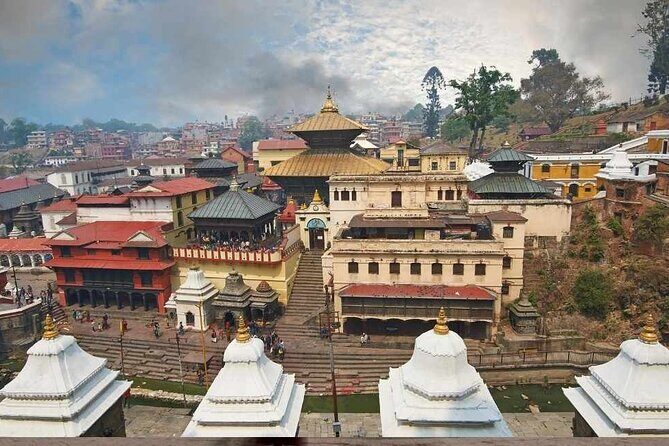
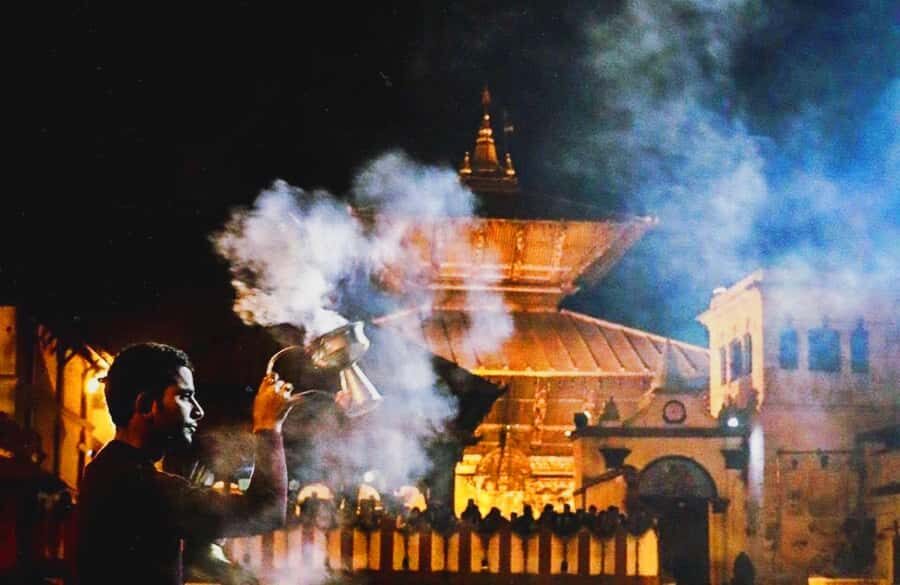
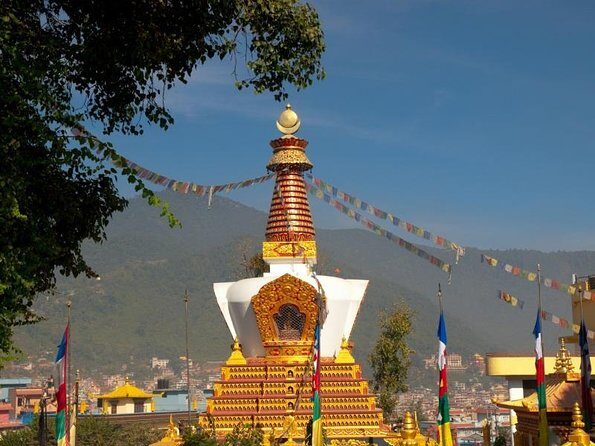
In Thamel, you’ll likely be in the middle of Nepal’s trekking and gear scene. It’s the kind of neighborhood where you can top up small necessities and understand what you’re walking into. Then the sightseeing day is a real mix: Kathmandu Durbar Square, Swayambhunath (Swoyambhunath), Boudhanath, and Pashupatinath. These are UNESCO sites, and the order matters. You get temples and squares first—then you get on with trek prep, permits, and basic planning.
Day 2 also includes admission tickets (so you don’t have to hunt for them), while your guide handles permits for Manaslu Conservation Area and ACAP. That’s a quiet win: paperwork done, stress reduced, and you can focus on packing and rest.
If you’re traveling with jet lag, this Kathmandu warm-up is your buffer. You’ll still be active, but it’s the right kind of active—short walks, viewing time, and a chance to adjust your schedule.
Days 3–5: Arughat to Jagat—road-to-trail and the Budhi Gandaki rhythm
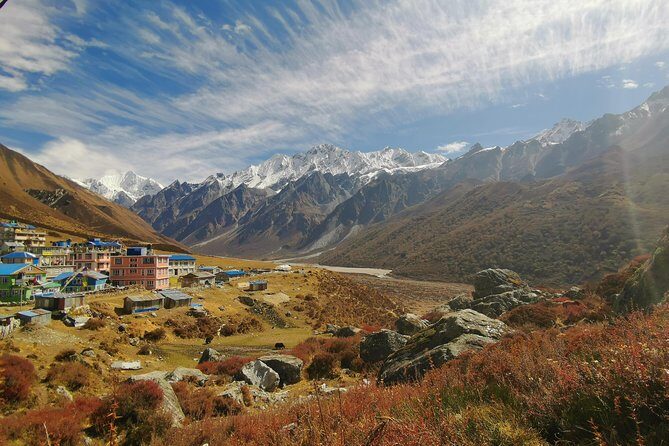
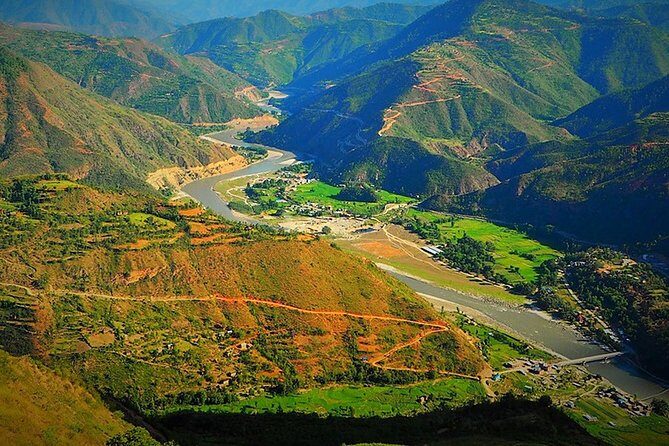
After an early breakfast, you take a road journey northwest of Kathmandu, riding along Trishuli Highway and through gorges before reaching Arughat. This matters because it helps you start trekking with energy, not with a long day of travel squeezed right into your first climb.
From Arughat, the trek officially begins. You walk toward Soti Khola in the Gorkha district. This is the start-day formula: get your boots dirty, learn the rhythm, and settle into the pace your body will use for the rest of the circuit.
From there, the route keeps working the Budhi Gandaki valley. You pass through places like Khorlabesi and Jagat, with a short hike from Khorlabesi to the natural hot spring of Tatopani. That stop is more than a scenic break—it’s one of the few true “body resets” you’ll get early on.
You also cross multiple rivers along the way (Budhi Gandaki, Yaru Khola, and more). These crossings are part of daily life here. Sometimes the trail feels narrow or a bit gritty underfoot, so you’ll want steady footing rather than trying to power-walk.
By Day 5, the walking stretches include long suspension bridge sections and paths through millet fields and thick bamboo forests before reaching Deng. The trek gets more “mountain” in feel here, even while you’re still in the lower elevations.
Days 6–8: Namrung to Samagaon—villages, monasteries, and the Manaslu reveal
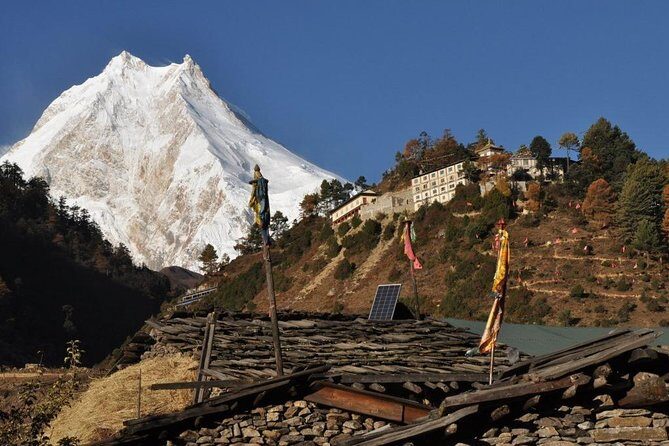
From Deng to Namrung, the trail climbs and repeatedly crosses the Budhi Gandaki. You’ll pass Buddhist monasteries and travel through changing terrain: ridges, valleys, and village stretches where life looks simple and focused on survival. There’s a brief stop at Prok village where Shringi Himal (7,161m) shows itself.
This section is important because it’s where you start noticing how the views begin to “lock in.” Early on, the mountains are partly distant. As you approach Namrung and keep moving toward Samagaun, the peaks become more consistent in the background.
Then comes the Sama Gaon area (Samagaun). This is one of the best zones for big views in the trip. As you head toward Lihi and then onward through villages like Sho, Lho, and Shyala, you’ll get clear looks at Ganesh Himal (7,422m), Shringi Himal (7,161m), and Himal Chuli (7,893m). The Manaslu massif becomes visible from this zone, and it shifts from “maybe” to “there it is.”
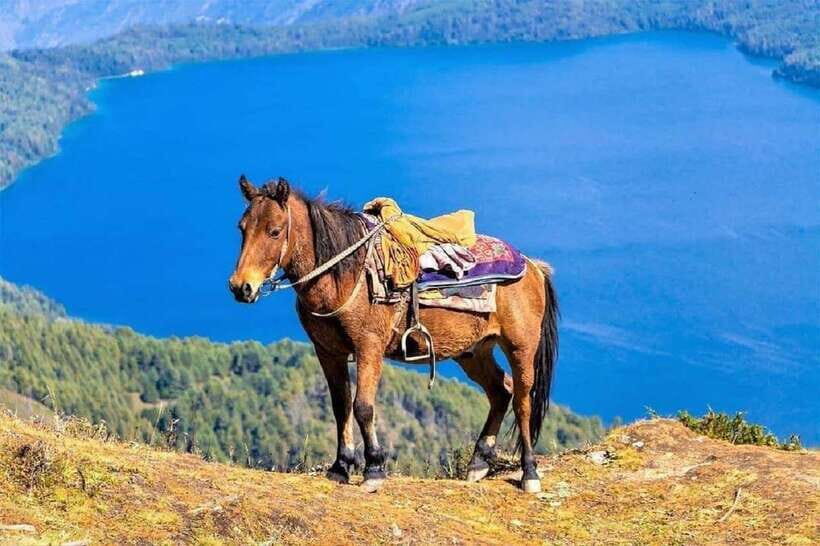
From Samagaon, the day trip to Manaslu Base Camp is a key part of how this itinerary manages altitude. The hike up and back takes around 5 hours, with easier pacing so you can acclimatize instead of exhausting yourself. There’s also a chance to visit Birendra Lake on the way, and the base camp area is described as a vantage point for the full Manaslu range. This is the kind of day that feels less dramatic on paper and more valuable in your body later—because it helps you handle the pass.
Day 9–10: Samdo and Syacha Khola—quiet high-route effort begins
From Samagaon, you push toward Samdo. The trek passes through river areas and includes mani walls, then reaches Kermo Kharka before routing via Kyonggma Kharka to arrive at Samdo. This is when the trail starts feeling more “high country” even though you’re not yet at Larkya La.
Once you’re on the Larkya La trail, you’ll cross Budhi Gandaki River again and continue toward Syacha Khola. Along the way, Naike Peak (6,211m) may appear in the view as you head west. There’s also a highlight around seeing the Larkya Glacier before the climb to Dharmasala (also known as Larkya Phedi).
Dharmasala is where the pass takes over. It’s not the pass itself, but it’s where the air starts to feel sharper. You’re building toward a steep climb the next day, and the body prep begins here: early sleep, steady meals, and no heroics.





Day 11: Larkya La Pass at 5,160m—hard climb, huge payoffs
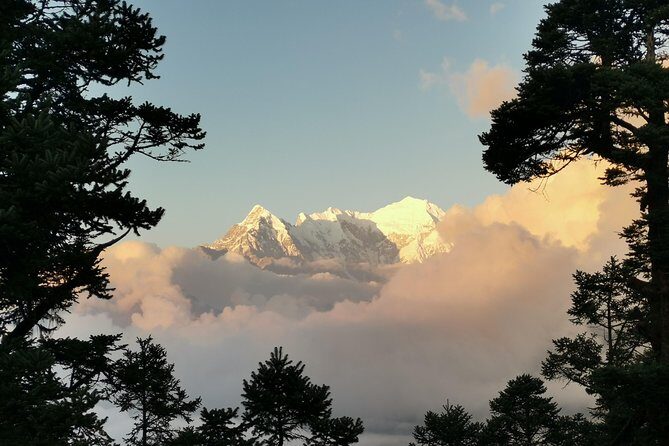
This is the tough day. You leave Dharmasala and ascend along the north side valley of the Larkya Glacier. You’ll see Cho Danda and Larkya Peak (6,249m) during the approach.
Then comes the last segment: a steep climb. That steepness is what most people remember, because it’s where your breathing gets loud and your legs start negotiating. The payoff is the wide mountain view from the top—reported as including Himlung, Cheo, Manaslu, and Annapurna ranges.
After the pass, you descend toward Bimthang. Descending is usually easier than climbing, but it can still be rough on knees and ankles. The trick is to keep it controlled. If you go too fast, you’ll pay later.
This is also the day where your earlier acclimatization (that Samagaon Base Camp option) really earns its keep. Not because it makes the pass easy, but because it gives you a better shot at staying calm and moving steadily when it gets steep.
Days 12–13: From Bimthang down toward Lukla area, then into Annapurna Conservation Area
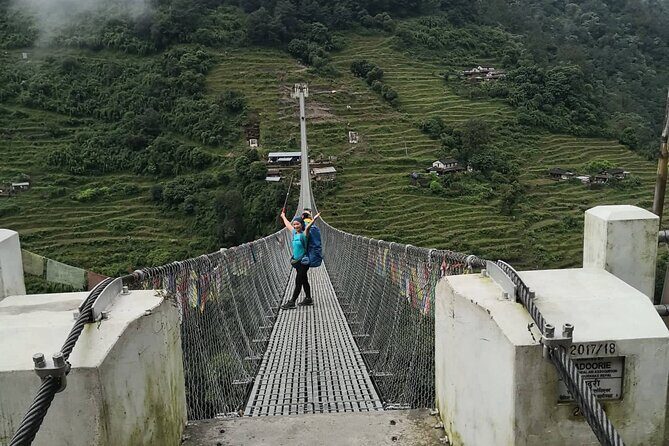
After Bimthang, the itinerary shifts into “get lower” mode. You make your way back toward Lukla from the Namche area, descending through Sagarmatha National Park. You pass hamlets like Monjo and Jorsalle, exit the national park alongside the Dudh Koshi River, and then cross suspension bridges again.
The walk continues through small settlements including Bengkar, Phakding, and Chhuthawa on the way to Lukla. This part can feel surprisingly pleasant compared to the pass day, because it’s more about steady downhill rhythm and village life rather than steep exposure.
Then Day 13 transitions again into the Manaslu-to-Annapurna side of the circuit. You trek south toward Tal, then leave the Manaslu region and enter Annapurna Conservation Area. You’ll encounter native flora and fauna endemic to the Annapurna region (in other words, the ecology changes as you move). There’s a permit check at Dharapani, and then you continue down through Thonje to Karte.
This is a long “finish” phase with several moving parts, so it helps if you stay flexible in mindset. You’re not sprinting to a hotel; you’re walking a route that keeps changing conservation zones and terrain.
Day 14: Fly out of Tribhuvan International Airport
The program ends with a drop-off at Tribhuvan International Airport so you can catch your scheduled flight back home. After days of mountain walking, that last day is mostly about leaving you with time to get settled and not rush.
What’s included (and why it changes your comfort)
This package isn’t just a guide and a route. Included items cover the things that can quietly make or break a trek:
- Warmth gear: complimentary sleeping bags and down jackets. That’s a major advantage on chilly nights when temperatures can swing.
- First aid kit: not a guarantee against anything, but reassuring for practical issues.
- English-speaking guide: the itinerary includes an English-speaking guide and their expenses.
- Fees and taxes: so you’re not scrambling for paid entry items.
- Private transportation: you’re not stuck figuring out logistics between Kathmandu and trailheads.
- Meals: breakfast is listed for 14 days, and lunch (10) and dinner (10) are included in the plan.
You still control the rest: your personal layers, footwear, and any small trekking supplies you like to carry. But the big cold-weather items being handled is the kind of value that feels real, not theoretical.
Price and value: is $799 fair for the work involved?
At $799 per person, this trek sits in the “you’re paying for organization” category, not the “budget expedition” category. The best way to judge value here is to match the price to what you’d otherwise have to source yourself:
- Permits and fees are included, and the guide prepares paperwork for Manaslu Conservation Area and ACAP.
- You get private transportation and airport transfers.
- You’re supplied with sleeping bags and down jackets, which can be expensive to rent or buy.
- Meals are partially included, and the trek is guided start to finish with an English-speaking guide.
The tradeoff for this value is that you’re signing up for a guided program, not a fully DIY route. If you want total independence, this structure might feel limiting. But if you want your time spent on the trail and not on admin, it’s a solid match.
Guide quality: what the feedback names tell you
Even without naming your exact guide, the service pattern shows up clearly in the feedback: strong pre-communication, smooth Kathmandu management, and guides who know how to run the trekking day. Names mentioned include Sarang (plus responsive support), Samikshya, Kumar, and Lal Mitra Dai. Company owner Shoron da also appears in feedback tied to coordination.
A private trek amplifies the difference between an okay guide and a great one, because you’re not blending into a big group. If you get a guide who handles pace, route choices, and questions well, the whole experience feels calmer.
Who should book this Manaslu Circuit trek
This one fits you if:
- You want the classic Manaslu route with Larkya La as the headline.
- You’re okay with a long trek and high-altitude effort.
- You want Kathmandu sightseeing plus real trekking in one organized package.
- You’d rather rely on included gear support and permit handling than manage it alone.
Think twice if:
- You’re not confident with endurance for long walking days.
- You have limited tolerance for cold and steep ascents/descents.
- You’re expecting a short, easy hike. This is a serious circuit, and your fitness will matter.
Should you book Nepal Treks and Tour for the Manaslu Circuit?
If you want an organized trek that handles the important logistics (permits, transport, guided route) and gives you warmth gear, I’d consider it a smart booking. The biggest “yes” signal is how the plan is set up for acclimatization (that base camp day) and how the pass day is treated as a real milestone.
If you’re unsure about your fitness, do the honest prep first: train for long hikes and talk with a medical professional if you have any altitude concerns. This trek will reward serious effort.
FAQ
Where does the trek start?
The tour starts at Tribhuvan International Airport in Kathmandu, Nepal.
What time is the meeting point?
The start time listed is 7:45 am.
Is pickup included?
Yes, pickup is offered.
How long is the full experience?
The duration is listed as about 14 days (approx.), with the Manaslu Circuit being the core trekking portion.
What’s included in the price?
Included items are a first aid kit, complimentary sleeping bags and down jackets, an English-speaking guide, guide expenses, all fees and taxes, private transportation, and meals (breakfast for 14 days, plus lunch and dinner as listed).
What’s not included?
Not included are the Nepal visa fee, travel insurance, and tipping for guide(s), porter(s), and driver(s).
Can I cancel for a full refund?
You can cancel for a full refund if you cancel at least 24 hours before the experience starts.
If you want, tell me your hiking background (how many days you’ve done at altitude or long-distance trekking), and I’ll help you judge whether this route looks like a comfortable fit for your timeline.