REVIEW · KATHMANDU
12 Days Annapurna Circuit Trek from Kathmandu
Book on Viator →Operated by CAN Travels · Bookable on Viator
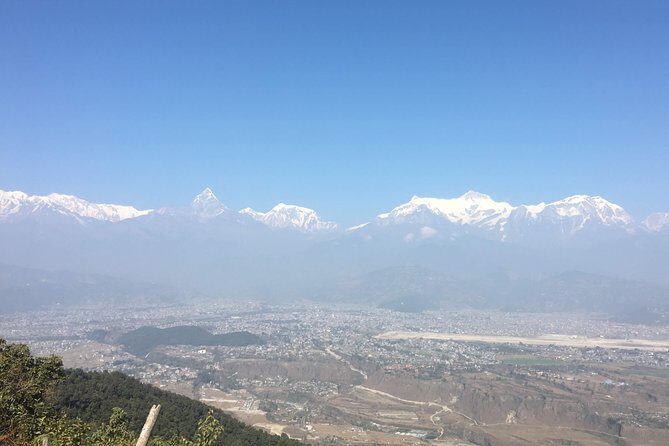
Five thousand-plus meters changes your breathing fast. This 12-day Annapurna Circuit trek from Kathmandu is built around a Sherpa-guided route and a steady rise from the Marshyangdi Valley into drier Manang and the high, windswept terrain that feels closer to Mustang. You’ll chase panoramic views of Annapurna, Dhaulagiri, and Manaslu, with the big moment being Thorong La Pass (5,416m). Just be ready for the physical grind and altitude; the trip calls for strong fitness, and the long day toward Muktinath can feel punishing in strong winds.
I like that the rhythm is practical: a mix of trekking days and road days, with guesthouse stays during the hike and hotel time in Kathmandu and Pokhara. You’ll start in Thamel after pickup from Tribhuvan International Airport, then work your way up through places like Chame, Pisang, and Braga before higher passes. The plan includes acclimatization time around Manang, not just a straight shot upward.
The other reassuring piece is that core admin is covered: trekking permits and official documents are included, plus transfers (including a shared bus portion) and even a trekking pole per person. It keeps you focused on the trail instead of paperwork.
In This Review
- Key points before you commit
- What You’re Really Getting on This Annapurna Circuit Trek
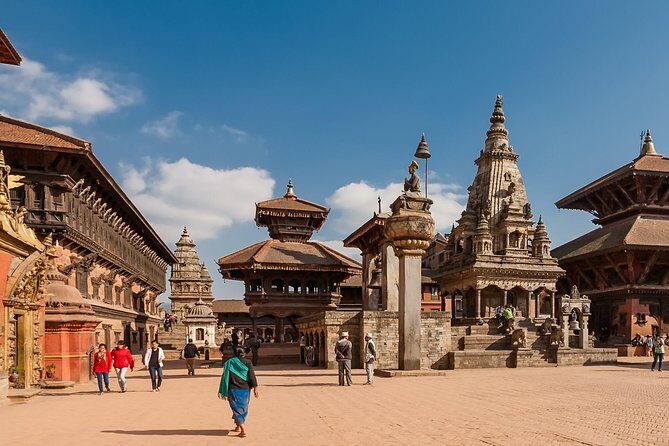
- Thamel Welcome: Day 1 Pickup and the Kathmandu Start Pace
- Chame Road Trip: Rivers, Long Drives, and Why It’s Part of the Deal
- Upper Pisang to Braga: Suspension Bridges and Tibetan-Style Architecture
- Manang Acclimatization: The Slow Day That Helps You Finish
- Yak Kharka to Thorong Phedi: Juniper Forests and the Pass Setup
- Thorong La Challenge and the Long Push Toward Muktinath
- Kali Gandaki Valley to Jomsom: Meadows, Orchards, and Kagbeni
- Getting to Pokhara: A 7–8 Hour Reset and Phewa Tal Time
- Guide Power: How English-Speaking Sherpa Support Changes the Trip
- Price and What It Really Buys: The $680 Value Check
- Who This Trek Fits Best (and Who Should Think Twice)
- Practical Tips So You Enjoy the High Days More
- Should You Book This Annapurna Circuit from Kathmandu?
- FAQ
- How long is the Annapurna Circuit trek?
- What does the price include?
- What is the meeting time?
- Where does the trek start in Kathmandu?
- Are guides English-speaking?
- Is food included in the trek price?
- Do I get trekking poles?
- What kinds of accommodations are used?
- Is this a private tour?
- What if I need to cancel?
Key points before you commit
- English-speaking Sherpa guidance: You’re not left to guess trails, pacing, or culture stops.
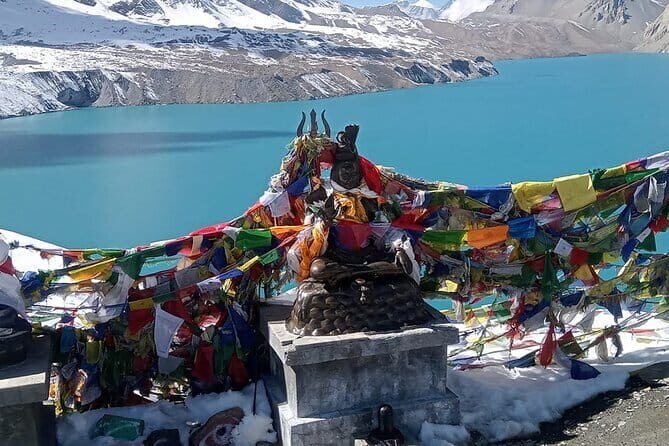
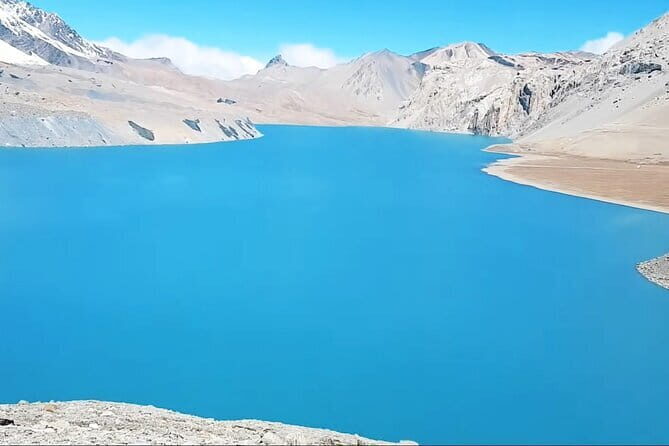
- Thorong La at 5,416m: The itinerary is clearly built around the high-pass challenge.
- Acclimatization around Manang: You get a planned buffer before going higher.
- Guesthouse comfort on the trek: Simple stays, meals available for purchase, and a steady routine.
- Trekking pole included: One less thing to organize before you fly.
- Permits and documentation handled: Fewer logistics headaches before the hiking starts.
What You’re Really Getting on This Annapurna Circuit Trek
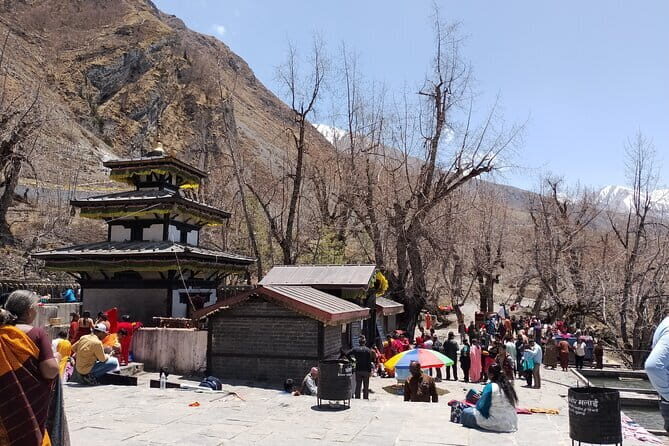
This is the classic Annapurna Circuit format, but with a clear “support your body and manage the logistics” mindset. You get a full trek through big elevation change—lush green valleys up top, then increasingly drier, harsher terrain as you climb toward the pass country. Along the way, you’re also threading cultural stops in villages tied to Gurung, Manang, and Tibetan communities, with Buddhist monasteries and stupas as part of what you’ll see.
The heart of the trip is the climb to altitude, then the transition to the other side of the range. That means you’ll feel the difference day to day: thinner air, windier conditions, and changing vegetation. If you’ve only done lower-elevation hikes, you should expect a different kind of effort. Your pace will slow. Your breathing will get loud in your own ears. That’s normal here.
I also appreciate that the operator builds in real acclimatization. Around Manang, the trek pauses for your body to adjust, and it’s not just “take a break” as a slogan. The trip is framed around staying active while your altitude tolerance catches up.
You can also read our reviews of more hiking tours in Kathmandu


Thamel Welcome: Day 1 Pickup and the Kathmandu Start Pace
Day 1 is about getting you set up cleanly. When you land at Tribhuvan International Airport, you’re met by a Sherpa Expedition & Trekking representative and taken by private vehicle to your hotel. The plan includes checking in after arrival and getting settled in Thamel, a convenient base for orientation and last-minute gear needs.
The tour’s start time is listed as 4:15 pm, so I’d plan your day around that. If your flight lands earlier, you’ll still want time to confirm details, meet your guide, and do basic prep like picking up anything you forgot.
This first day isn’t meant to tire you out. It’s meant to get you oriented, rested enough for the road trek next day, and comfortable with your guide and group rhythm.
Chame Road Trip: Rivers, Long Drives, and Why It’s Part of the Deal
Day 2 is a road trip day, and it matters. You cross major rivers on the way out—there’s a mention of the Trishuli River (with rafting possible) and the Marsyangdi River near Chame. The drive starts through Besisahar and ends at Chame.
The positive side: you’re not spending every day grinding uphill with a full load. The road transfer gives you a chance to recover, eat, and keep the legs fresh for the hiking days that follow. The trade-off: you are still on the move for about 9 hours, so it won’t feel like a short warm-up. If you dislike long sitting time, bring what you need to make the ride tolerable.
This is a good day to adjust expectations. Your trek isn’t only footsteps—it’s also getting into position.
Upper Pisang to Braga: Suspension Bridges and Tibetan-Style Architecture
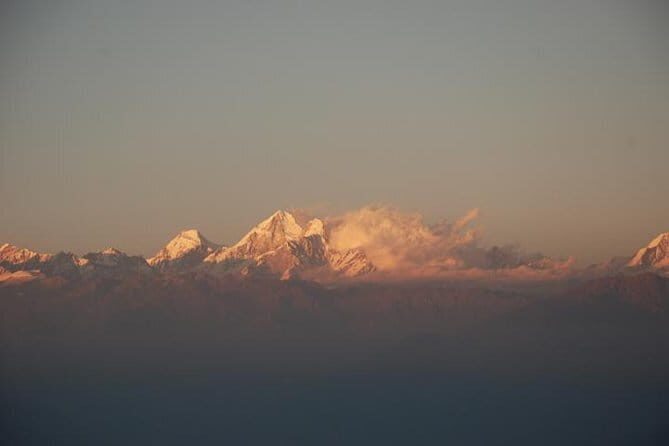
On Day 3, you start trekking out of the Chame area, passing places like Telekhu and working toward Upper Pisang. The day includes trail views of the Annapurna Ranges and Mt. Pisang (6,091m). A small but memorable detail is that you re-cross a suspension bridge, which is the kind of “you’re really here” moment you notice later when you’ve been walking for days.
You’ll reach Upper Pisang and spend the night there.
Day 4 shifts the feel toward Tibetan-style settlement. From Pisang, you begin the trek in the upper Manang area and head to Braga, described as a Tibetan village with distinctive architecture. The houses are built one upon another, stacked vertically in a way that makes the town feel compact against the terrain.
Day 4 is about seeing how culture adapts to altitude and slope. It’s not just pretty scenery; it’s a living response to a harsh environment. If you like learning while you walk, this segment delivers.
Manang Acclimatization: The Slow Day That Helps You Finish
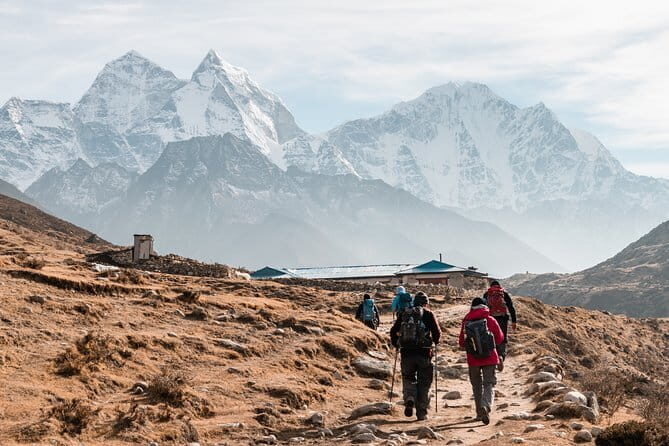
Days 4 and 5 are where the trek turns from “go up” into “go up smart.” After spending time around Manang, the plan explicitly includes acclimatization. The trip even frames it with a health message: professionals recommend acclimatizing before higher elevations and staying active.
What that means for you on the ground is a more controlled day plan. You’re not trying to rush altitude while your body is still adjusting. Instead, you get time to breathe a little easier, then continue the ascent when you’re ready.
The practical value here is obvious: if your body acclimates better, you’re more likely to keep a steady pace on the harder days that follow. And with a pass at 5,416m, that matters.





Yak Kharka to Thorong Phedi: Juniper Forests and the Pass Setup
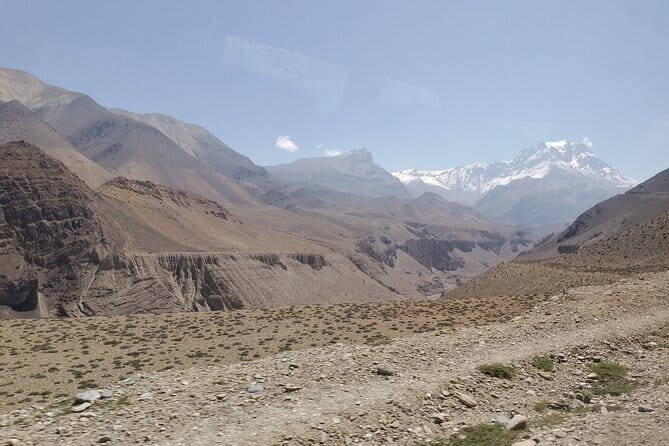
Day 6 pushes uphill in a big way. You trek about 10.4 km uphill to Yak Kharka, passing through juniper forests. The route also includes the simple, human detail that you might see yak grazing in the alpine pastures. There’s also a mention of the only teahouse at Thorong Khola, which tells you this is the kind of day where services can get sparse, so planning and pacing matter.
Day 7 is your approach day to the pass base. You slowly ascend along the east bank of the Jarang Khola and reach Thorong Phedi—noted as meaning foot. This is the “you’re close now” day, where your mind starts connecting effort with the pass on the calendar.
Even though the trek days are only around 6 hours listed here, these hours feel different at altitude. You’ll likely walk slower than you think you will. That’s part of the game. Let the pace match the altitude, not your ego.
Thorong La Challenge and the Long Push Toward Muktinath
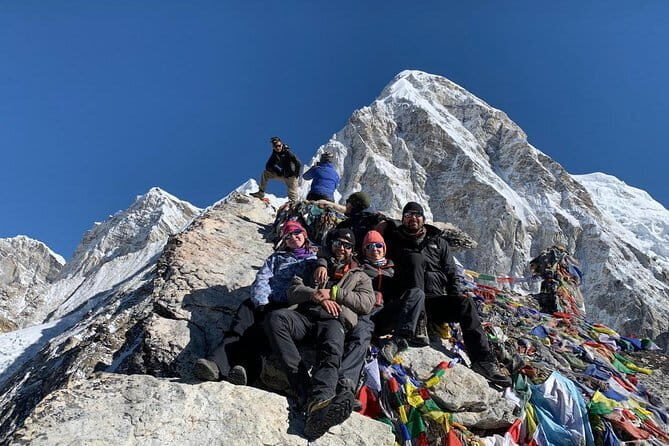
Day 8 is likely the most demanding day in the schedule. It’s described as 8 to 9 hours of hiking, and the reason is altitude plus conditions. You’re told the higher altitude makes it more difficult, and strong winds can be a factor.
This is the day where the Thorong La Pass (5,416m) is part of your reality. The plan’s structure sets you up on Thorong Phedi the day before, then the next day takes you toward Muktinath. So mentally, you should treat this as the main event: the long climb, the high air, and the wind risk.
If you tend to sprint at the start of hikes, I’d resist that. On a day like this, steady effort wins. You’ll feel better if you start slightly conservative, then gradually find your rhythm.
And once you reach Muktinath, you’ve basically crossed from one world to the next. The name alone isn’t what matters; the experience of getting there is.
Kali Gandaki Valley to Jomsom: Meadows, Orchards, and Kagbeni
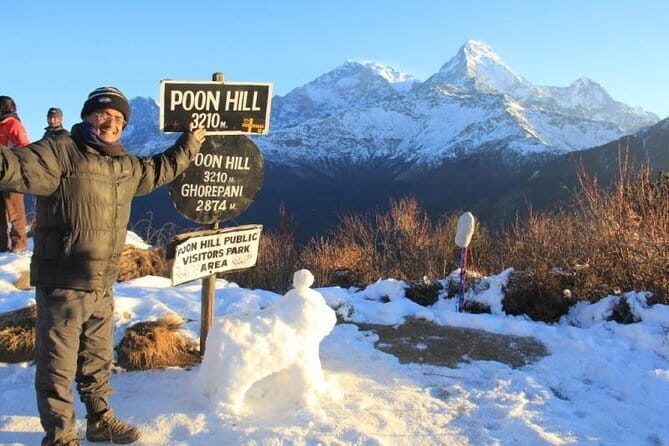
Day 9 leaves Muktinath and heads through the Kali Gandaki Valley. The day includes sections described as lush meadows, orchards, and streams, which is a nice contrast after the high-pass days. You also pass the village of Kagbeni before reaching Jomsom.
Kagbeni is called out as notable, though the text cuts off mid-sentence in the provided info. Still, the key takeaway is that it’s a recognized village stop in this valley route—exactly the kind of place where you get a glimpse of how communities live at these altitudes.
Day 9 trekking time is about 6 hours, so it’s not a sloggier day than the pass push. It’s a recovery-in-motion day—still physical, but mentally lighter than the hardest stretch.
Getting to Pokhara: A 7–8 Hour Reset and Phewa Tal Time
Day 10 switches gears. You drive to Pokhara by local bus for about 7 to 8 hours, with a stop through Tatopani via Beni Bazaar. That’s a long ride after days of hiking, but it also gives you what you need after high altitude effort: time off your feet.
Pokhara is described as famous for Phew Tal (spelled that way in the provided info), and it’s a popular destination. I’d treat Pokhara like your reset button: dinner, a walk, maybe some lake time if the weather is kind. You’ll have one night in Pokhara with breakfast included, so you can sleep without worrying about your next pack-out day.
Day 11 continues the return to Kathmandu, another 7 to 8 hour drive. By then, you’ll have a lot of trail noise in your head, and the drive lets it settle into memories instead of effort.
Day 12 is your final airport transfer. You’ll be taken to Tribhuvan International Airport at least three hours prior to departure. It’s a smart buffer day when you’re coming home from a remote area.
Guide Power: How English-Speaking Sherpa Support Changes the Trip
This trek lives or dies on the details of pacing, safety, and interpretation. The trip includes a friendly English-speaking trekking guide, and the company describes experienced Sherpa guides who share history and culture along the way.
The names that show up as especially praised for this route include Biru, Milan, Amrit, and Krishna. If your guide is one of these, you’re in good hands based on previous experiences. Even when your guide isn’t named in past feedback, the core promise here is consistent: guidance that covers trail know-how and cultural context, not just walking instruction.
You also get a trekking pole per each person. That’s not flashy, but it’s practical, especially when you’re dealing with steep segments and long days.
Price and What It Really Buys: The $680 Value Check
The price is listed at $680 per person for about 12 days. On paper, that can look either high or low depending on what you assume is included—so here’s what the package covers based on the provided details:
Included:
- Hotel pickup and drop-off round trip
- A friendly English-speaking trekking guide
- Trekking permit and official document handling
- Accommodation: 2 nights in Kathmandu and 1 night in Pokhara (with breakfast), plus guesthouse during the trek
- Round trip transfer by shared bus according to the itinerary
- Private tour (only your group)
- Trekking pole per person
- Mobile ticket option
Not included:
- Food and drinks, available for purchase at about US$25 per day
- Gratuities (optional)
So is $680 a good deal? For me, it looks strongest if you value having permits handled, transfers organized, and a guide who keeps you on a safe, realistic schedule. Food costs can add up, but the plan already tells you what to expect with a per-day estimate.
If you were planning to DIY permits, arrange transport, hire a guide, and secure guesthouse stays on top of that, you’d likely spend far more time and stress than the trek itself is worth. The value here is in coordination.
Who This Trek Fits Best (and Who Should Think Twice)
This experience is best for people who want the full Annapurna Circuit experience, including:
- real altitude exposure up to Thorong La Pass (5,416m)
- a mix of culture and trekking, not just one or the other
- a guided setup that’s meant to handle permits, pacing, and the day-to-day plan
The provided info also explicitly says you should have a strong physical fitness level. That’s not marketing fluff here. The longest day is listed at 8 to 9 hours near Muktinath, and winds are mentioned as a factor.
If you’re someone who needs very flexible, slower hiking every day, you might feel cramped by the fixed structure. This trek isn’t described as custom-built for gentle pacing; it’s built for people who can handle a set plan.
Also, note that the tour is private for your group, but it includes shared bus transfers at parts of the route. So you’ll enjoy privacy with your group, while the larger transport may still have shared logistics.
Practical Tips So You Enjoy the High Days More
A few things I’d do before you go, based on how this route is described:
- Train for long uphill days. You’ve got a day listed as 10.4 km uphill to Yak Kharka and another long day of 8 to 9 hours toward Muktinath.
- Plan for wind. Strong winds are specifically mentioned on the high-altitude stretch, so treat weather as part of the effort.
- Expect slower hiking at altitude. Even when days are listed at 6 hours, the air can make that time feel heavier.
- Budget for meals. Since food and drinks aren’t included, use the provided estimate of about US$25 per day and don’t be surprised by the total.
Should You Book This Annapurna Circuit from Kathmandu?
I’d book it if you want a guided Annapurna Circuit that mixes big high-pass altitude with cultural village stops, and you prefer not to manage permits and logistics yourself. The inclusion of trekking permits, official document support, guesthouse coordination, and even a trekking pole per person makes the whole thing feel more “ready to go” than many cheaper DIY-style options.
I’d think twice if altitude turns you anxious or you’re not confident with the physical demands spelled out here. This itinerary is built for people with strong fitness, and the day toward Muktinath is clearly the tough one.
If you’re in good shape and you want the real Annapurna Circuit, this is the kind of organized trek that lets you spend your attention on walking, learning, and watching the mountains change as you climb.
FAQ
How long is the Annapurna Circuit trek?
It’s listed as 12 days (approx.).
What does the price include?
The package includes hotel pickup and drop-off round trip, a trekking guide, trekking permits and official documents, Kathmandu (2 nights) and Pokhara (1 night) accommodations with breakfast, guesthouse accommodation during the trek, shared bus transfers, and a trekking pole per person.
What is the meeting time?
The start time is 4:15 pm.
Where does the trek start in Kathmandu?
You’ll start in Thamel, Kathmandu, with pickup from Tribhuvan International Airport to your hotel.
Are guides English-speaking?
Yes. The guide is described as friendly English-speaking, and experienced Sherpa guides are used.
Is food included in the trek price?
No. Food and drinks are not included. They’re available for purchase at about US$25 per day.
Do I get trekking poles?
Yes. A trekking pole per each person is included.
What kinds of accommodations are used?
You’ll have hotel stays with breakfast in Kathmandu and Pokhara, and guesthouse accommodation during the trek.
Is this a private tour?
Yes. It’s described as a private tour/activity, meaning only your group participates.
What if I need to cancel?
You can cancel up to 3 days in advance for a full refund. If you cancel within 3 days of the experience start time, the amount paid is not refunded.