REVIEW · POKHARA
Private 7 – Day Annapurna Base Camp Trekking
Book on Viator →Operated by Nepal Alternative Treks & Expeditions Pvt. Ltd. · Bookable on Viator
Annapurna Base Camp isn’t a stroll. This private 7-day trek gets you into the Annapurna region with a guide-and-porter team and a paced route that works with how you actually move, not some factory schedule. You’ll sleep in tea houses, eat well along the way, and work your way toward big views of Annapurna I and Machhapuchhre from the first terrace breakfast.
I love how much is taken off your plate: meals and lodge accommodation during the trek, permits, and the key jeep transfers are handled for you. I also like that you’re not on your own—your guide manages the day-to-day decisions, including pacing and the details that make a trek feel easier. One consideration: this route includes plenty of uphill/downhill and lots of stone steps, so you’ll want solid hiking legs and a calm attitude about altitude.
In This Review
- Key things I’d pay attention to
- Pokhara start: the private trek setup you’ll feel on Day 1
- Day 1 Chhomrong: terrace breakfast and the jeep-to-trek shift
- Day 2 Chhomrong steps to Sinuwa and Bamboo: the day that sets your hiking rhythm
- Day 3 Bamboo to Deurali: climbing past Dovan and the weeping wall
- Day 4 Deurali to Annapurna Base Camp: Modi River, icy cave, and the big approach
- Day 5 Annapurna Base Camp exploration: the 360-degree payoff day
- Day 6 Jhinu Danda hot spring: bamboo forests, ridge walking, and recovery
- Day 7 Samrung walk and drive back to Pokhara: last views, then road time
- Price and value: what $625 actually buys you
- How the team support shows up (and why it matters at altitude)
- Who should book this trek, and who should think twice
- Should you book Private 7-Day Annapurna Base Camp?
- FAQ
- Where does this trek start and end?
- What time does the trek start?
- How long is the trek?
- Is this trek private?
- What’s included in the price?
- What is not included?
- Do I need travel insurance?
- Can it be canceled, and what happens with bad weather?
Key things I’d pay attention to
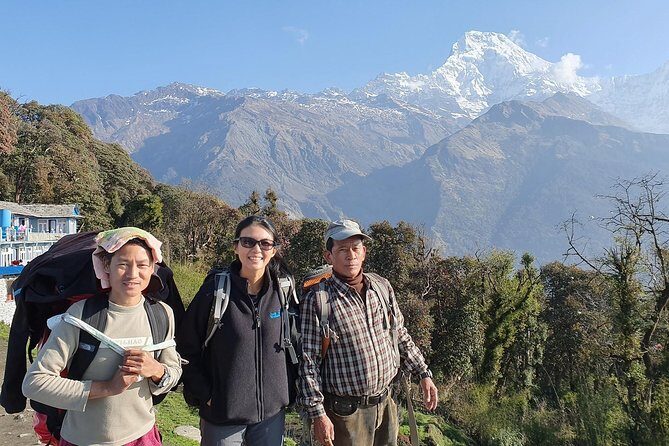
- Private guide and porter fees included so you can focus on walking and asking questions
- Tea-house nights with meals included means fewer “what’s the plan?” moments
- Permits and ACAP covered so you’re not scrambling for documents
- Oxygen saturation and water purification included for practical safety habits
- Emergency rescue evacuation assistance for peace of mind in remote country
Pokhara start: the private trek setup you’ll feel on Day 1
This trip starts from Pokhara Lakeside (start time 8:15 am). You’ll begin in a spot that’s easy to reach, and the overall rhythm is designed for people who want the Himalayas without turning the days into logistics homework.
The most important value here is the “private” part. It’s just your group, with one government registered trekking guide and porters included (plus their expenses). That means you can move at your pace, stop when your body asks for it, and keep the trek from turning into a race against someone else’s timetable.
You’ll also get a bunch of trek support items that are easy to forget if you’re doing things independently: a trekking map, water purification, duffle bag, and oxygen saturation. It’s the small stuff that makes a difference once you’re hours from cell service.
You can also read our reviews of more private tours in Pokhara
Day 1 Chhomrong: terrace breakfast and the jeep-to-trek shift
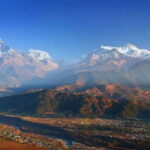
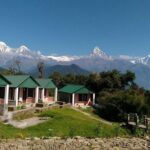
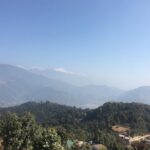
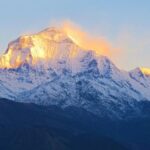
Day 1 is all about getting your first big view fix. You start with breakfast from a terrace with sightlines toward Annapurna I (8091m) and Machhapuchhre (6997m). Even if the mountains are partially cloudy, that first morning sets expectations: this is serious mountain country.
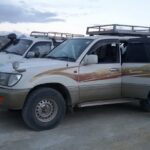
After breakfast, you pack up and take a jeep ride for about 2.5 hours as you transition from Pokhara area logistics into the trek world. The benefit of this approach is that you save your early energy for walking where it matters—especially helpful if you’re traveling from sea-level and want less chaos in the first day.
Chhomrong is a classic “good first night” zone because it gives you that mix of village life and mountain drama. Just be ready for the first day to feel busy: views, vehicle time, then the start of proper hiking routines.
Day 2 Chhomrong steps to Sinuwa and Bamboo: the day that sets your hiking rhythm
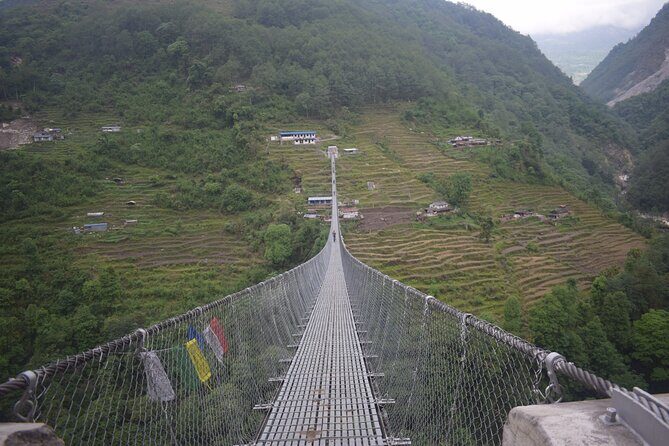
Day 2 is where the trek either clicks for you… or you realize you should have done a few more stair workouts at home. You’ll descend about 2500 stone steps and cross a bridge above Chhomrong Khola, then the day turns uphill again.
From there, you climb toward Sinuwa and take lunch there. After lunch it’s on to Bamboo for overnight. This day is useful because it teaches you how the rest of the trek will feel: short bursts of effort, then recovery, then another push.
Why it’s worth it: the route moves through layered terrain—valley to village to forest-edge feeling—so you don’t just “go up.” You travel. And Bamboo is a friendly staging point for the next day’s climb because you’ve already trained your legs for the rhythm.
If you dislike steep stair descents, keep your strategy simple:
- Short steps
- Light grip on railings when available
- Don’t force speed on the way down
Day 3 Bamboo to Deurali: climbing past Dovan and the weeping wall
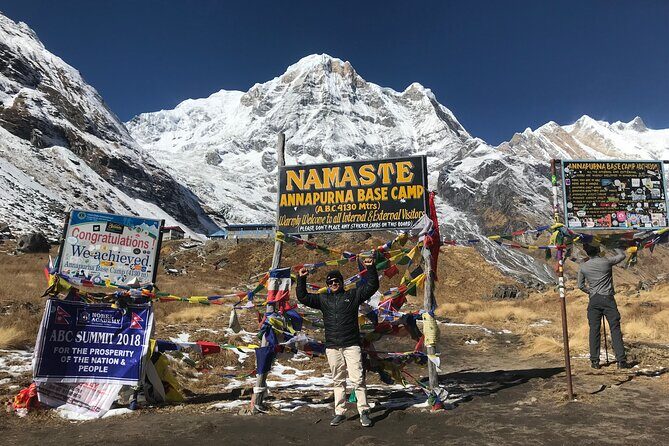
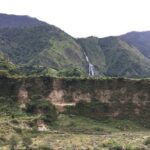
Day 3 starts with a real climb. You leave Bamboo and begin moving toward Deurali, passing through spots like Dovan and climbing along a feature locals describe as the weeping wall, plus a local shrine area en route.
This is the type of day where your guide’s role becomes obvious. A good guide doesn’t just know the route; they manage your breathing pace, help you read the trail conditions, and keep you from burning energy too early. The route runs through alpine-flavored scenery as you gain altitude, so your body may feel it even if your mind thinks it’s fine.
You’ll reach Deurali by the end of the day. Deurali is a practical staging point: it’s high enough to make the base-camp approach feel real, but it’s not the final destination panic zone.
Expect:
- Cooler air
- More “steady climb” than “sprinter climb”
- Enough scenery to make stopping feel worth it
Day 4 Deurali to Annapurna Base Camp: Modi River, icy cave, and the big approach
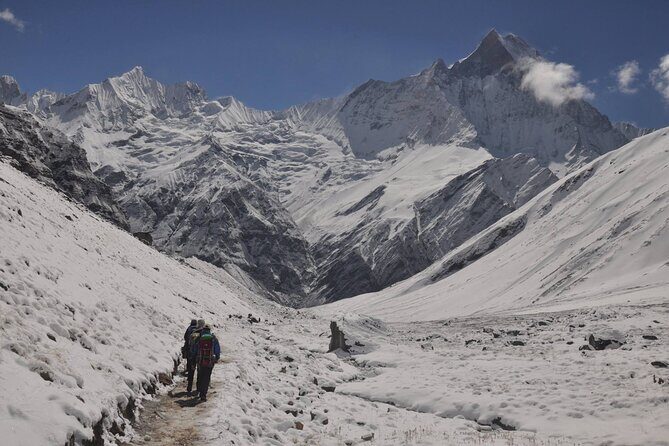
Day 4 is your main push toward base camp. The trail climbs alongside the Modi River, and you’ll trek through alpine forests as the day progresses.
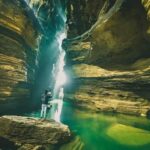
You also pass a neatly stacked rock area and then head toward an icy cave before continuing toward Machhapuchhre Base Camp country. Even without turning this into a geology lecture, the route feels different once you’re near those cold, high-alpine features. The air changes. The light changes. And suddenly your “just trekking” mindset becomes a “we’re really here” mindset.
By the end of the day, you’re at Annapurna Base Camp. The walk time listed is about 5 hours, but what matters more than the clock is how it feels—today is often where you notice altitude, especially if you haven’t had practice with slow hiking.
The payoff is that you’re not just arriving at a point on a map. You’re arriving after a sequence of landscapes that make base camp feel like a destination, not a checkbox.
You can also read our reviews of more hiking tours in Pokhara
Day 5 Annapurna Base Camp exploration: the 360-degree payoff day
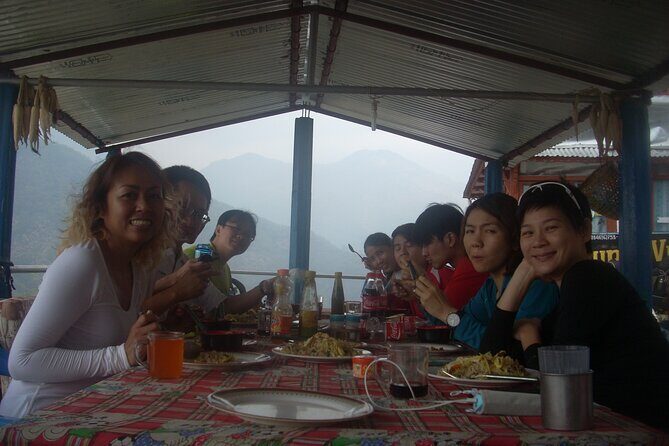
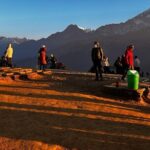
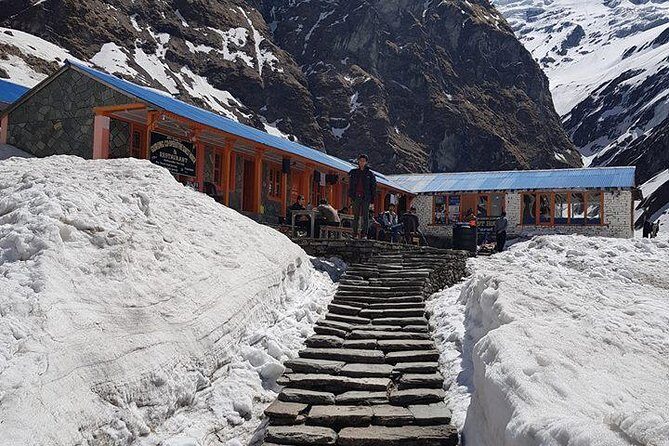
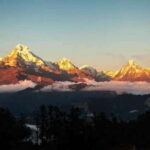
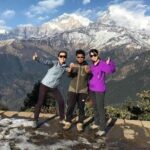
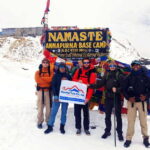
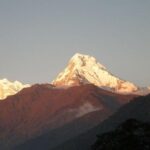
Day 5 is your base-camp time. You start with exploration at Annapurna Base Camp, and this is the day built for views. The area is known for panoramic 360-degree views over the Annapurna massif, and it’s also one of those places where you can stand still longer than you planned.
This is your chance to:
- Walk out to vantage points without rushing
- Take lots of photos (then still look at the mountains with your eyes)
- Ask your guide what you’re seeing, even if it’s just the general names and ridge logic
The trek time here is longer—about 8 hours—so it’s not just a sit-and-snap day. You’ll likely spend time at base camp and also move back down toward where you’ll sleep for the night. That return-down portion is part of the “smart trekking” rhythm: you get your views, then you start respecting the altitude with a controlled descent.
Day 6 Jhinu Danda hot spring: bamboo forests, ridge walking, and recovery
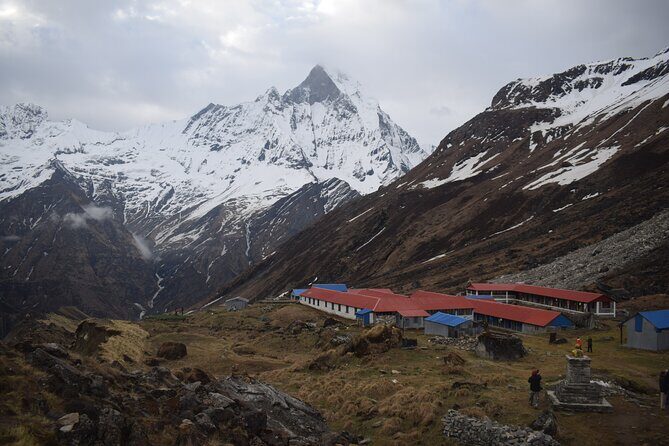
Day 6 is the classic “earn your bath” day. You leave Bamboo and head through bamboo forests, then walk along a narrow ridge toward Sinuwa.
After Sinuwa, the route shifts downhill toward the Chhomrong River area, and then you head to Jhinu Danda Hot Spring. The itinerary frames this as a highlight for a reason: after days of walking, your legs appreciate a slow soak and you get a reset before the final travel day.
You’ll be moving roughly 6 hours on Day 6, but the hot spring stop changes the feel of the day. This is where the trek shifts from “effort” to “I can breathe again.”
Small practical notes for hot springs:
- Bring something you can change into quickly
- Keep an eye on footing around slick areas
- Don’t stay so long that you feel chilled afterward
Day 7 Samrung walk and drive back to Pokhara: last views, then road time
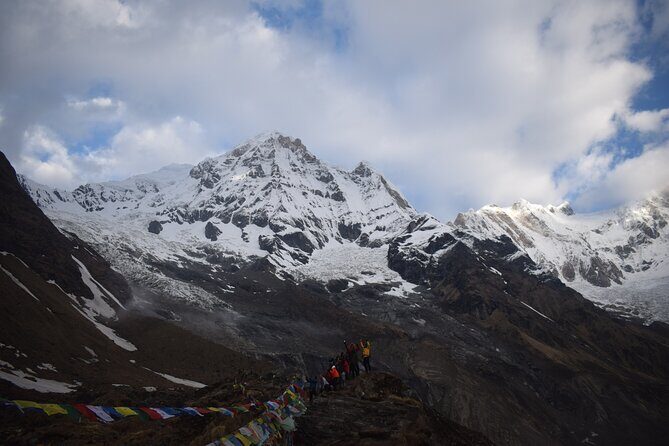
Day 7 starts again with views from breakfast, once more toward Annapurna I and Machhapuchhre. Then it’s a short walk to Samrung, followed by a private jeep ride back toward Pokhara.
This last day matters because it turns your trek into a complete trip, not an abrupt ending. You’ll get the satisfaction of finishing the route, then you transition back into real-world life with less fatigue and fewer complications than a DIY exit would likely require.
It’s a good final touch: that morning view plus road time feels like a soft landing after a high-altitude effort.
Price and value: what $625 actually buys you
At $625 per person for a 7-day private trek, the headline price is only part of the story. The real value is what’s bundled.
Included:
- Government registered guide and porters (their fees and expenses)
- Lodge accommodation on the trek
- Meals and accommodation during trekking days (breakfasts 7, lunches 6, dinners 6)
- ACAP and necessary permits
- Trek logistics over land (including the jeep transfers described)
- Trekking map, oxygen saturation, water purification, duffle bag
- Assistance for emergency rescue evacuation
- Public Liability Insurance
- Public liability insurance and government tax/service charge
- Mobile ticket (for smoother confirmation and entry)
Not included:
- Hotel in Kathmandu and Pokhara
- Travel insurance
- Tips for guide and porter
Is it “cheap”? No. But it’s also not just paying for walking. You’re paying for risk management (permits, evacuation assistance), basic safety habits (water purification and oxygen saturation), and real human labor (guide planning + porter carrying).
For many travelers, that’s exactly what they want: buy down stress, keep the experience authentic, and spend your energy on the trail instead of spreadsheets.
How the team support shows up (and why it matters at altitude)
The strongest pattern behind this kind of trip is simple: when you’re tired and the altitude starts feeling personal, good support makes the whole experience easier.
In the program’s guide-and-management culture, names you might see associated with smooth treks include people like Sanjay, Amar, Laxman, Kumar, Andrea, Ritika, and porters with energy like Surya, Ram, Ramesh, and Min. You can also tell from the management style credits that coordination and flexibility are a real part of service, with team members like Tej mentioned in connection with getting things right.
You don’t need fancy promises. You need practical ones:
- Pacing that matches your group
- Help when you’re struggling
- A calm plan when conditions shift
Private treks bring this closer to you, because there’s no big-group “wait your turn” problem.
Who should book this trek, and who should think twice
This trek is a strong fit if you want:
- A private experience for your group (not just “shared tours but with fewer people”)
- Tea-house trekking with meals handled
- A guide who takes care of the plan, permits, and day flow
- A moderate fitness level with enough hiking comfort for stairs and altitude
It may not be your best match if:
- You hate steep stair sections and lots of up/down trails
- You’re looking for cushy “luxury” accommodation (tea houses are basic by nature)
- You’re not ready to move at a slower pace when the mountains remind you they’re in charge
If this is your first major trek, that’s not a problem—just go in expecting the basics: slower steps, steady breathing, and lots of respect for weather.
Should you book Private 7-Day Annapurna Base Camp?
If you want Annapurna Base Camp with fewer moving parts, I’d book it. The combination of private guide/porter, meals and lodge accommodation included on trek, and permits plus safety-oriented extras like water purification and oxygen saturation monitoring is exactly the kind of practical value that turns a “big trip” into a manageable one.
Before you pay, do two reality checks:
- Make sure your hiking fitness matches the day-by-day demands, especially the stair-heavy sections.
- Arrange travel insurance ahead of time, since it isn’t included—and a good policy is part of trekking wisdom.
If those boxes are ticked, this is a smart way to reach base camp: you get the mountains, you get real village travel days, and you don’t waste your time wrestling logistics.
FAQ
Where does this trek start and end?
It starts at Pokhara Lakeside (Lakeside Rd, Pokhara 33700, Nepal) and ends back at the same meeting point.
What time does the trek start?
The start time is 8:15 am.
How long is the trek?
The trek is 7 days (approx.).
Is this trek private?
Yes. It’s a private tour/activity, and only your group participates.
What’s included in the price?
The price includes a registered trekking guide and porters (their expenses), lodge accommodation on the trek, ACAP and necessary permits, overland transportation as described in the itinerary, and trek support items like a map, oxygen saturation, water purification, and a duffle bag. Meals on the trek are also included (breakfasts 7, lunches 6, dinners 6).
What is not included?
Not included are hotel accommodation in Kathmandu and Pokhara, travel insurance, and tips for the guide and porter.
Do I need travel insurance?
Yes. You should get travel insurance before you go.
Can it be canceled, and what happens with bad weather?
Cancellation is free if you cancel up to 24 hours in advance for a full refund. The trek requires good weather; if it’s canceled due to poor weather, you’ll be offered a different date or a full refund.