REVIEW · KATHMANDU
Mardi Himal Base Camp Trek -9 Days
Book on Viator →Operated by Himalayan Adventure Treks and Tours Pvt Ltd · Bookable on Viator
Mardi Himal is a quick climb with big payoffs. What I love is how this trek keeps your eyes busy with Machhapuchhre and Mardi Himal views while staying short enough to feel doable compared with longer Annapurna routes.
I also like the support side: an experienced guide plus a porter setup (1 porter for 2 clients) that takes pressure off your back, and permits handled for you (TIMS and ACAP). One consideration: the big altitude moment lands at 14,600 ft, so you’ll want moderate fitness and a willingness to go slow on the steep parts.
In This Review
- Key Things I’d Focus On Before You Go
- Why Mardi Himal Feels Like a Smart Annapurna Choice
- Kathmandu to Pokhara: The Ride That Sets the Mood
- Day 3: From Kande Up to Pitam Deurali Without Overthinking It
- Day 4: Pitam Deurali to Forest Camp (Kokar) Through Rhododendron and Oak
- Day 5: Kokar Forest Camp to High Camp and Into the Alpine Zone
- Day 6: High Camp to Mardi Himal Base Camp (MHBC) at 14,600 ft
- Day 7: The Descent to Siding Village and Gurung Life
- Day 8 and 9: Back to Pokhara and Kathmandu With Scenic Highway Time
- Price and Logistics: What $900 Really Buys You
- The Human Side: Guides, Small Touches, and Calm Organization
- Who This Trek Is Best For (And Who Should Think Twice)
- Should You Book Mardi Himal Base Camp With Himalayan Adventure Treks and Tours?
- FAQ
- What time does the tour start and where is the meeting point?
- Is the trek a private group or shared with other people?
- What permits are included?
- Do I get a guide and porter, and how is porter support handled?
- Are meals and lodge stays included on the trek?
- Can I request vegetarian food?
- Is travel insurance included, and what about the visa?
Key Things I’d Focus On Before You Go
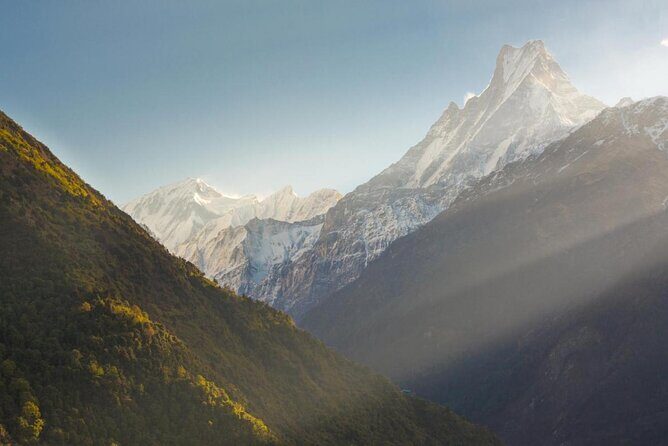
- Machhapuchhre view timing: you’re looking at Fishtail (6,997m) from multiple days, not just one.
- Real altitude in a short trip: Mardi Himal Base Camp sits at 14,600 ft, which can feel sharp even on an easier trek.
- Lodge/tea house rhythm: you get included accommodation and meals for the trekking days, so you’re not chasing logistics mid-hike.
- Permits are sorted: TIMS and ACAP are included, plus the company handles the required paperwork.
- Guides get praised for the human stuff: names that come up include Prakash, Lakpa, Badri, and Ang Gombu Sherpa, often for patience and humor.
- Cultural finish: the last night includes an authentic Nepalese farewell dinner with cultural performance.
Why Mardi Himal Feels Like a Smart Annapurna Choice
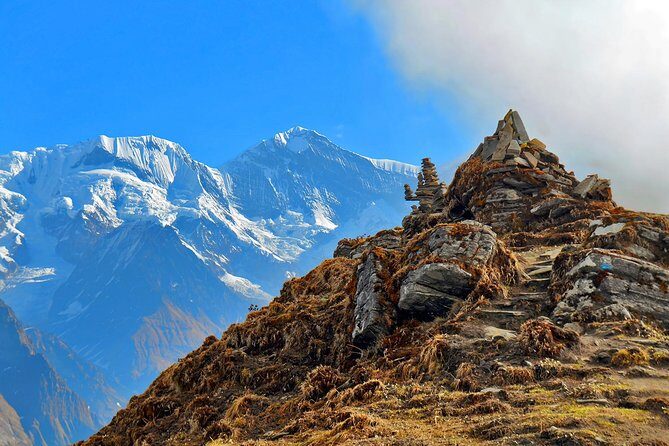
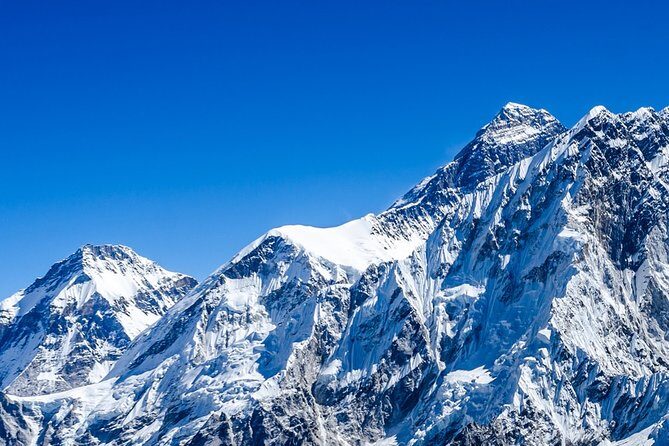
This trek works because it gives you big mountain scenery without turning into a month-long project. You’ll travel in Nepal’s Annapurna region on a route that sits to the east of the Annapurna massif and Mt. Machhapuchhre. That positioning matters: it sets you up for repeated looks at Machhapuchhre (Fishtail) alongside peaks around 5,500m like Mardi Himal (5,553m).
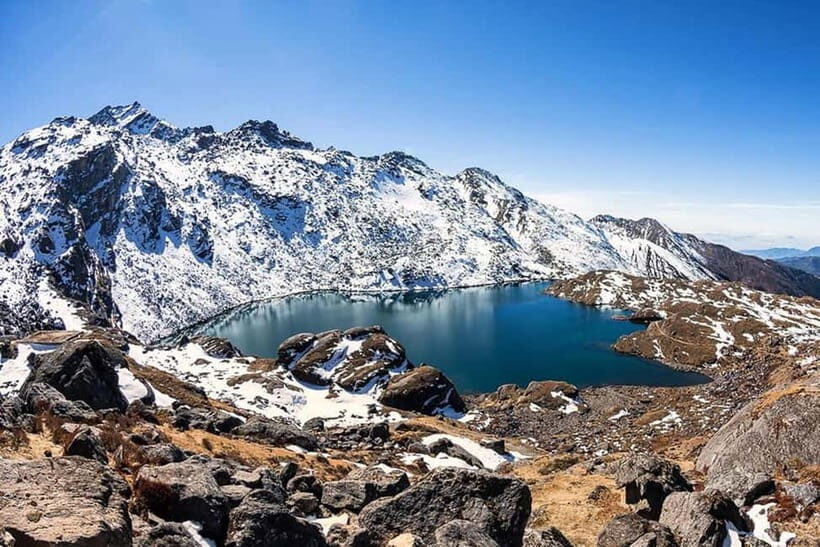
At the top, Mardi Himal Base Camp is where the view really comes together: you can see Annapurna South (7,219m), Machhapuchhre (6,997m), and Annapurna I (8,091m). It’s a classic “why did I wait?” moment, especially if you’re pairing this trek with a first trip to Nepal.
One more reason people like it: you get to experience Gurung culture and everyday village life during the descent. That’s not just a photo stop. It’s the contrast after days of forest paths and high alpine ridges.
You can also read our reviews of more hiking tours in Kathmandu


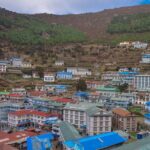
Kathmandu to Pokhara: The Ride That Sets the Mood
Your trip starts in Kathmandu at Tribhuvan International Airport (TIA). You’ll meet a company representative and get private-vehicle transfer to a hotel for your overnight. Then you’ll likely spend a good chunk of the next day moving to Pokhara by tourist bus (around 6–7 hours, about 200 km).
This drive is long, but it’s not wasted time. You’ll see countryside with terraced fields and small towns along the route, and Pokhara itself is built for outdoor-minded travelers. Since your trek begins the following day, I’d treat this as your chance to get sleep, hydrate, and prep gear while your mind is still fresh.
If you’re prone to motion sickness on winding roads, consider taking it seriously here. A clearer head makes the hiking days feel easier.
Day 3: From Kande Up to Pitam Deurali Without Overthinking It
After driving from Pokhara to Kande (about 1.5 hours), your trek starts from Kande and climbs to Pitam Deurali. The walking distance is about 5.6 km and usually takes 3–4 hours, with elevation rising to around 6,890 ft / 2,100m.
This is a good “warm-up” climb in the real sense. The trail ascends gradually through dense forest and occasional clearings. Even though you’re gaining altitude, the day is paced enough that you can focus on rhythm: small steps, steady breathing, and regular water breaks.
This is also where you’ll start learning your own pace for the rest of the trek. Going too fast early is the easiest way to feel off later, especially when you know the route peaks at 14,600 ft.
Day 4: Pitam Deurali to Forest Camp (Kokar) Through Rhododendron and Oak
Next comes the longer hiking day: Pitam Deurali to Forest Camp, around 8,202 ft / 2,500m. Expect roughly 6.4 km and 5–6 hours. The trail climbs through rhododendron and oak forest, and it tends to feel quieter and more remote.
What I like about this part is how the scenery changes while you’re still in the “human scale.” You’ll get occasional clearings where peaks like Machhapuchuchhre and Annapurna South show themselves. And because the walking is in forest, it can feel less exposed than higher days.
Practical note: Forest trails can be steep and narrow. Wear shoes with solid grip and pack trekking poles if you use them. Your knees will thank you on the later descent.
Day 5: Kokar Forest Camp to High Camp and Into the Alpine Zone
From Kokar Forest Camp (around 8,202 ft), you climb to High Camp around 11,800 ft / 3,600m. This leg covers about 7.2 km and usually takes 5–6 hours. It’s steeper and more demanding than the previous days, and the environment shifts as you go higher.
Early on you’ll still walk through rhododendron and oak, then the vegetation thins out. You’ll pass into more rugged terrain with dwarf bamboo and juniper as altitude increases. The air can feel sharper here, and views start opening up more often.
I’d treat this day like a controlled climb, not a race. If you keep your pace sensible, the next day’s push to Mardi Himal Base Camp feels far more manageable.






Day 6: High Camp to Mardi Himal Base Camp (MHBC) at 14,600 ft
This is the day with the big altitude payoff. The hike from High Camp (about 11,800 ft) to Mardi Himal Base Camp (14,600 ft) is around 4 km one way and typically takes 3–4 hours. It’s described as challenging and exhilarating, with rugged terrain and a shift from grassy alpine meadows to rockier sections near the snowline.
This is where you’ll see Annapurna South, Hiunchuli, and Machhapuchhre right in front of you. When the weather is clear, it’s the kind of view that makes the hours feel worth it.
Be smart about the climb:
- Start early if you can; morning air often feels more stable.
- Keep effort steady, not frantic.
- If you feel unwell at altitude, tell your guide immediately and don’t push through it.
Also pack for wind. Even when the sun is strong, high camps can feel cold once you stop moving.
Day 7: The Descent to Siding Village and Gurung Life
After reaching base camp, you don’t linger in altitude. The next day drops you down fast. You start around Badal Danda (about 10,500 ft / 3,200m) and descend to Siding village (5,250 ft / 1,600m). It’s about 7 km and 4–5 hours, mostly downhill.
Downhill can be tough in a different way than uphill. Your quads and knees take the hit, so keep steps short and controlled. The trail runs through forests, terraced farmland, and traditional villages, giving you a much more grounded feel compared with the alpine days.
This is also when the cultural side becomes more real. You’re moving through a living landscape of Gurung communities, not just passing by tea houses. It’s a steady, satisfying finish to the physical effort you put in earlier.
Day 8 and 9: Back to Pokhara and Kathmandu With Scenic Highway Time
On your way out, you’ll drive from Pokhara back to Kathmandu. The trip takes about 6–8 hours (around 125 miles / 200 km) along the Prithvi Highway. It’s a long ride, but it’s visually rewarding: valleys, terraced fields, rivers, and occasional mountain glimpses.
Back in Kathmandu, the focus shifts to resting and wrapping up details. On departure day, your company representative accompanies you to the airport so you arrive around 3 hours before your scheduled flight for check-in and security. It’s a small thing, but it reduces stress when you’re tired after trekking.
Price and Logistics: What $900 Really Buys You
At $900 per person, the value is less about a single thing and more about how many moving parts are handled for you.
Included on the trip:
- Hotels: Two nights in Kathmandu and two nights in Pokhara at 3-star properties, both with breakfast.
- Trekking food: lunch, dinner, and breakfast during the trek (with the plan covering 8 breakfasts, 4 lunches, and 5 dinners).
- Lodge stays: accommodations on the trekking route in lodges/tea houses.
- Support team: an experienced, helpful guide plus a porter setup (1 porter for 2 clients).
- Permits and paperwork: TIMS and ACAP permits, plus necessary paper work is managed.
- Medical supplies: a first aid kit is available.
- Transfers and transport: airport pickup and private transfers, Kathmandu–Pokhara and back by tourist bus, and private vehicle rides for Pokhara to Kade and Siding back to Pokhara.
- Comfort extras: a duffle bag that returns after the trek, and a company T-shirt.
- Farewell night: a last-night farewell dinner at an authentic Nepalese restaurant with cultural performance.
Not included:
- Nepal visa fee
- International flights to and from Nepal
- Travel and rescue insurance
- Personal expenses (phone calls, laundry, bar bills, extra porter needs, bottle or boiled water, shower costs, and similar items)
- Tips for the guide and porter
Here’s how I’d budget mentally: you’re paying for guided mountain time plus the systems around it. If you’d otherwise be arranging permits, booking hotels, coordinating transport, and organizing meals at altitude, $900 starts looking reasonable for the total package.
One small logistics note you should plan for: this is a private tour, so only your group participates. That usually means the guide and porter attention feels more direct, but it can also mean your start time and pace will depend on your group’s needs rather than random mixing.
The Human Side: Guides, Small Touches, and Calm Organization
The trekking experience isn’t just the mountains. It’s how the trip runs day to day. In the feedback I was given, the guide names that come up often are Prakash, Lakpa, Badri, and Ang Gombu Sherpa. The recurring praise is for patience, care, humor, and competence.
That matters because Mardi Himal is steep enough that you’ll rely on the guide for more than directions. You want someone who can judge pace, answer questions, and keep the mood steady when the air is thin.
A few extra touches also get mentioned. One group notes the guide packed apples in advance because they expected fruit cravings during the trek. Another mention: people enjoyed a sunrise moment from a viewpoint during their route. These details aren’t required for the trek to work, but they’re the kind of “right” thoughtfulness that makes a guided trip feel easier.
On the company side, Bhagwat appears as a hands-on organizer in the feedback. People also mention fast responses when they booked last minute. If you prefer quick communication while planning, that’s worth keeping in mind.
Who This Trek Is Best For (And Who Should Think Twice)
You’ll likely enjoy this trek if:
- You want a relatively short Annapurna trek with big payoff views.
- You like forests and flowers early, then switch to more rocky alpine scenery later.
- You’re excited about Gurung village culture on the way down.
- You have moderate physical fitness and can handle steep moments.
You should think twice if:
- You have a hard time with altitude. The plan reaches 14,600 ft at base camp, and the route includes steep climbs and descents.
- You’re expecting a flat hike. It’s not. Even when the trek is described as easier, the elevation gain and terrain still demand respect.
Season-wise, timing can change the feel. One person in the provided information calls out October for clear, sunny days. Another mentions doing it in monsoon season with support from the team. So yes, weather matters, but the route can still be done across different seasons with the right preparation.
Should You Book Mardi Himal Base Camp With Himalayan Adventure Treks and Tours?
I’d book this trek if you want a clean package: Kathmandu and Pokhara hotels, meals on the trek, permits handled, and real guide-and-porter support at altitude. The included TIMS and ACAP paperwork is a genuine time saver, and the 1 porter for 2 clients setup is exactly what you want if you’d rather spend energy on the climb than carrying everything yourself.
I’d also book it if you’re drawn to Machhapuchuchhre views and want a route that reaches a high base camp without taking weeks.
Before you commit, be honest about the altitude. If 14,600 ft makes you nervous, talk it through with your guide and plan for a slower pace. If you’re ready for that, Mardi Himal is one of those trips where the views feel earned, and the cultural finish keeps it human.
FAQ
What time does the tour start and where is the meeting point?
The meeting point is Tribhuvan International Airport on Ring Rd, Kathmandu, Nepal, and the start time is 7:00 am.
Is the trek a private group or shared with other people?
This is listed as a private tour/activity, and only your group will participate.
What permits are included?
The tour includes TIMS Permit and ACAP Permit, and the company handles the necessary paper work.
Do I get a guide and porter, and how is porter support handled?
You’ll have an experienced, helpful guide and a porter. The porter arrangement is 1 porter for 2 clients.
Are meals and lodge stays included on the trek?
Yes. Lodges/tea houses are included during the trek, and trekking meals are included (breakfast, lunch, and dinner according to the plan).
Can I request vegetarian food?
A vegetarian option is available. You’ll need to advise the company at booking about vegetarian needs and any other dietary requirements.
Is travel insurance included, and what about the visa?
Travel and rescue insurance are not included. The Nepal visa fee is also not included, and you can obtain the visa in Kathmandu airport. Tips for the guide and porter are not included either.