REVIEW · KATHMANDU
Annapurna Base Camp Trek form Kathmandu
Book on Viator →Operated by Fewa Trail Treks and Expedition Pvt Ltd · Bookable on Viator
Big views start with a comfy ride. This Annapurna Base Camp trek strings together a scenic Kathmandu-to-Pokhara bus start, then a guided trek toward Machhapuchchhre Base Camp (3770m) and Annapurna Base Camp (4130m), finishing with the natural hot springs at Jhinu Danda. I especially like the English-speaking trekking guide and the way the itinerary handles the permits and logistics so you spend more energy walking and less time worrying.
One thing to plan for: meals and personal expenses aren’t included, so your daily teahouse budget matters. If you don’t like early mornings, note Poon Hill is an early hike timed for sunrise.
In This Review
- Key things that make this trek worth it
- Kathmandu to Pokhara: the start that sets the tone
- Trek overview: Machhapuchchhre and Annapurna Base Camp in 11 days
- Day-by-day: Nayapul, Ulleri, and Ghorepani (the trail finds its rhythm)
- Poon Hill sunrise and Tadapani: where the effort feels worth it
- Chhomrong, Dovan, Deurali: entering the Annapurna heart
- Machhapuchchhre Base Camp and Annapurna Base Camp: two climbs, two payoffs
- Bamboo and Jhinu Danda: the descent that keeps moving
- Finishing day: Nayapul back to Pokhara Lakeside
- Price and value: what the $550 covers (and what you’ll pay extra)
- What you get in the package
- What’s not included (and you should budget now)
- Who this trek fits best (and who should think twice)
- Booking decision: should you sign up for this Annapurna Base Camp trek?
- FAQ
- How long is the Annapurna Base Camp trek from Kathmandu?
- What’s the highest altitude on this trek?
- Do I get pickup in Kathmandu?
- How do I get from Kathmandu to Pokhara?
- Is an English-speaking trekking guide included?
- Are meals included during the trek?
- Are permits and TIMS card included?
- Is a porter included, and how much can they carry?
- Is this a private tour?
- What’s the cancellation policy?
Key things that make this trek worth it
- Kathmandu to Pokhara by tourist bus, with a proper handoff to your Lakeside hotel
- A real guide-led trek plus a luggage porter (up to 15 kg per porter for 2 guests)
- Poon Hill sunrise hike before the main climbing days
- Two base camps in one route: Machhapuchchhre Base Camp and Annapurna Base Camp
- Hotel in Pokhara, guest house on trek so you get breaks from tents and gear
- Permits and TIMS card included, which saves you admin time
Kathmandu to Pokhara: the start that sets the tone
The trip begins in Kathmandu with a pickup from your hotel and a transfer to the bus around Thamel. If you’ve arrived in Nepal recently, this is a practical setup: you’re not figuring out transport right away. Thamel is also a convenient staging point because it’s packed with travelers and easy to understand once you’re on the ground.
From there, the route heads by scenic tourist bus to Pokhara Lakeside. Expect a long travel stretch (about 7 hours) and a lot of countryside moving past your window. You’ll likely arrive ready to stretch your legs, check in, and reset your body before trekking starts.
Why I like this start: it saves you from scrambling logistics the first day. Why you’ll care: Pokhara is your buffer city. You get a real hotel night before the trek asks for real hiking time.
You can also read our reviews of more hiking tours in Kathmandu


Trek overview: Machhapuchchhre and Annapurna Base Camp in 11 days
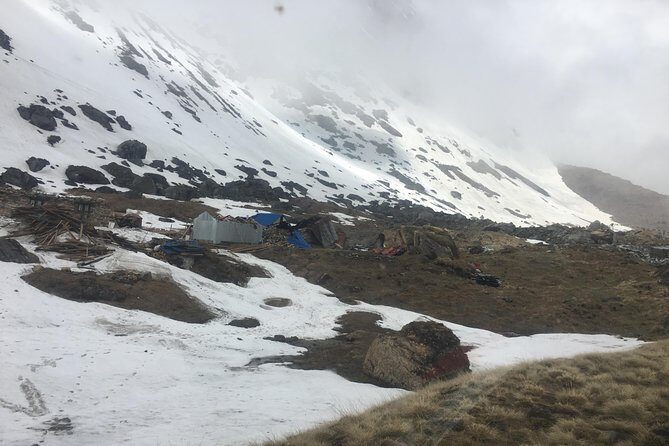
This itinerary is built around steady, teahouse-style trekking with guest house stays once you hit the trail. You’ll climb from village day-hops into classic Annapurna terrain, then work your way toward two key altitude targets:
- Machhapuchchhre Base Camp: 3770 meters
- Annapurna Base Camp: 4130 meters
Daily walking time often lands in the 5–6 hour range after the first couple of easier segments. That’s not extreme for a guided Annapurna trek, but it’s enough that you should take fitness seriously. The experience also notes you should have strong physical fitness—so treat that as the real deal, not a formality.
The balance point here is that the days are paced with hiking legs and village breaks, not nonstop forced marching. Still, you’re in the mountains. Weather can change quickly, and mornings can feel chilly—especially on sunrise day.
Day-by-day: Nayapul, Ulleri, and Ghorepani (the trail finds its rhythm)
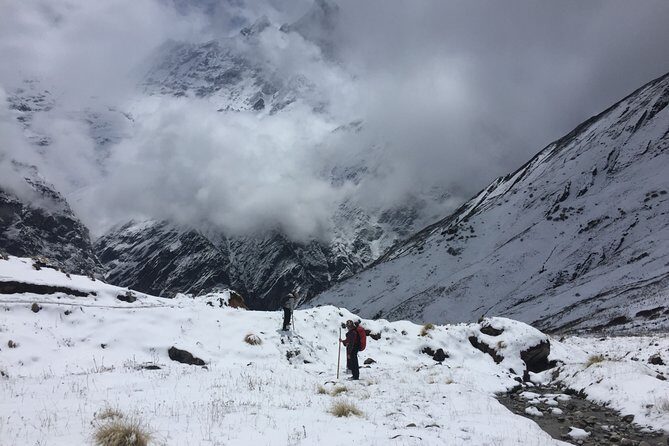
Day 1: Kathmandu to Pokhara
You ride Kathmandu to Pokhara by tourist bus, then transfer to your hotel in the Lakeside area. This is your “arrive and recover” day.
Day 2: Nayapul → Ulleri
You start with a scenic drive to Naya Pul, then begin trekking to Ulleri (about 5 hours). This is a good day to get your legs used to sustained uphill walking without the pressure of being at a major viewpoint too early.
Practical note: you’ll be doing a road-to-trail transition. If you tend to get stiff after sitting, plan to move a bit right after you start the trek.
Day 3: Ulleri → Ghorepani
Next is the trek to Ghorepani (about 6 hours). This is where the mountain drama starts to show up. The route highlights magical views of the Annapurna mountain ranges here—exactly the kind of payoff you need before you commit to the longer view day at Poon Hill.
What to expect: Ghorepani is a base for sunrise plans and early hiking. It also sets you up for the “see big peaks early, then keep moving” rhythm that makes this trek satisfying.
Poon Hill sunrise and Tadapani: where the effort feels worth it
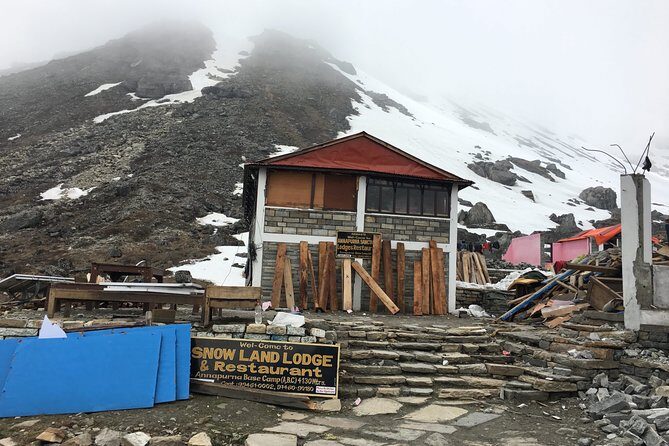
Day 4: Ghorepani → Poon Hill → Tadapani
You’ll do an early morning hike to Poon Hill for sunrise views (about 2 hours). The sunrise hike is marked as not included for the admission ticket. Still, it’s usually the moment that makes people remember the trek long after the climb ends.
After Poon Hill, you continue trekking to Tadapani (about 6 hours). This sets up the next phase: deeper into the Annapurna region, with longer and more interconnected trekking days.
How to read this day: Poon Hill is the emotional highlight. Tadapani is the physical bridge. If sunrise is your priority, keep your energy steady the night before and don’t overspend your first-day excitement.
Chhomrong, Dovan, Deurali: entering the Annapurna heart
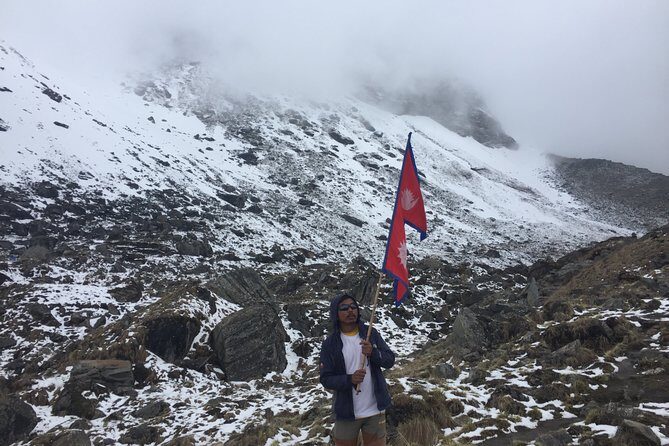
Day 5: Tadapani → Chhomrong
Trek to Chhomrong (about 6 hours). Chhomrong is a classic waypoint on Annapurna routes, and it generally feels like a point where the trek shifts from “approaching the mountains” to “working through them.”
Day 6: Chhomrong → Dovan
Trek to Dovan (about 5 hours). This day is about continuation—keeping altitude gains gradual and turning scenery into endurance.
Day 7: Dovan → Deurali
Trek to Deurali (about 5 hours). Deurali is positioned as a key staging point before the base camp push. Even when the trekking hours are similar to earlier days, the mountain mood can feel heavier as you climb.
Drawback to consider here: these days ask for consistency. There isn’t much time for lingering. If you enjoy slow travel with long rests and photos every 10 minutes, you might feel a bit rushed. The upside is that this structure helps you reach the base camp goals without dragging.






Machhapuchchhre Base Camp and Annapurna Base Camp: two climbs, two payoffs
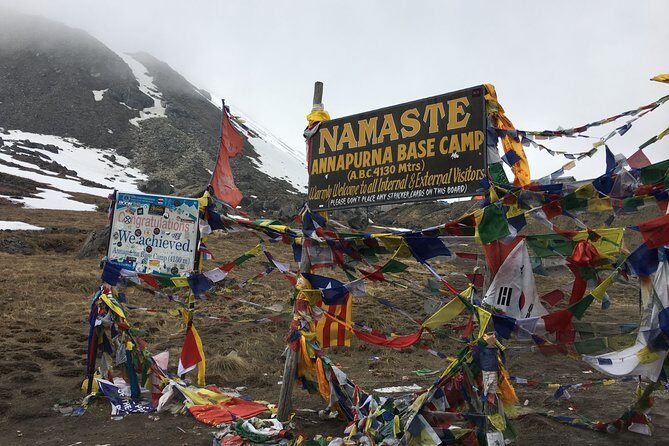
Day 8: Deurali → Machhapuchchhre Base Camp → Annapurna Base Camp
This is the big day. You trek to Machhapuchchhre Base Camp (about 2 hours), then continue toward Annapurna Base Camp (about 2 hours).
Notice the timing: the base camp legs are relatively short compared with earlier days. That doesn’t mean they’re easy—altitude is part of the equation—but it helps explain why so many people rate Annapurna Base Camp as a “worth it” destination. You get concentrated mountain time instead of spreading it into multiple long days.
If the weather cooperates, this is where the whole trek’s effort starts stacking into one memorable experience: the dramatic feeling of arriving at the base of massive peaks, with the sense that you’ve earned your view.
Bamboo and Jhinu Danda: the descent that keeps moving
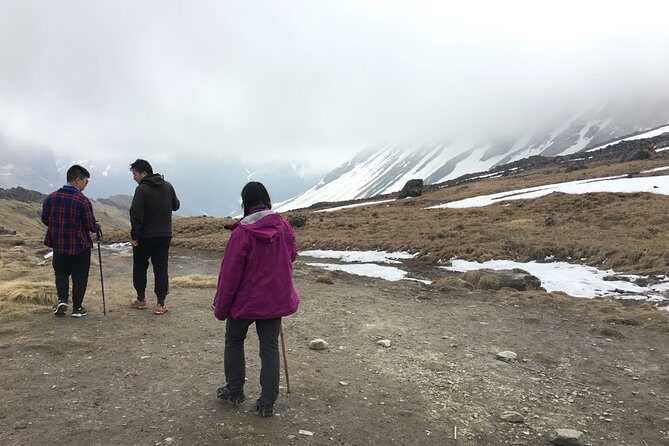
Day 9: Annapurna Base Camp area → Bamboo
You descend toward Bamboo (about 6 hours). Descent days can be deceptively tiring because knees and feet do more work. The plan here keeps you moving and gives you a next-night stopping point instead of an all-day grind that ends back at a road.
Day 10: Bamboo → Jhinu Danda (hot springs)
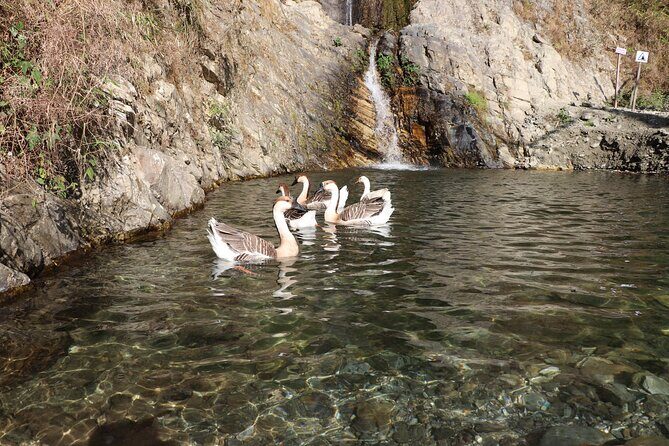
Trek to Jhinu Danda (about 6 hours), and this is where the natural hot spring bath comes in. You get a built-in recovery activity: soak time after the long walking day.
This is one of the most practical “reward” moments in the whole itinerary. It’s not just scenic. It’s functional—your legs get a chance to feel better before you finish the loop.
Finishing day: Nayapul back to Pokhara Lakeside
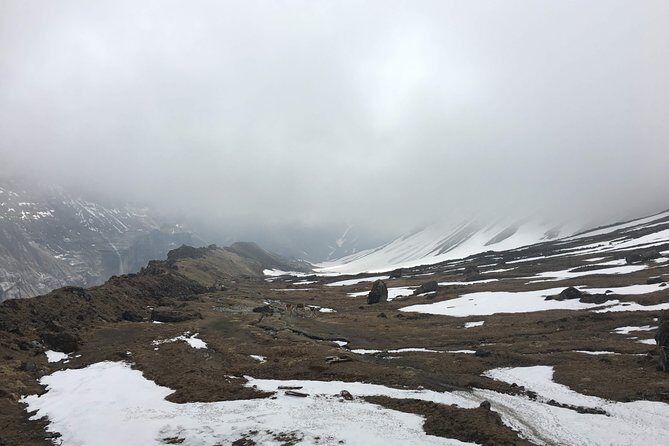
Day 11: Jhinu Danda area → Nayapul → Pokhara
You trek down to Naya Pul (about 6 hours). Then there’s a private car drive from Nayapul to Pokhara (about 1 hour 10 minutes) and transfer to your hotel. After that, your trip ends.
This finish is important because it reduces the awkwardness of getting from the trail back to real infrastructure. You’re not figuring out transport while you’re tired and sore—you’re handed off to a vehicle when the trekking ends.
Price and value: what the $550 covers (and what you’ll pay extra)
At $550 per person for an approximate 11-day trek, the value comes from what’s included rather than what’s optional.
What you get in the package
You’re covered for:
- Kathmandu to Pokhara by tourist bus
- Shuttle service in private as per the itinerary
- Pickup offered from your Kathmandu hotel area
- English-speaking trekking guide
- Porter support (for 2 guests = 1 porter carrying up to 15 kg)
- Trekking permits and TIMS card
- Accommodation in Pokhara hotel and guest house during the trek
- Private trip setup for your group
- Private vehicle transfers to and from Nayapul
When permits and TIMS are included, it saves you time and confusion. When a guide is included, you get pacing decisions and daily route clarity. When a porter is included, your pack weight becomes manageable for a multi-day climb.
What’s not included (and you should budget now)
- All meals and personal expenses
- Rescue cost in case of an emergency
- Gratitude (optional)
- Poon Hill sunrise admission ticket is specifically marked as not included
- The Pokhara-to/Nayapul car transfer has one admission ticket line not included, but the core transfer is still included as part of the day’s plan—just treat this as a reminder to confirm what you’ll pay on the ground for any viewpoint fees.
Budget reality: Nepal tea house trekking usually means your biggest daily cost is food and drinks. If you plan to buy snacks, hot drinks, or extra comfort items, that adds up fast.
Who this trek fits best (and who should think twice)
This trek is a strong match if you:
- Want classic Annapurna Base Camp terrain with a guide and porter
- Like a structured plan that still gives you scenic highlights like Poon Hill and the base camp arrival
- Prefer Pokhara with hotel comfort before and after the trail
It may be a tougher fit if you:
- Don’t like early starts (Poon Hill sunrise is early)
- Struggle with multi-day hiking that often reaches 5–6 hours
- Have limited flexibility for budgeting since meals aren’t included
Also, the experience notes you should have strong physical fitness. Treat that as your green light only if you’ve trained enough for sustained uphill and downhill days.
Booking decision: should you sign up for this Annapurna Base Camp trek?
I’d book this itinerary if you want a well-run route that concentrates your “big moments” (Poon Hill sunrise, Machhapuchchhre Base Camp, and Annapurna Base Camp) while keeping you supported with permits, guide, porter, and transfers. The pricing makes sense when you look at what’s handled for you: guide time, porter weight support, lodging, and the admin pieces.
I’d think twice if you hate paying for meals out of pocket or you’re unsure you can handle the daily hiking duration. In that case, you might feel the schedule more than the scenery.
If you do book, do two things: plan your meal budget ahead, and pack so you can realistically stay within the porter system (up to 15 kg per porter when sharing one porter for two guests). That’s the small move that often makes the whole trek feel easier.
FAQ
How long is the Annapurna Base Camp trek from Kathmandu?
The tour is listed as 11 days (approx.).
What’s the highest altitude on this trek?
You’ll reach Machhapuchchhre Base Camp at 3770 meters and Annapurna Base Camp at 4130 meters.
Do I get pickup in Kathmandu?
Yes. You’re picked up from your hotel and transferred to the bus (starting around Thamel).
How do I get from Kathmandu to Pokhara?
You travel by scenic tourist bus from Kathmandu to Pokhara Lakeside (about 7 hours).
Is an English-speaking trekking guide included?
Yes. An English speaking trekking guide is included.
Are meals included during the trek?
No. All meals and personal expenses are not included.
Are permits and TIMS card included?
Yes. Trekking permit and Tims card are included.
Is a porter included, and how much can they carry?
Yes. A porter is included. For 2 guests, 1 porter can carry up to 15 kg.
Is this a private tour?
Yes. It’s listed as private, meaning only your group participates.
What’s the cancellation policy?
You can cancel for a full refund if you cancel up to 24 hours in advance. If you cancel less than 24 hours before the experience start time, you won’t be refunded.