Manakamana wakes you up fast, in the best way. This day trip strings together a long, scenic road ride from Kathmandu, a short cable car lift, and temple time at one of Nepal’s most famous Hindu stops. I like the combo of tourist-bus convenience with a real cable car segment, and I like that temple admission is free once you’re there. One thing to plan for: it’s a long day built around early mornings and road time, so you’ll want comfortable shoes and snacks.
What makes it work is the structure. You get pickup, then a shuttle to the bus station, then several hours of drive on Nepal’s winding highway along the Trisuli River region before the cable car gets you up close to the temple area. The walking is short—just a few hundred meters—but it’s enough to make the temple feel like a destination, not just a photo stop.
In This Review
- Why This Trip Feels Like More Than a Temple Stop
- Key Highlights You’ll Care About
- Getting From Kathmandu to the Cable Car Station (Without Stress)
- Early pickup: the one detail you must respect
- Cable Car Time: The 15 Minutes That Changes the Day
- Temple Visit at Manakamana: Time to See, Not Just Pass By
- A note on how to approach a living religious site
- The Ride Back: Kathmandu, Pokhara, or Chitwan
- How long is it, really?
- Price and Value: Is $90 Worth It?
- The only “missing piece” is food
- Who Should Book This Manakamana Cable Car Day Trip
- A Slight Caution: Timing and Group Dynamics
- Should You Book It? My Take
- FAQ
- How long is the Manakamana Temple visit with cable car?
- What’s included in the price?
- Do I need to pay for temple admission?
- Are meals included?
- How does pickup work?
- Can I cancel for a refund?
Why This Trip Feels Like More Than a Temple Stop
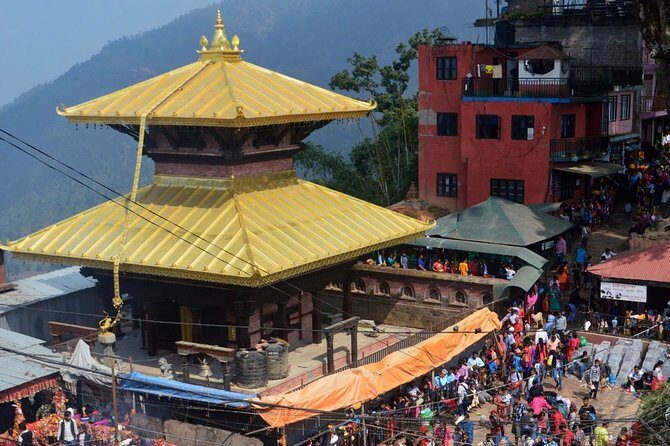
Manakamana Temple isn’t just a checkbox. It’s a recognizable, high-importance Hindu site, and the cable car changes the mood. Instead of sitting in a van the whole time, you get a small chunk of aerial perspective, then a straightforward walk to the shrine.
I also appreciate the balance between “organized” and “enough freedom.” You don’t have to navigate public transport. At the same time, you get time to visit and spend time in the nearby temple area without feeling rushed every five minutes. That matters when you’re trying to understand what the place means—not just pass through it.
The practical catch is timing. On at least one Sunday booking, the pickup time shifted earlier (from a planned 7:00am start to a 5:00am pickup) to avoid traffic. That’s a good reason, but it does mean you should expect an early start and confirm the exact pickup time the day before.
Key Highlights You’ll Care About
- Scenic highway drive near the Trisuli River region before you even reach the cable car.
- 15-minute cable car ride one way that cuts the climb and adds views.
- Short walk to the temple area after the cable car, so you’re not stuck hiking all day.
- Free admission for the temple stop, which helps the value.
- Round-trip transfers by tourist bus plus a hotel shuttle to the bus station.
- Mobile ticket for smoother check-in when you’re tired and caffeinated.
You can also read our reviews of more tours and experiences in Kathmandu.



Getting From Kathmandu to the Cable Car Station (Without Stress)
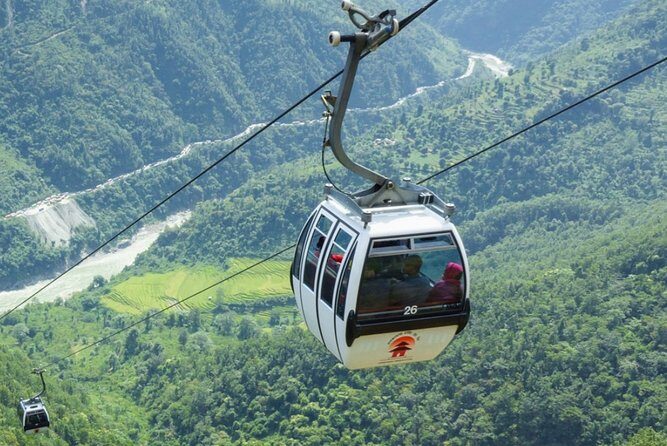
Your day starts with a pickup from your hotel, then a private-car shuttle to the bus station. It’s a smart setup: you don’t have to figure out how to reach the meeting point, and you still get the comfort of being collected where you’re staying.
Then comes the main road portion—about 4 hours of drive to reach the Manakamana cable car station. This isn’t a quick hop. It’s the kind of road trip where the highway curves and the views roll by in segments. The tour is built around that reality, not around pretending the drive is short.
Here’s the real benefit for you: you’re packaged with transportation and a guide, so you’re not negotiating, guessing routes, or paying for multiple separate rides. Even if you’re not trying to be “busy,” the driver and guide remove the friction that usually eats half a day in Nepal when you’re moving between sights.
Early pickup: the one detail you must respect
Plan on an early start. One booking example showed pickup moving to 5:00am on Sunday to avoid traffic. That’s exactly the kind of thing that can make or break your experience. If the tour confirms an earlier pickup, take it seriously. Sleeping in can easily become stuck-in-traffic time later.
Cable Car Time: The 15 Minutes That Changes the Day
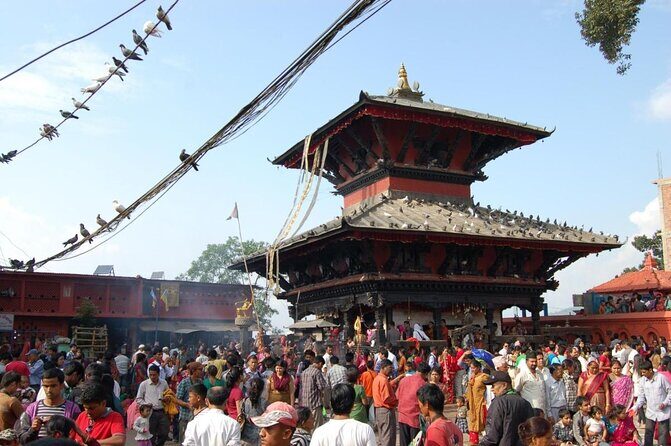
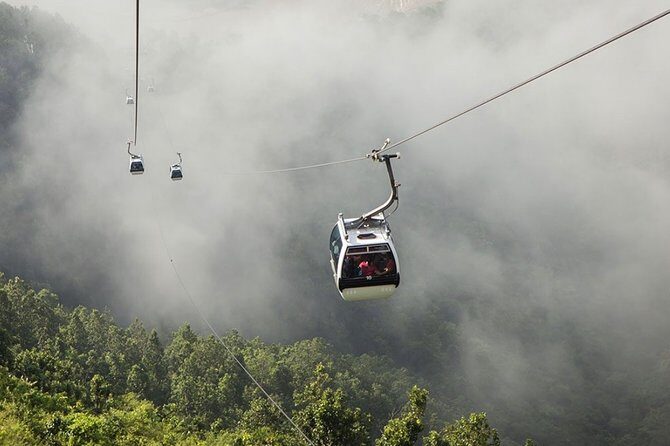
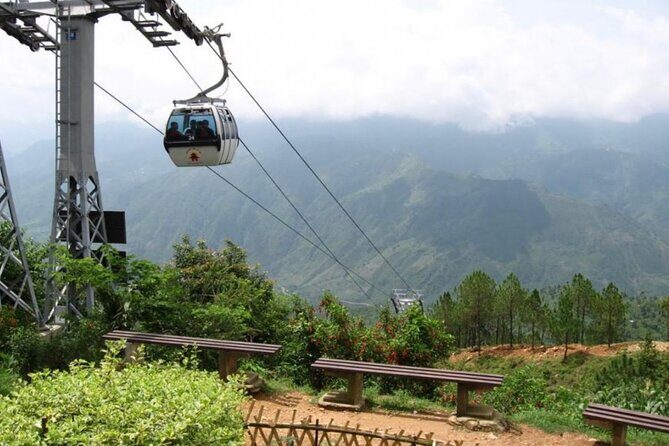
Once you arrive at the cable car station, you take the lift up—about 15 minutes one way. This is one of the cleanest parts of the itinerary because it’s short, controlled, and scenic. No long transfers inside stations. No long waits mentioned in the info you provided. It’s just the cable car doing what cable cars do: turning travel into an experience.
When you reach the top, you’ll walk a few hundred meters to the temple. That’s a good distance. Long enough to feel like you’re arriving on foot, short enough that most visitors can handle it without planning a whole hiking outfit.
For a smoother ride, I’d treat this like a mini logistics challenge:
- Wear shoes you can walk in comfortably for that short approach.
- Bring a light layer if mornings feel cool—cable car time can feel a bit different than street level.
- If you hate holding space in your bag all day, keep your essentials in one small pouch so you’re not fishing around after the lift.
Temple Visit at Manakamana: Time to See, Not Just Pass By
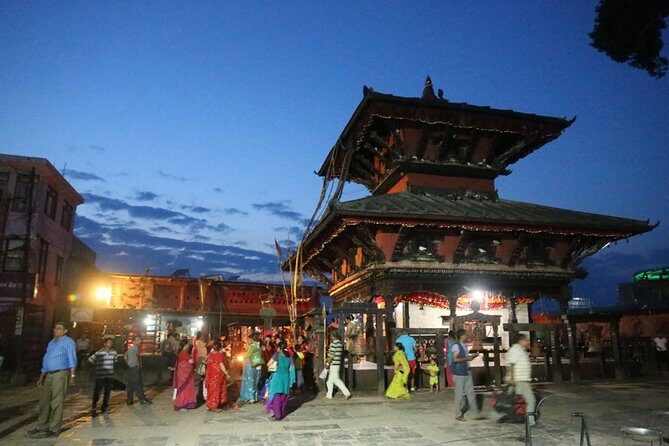
Manakamana Temple is the headline. It’s one of the most popular Hindu temples in the area, and it’s the reason people do the entire trip. You’ll spend time at the temple and in the nearby area, then head back down by cable car when it’s time to return.
The info you have also notes admission is free for the temple stop. That’s a meaningful value point. In a country where some attractions can add up fast, a free entry component helps the $90 feel more justified—especially since the trip already includes transfers and cable car tickets.
What you should expect during temple time (based on what’s provided): a guided visit to the temple area and the chance to spend time there, not just a quick look from the outside. You’ll also have that cable car “reset” before you go back to the drive.



A note on how to approach a living religious site
Even when a temple visit is framed as a tour stop, it’s still an active religious place. Keep your behavior respectful and your camera use mindful. I like to slow down here—watch what people do, then follow that rhythm. Your guide is useful for this, since you’ll have someone to clarify what’s appropriate.
The Ride Back: Kathmandu, Pokhara, or Chitwan
After temple time, you take the cable car back down to the lower station, then drive again by tourist bus. The tour ends with transport back to Kathmandu, Pokhara, or Chitwan, depending on your convenience.
This return setup can matter more than you’d think. Some day trips dump you back where you started. This one gives you flexibility, which is a big help if you’re moving between destinations in Nepal. If you’re staying in Kathmandu, it’s simple: you head back to your base. If you’re part of a route toward Pokhara or Chitwan, you might find the logistics easier than arranging another transfer later.
How long is it, really?
It’s listed as 8 to 9 hours approx. That’s the right expectation to set. You’re not just commuting. You’re doing: pickup + shuttle + road drive + cable car + walk + temple time + cable car down + road drive back. The day adds up.
So if you like a relaxed pace, this isn’t for you. If you like structured sightseeing with real transport included, it’s a good match.
Price and Value: Is $90 Worth It?
At $90 per person, you’re paying for the heavy stuff: transportation, cable car tickets, and a guide. Meals and personal expenses are not included, so you’ll need to plan your own eating.
Let’s break down what you’re actually getting for the price:
- Hotel shuttle service in a private car to the bus station.
- Round-trip transfers by tourist bus (including the long drive to the cable car area).
- Round-trip cable car ticket (the lift up and back).
- Tour guide throughout the experience.
- Mobile ticket, which can reduce check-in friction.
- Free temple admission for the stop.
That mix is where the value lives. Cable cars cost money, and so does organizing transportation out of the city and back. On a day trip like this, the biggest hidden cost is often the time and effort required to arrange everything yourself. Here, you’re buying that coordination.
The only “missing piece” is food
Because meals aren’t included, your cost might quietly rise if you buy everything on the road. I’d bring a simple plan: either budget for a meal stop of your choosing or pack light snacks so you’re not cranky during the long drive portion.
Who Should Book This Manakamana Cable Car Day Trip
This is a practical day trip for people who want a Nepal highlight without complicated logistics. It’s also described as suitable for most travelers, which matters if you’re cautious about longer hikes or unpredictable routes.
This tour is a good fit if:
- You want a guided visit to a major religious site with easy entry.
- You like scenic transport segments and don’t mind a long day.
- You’re staying in Kathmandu and want one full-day outing.
- You might be able to use the return drop to head toward Pokhara or Chitwan afterward.
It’s less ideal if:
- You hate early mornings and long road travel. Even with comfort and organization, you’re still spending a big chunk of the day on the highway.
- You need frequent meal breaks. Since meals aren’t included, you’ll rely on what you bring or what you find on your own.
A Slight Caution: Timing and Group Dynamics
This is described as a private tour/activity, meaning only your group participates. That’s a plus for comfort and pace. It can also mean the schedule depends on your departure time and your group’s readiness.
The timing detail is the real caution. The tour start can shift earlier (example: Sunday pickup changing to 5:00am) to avoid traffic. If you’re the type who likes to keep your schedule loose, do yourself a favor: treat the confirmed pickup time as non-negotiable.
Should You Book It? My Take
If you want an efficient way to visit Manakamana without planning a transportation chain, I think this day trip makes a lot of sense. You’re paying for the convenience of pickup + bus + cable car + guide, and you get free temple admission on top of that.
I’d book it if you’re okay with a long day and you respect the early start. It’s not a “sleep in and stroll” kind of outing. But if you like organized sightseeing with a real destination at the end, Manakamana through the cable car route is exactly the kind of trip that feels worth the effort.
FAQ
How long is the Manakamana Temple visit with cable car?
The tour runs about 8 to 9 hours.
What’s included in the price?
You get a hotel shuttle service in a private car, round-trip transfers by tourist bus, round-trip cable car tickets, and a tour guide.
Do I need to pay for temple admission?
Admission to the Manakamana Temple stop is listed as free.
Are meals included?
No. Meals and personal expenses are not included.
How does pickup work?
Pickup is offered from your hotel, and then you’re transferred to the bus station before the drive to the cable car station.
Can I cancel for a refund?
Yes. You can cancel up to 24 hours in advance for a full refund.