REVIEW · KATHMANDU
Mardi Himal Trekking
Book on Viator →Operated by The Great Adventure Treks & Expedition - Private Day Tours · Bookable on Viator
Fishtail views meet real working villages. This short, simple Annapurna trek targets Mardi Himal, a ridge branching off Machhapuchhare (the Fishtail), and it brings you closer to that triangular silhouette people first notice from Pokhara’s Phewa Lake. I especially like how the route is positioned as doable for many hikers, which helps you focus on views instead of wrestling logistics.
The private tour setup is another big plus: your group goes together, with guides and porters named in past trips like Pasang, Sondeep, Jaya K, Santosh, Ram, and Num showing up repeatedly in the feedback for being careful, patient, and responsive. One drawback to plan for up front: lunch isn’t included (and neither are alcoholic beverages), so you’ll need to budget for meals along the way.
In This Review
- Key highlights before you commit
- Mardi Himal Trek, explained without the fluff
- Where this trek starts: Kathmandu timing and first-day mood
- The trail focus: Machhapuchhare and what “closer vantage” really means
- How the route handles days when weather changes
- Tea houses and pace: what your days likely look like
- Guides and porters: the real value you’re paying for
- Price and logistics: is $866.67 good value?
- Who this trek is best for
- What to watch for: the one drawback you should plan around
- Should you book Mardi Himal Trek with this operator?
- FAQ
- What is the duration of the Mardi Himal Trek?
- Where does the Mardi Himal Trek start?
- Is pickup offered for this experience?
- What time does the experience start?
- What is included in the price?
- What is not included?
- Is this a private tour?
- What is the cancellation policy if weather is bad?
Key highlights before you commit
- Closest-range Machhapuchhare moments: You’re trekking toward the same Fishtail form that’s famous from Phewa Lake, just from a more westerly, closer angle.
- An operator that adapts when weather turns: Past groups report route changes during bad weather and even avalanche risk, with plans adjusted while walking.
- Guide support can make or break the days: Names like Pasang, Sondeep, Jaya K, Santosh, and Sandeep come up with consistent praise for professionalism and attention.
- Tea house service is part of the experience: Reviews mention customer-oriented tea house staff, which matters when hiking days run long.
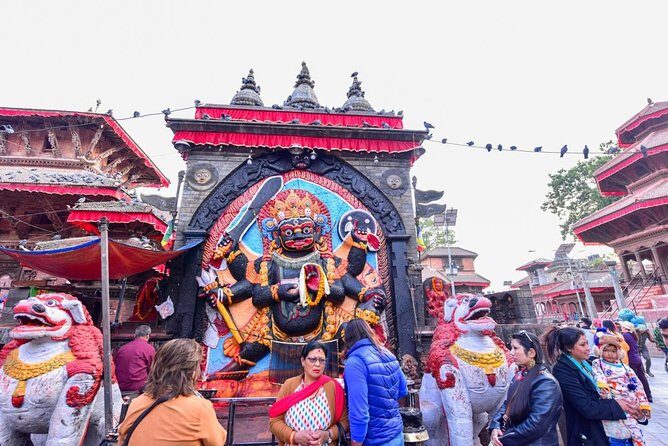
- Central Kathmandu pickup timing: Start is set for 9:15 am, with pickup offered and a meeting point described as a historic palace area in central Kathmandu.
Mardi Himal Trek, explained without the fluff
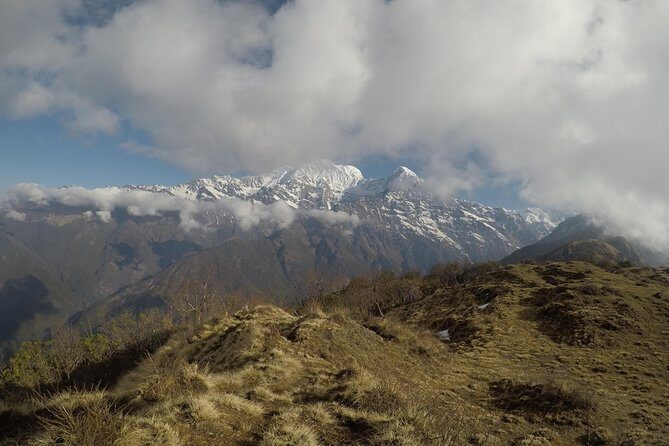
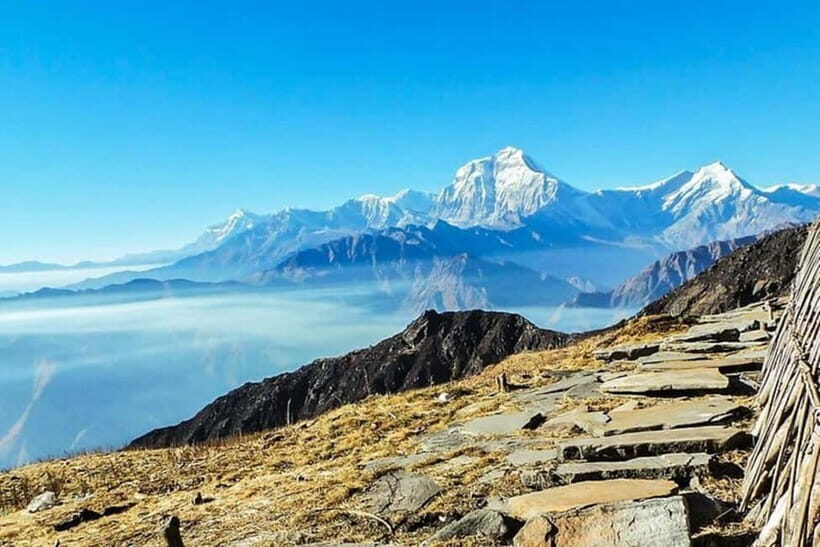
Mardi Himal is the name hikers give to a climbing area on the southwest side of Machhapuchhare (Fishtail). From Pokhara’s Phewa Lake, people often spot the Fishtail shape as a distinctive, triangular skyline. The whole appeal of this trek is that you don’t just look from afar. As you move through the Annapurna region, you get a more direct, closer vantage that feels more personal and less postcard-like.
This is also why the trek gets described as short and simple. That doesn’t mean it’s a stroll. Nepal always has altitude, steep steps, and wind that can grab you at the wrong time. But compared with bigger Annapurna undertakings, Mardi Himal is often chosen when you want real high-mountain payoff without committing to a massive multi-week schedule.
If you want a trip where the views are the headline and the process stays manageable, this one fits that goal. The operator behind it earns strong marks in the feedback too, with a 4.9 rating and full recommendation in the summary, so you’re not guessing whether the team takes care of the basics.
You can also read our reviews of more hiking tours in Kathmandu


Where this trek starts: Kathmandu timing and first-day mood
Your experience is based in Kathmandu, Nepal, and pickup is offered. The start time is 9:15 am, which is a helpful detail if you’re also trying to coordinate flights, hotel check-outs, or a Pokhara connection afterward.
The meeting point is described as a historic royal palace area in central Kathmandu. Even if you’ve never visited Nepal before, central meeting points usually mean less friction on day one. You get in the “on schedule” mindset early, and you can meet your guide and team without spending your morning trapped in endless transfers.
Because the trek ends up connected with Pokhara in past runs (for example, Pokhara-to-Pokhara phrasing appears in the feedback), it’s smart to think of the early Kathmandu portion as a setup phase: you’re there to align the plan, collect any last-minute items, and leave in time to reach the trail start area.
The trail focus: Machhapuchhare and what “closer vantage” really means
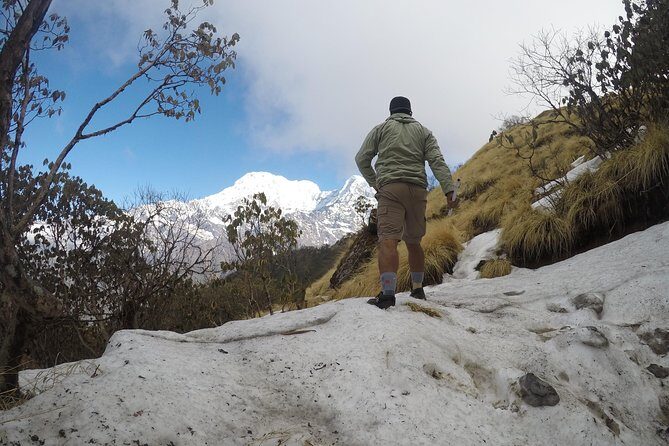
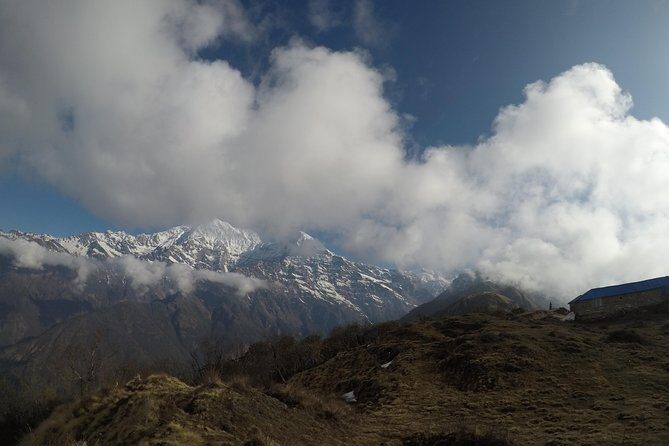
When the Fishtail is shown from Phewa Lake, it’s a sharp outline against the horizon. Trekking Mardi Himal changes that. Your direction and elevation shift the relationship between the ridges, so the famous triangular silhouette starts feeling like a structure you’re working your way alongside.
That matters because mountains are visual puzzles. The first hour or two of a trek can feel like you’re just walking through scenery. Then, as you gain altitude and angle, the mountain suddenly clicks. You understand what you saw from across a lake, and why locals treat it like a landmark.
One reviewer-type detail that’s worth holding onto: people describe this as a first hike for some, including a first time climbing up to about a 4,100-meter point. That tells me the trek can be approached without prior extreme trekking, as long as you pace yourself and take altitude seriously. If you’re cautious and consistent, the rewards tend to grow day by day.
How the route handles days when weather changes
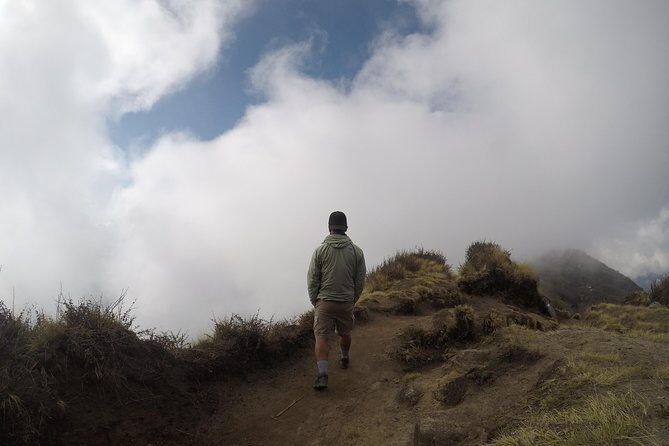
Nepal weather can be dramatic. Clouds can roll in fast. Wind can rise when the sun disappears. And in mountain areas, you also have to take risk seriously.
What I appreciate about the way this experience is run is that the team shows a willingness to adjust. In feedback from a past trek, the plan was changed during the hike due to bad weather and potential avalanche conditions. The key part for you is not that weather risk exists; it does. The key part is that the operator didn’t force a bad plan. They reworked things while the group was on the move, and it turned out well.
Even outside those anecdotal examples, the broader experience policy reflects this reality: the trek requires good weather. If poor weather leads to cancellation, you’ll be offered a different date or a full refund. That’s the kind of policy you want on a trek where conditions can change faster than normal city travel.
Practical takeaway for you: keep some flexibility in your schedule and travel buffer days if you can. If you’re on a tight flight timetable, you’ll need to build in the possibility that mountain weather might win.
Tea houses and pace: what your days likely look like
The experience includes the trekking portion in the Annapurna region, and that means you’ll be living in the rhythm of trail stops and tea house breaks. While the exact nightly locations aren’t listed here, the feedback does mention tea house staff and how customer-oriented they are. That’s a big deal because tea houses are your rest, your warmth, and often your only reliable meal option on the route.
Here’s how to think about pace on a trek like this:
- You’ll want consistent, not heroic walking. The guides named in reviews include people who help clients sprint when needed (Jaya K is specifically praised for helping someone reach the top in two days) but the overall tone is patient and careful.
- Expect frequent breaks for water and snacks. Even in a shorter trek, hydration and steady energy keep altitude from feeling worse.
- Plan for some days to be slow, especially if you’re climbing and clouds block the views.
If you’re new to trekking, this style of approach is where you benefit from good guide behavior. Reviews repeatedly praise guides for being responsible, careful, patient, and safety-minded. That’s exactly what you want when you can’t fully control trail conditions.





Guides and porters: the real value you’re paying for
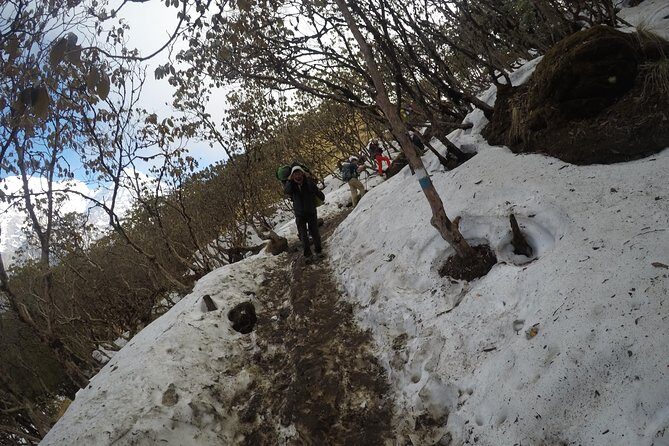
The biggest pattern in the feedback is clear: the team quality is a major reason people recommend this experience.
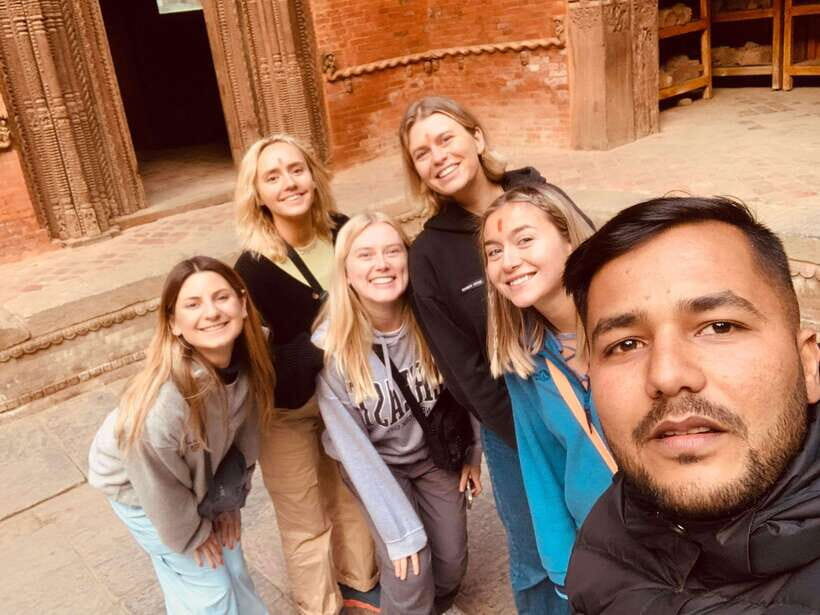
You’ll see a cluster of guide and porter names that keep coming up: Pasang (praised for responsibility, careful decision-making, patience, humor, and also for photography), Sondeep (praised for local knowledge and hotel connections that led to preferred treatment), Jaya K (praised as professional and client-oriented), and Santosh (praised as enthusiastic and attentive). In one trip, Sandeep is also named as an awesome guide.
Porters show up too: Num is singled out with a constant smile, and Ramesh is described as the coolest porter ever. Another review mentions teams including Ram and Ganesh.
Now, you might wonder what that actually changes for you. In real trekking terms, it can change:
- how quickly you get answers when you’re unsure about a route segment
- how smoothly your arrival days work with meals, rooms, and timing
- how calmly risks are handled when weather turns
- how much you enjoy the hike rather than just “surviving” it
Also, Mr. Mani is mentioned more than once as a leader who stays responsive, including being there from planning and even dropping a client at the airport afterward. That kind of continuity can matter when questions pop up last minute, or when plans shift.
Price and logistics: is $866.67 good value?
At $866.67 per person, this trek isn’t the cheapest way to do Nepal. But it can be solid value depending on what’s truly included in your specific booking package.
In the provided inclusions, private transportation is clearly listed. Lunch and alcoholic beverages are not included. That means you should not treat the total price like it automatically covers every meal or drink you want on the trail.
Here’s how to judge value for yourself:
- If your trek includes consistent guide leadership and porter support (which the feedback strongly suggests), then you’re paying for safety, smoother meals/rooms, and fewer headaches.
- If you’re comparing against cheaper options with unclear staffing or weak communication, the higher price can be worth it for peace of mind.
- If you hate uncertain meal costs, plan extra money for lunch. Not having lunch included can be surprisingly noticeable on a long day.
Also, the trek is private—only your group participates. Private trekking is often priced higher, because staffing and scheduling are less shared.
So, the best question isn’t just Is it $866.67? It’s: does this price match the kind of support you want? If you want a guide who’s attentive, porters who are upbeat, and an operator willing to adjust for weather, the price can feel fair.
Who this trek is best for
This experience notes that most travelers can participate, and service animals are allowed. It’s also near public transportation in Kathmandu, which helps if you’re juggling travel days.
In plain terms, I’d place Mardi Himal Trek in the “getting a taste of the Himalaya” category. It’s appealing if you:
- want a shorter trek in the Annapurna region rather than an open-ended commitment
- care more about views and a smooth day-by-day rhythm than extreme technical climbing
- value guides who are patient and organized
- want a private group experience with direct attention
It may be a less ideal fit if you:
- need guaranteed sunshine every day (weather can force changes)
- have very strict timelines with no buffer days
- hate budgeting for meals since lunch isn’t included
What to watch for: the one drawback you should plan around
The biggest planning snag is straightforward: lunch and alcohol aren’t included. That affects your daily budget and your ability to keep routines simple.
The second consideration is mountain weather. The experience requires good weather, and if it gets canceled due to poor conditions you can switch to another date or get a refund. That’s fair and normal for trekking, but it can be stressful if your whole trip is locked to specific flight times.
If you can handle those two realities, you’re set up for a positive trek experience.
Should you book Mardi Himal Trek with this operator?
I’d book this if you want a trek that’s built around real support: a guide who cares about your pace and safety, porters who keep things upbeat, and an operator that doesn’t panic when conditions change. The repeated praise for guides like Pasang, Sondeep, Jaya K, Santosh, and Sandeep isn’t a small thing. It’s a signal that the human side is strong.
I’d skip or re-think it if meal planning and tight schedules will stress you out. Lunch is not included, and the trek depends on weather. If either of those is a dealbreaker, you’ll probably enjoy a different trekking style or a package that covers more meals.
FAQ
What is the duration of the Mardi Himal Trek?
The duration is listed as 13 days approximately.
Where does the Mardi Himal Trek start?
The experience location is Kathmandu, Nepal.
Is pickup offered for this experience?
Yes, pickup is offered.
What time does the experience start?
The start time is 9:15 am.
What is included in the price?
The only item listed as included is private transportation.
What is not included?
Lunch and alcoholic beverages are not included.
Is this a private tour?
Yes. It is described as a private tour/activity, and only your group will participate.
What is the cancellation policy if weather is bad?
There is free cancellation. You can cancel up to 24 hours in advance for a full refund. The experience requires good weather, and if it is canceled due to poor weather, you’ll be offered a different date or a full refund.