REVIEW · POKHARA
The World Peace Pagoda in Pokhara
Book on Viator →Operated by Liberty Holidays · Bookable on Viator
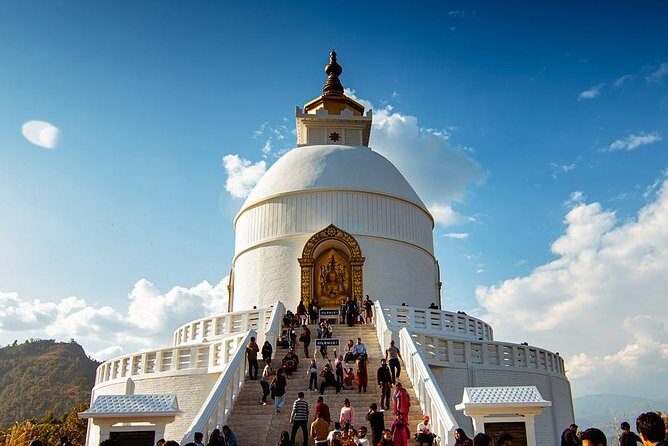
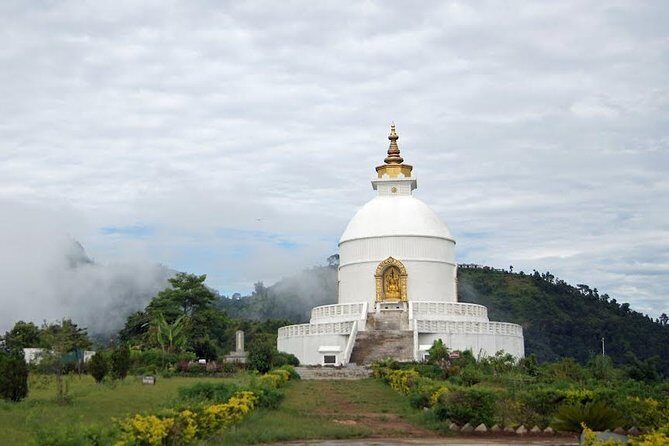
A hilltop stupa with views that reset your brain. The World Peace Pagoda (Shanti Stupa) is one of Pokhara’s most recognizable sights, and this tour makes it easy: you skip the tiring uphill slog thanks to hotel pickup and car transport. I also like that the visit comes with a guide who can explain what you’re looking at, not just point and shoot.
Two things I really enjoyed: the sweeping viewpoint over Phewa Lake and Pokhara city, and the chance to learn how the monument connects Buddhist ideas to specific places in the Buddha’s life. The one consideration is the final approach: even with the car ride, you still do a short staircase walk to reach the stupa, so wear shoes you trust.
If you want a calm, well-paced morning or afternoon outing that feels meaningful without turning into a workout, this is a solid option. Just plan around that moderate walking and you’ll be in great shape.
In This Review
- Key highlights at a glance
- Why the World Peace Pagoda is worth your time in Pokhara
- Getting there fast: private car pickup and a short stair climb
- The stupa viewpoint: panoramic views you can actually enjoy
- Buddhist symbolism: four directions of the Buddha’s life
- How the guide makes the visit feel personal (not just scenic)
- Timing and practical tips: what a 3-hour outing really means
- Price and value: is $60 a fair deal?
- Who should book this tour (and who might want a different plan)
- Should you book the World Peace Pagoda tour?
- FAQ
- How long is the World Peace Pagoda tour?
- Is pickup from my hotel included?
- How much walking is involved?
- What’s included in the price?
- Is food and drinks provided?
- What is the minimum age, and can I cancel for free?
Key highlights at a glance
- Private vehicle from your hotel so you don’t waste time climbing
- ~10-minute stair walk to reach the massive stupa from the parking area
- Himalaya, lake, and city panorama from the hilltop viewpoint
- Buddhist symbolism explained with the four directions of the Buddha’s life
- Built in the 1970s by Buddhist monks from the Japanese Nipponzan Myohoji order
- Entrance fees included plus a guided visit lasting about 3 hours
Why the World Peace Pagoda is worth your time in Pokhara
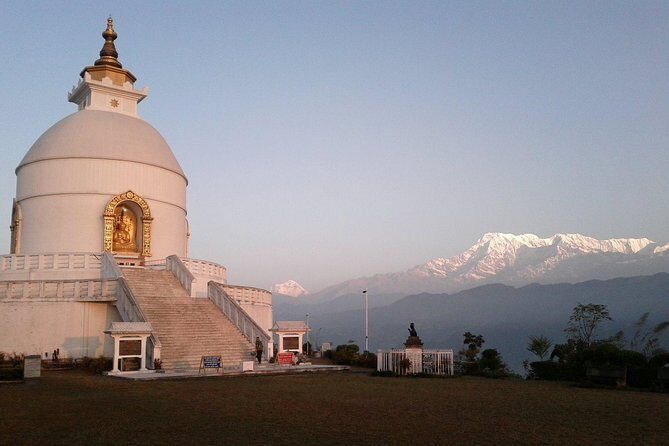
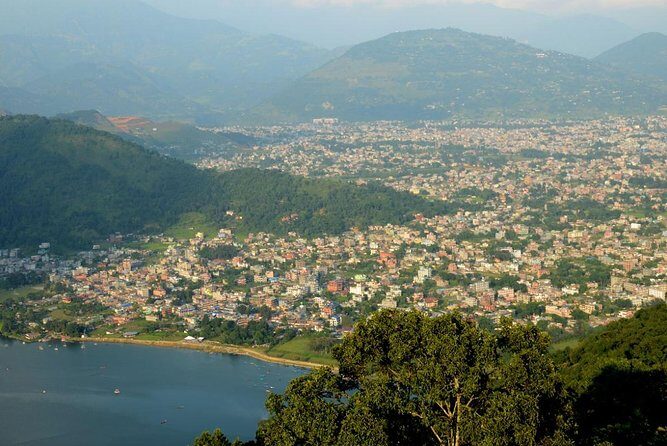
Pokhara has a way of giving you big views fast, but the World Peace Pagoda is special because it combines three things in one stop: a strong Buddhist landmark, a design you can actually understand while you’re standing there, and the kind of panorama that makes you pause. From the hilltop, you look down on Pokhara and out toward the snow-capped Himalaya, with Phewa Lake in the mix. It’s the sort of scene that makes your photos better without needing a fancy camera.
What I like most is the mood. This place isn’t just a viewpoint; it’s a monument with meaning. You’ll learn what the stupa is meant to represent and why the design ties into key locations from the Buddha’s life. That context turns the whole experience from pretty scenery into something you can discuss on the ride back.
And because the tour is built around a short visit with a guide, you don’t get dragged into spending the entire day there. It’s about making your time count. In about three hours, you get the hilltop payoff, the explanations, and a comfortable return to town.
You can also read our reviews of more tours and experiences in Pokhara.
Getting there fast: private car pickup and a short stair climb
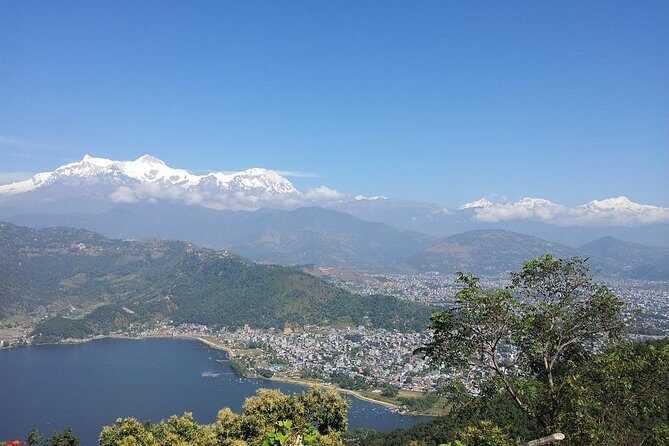
One of the biggest practical wins here is that you’re not solving Pokhara hills on foot. The tour includes hotel pickup and drop-off, and you travel to the pagoda in a private vehicle. Expect about a 30-minute drive from your start point area, then the final leg is only about a 10-minute walk through staircases.
That detail matters. On your own, it’s easy to underestimate how tiring stairs can be—especially if you’re traveling after a night in a busy town. Here, the physical part is kept short, and the guiding structure helps you spend your energy on the experience itself, not on getting there.
You’ll also get dropped back where you started, which is a big deal in Pokhara where moving around can be a little chaotic at peak times. If you’re planning other activities after, this tour’s timing is friendly. Wear comfortable shoes for those stairs, even if you’re not typically a “hiking” person.
Small note: the tour runs as a private activity for your group, so it’s not a random shuffle with strangers. That usually makes it easier to keep your pace and ask questions without feeling rushed.
The stupa viewpoint: panoramic views you can actually enjoy
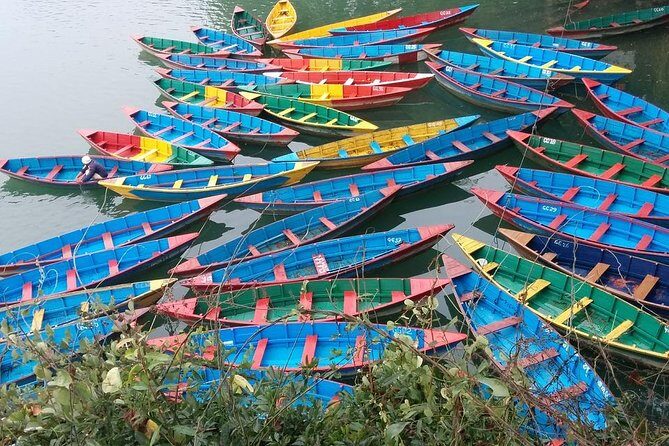
The World Peace Pagoda sits on a hill overlooking the southern shore of Phewa Lake. When you reach it, you’re in the perfect spot for taking in Pokhara from above: the city spread, the curve of the lake, and the distant Himalaya on clear days. This is one of those viewpoints where you can stand still, rotate your gaze, and keep finding new layers.
I like that the tour doesn’t treat the view as an add-on. The viewpoint is the main event. So your guide’s explanations match what you’re looking at, rather than you feeling like you arrived, snapped a few pictures, and left with no idea what any of it meant.
If you’re the type who hates rushing through photo stops, the pacing here works. You have time to settle in, listen, and look. And since the tour duration is about three hours total, you’re not stuck for an entire day on one hillside.
There’s also a calm rhythm to how you reach the stupa: a short drive, then a short stair walk. That keeps you from arriving totally breathless, which makes a big difference when you want to enjoy the panorama at your own tempo.
Buddhist symbolism: four directions of the Buddha’s life
The stupa’s design is more than decoration. It reflects prominent stages of the Buddha’s life in four directions. Your guide will walk you through this, and it’s one of the most memorable parts because you can connect the explanation to what you physically see on-site.
Here’s the structure you’ll learn about:
- The direction linked to where the Buddha was born: Lumbini
- The direction linked to where he became enlightened: Bodh Gaya
- The direction linked to where he taught for much of his life: Sarnath
- The direction linked to where he reached nirvana: Kushi Nagar
As you understand these points, the stupa stops being just a white structure on a hill. You start seeing it as a map of meaning, oriented around major places in Buddhism. That’s why a guided visit is worth it here—without that context, the stupa can feel like scenery.
One more layer that makes the visit feel anchored in time: the monument reflects its origins in the 1970s, constructed by Buddhist monks from the Japanese Nipponzan Myohoji order. Knowing it’s not an old, vague artifact but a landmark with a clear modern story helps you place it in the broader mix of Nepal’s religious landscape.
How the guide makes the visit feel personal (not just scenic)
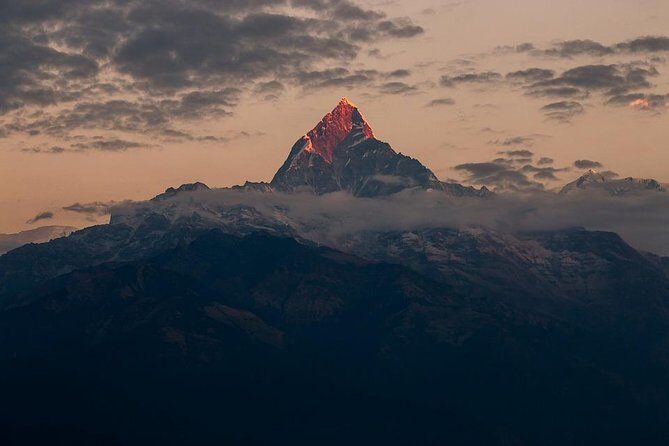
A good viewpoint tour is mostly about logistics. A great one is about turning what you see into understanding you keep. This one is built for that second part. You’ll have a professional guide who explains the stupa and Buddhism in Nepal, so you’re not left guessing.
I especially appreciate when a guide can connect the symbolism to your real experience on-site. In this case, you’re standing at a monument designed to represent stages of the Buddha’s life across four directions. With a guide, you can follow the thread and actually notice details instead of treating them like background.
The tour also keeps things flexible in the best way: it’s private for your group, so you can ask questions as you go. That can be useful if you’re curious about how Buddhism is practiced in Nepal today, or if you’re simply wondering why this particular style and order of construction matters.
Even the logistics support the learning. Because you don’t spend most of your energy climbing, you’re more available for listening. It’s easier to focus when you’re not arriving exhausted.
If you like tours where the guide brings meaning and not just a checklist, this fits your style.


Timing and practical tips: what a 3-hour outing really means
The tour runs about 3 hours total. In practice, that usually feels like: meet up, get picked up, drive to the pagoda, do the stair walk, spend time at the stupa for viewpoints and explanations, then return.
Because it’s not a full-day excursion, you should plan it as one anchor activity rather than a filler. I’d pair it with a lighter day plan before or after, especially if you’re also doing lakeside strolling. This tour gives you the big view moment, then lets you recover without keeping you trapped on the hill.
Here are the practical details that help you have a smooth visit:
- The walk to the stupa is short but includes stairs, so comfortable shoes are important.
- The stupa visit includes entrance fees, so you don’t need to hunt for tickets on arrival.
- Food and drinks are not included, so if you think you’ll want a snack later, plan for it on the Pokhara side.
The meeting point in Pokhara is Barahi Chouk, Lakeside Rd Chowk. If your hotel is inside Pokhara city, the tour offers pickup—just provide your hotel name so they can route you properly.
Also note the minimum age is 5 years. If you’re traveling with kids, the short stair segment is manageable for many families, but shoes and steady pacing matter.
Price and value: is $60 a fair deal?

At $60 per person, the value depends on what you’d otherwise pay for transportation, guide time, and admission separately. Here, you get hotel pickup and drop-off, a private vehicle, a professional guide, and entrance fees included. That bundle is the core reason the price works out well, especially if you’re not already planning a guided sightseeing day in Pokhara.
If you were to do it on your own, you might save a bit on the guide, but you’d still pay for transport and then spend time figuring out what you’re looking at once you’re there. For a landmark like the World Peace Pagoda—where symbolism and Buddhist context are part of the experience—the guide helps you get more out of the time you spend on the hill.
In other words, you’re not just buying transport to a viewpoint. You’re buying guided interpretation of a monument and its design. If that kind of explanation matters to you, the price makes sense. If you only want photos and don’t care about learning, you might feel like you paid for something you didn’t fully use.
Who should book this tour (and who might want a different plan)
This tour is a great match if you want a guided, meaningful hilltop stop without a long hike. It’s ideal for:
- First-time visitors to Pokhara who want the must-see view
- Travelers who appreciate context about religion and symbols
- People who want comfort (pickup, private vehicle) but still don’t mind a short stair walk
It might be less ideal if:
- You have a strong dislike for stairs, even short ones
- You’re traveling with mobility limitations and can’t manage the stair segment
- You’re only interested in quick sightseeing photos and don’t care for the Buddhist background the guide provides
For most people, though, the balance is right: you get the effort trimmed down, and the payoff stays big.
Should you book the World Peace Pagoda tour?
I’d book it if you want the Shanti Stupa experience to feel complete. The combination of comfortable pickup, a short approach with stairs, a guided explanation of the monument, and included entrance fees makes it an efficient way to get both the view and the meaning.
Skip it only if you’re truly avoiding guided interpretation or if stairs are a deal-breaker for you. Otherwise, this is the kind of tour that leaves you with more than a photo card—more like a story you can tell about what you saw and why the stupa was built.
If you’re aiming for a calm, organized half-day moment in Pokhara, this one fits nicely.
FAQ
How long is the World Peace Pagoda tour?
It lasts about 3 hours.
Is pickup from my hotel included?
Yes. Hotel pickup and drop-off are included for hotels inside Pokhara city. You’ll need to share your hotel name.
How much walking is involved?
There is a moderate amount of walking. After the car ride (about a 30-minute drive), you’ll walk about 10 minutes through staircases to reach the stupa.
What’s included in the price?
Included are hotel pickup and drop-off, private transportation, a professional tour guide, and entrance fees.
Is food and drinks provided?
No. Food and drinks are not included.
What is the minimum age, and can I cancel for free?
The minimum age is 5 years. You can cancel for a full refund up to 24 hours before the experience starts.