REVIEW · POKHARA
Private Full-Day Hike in the Annapurna Foothills in Pokhara
Book on Viator →Operated by Nepal Tour & Trekking Services · Bookable on Viator
That first mountain air hits fast. This private hike out of Pokhara mixes village life with high-reward viewpoints like Australian Camp, without the stress of navigation. You get round-trip hotel transport, a dedicated guide, and a route that keeps rewarding you as you climb.
Two things I really like: you walk through real communities in the Gurung heartland, and the mountain scenery feels close enough to study. You’ll also get personalized pacing on a private outing, which makes a big difference on stair-heavy paths.
One consideration: it’s not a stroll. This is a significant walking day with rock stairs up and down, so you’ll want solid shoes and a steady pace plan.
In This Review
- Key things I’d plan for
- Why the Annapurna Foothills Walk Beats a Straight View Day
- Meeting in Lakeside Pokhara and Heading to Phedi by Private Vehicle
- Forest Steps Up to Dhampus Gurung Village
- The trail reality check
- Australian Camp Viewpoints With Real-Time Stair Effort
- A weather moment that can change everything
- Phedi and the Downward Stretch Back to Pokhara
- The Big-Peak View List You’ll Want to Spot
- When you can’t see much, still look for something
- Gurung Traditions Along the Trail, Not Just at a Museum
- Private Guide Perks: Flexibility, Humor, and Better Photos
- What to Pack and How to Pace a 6 to 7 Hour Stair Climb
- Price and What You Actually Get for $125
- Who This Annapurna Foothills Hike Fits Best
- Should You Book This Private Annapurna Foothills Hike?
- FAQ
- How long is the hike?
- What time does the experience start?
- Is pickup from Lakeside Pokhara included?
- Is this a technical climb?
- What’s included in the price?
- Can I cancel for a full refund?
Key things I’d plan for
- Private guide, private route pace: You’re not sharing decisions with a crowd.
- Dhampus Gurung village on the way: Stone lanes and village life views come with the climb.
- Australian Camp viewpoint time: A classic stop where lunch and photos usually happen.
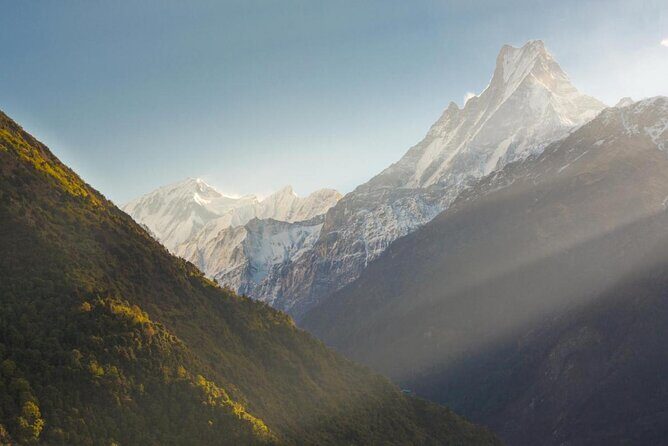
- Views of several major peaks: Dhaulagiri, Manaslu, Fishtail, and more appear when weather cooperates.
- Stair-step trail, not technical climbing: Expect carved rock steps, not rope-and-harness difficulty.
Why the Annapurna Foothills Walk Beats a Straight View Day
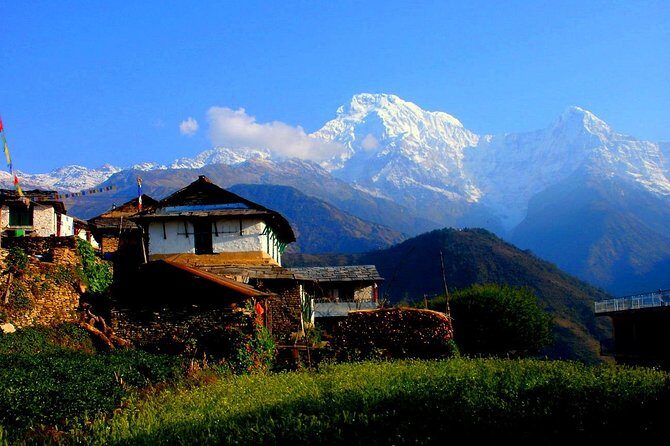
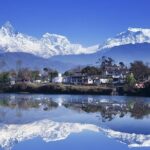
Pokhara is famous for mountain views, but this kind of day does more than show you the Himalaya from a distance. You’re moving through the foothills of the Annapurna Range, so the views build as you gain altitude. One moment you’re in forest shade, then suddenly you’re looking out over valleys and ridgelines that make those famous peaks feel less like postcards.
The other big win is the “two stories at once” experience. You’re hiking for scenery, yes. But you’re also passing traditional villages and learning about Gurung traditions along the way. That cultural piece matters because it changes the day from just exercise into something you can talk about later, especially if you like seeing how daily life works outside the tourist bubble.
This is also structured to keep things simple. The route is guided, and the point isn’t to teach you navigation skills. That’s a real value in Nepal, where trail conditions can vary and you don’t want to guess your way through switchbacks while your legs are already tired.
You can also read our reviews of more private tours in Pokhara
Meeting in Lakeside Pokhara and Heading to Phedi by Private Vehicle
Your day starts with pickup from a Lakeside Pokhara hotel area. You’ll meet your guide in your hotel lobby around 8:45 am, then ride by private vehicle toward Phedi. This drive is part of the experience: the highway winds through the Pokhara valley and you get early glimpses of Himalayan ranges even before your shoes hit the trail.
Because it’s private transport, you avoid the “where do we wait, which van is ours, and who’s missing?” stress. Also, having the local guide coordinate the timing helps you settle into the day instead of burning energy on logistics.
One small detail that makes life easier: you’ll have a mobile ticket. In places like Nepal, that kind of paper-free convenience isn’t glamorous, but it’s practical.
Forest Steps Up to Dhampus Gurung Village
Once you start walking, you immediately trade vehicle comfort for a trail that climbs through forest. The route begins on a path that’s carved inside forest, and it’s the kind of setup that gradually warms you up without immediately exhausting you.
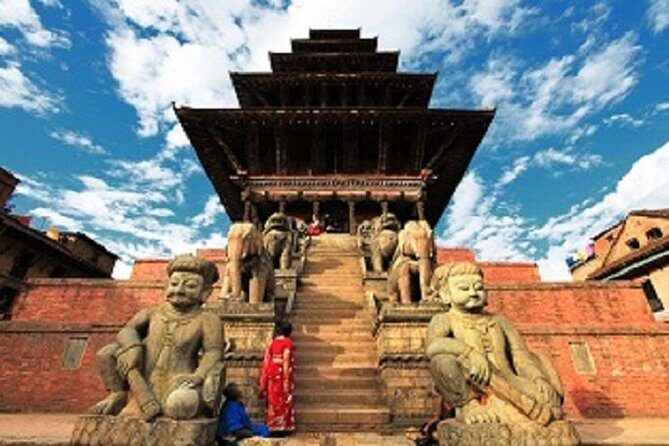
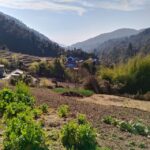
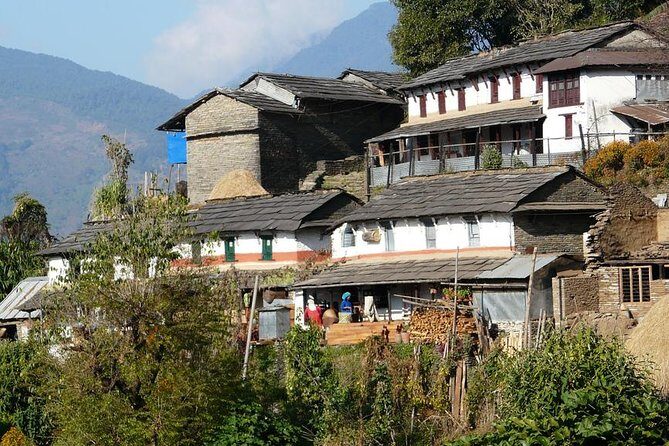
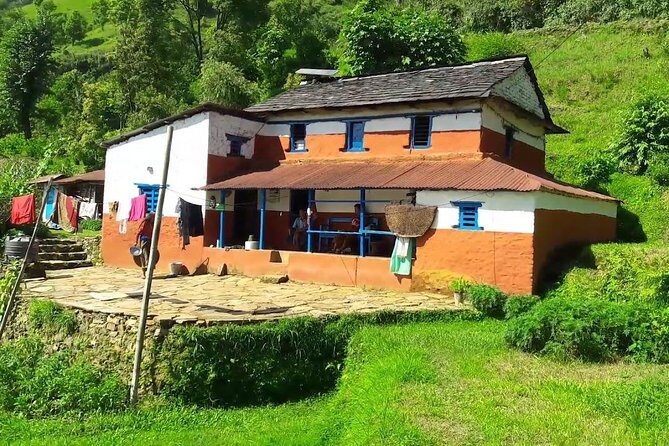
As you go higher, your destination becomes the Dhampus village area. Dhampus is described as one of the most popular village stops in the Annapurna foothills, and it’s a typical Gurung village. The village layout is part of what people remember: stone paved lanes and homes positioned with views toward the mountains.
Dhampus also has that “everybody photographs here” quality, but with a twist. The day isn’t just a stop for a few minutes. You’re approaching it as part of a hike, so you get to arrive with a bit of momentum and curiosity instead of treating it like a drive-by viewpoint.
The trail reality check
Even though this is not described as technical climbing, the path up and down is mostly carved rocks into stairs. Think steady effort more than scrambling. If you’ve done stairs on steep streets before, you’ll know the kind of burn this day can create. The upside: it’s a clear, predictable climbing style, and it doesn’t require gear beyond the basics.
Australian Camp Viewpoints With Real-Time Stair Effort
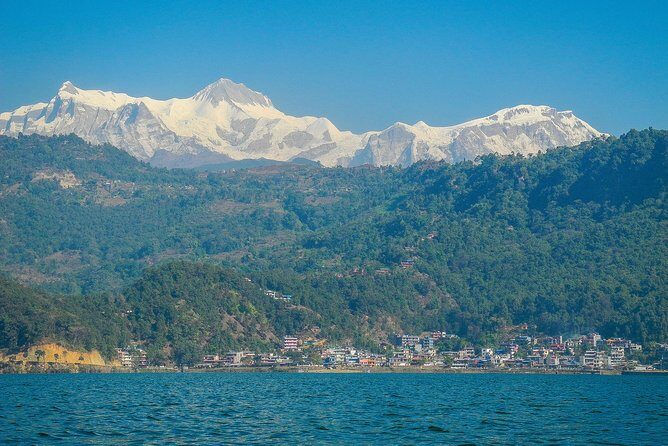
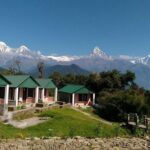
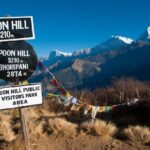
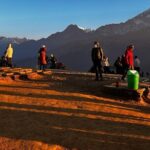
Australian Camp is where the day starts feeling like a reward journey. You’re working your way upward through the foothills, then you reach a higher viewpoint area where the mountains open up more clearly.
This is also where lunch often fits naturally. One guest experience highlighted chicken momo as a lunch choice at Australian Camp, which tells you the vibe: simple, local food at a practical rest point, not a formal restaurant stop.
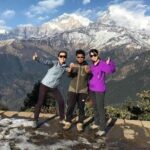
And yes, you’ll want to treat the photos seriously. This isn’t a quick “snap and go” viewpoint. The point of Australian Camp is that you can pause and actually look—study angles, track ridgelines, and feel how high the terrain rises from the valleys below.
You can also read our reviews of more hiking tours in Pokhara
A weather moment that can change everything
Views are weather-dependent. One guide-led hike taken in early July was wetter, and the mountains weren’t as visible as expected. That doesn’t mean the day is ruined. It means your plan should include flexibility: bring rain protection and be ready to enjoy the hike itself even when the peak photos are less dramatic.
Phedi and the Downward Stretch Back to Pokhara
After your uphill work and village-and-view time, you’ll hike back toward Phedi, where your transport is waiting. This return section matters because your legs will be tired by then, and descending stairs can feel tougher than the climb for many people.
The good news is that the route is described as carved stairs rather than a technical climb. You’re still moving carefully, but you’re not dealing with exposed scrambling. With good pacing, you can make the return feel controlled instead of chaotic.
When you finish, you’re back on the private vehicle for the ride down to Pokhara. That round-trip convenience is part of why this option is worth considering versus building your own hike from scratch.
The Big-Peak View List You’ll Want to Spot
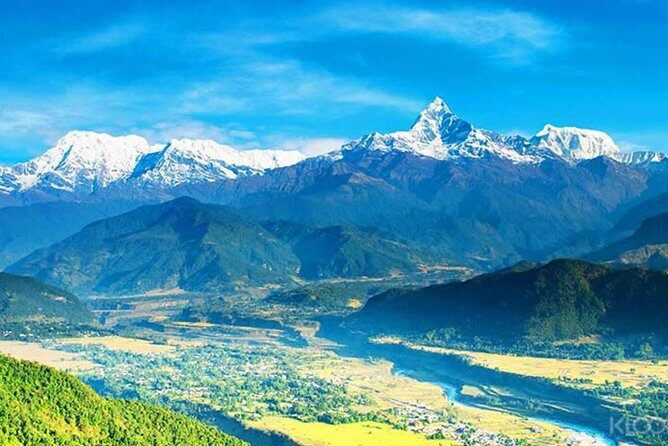
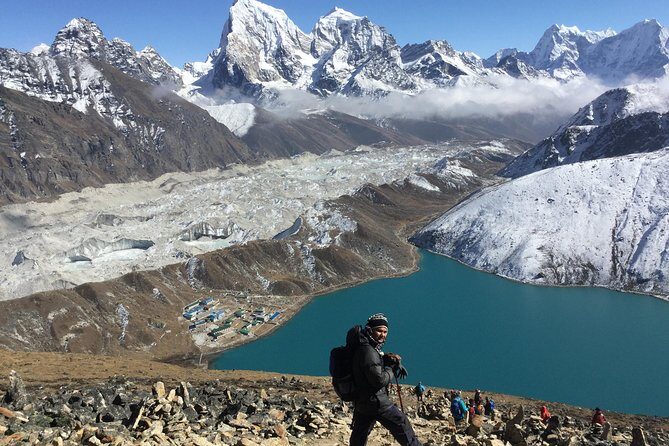
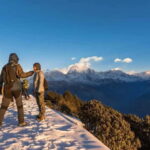
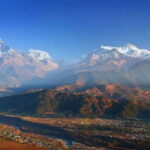
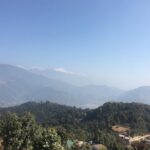
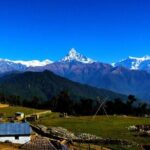
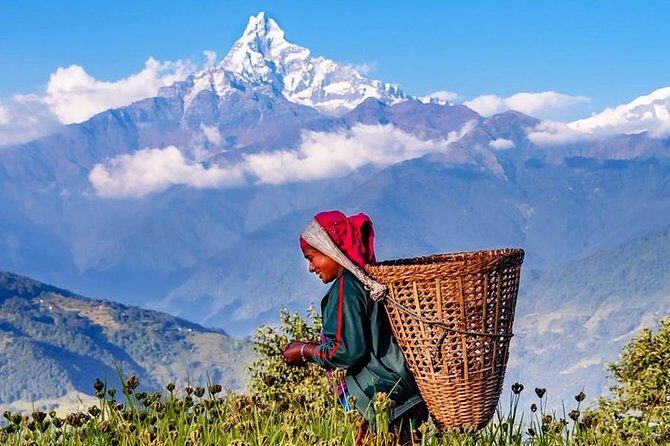
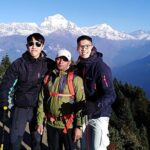
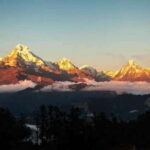
This hike is designed to deliver broad mountain sightlines. When visibility is decent, you can admire views of Mt. Dhaulagiri, Mt. Manaslu, Mt. Fishtail (also known as Machhapuchhre), and more.
But here’s what I’d focus on while you’re hiking: don’t just look up and hope. Use your guide and the moments you stop to orient yourself. A good guide can point out what’s what so the peaks start to feel like named places instead of a blur of silhouettes.
When you can’t see much, still look for something
Even on hazier or wetter days, you can still get value from the viewpoint stops. You might not see perfect peak outlines, but you’ll notice valley shape, ridgeline direction, and the way clouds sit in the terrain. That still tells a story about altitude and geography—it just changes how clearly you can identify each peak.
Gurung Traditions Along the Trail, Not Just at a Museum
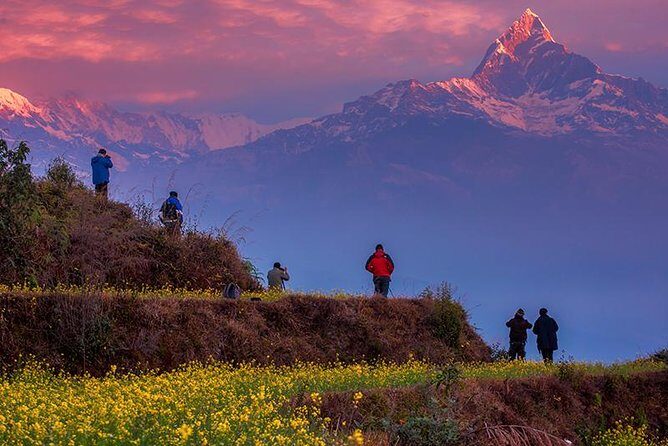
One reason I like this style of hike is that culture isn’t separated into a separate activity. You’re learning about Gurung traditions as you pass through Nepali villages, and the walking keeps you moving through the real geography of everyday life.
Dhampus village is the anchor here. It’s described as a typical Gurung village, and the setting is very specific: stone paved lanes, a village layout that faces toward the mountains, and a daily-life feel that’s different from urban Nepal.
Your private guide also plays a big role. One guest highlighted that guide Dipak knew the area well and was fun to talk with. That matters because you’ll hear stories that connect what you’re seeing to what it means for the people living there, instead of just getting generic descriptions.
Private Guide Perks: Flexibility, Humor, and Better Photos
A private hike is more than quiet time. It’s easier decision-making. You can pause longer when a viewpoint is working, move along faster when you’re feeling good, and ask questions when something looks interesting.
The guide impact showed up clearly in feedback. Dipak came across as professional and highly accommodating—one group even said he recommended and arranged other tours and activities afterward. That’s a real bonus. If you’re in Pokhara with limited time, a guide who understands your interests can help you build a practical plan for the rest of your trip.
Also, because it’s a private tour, it’s just your group. That means no waiting for slower walkers in the front and no pressure to keep up with a pack you didn’t choose.
What to Pack and How to Pace a 6 to 7 Hour Stair Climb
This hike is listed at about 6 to 7 hours. That’s long enough to require a strategy. The path includes significant walking and lots of stair steps carved from rock. It’s not described as a technical climb, but it’s still physically demanding.
Here’s how I’d prepare:
- Shoes with real grip: Stair rock can be slick when wet.
- Layering for changing conditions: Forest start, then exposed viewpoints.
- Rain protection if the forecast looks iffy: One early July hike was wet enough to reduce visibility, but people still had a great time.
- Plan for food timing: Food and drinks aren’t included, even though lunch can happen at a natural rest stop like Australian Camp.
The goal is to keep your effort steady. If you sprint uphill, you’ll pay on the way down. Instead, think: slow is smooth, smooth is fast.
Also, set a simple expectation: you’re doing a walking day. If you want a lightly active morning with lots of lounging, this probably won’t match that mood.
Price and What You Actually Get for $125
At $125 per person, this isn’t a budget “just transportation” deal. You’re paying for a full package: hotel pickup and drop-off, a private local guide, and private vehicle transport from Lakeside Pokhara.
You also get a structure that keeps you from wasting energy. In places where routes can be confusing, having someone handle the route and timing is a form of value you feel in your body. Less confusion means more hiking enjoyment, and more time spent looking at mountains instead of questioning directions.
Food and drinks are not included, and personal expenses aren’t included either. So the real cost is $125 plus what you choose to eat. Still, compared to cobbling together your own transport plus paying a guide separately, this price can feel fair—especially when you’re traveling as a group and want it truly private.
One extra clue on demand: it’s often booked about 96 days in advance on average. That suggests this is a popular day, so if your dates are fixed, don’t wait until the last week to lock it in.
Who This Annapurna Foothills Hike Fits Best
This hike sets minimum age at 10 years, and the experience notes that most travelers can participate. That’s encouraging, but the key phrase is significant walking. If you can handle long stair-like descents and climbs, you’re likely to be fine.
You’ll get the best match if you:
- want a guided Nepal day where you don’t have to worry about getting lost
- enjoy village culture and not just viewpoints
- like private attention and pacing
- want a moderate hike that’s physical but not technical
You might think twice if you:
- want minimal walking or a flat route
- have mobility limits that make stair steps difficult
- are expecting a purely easy stroll with only short viewpoint stops
Should You Book This Private Annapurna Foothills Hike?
If your goal is a full-day Nepal experience that blends mountain views plus village life, I’d book it. The private guide approach is the difference-maker: you’ll spend less time managing logistics and more time actually enjoying the day’s rhythm.
I’d also book it if you like realistic hikes—effort, stairs, and the satisfaction of earning the viewpoint—rather than a sightseeing-only format. Just go in with the right expectation: it’s a hike. When weather hides the peaks, you can still enjoy the villages, the trail, and the changing views.
If that sounds like your kind of day, this one is a strong pick out of Pokhara.
FAQ
How long is the hike?
It runs about 6 to 7 hours.
What time does the experience start?
You’ll meet your guide around 8:45 am.
Is pickup from Lakeside Pokhara included?
Yes. The experience includes round-trip transfers from Lakeside Pokhara hotels.
Is this a technical climb?
No. The route is described as not a technical climb, with mainly carved rock stair steps up and down.
What’s included in the price?
The price includes hotel pickup and drop-off, a private local guide, and private vehicle transport to and from your Lakeside Pokhara hotel. An admission ticket is also listed as included in the experience details.
Can I cancel for a full refund?
Yes. You can cancel up to 24 hours in advance for a full refund.