REVIEW · KATHMANDU
Pokhara: 2 Day Ghorepani & Poon Hill Private Trekking
Book on GetYourGuide →Operated by Nepal Trip Creator · Bookable on GetYourGuide
Early-morning views here are unreal. I love how this 2-day plan makes Poon Hill doable, even if you’re not trying to spend a week on the trail. I also like the mix of culture and scenery: Gurung villages, terraced fields, and rhododendron forests on the way to the sunrise viewpoint.
The one thing to plan for is the uphill transfer from Pokhara and the early start. The ride can be tiring and bumpy, and the climb to Poon Hill at about 4am is steep enough to feel it in your legs, even though the overall trek is considered manageable.
In This Review
- Key things to know before you go
- Why this 2-day Poon Hill plan makes sense
- Road transfer from Pokhara: expect uphill, expect bumps
- Day 1: Tikhedhunga/Ulleri to Ghorepani (2850m) and first real walking
- Day 2: 4am push to Poon Hill (3210m) for sunrise over Annapurna and Dhaulagiri
- Rhododendron forests and Gurung villages: where the trek feels real
- Teahouses and lodge sleep: comfortable enough, but manage expectations on food
- Guide support that actually matters on an early morning
- Price and value: what $129 buys you on a 2-day trip
- Difficulty level: manageable, but don’t underestimate the steep parts
- Best fit: who should book this private Poon Hill trek
- Should you book this tour?
- FAQ
- How long is the trek in this Poon Hill itinerary?
- What’s the approximate altitude for Ghorepani and Poon Hill?
- How early do you start on the day for sunrise?
- How long is the drive from Pokhara to the trekking start?
- What’s included in the price?
- Are meals included?
- Is a porter included?
- What language is the guide?
- What should I bring for the trek?
Key things to know before you go
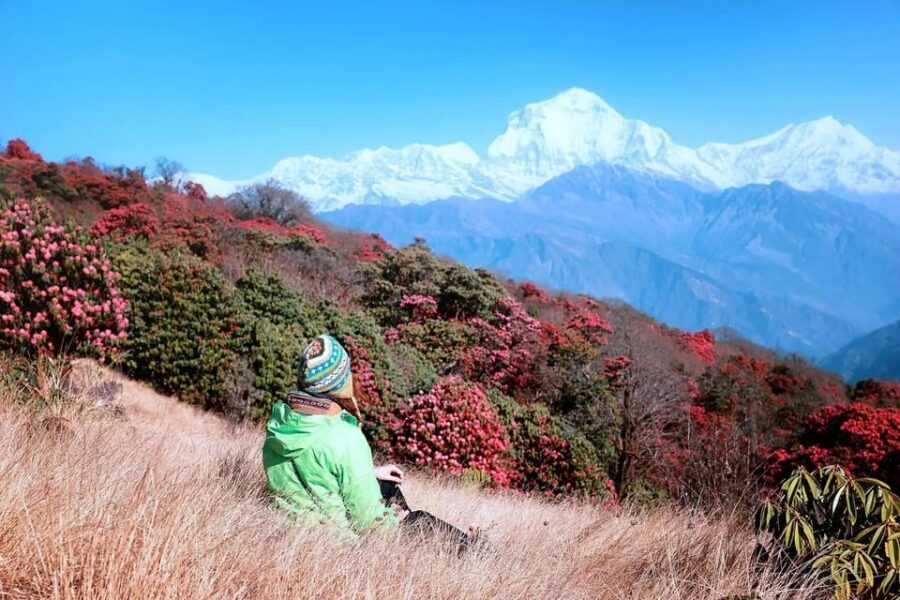
- Poon Hill sunrise over the Annapurna and Dhaulagiri ranges (the main event)
- Rhododendron forest walking plus village paths with terraced fields
- Two comfort stops: tourist-standard lodge in Ghorepani and tea-house style options along the trail
- Private guide support, including help with food and accommodation
- Early morning effort: steep stairs/trails to reach Poon Hill
- Practical logistics like hotel pickup/drop-off and luggage storage in Pokhara
Why this 2-day Poon Hill plan makes sense
Poon Hill is popular for a reason: it gives big mountain payoff on a short timeline. This trek is designed as a fast route into the Annapurna foothills without requiring multi-day hiking experience. If you have limited time in Nepal, it’s one of the best ways to feel the mountains up close while still getting a proper night on the trail.
I also like that the trek doesn’t feel like a single straight line to a viewpoint. Day 1 builds you up gradually from Tikhedhunga/Ulleri toward Ghorepani, so you get that slow “Nepal rhythm” of walking, stopping, and chatting with locals. Then Day 2 shifts into sunrise mode, when you’re moving in the dark for the climb and the payoff happens before the day fully starts.
One more thing: it’s a private group. That matters when you’re doing an early push. You can keep your pace, and your guide can adjust based on how you’re feeling that morning.
You can also read our reviews of more private tours in Kathmandu


Road transfer from Pokhara: expect uphill, expect bumps
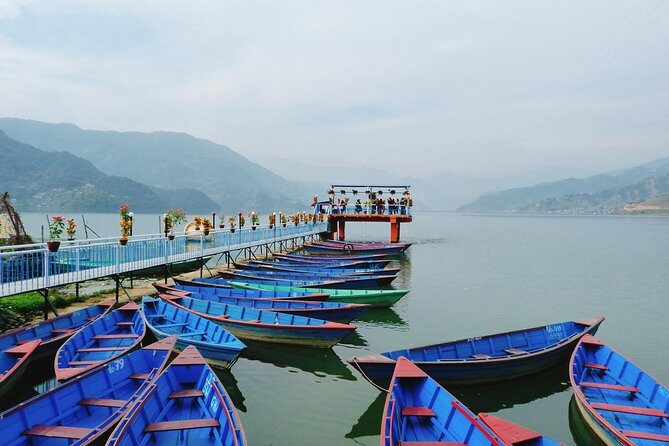
Your trek starts with a vehicle ride from Lakeside Pokhara (or the airport area). The drive to Tikhedhunga/Ulleri is listed at around 3 hours, and the tour is described as involving a comfortable 4WD-style journey in the highlights. In practice, some people experience it as a longer ride with road vibration and jumps as you gain altitude.
What that means for you: treat the transfer like part of the trekking effort. Wear a warm layer because mornings and evenings in the region can feel colder. Bring a small bottle of water, and avoid trying to time snacks so tightly that you feel rushed once you reach the trailhead.
If you’re the type who likes to explore before hiking, keep your expectations flexible. One smart way to protect your energy is to arrive in Pokhara with a little buffer time and don’t plan any heavy activities the night before the trek.
Day 1: Tikhedhunga/Ulleri to Ghorepani (2850m) and first real walking
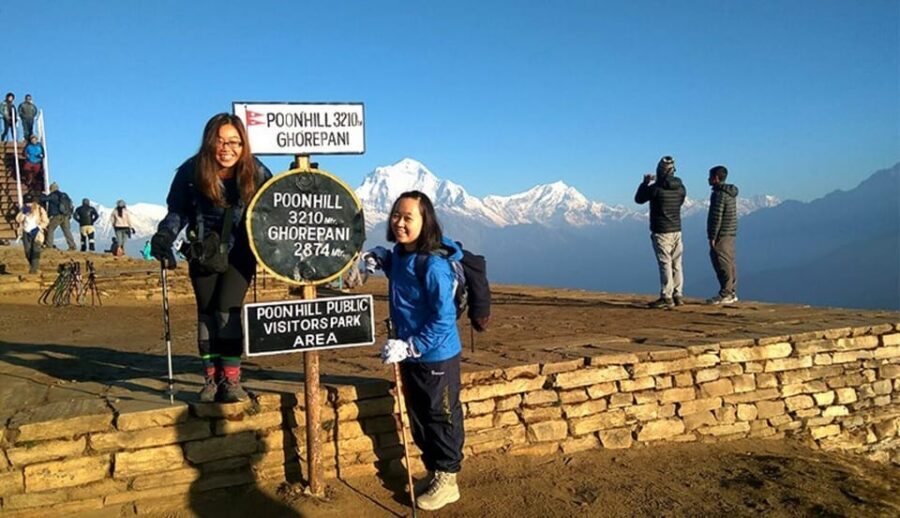
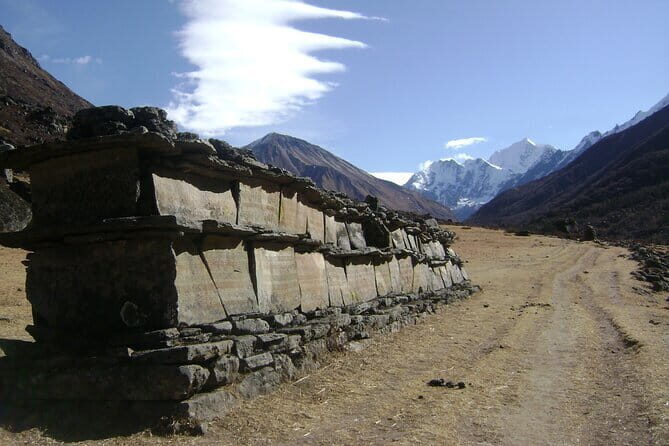
Day 1 begins with a drive to Tikhedhunga/Ulleri and then you start hiking. The route climbs through villages, terraced fields, and green forested sections, and it’s especially scenic as you move deeper into rhododendron country.
This is the day that turns the idea of trekking into real rhythm. You’ll walk long enough to feel like you accomplished something, but not so long that it ruins your sunrise morning.
Here’s what makes this day enjoyable, not just “warm-up miles”:
- Village walking: you pass through communities where daily life is close to the trail. It’s not only scenery; it’s people, homes, and small tea stops.
- Terraced fields: they give structure to the hillside, so even when the path bends, you can still read where you are in the valley.
- Rhododendron forests: this matters because it changes the feel of the walk. Instead of only open views, you get shaded, cooler sections that make steady hiking easier.
You finish Day 1 at Ghorepani, where you sleep at a tourist-standard lodge. This night is crucial. It’s your chance to hydrate, eat something filling, and get an early bedtime so the 4am start doesn’t feel like punishment.
Day 2: 4am push to Poon Hill (3210m) for sunrise over Annapurna and Dhaulagiri
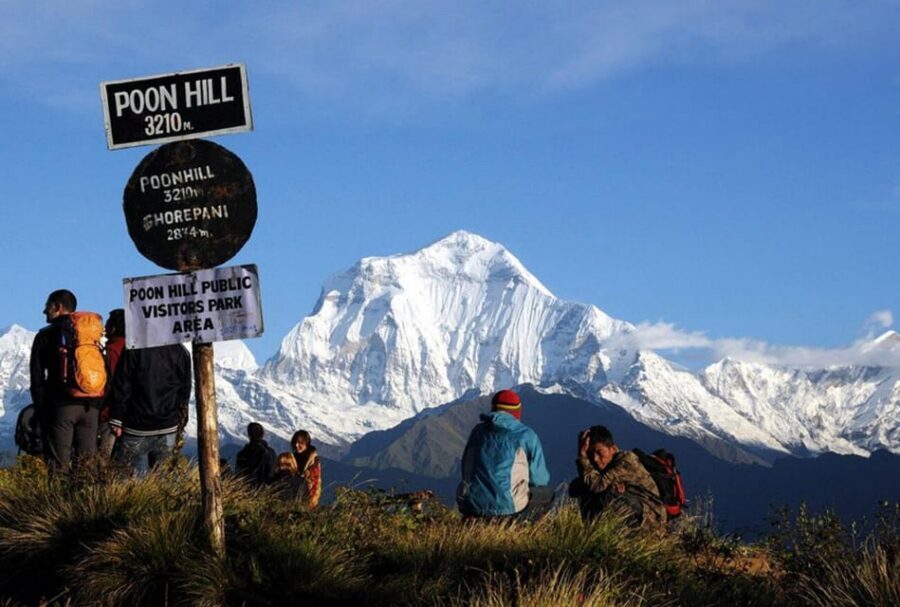
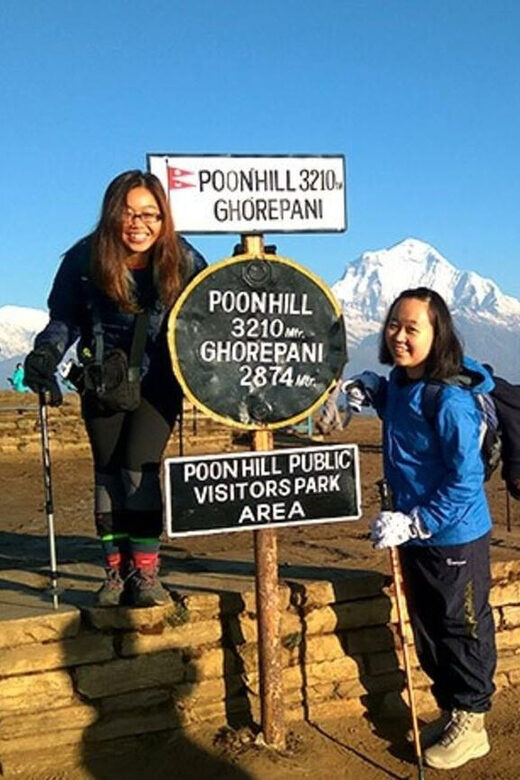
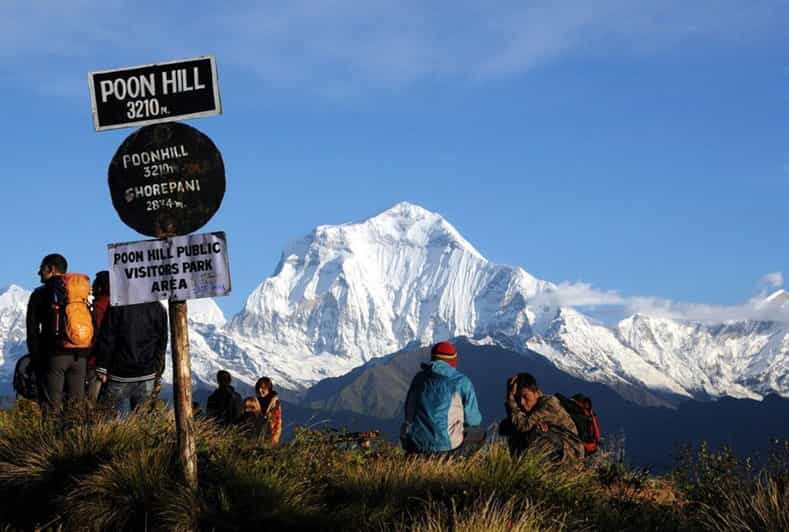
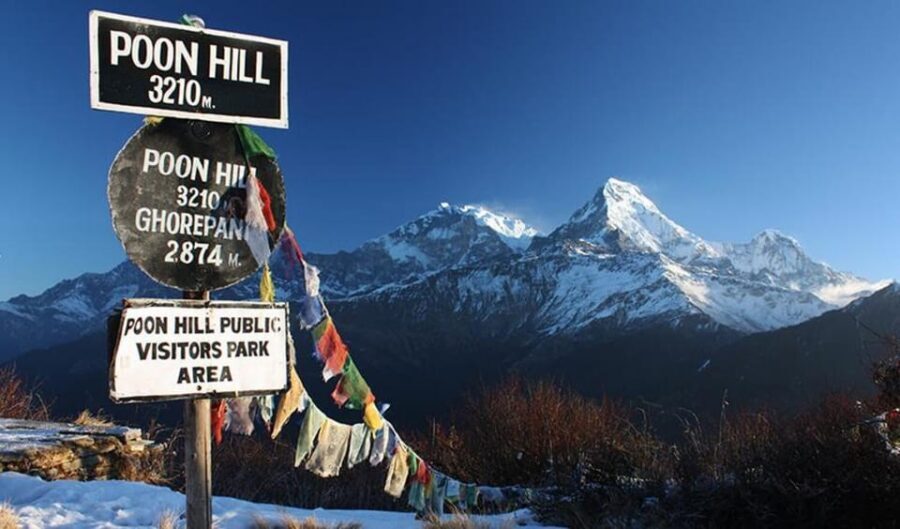
Day 2 starts early, around 4am, with a trek from Ghorepani up to Poon Hill at 3,210 meters. The climb is described as demanding because the trail is steep in spots. Translation: you will likely be stepping up a lot of stone stairs and uneven paths.
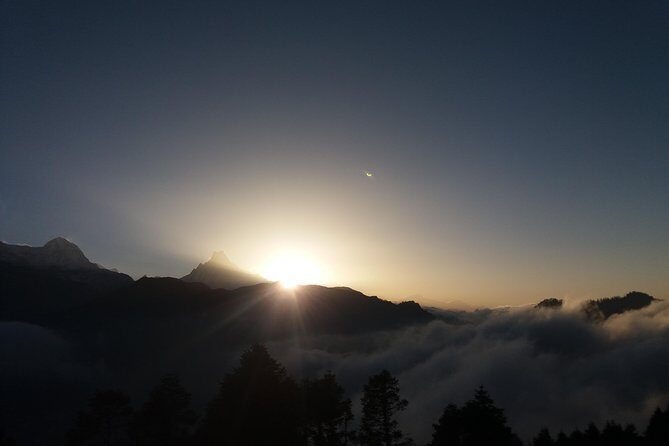
But the payoff is the reason people book this trek at all. Sunrise from Poon Hill is meant to reveal the Annapurna and Dhaulagiri ranges as the first light hits the ridgelines. This is the moment when the early darkness and heavy breathing make sense.
A practical tip for your hike up: don’t sprint. Keep a steady cadence, take short pauses, and save your energy for the last stretch. If you go too fast early, you’ll end up paying for it later when the trail steepens.
Once you’ve seen the sunrise, you’ll descend back toward Ghorepani and continue down the trail toward Nayapul, then drive back to Pokhara. So this day is not only “up for sunrise.” It’s also “down with stamina.” Your legs will still be working after the viewpoint, so plan on a full day of effort, just broken into phases.
Rhododendron forests and Gurung villages: where the trek feels real
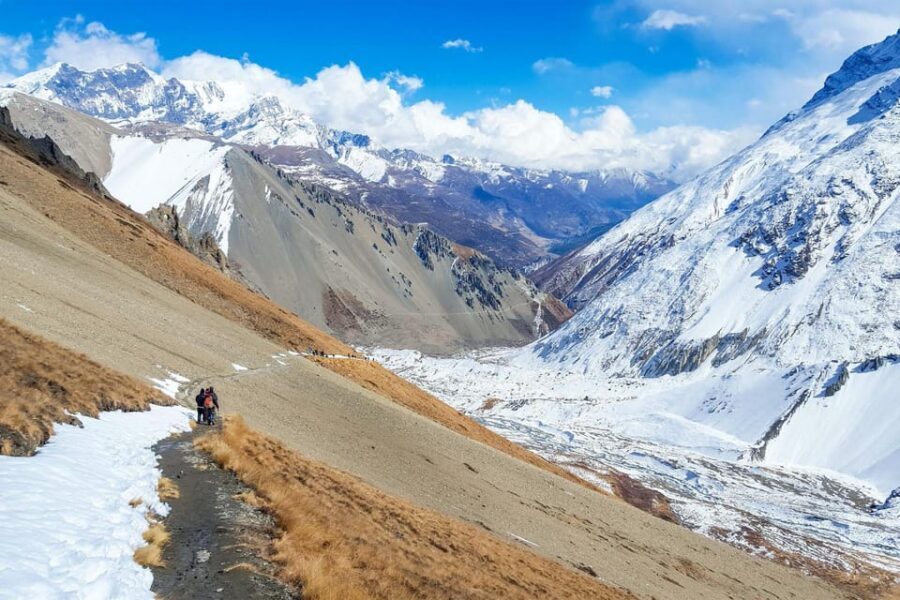
The standout part of the walking isn’t only the view waiting at the top. It’s the way the route moves through different kinds of scenery and local spaces.
The tour highlights rhododendron forests and Gurung villages, and that combination is why the 2 days feel more rounded. Rhododendron sections give you a softer, shaded feel. Village sections give you the cultural side: the trail passes through places where people live year-round, not only tourist stops.
Even if you don’t speak much beyond hello, you’ll usually see:
- locals taking care of households and shops near the route
- small tea-house settings that act like warm rest points
- daily patterns that make the trek feel grounded
Also, terraced fields keep showing up along the way. They give you a sense of how people farm these hillsides, which is one of the most honest ways to understand the region beyond a viewpoint photo.
You can also read our reviews of more hiking tours in Kathmandu



Teahouses and lodge sleep: comfortable enough, but manage expectations on food
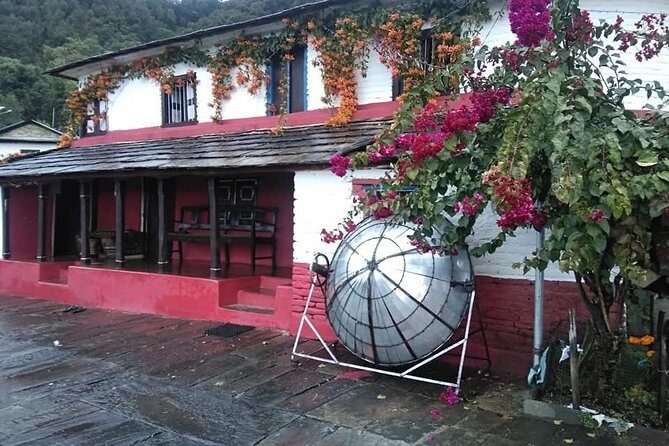
Accommodation is included as private accommodation on a tourist standard lodge for the night in Ghorepani. Along the trail, you can use teahouse-style stops. Meals are not included, but they are available for purchase.
This setup is common on shorter trekking routes. The upside is flexibility: you can choose what sounds good and adjust based on your appetite. The downside is you need cash and you should be ready for meal choices that are simple rather than fancy.
To make the most of it:
- have a solid early dinner on Day 1 so you’re not scrambling later
- keep a hydration plan in mind since you’ll be exerting yourself before sunrise
- don’t assume you’ll want the same thing you do at home
If you’re picky about food timing, a private guide helps here. The guide can advise on what to order and when to eat based on your walking schedule.
Guide support that actually matters on an early morning
This trek is listed with a professional, government-registered trekking guide. In the reviews, guide names came up clearly, and that’s a big deal for a short trek where small decisions have big effects.
Alvaro’s review specifically praises guide Anil for helping with everything and being kind and friendly. Another review highlights Dipchandra for showing people around and telling them a lot along the way, which makes the trek feel more connected to the place rather than just a hike.
Here’s why that matters for you:
- an early sunrise trek works best when you trust the timing
- help with food and accommodation prevents last-minute stress
- a guide can set expectations for steep sections so you don’t panic or push too hard
If you like clear communication and a guide who keeps things organized, this format should suit you well.
Price and value: what $129 buys you on a 2-day trip
At $129 per person, you’re paying for much more than “access to a trail.” Your price includes hotel pickup/drop-off in Lakeside Pokhara (or airport area), round-trip vehicle transportation, permits, TIMS and taxes, and guide services. It also includes your one included night in a tourist-standard lodge.
So what are you really getting?
- You’re outsourcing the planning headache: permits, routing, lodging coordination, and guide logistics.
- You’re buying time and energy: instead of figuring out transport and trail logistics yourself, you focus on hiking.
- You’re also paying for smoother support on the day that matters most: the 4am climb to Poon Hill.
Meals aren’t included, and a porter is optional, so you’ll spend a bit more if you choose to eat frequently on the trail or hire help. But for the core trek experience plus guide and included accommodation, this is in the “good value for a short trek” category.
Difficulty level: manageable, but don’t underestimate the steep parts
This trek is often described as manageable and suitable for novice and experienced trekkers, but the key word is steep—not long.
Day 2 includes an uphill push to a viewpoint at 3,210 meters with steep trails. That means you should expect:
- heavy legs even if you’re generally fit
- a need for warm layers as you climb early
- slow pacing that feels tiring but not dangerous
The tour also flags that it’s not suitable for children under 5, pregnant women, and people with back problems. If any of those apply, it’s worth respecting that guidance. For back issues especially, the combination of stairs, uneven ground, and steep descents can be tough.
If you’re new to trekking, choose comfortable shoes with good grip. If you’ve hiked before, you’ll still want trekking poles if you use them, especially on the descent after sunrise.
Best fit: who should book this private Poon Hill trek
I think this trek is a strong match if:
- you have only two days in the Pokhara area
- you want sunrise views without a week-long trek
- you prefer a private-group feel with an English-speaking guide
- you’re comfortable with early mornings and some steep stairs
It’s also a good “first Annapurna region experience” because the walking is structured and the schedule is predictable. You’ll still feel the region—forests, villages, terraced hillsides—but you won’t be committing to a long-distance trek.
Should you book this tour?
I’d book it if your top priority is a classic Poon Hill sunrise with solid guidance and simple logistics. The combination of organized transport, an included lodge night, and a guide who helps with the practical pieces makes this one of the easiest ways to get meaningful trekking time without turning the trip into a DIY project.
Skip or reconsider if you strongly dislike early starts, have mobility or back concerns, or you’re hoping for a gentle hike with no steep climbs. Day 2 is the point where effort becomes real, and you should be ready for that.
FAQ
How long is the trek in this Poon Hill itinerary?
It’s a 2-day trek.
What’s the approximate altitude for Ghorepani and Poon Hill?
Ghorepani is about 2,850 meters, and Poon Hill is about 3,210 meters.
How early do you start on the day for sunrise?
You start around 4am for the trek to Poon Hill.
How long is the drive from Pokhara to the trekking start?
The drive to Tikhedhunga/Ulleri is listed at approximately 3 hours.
What’s included in the price?
The tour includes hotel pickup and drop-off in Lakeside Pokhara/airport area, round-trip transportation, permits/TIMS/taxes, a government-registered trekking guide, tourist-standard lodge accommodation, first aid, and luggage storage in Pokhara. It also includes a duffel bag/trekking pole if required.
Are meals included?
Meals are not included, but you can purchase food along the way.
Is a porter included?
A porter is optional.
What language is the guide?
The tour is listed as having an English-speaking guide.
What should I bring for the trek?
You’ll want comfortable shoes, warm clothing, a camera, and water.