REVIEW · KATHMANDU
14-Day Annapurna Base Camp Trek from Kathmandu
Book on Viator →Operated by Outfitter Himalaya Holidays P. Ltd · Bookable on Viator
Annapurna Base Camp pulls you upward fast, then keeps surprising you with culture and color. This 14-day trip strings together Kathmandu Valley history, the scenic Pokhara drive, and a village-by-village climb through rhododendron forests and high Himalayan viewpoints. I especially like how the plan builds in chances to acclimatize while still feeling like you are making solid progress. Another big plus is the support style: you’re met at the airport, guided end-to-end, and fed on most days so you can focus on walking. The one drawback to plan for is that the route includes a lot of stone stair sections and steep steps, which can feel relentless, especially after you reach higher elevations.
I also like that you get the full sense of the Annapurna region’s variety: terraces and forests in the lower hills, then cooler middle elevations with prayer flags and chortens, and finally the stark, big-mountain feel near the sanctuary zone. If you want an organized trek without needing to figure out permits, guiding, and transfers yourself, this format makes sense. Just know that you’ll be trading comfort for views and effort the whole way.
In This Review
- Key points you’ll care about
- Price and what $950 buys you (and what it doesn’t)
- Day 1 in Kathmandu: get oriented, then rest
- Day 2 Kathmandu Valley temples and a practical gear check
- Day 3 Drive to Pokhara: rivers, views, and getting your legs ready
- Day 4 Nayapul to Tikhedunga: easy walking, lots of village life
- Day 5 Tikhedunga through Ulleri and Banthanti: first big views arrive
- Day 6 Poonhill sunrise and the Ghorepani-to-Tadapani rhythm
- Day 7 Ghorepani/Tadapani onward: forests to Chomrong, gateway territory
- Day 8 Chomrong stairs and suspension bridge: bamboo and Modikhola vibes
- Day 9 Entering the sanctum approach: gates, avalanche tracks, and Bagar meadows
- Day 10 Base camp visit and a strategic descent back to Dovan
- Day 11 Dovan/Bamboo to Chhumrong region, then hot springs reset
- Day 12 Final walking day: down to Birethati and back to Nayapul
- Day 13 Pokhara to Kathmandu: scenic road time, then back to the capital
- Day 14 depart: transfer to the international airport
- The guide/porter support that makes or breaks an ABC trek
- Who this trek suits best
- Practical notes before you go (so you don’t get surprised)
- Should you book this Annapurna Base Camp trek?
- FAQ
- What’s included in the $950 price?
- What isn’t included?
- Do you get picked up in Kathmandu?
- How do you get to and from Pokhara?
- What’s the maximum group size?
- What altitude will you reach?
- What fitness level do you need?
- Are meals fully included every day?
- What’s the cancellation refund timeline?
- How long is the trek?
Key points you’ll care about
- Small group size (max 14) keeps pacing more human and coordination easier
- Sunrise option at Poonhill with a long list of major peaks in view on clear mornings
- Acclimatization built into the rhythm (climb high, then descend) rather than a straight grind
- Village immersion, including Chomrong and Gurung/Magar areas, not just “walk and sleep”
- Guides and porters with strong track records, including named guides like Amrit, Suraj, Indra, Raj, Bhim, and Pralad
- Base camp plus an easier return plan to help reduce the fatigue headache on the way down
Price and what $950 buys you (and what it doesn’t)
At $950 per person, the value here is really in the combined package: 13-night accommodation, an experienced guide, entry permits (TIMS and Annapurna Conservation), and most meals (breakfast is included 12 times; lunch 9 times; dinner 8 times). You also get the Kathmandu sightseeing day, plus ground transport between Kathmandu and Pokhara by tourist bus, and then back again.
What is not included is also pretty standard for Nepal treks: the Nepal visa, travel insurance, and tips for guide/porter/driver. Alcohol and nonalcoholic drinks are extra, and some meals are simply not listed as included on certain days—so you’ll want a little cash ready for those gaps. If you prefer to travel light with your own gear, you might not need a porter; if you do, porter services are not covered unless you arrange them yourself.
In plain terms: this price is best if you want one bill for the core trek framework and don’t want to manage logistics while you’re already tired.
You can also read our reviews of more hiking tours in Kathmandu
Day 1 in Kathmandu: get oriented, then rest
You start with an airport meet-and-greet and a transfer to your hotel. Day 1 keeps things easy: your evening is free. This matters more than it sounds. Kathmandu traffic can be chaotic, and the altitude in the valley isn’t the same as the trek, so you’ll want the first day to be recovery, not scheduling.
Day 2 Kathmandu Valley temples and a practical gear check
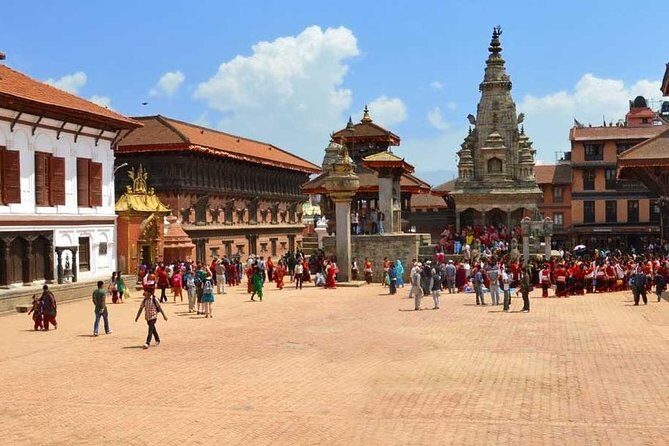
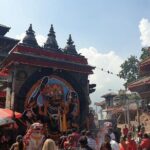
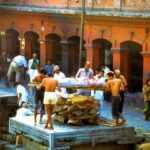
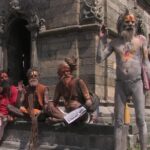
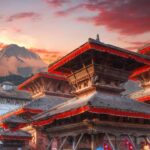
Day 2 is a guided sightseeing loop around the big sites in Kathmandu Valley: Kathmandu Durbar Square, Monkey Temple, Pashupatinath Temple, and Boudhanath Stupa. You also get time to shop for trekking equipment.
This day is practical. Even if you already packed well, you’ll likely spot one last thing you forgot: a warm layer, gloves, a headlamp, or basic trail supplies. Also, having a guide here helps you understand what you’re looking at before you head into rural trekking zones.
Day 3 Drive to Pokhara: rivers, views, and getting your legs ready
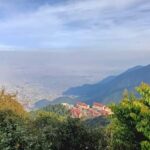
You’ll drive from Kathmandu toward Pokhara along the Trisuli and Marsyangdi River. The route is described as scenic, with views of Ganesh Himal and the Manaslu area from the road.
Pokhara is a natural base for treks. You’ll feel the city shift from capital traffic to lake-and-hills scenery. The main “trek value” of this day is mental: you’re moving from cultural capital to mountain country, and the road gives you a first taste of the terrain you’ll soon walk.
Day 4 Nayapul to Tikhedunga: easy walking, lots of village life
After a roughly 1.5-hour drive to Nayapul, you begin trekking to Tikhedunga via Birethanti. This is set up as an easy “flat-out” hike for a while. You pass small lively settlements, then gently ascend toward your end point.
I like days like this because you can settle into the routine: pack check, shoe fit, water rhythm, and steady pacing without the stress of climbing from the first hour. It’s also when you start noticing the rhythm of local life—houses, terraces, and trail conversation—because the Annapurna circuit isn’t just about scenery.
Day 5 Tikhedunga through Ulleri and Banthanti: first big views arrive
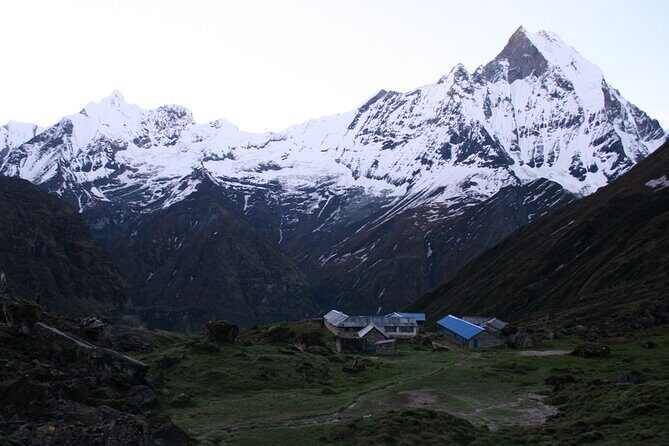
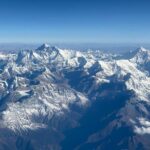
Today begins with a steep push for the first couple hours, then eases into gentler climbing. You pass Ulleri (2070m) and Banthanti, with big Himalayan views opening up: Machhapuchhare (Fish Tail), Hiunchuli, and Annapurna (south).
Then the trail settles into forests—rhodo-blooms and bird noise—until you reach camp. This is a good day to watch your pace. The early steep segment can tempt you to go faster than your altitude plan allows. Keep it calm; your lungs will thank you later.
Day 6 Poonhill sunrise and the Ghorepani-to-Tadapani rhythm
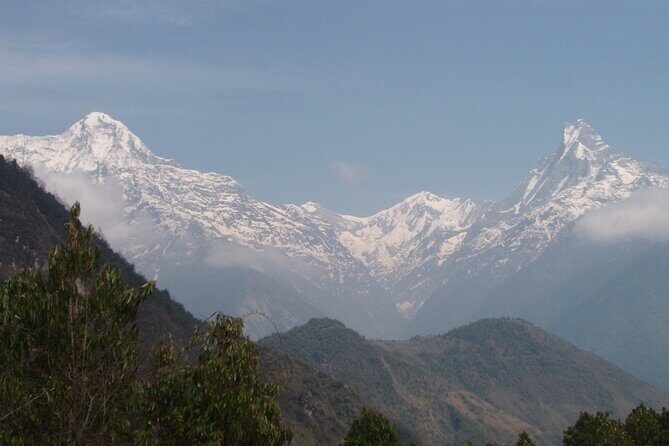
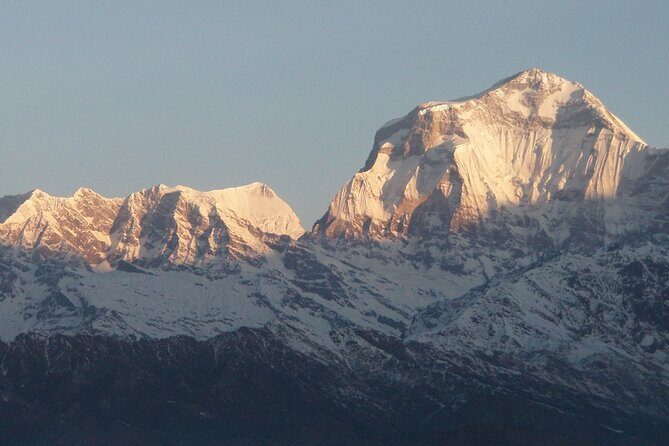
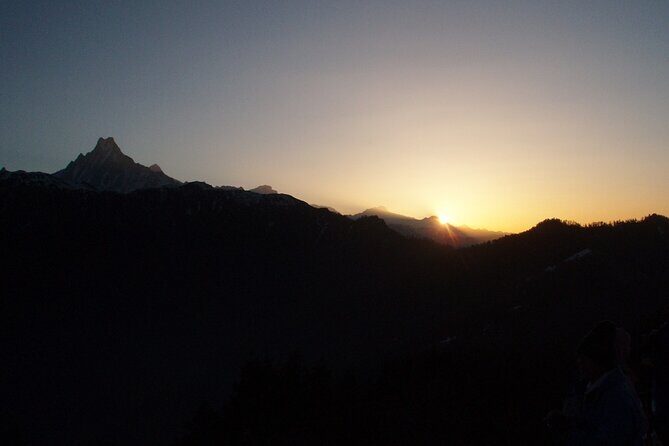
This day is structured for one of the most famous payoffs: sunrise from Poonhill (3232m). The view list is long—Dhaulagiri, Tukuche Peak, Nilgiri, Varaha Shikhar, Annapurna peaks, Machhapuchhare, Lamjung Himal, and more—so on clear mornings, you’re basically rewarded with a whole wall of mountains.
After the sunrise scene, you hike down to Ghorepani for a hot breakfast, then continue toward Tadapani (2650m). Much of the day is through blooming rhododendron forest, which is especially memorable in spring when the flowers are active. Even outside peak bloom season, rhododendron forests still signal you’re in the greener mid-elevations.
Day 7 Ghorepani/Tadapani onward: forests to Chomrong, gateway territory
You descend gently through rhododendron and oak. The route includes bird sounds and then you begin a steep climb again, with flat stretches and gentle paths mixed in. You head toward Chomrong, which is described as a gateway to Annapurna Base Camp and sits at the base of Himalchuli.
Chomrong is one of those places where you start feeling the “mountain scale.” The air often feels sharper and quieter. It’s also an ideal point to mentally prepare for the sanctuary-style highland trekking you’ll soon enter.
Day 8 Chomrong stairs and suspension bridge: bamboo and Modikhola vibes
This day has a classic trekking pattern: stone stair descent for about the first 1.5 hours, then crossing Chhomrong Khola on a suspension bridge, followed by climbing out of the side valley.
As you gain elevation, the trail shifts into bamboo, rhododendron, and oak. You reach Sinuwa (2350m), then descend a long steep stone staircase into deeper bamboo and rhododendron forest to reach Bamboo and walk on gently toward Dovan.
The key thing here is that the terrain is varied. It’s not just one kind of slope. Expect it to feel different underfoot as the forest changes.
Day 9 Entering the sanctum approach: gates, avalanche tracks, and Bagar meadows
After breakfast, the valley widens and becomes less steep. You can see the gates to the sanctuary area from here, and the route crosses two avalanche tracks on a narrow path against the cliff.
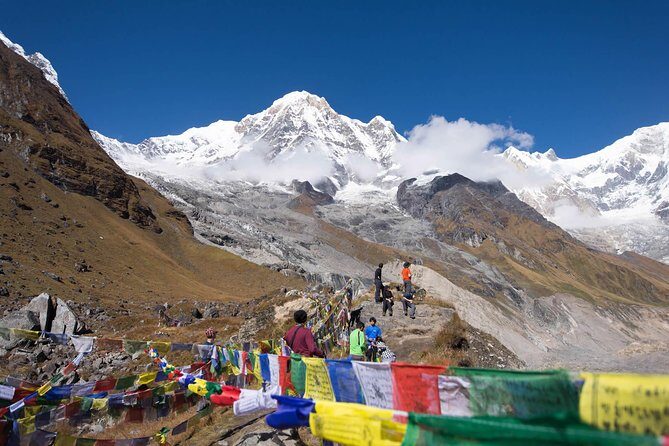
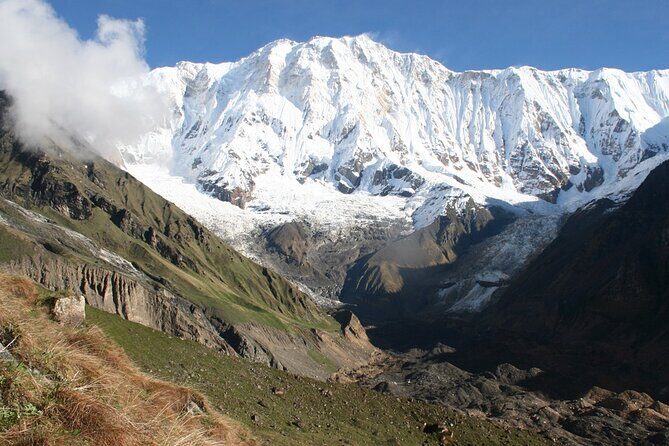
You reach Bagar (3310m), described as a green meadow with abandoned hotels. Then the trail continues toward the base camp approach through alpine meadows with gentle rising sections. You gradually close in until you reach Annapurna Base Camp (4170m)—the holiday destination.
This is the day where you’ll feel the elevation most. The walking is not just “long”; it’s slower by necessity. If the air feels thin, that’s normal. The win is simply arriving.
Day 10 Base camp visit and a strategic descent back to Dovan
After breakfast, you visit Base Camp and take in the surrounding views. Then you trek back to Dovan, about six hours. The route is easier going down, and the plan is designed so you can reach Sinuwa in one day even if some legs feel shaky from altitude fatigue.
I like that the return choice is intentional. After reaching base camp, you’re not just tired—you’re sometimes a little wobbly, too. A route that accounts for that is worth its weight in warm socks.
Day 11 Dovan/Bamboo to Chhumrong region, then hot springs reset
You descend toward Bamboo through rhododendron, oak, and bamboo plants. After Bamboo, you climb steeply for about an hour, then trek more gradually to Sinuwa.
From there, you descend gradually toward Chhumrong Khola, follow stone stair sections for about an hour, then drop to Jhinudanda. You enter your guest house rooms, and the bonus is optional: you can go to hot springs for a refreshing bath in warm natural water.
This is a smart recovery stop. Trek days can wear down feet, knees, and spirits. A soak doesn’t fix everything, but it helps you feel human again.
Day 12 Final walking day: down to Birethati and back to Nayapul
After breakfast, the trail starts with descent, then includes flat land until Birethati. You stop at Birethati for lunch and continue about 30 minutes to Nayapul, where a car/van meets you.
This transition day is important psychologically. You’ll still walk, but you’re walking toward “finished” rather than toward another high camp. When the van shows up, you’ll feel it.
Day 13 Pokhara to Kathmandu: scenic road time, then back to the capital
You take a tourist bus at 7 AM after breakfast for the drive back to Kathmandu. The route passes satellite towns, rural settlements, gushing rivers, terraces, and green hillsides. After about six hours, you arrive in Kathmandu.
This is a good day to keep plans flexible. Kathmandu is full of options, but you’ll probably be more in “recharge” mode than “do-everything” mode.
Day 14 depart: transfer to the international airport
Your final day is transfer to the international airport for departure. It’s the clean finish: no last-minute trekking, no rushing into another mountain segment.
The guide/porter support that makes or breaks an ABC trek
The biggest praise repeatedly centers on the people running the trek. Guides and porters are described as attentive, supportive, and committed to keeping the group safe—names that come up include Raj and Bier, Bhim, Amrit, Suraj and Indra, Soraj, and Pralad. In real terms, that support shows up in the details you can feel: route guidance, pacing, and handling the day-to-day needs so you’re not stuck solving small problems while your body is tired.
Group size also helps here. With a maximum of 14 people, the trek tends to keep a steady flow—enough people for good energy, small enough that you’re not just one number in a long line.
Who this trek suits best
This tour is built for people with moderate physical fitness who want a guided, well-paced trek to Annapurna Base Camp. You’ll handle stone stair sections, steep climbs, and higher altitude days. If you like structured days and prefer not to manage logistics, this format is a solid match.
You’ll especially enjoy it if you care about more than just a summit photo. The trek passes through many ethnic villages and shifts through different cultural zones, with prayer flags and chortens in the middle hills. The route also moves through forests—rhododendron, bamboo, and oak—with bird life, waterfalls, and monkeys described along the way.
Practical notes before you go (so you don’t get surprised)
- Altitude is real starting mid-trek. Base Camp sits at 4170m, and Poonhill is 3232m. Slow pacing and regular water help.
- Footwork matters. Stone stairs show up repeatedly, and down days can stress knees.
- Expect a lot of “guest house life.” You’ll use lodges/guest houses along the trek, and meals are included on many days, but not every single one.
- Cash for extras. Alcohol, drinks, and any meals not specified as included can add up if you’re not ready.
Should you book this Annapurna Base Camp trek?
If you want a guided ABC trek with permits handled, transport stitched together, a small group, and a schedule designed for acclimatization, I think this is worth your shortlist. The best part is the balance: you get Kathmandu context, Pokhara reset, then a trek that moves through forests and villages before landing at Base Camp with time to actually see it.
Skip it only if you’re very sensitive to steep steps or you’re searching for a “mostly flat” hike. This plan is active. But if you’re ready to work for big views—and you want local culture woven into the climb—this trip is a strong, sensible choice for your Nepal mountain goal.
FAQ
What’s included in the $950 price?
The tour includes 13-night accommodations, Kathmandu sightseeing, Annapurna conservation entry and TIMS permit, ground transportation between Kathmandu and Pokhara (and back), an experienced guide, and sightseeing entrance fees on day 2 (NPR 2600, about $25). Meals are included on many days: breakfast 12 times, lunch 9 times, and dinner 8 times.
What isn’t included?
Not included: Nepal entry visa fee, travel insurance, meals not specified in the itinerary, all alcoholic and nonalcoholic drinks, international airfare to and from Nepal, and tips for guide/porter/driver. Porter services are also not included if you need one.
Do you get picked up in Kathmandu?
Yes. You’re met and greeted by an airport representative and transferred to the hotel on arrival, and the start meeting point is Tribhuvan Airport, Kathmandu.
How do you get to and from Pokhara?
You drive from Kathmandu to Pokhara (about 6 hours) and later return by tourist bus to Kathmandu (about 6 hours).
What’s the maximum group size?
This tour/activity lists a maximum of 14 travelers.
What altitude will you reach?
The trek reaches Annapurna Base Camp at 4170m. You also visit high viewpoints like Poonhill at 3232m.
What fitness level do you need?
The tour says you should have moderate physical fitness.
Are meals fully included every day?
No. Breakfast is included 12 times, lunch 9 times, and dinner 8 times. Some meals are not specified as included, so plan for extra costs if you want specific options.
What’s the cancellation refund timeline?
You can cancel up to 6 days in advance for a full refund. For a 50% refund, cancel 2–6 days before the experience start time. If you cancel less than 2 full days before, the amount paid is not refunded.
How long is the trek?
The itinerary is listed as 14 days (approx.).