REVIEW · KATHMANDU
Everest Base Camp Trek
Book on Viator →Operated by Alliance Adventure Pvt. Ltd · Bookable on Viator
Everest Base Camp is pure perspective. You start with a flight to Lukla and build up slowly to the big moments—Kala Patthar and Everest Base Camp—with an experienced, patient guide like Ashish pacing you in the thin air. I like how the plan is structured enough to feel safe, but not so rigid that you never catch your breath; the main catch is that included comforts are basic, so cold nights and limited hot water are part of the deal.
I also really appreciate the Kathmandu warm-up: hotel nights with breakfast, plus welcome and farewell Nepali culture dinners that make you feel set up rather than dumped at the airport. On top of that, permits and the TIMS card are handled for you, and most meals are included once you’re on the trail. The tradeoff is you’ll still pay extra for things like mineral water, cold drinks, hot showers, and battery charging, and you should budget for tips for guide and porters.
This is a private trek, so you move with your own group only, not a mixed herd. You also get a mobile ticket and a clear meeting point in Kathmandu with a 6:00 am start time. If you want a classic Everest route with real support, this style of trip is a good match.
In This Review
- Key highlights on this Everest Base Camp trek
- What this Everest Base Camp trek covers in 16 days
- Kathmandu start: hotels, briefing, and gear setup before you fly
- Lukla to Namche Bazaar: suspension bridges, Hillary steps, and acclimatization that feels real
- Namche to Tengboche: Sagarmatha National Park, Khumjung, and monastery nights
- Pangboche to thin-air days: Nangkartshang peak and staying warm in the climb
- Gorak-Shep to Everest Base Camp: water planning and the no-tea stretch
- Kalapattar sunrise and the return to Lobuche: early starts that pay off
- Solu Valley detours, monastery visits, and the final steps back to Namche
- Comfort reality check: lodges, hot water limits, and what’s worth packing
- Price and value for $1,850: what’s covered and what you’ll pay on top
- Should you book this private Everest Base Camp tour with Alliance Adventure?
- FAQ
- Where does this Everest Base Camp trek start, and when?
- How long is the Everest Base Camp trek?
- What’s included in the price?
- What is not included?
- Do I need permits or TIMS cards?
- What do I need to provide before the trek?
Key highlights on this Everest Base Camp trek
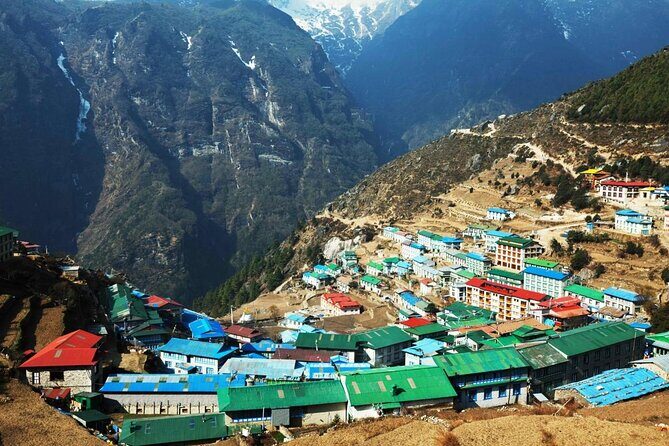
- Lukla flight plus Sherpa-village walking gets you into the Everest region fast without a long slog from the lowlands
- Namche Bazaar acclimatization with a full day that helps you handle the thinning air with less panic
- Hillary-linked stops at Khumjung and Tengboche area give the trail more meaning than just photos
- Gorak-Shep to Everest Base Camp planning: you’re reminded to carry enough water and snacks
- Kalapattar sunrise hike gives you one of the most iconic Everest viewpoints, with an early start and then a return to higher comfort
What this Everest Base Camp trek covers in 16 days
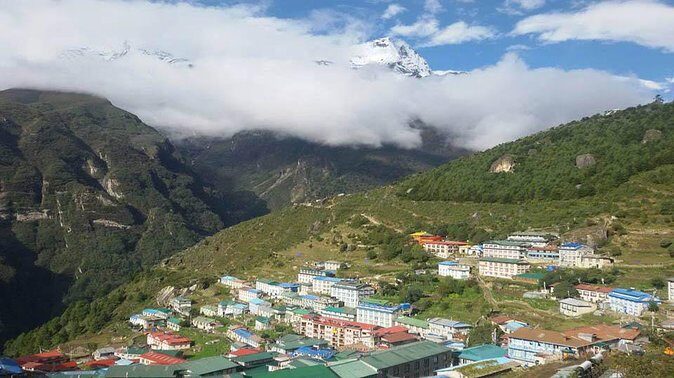
This trek is built around one simple idea: get you from Kathmandu into the Everest region by flight, then walk high enough—slowly enough—that your body has a chance to adjust. You’ll spend about 16 days moving through villages, lodge nights, and acclimatization days, with the core goals of Everest Base Camp and a sunrise push to Kala Patthar.
If you’re deciding whether this is “too much logistics” or “enough structure,” this itinerary is in the sweet spot. It gives you clear days for acclimatization, a rest day in the Dingboche or Pheriche area (so you’re not constantly grinding), and then the big-hike days when it counts.
The trek is also set up for real-world comfort: most meals and lodge stays are included, and you’re not expected to buy every permit, card, or core piece of cold-weather gear. You’re still responsible for the basics—warm layers, gloves, a hat, sunglasses, sunblock, and the cold-weather night gear you prefer—so bring a packing list mindset, not a shopping list mindset.
Finally, this is private, so your guide’s pace matters more here than on group tours. That’s good news if you like consistency, and it’s also a reason to hire well-trained support.
You can also read our reviews of more hiking tours in Kathmandu
Kathmandu start: hotels, briefing, and gear setup before you fly
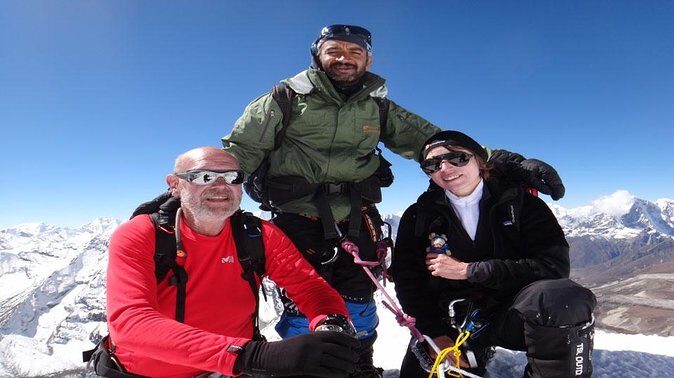
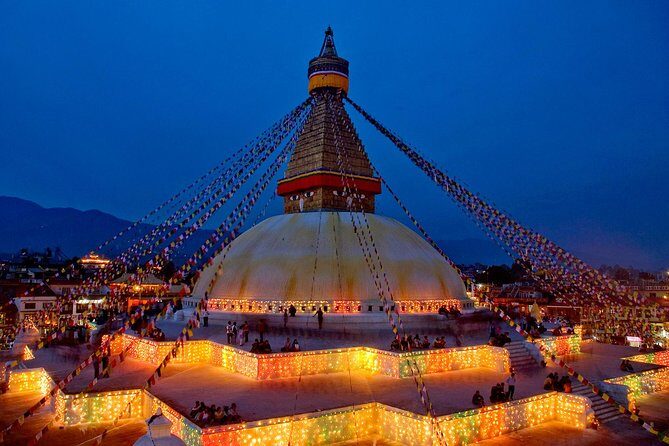
Day 1 is straightforward: you arrive at Tribhuvan International Airport, get a warm welcome, and get briefed on the Everest Base Camp trek. Then you’re in Kathmandu for 3 nights with breakfast, which matters more than people think. Those first hotel nights give your body a breather after travel and let you sort your packing without rushing.
Day 2 is a mix of culture and repositioning. You get a half-day city tour, and after lunch you drive about 4 hours toward Manthali Airport so you’re set up for the early domestic flight into Lukla. This drive is part of the tempo of the trip: you’re not just sight-seeing—you’re gradually shifting from city time to trekking time.
One thing I like in this setup is the gear support. The trek includes a warm down-filled jacket, a sleeping bag, and walking poles (and you return those items after the trek). That’s a big value point if you don’t want to buy expensive technical gear for one trip.
Just keep in mind that the included comforts are not the same as a luxury hotel. Hot showers and hot water are not included, and battery charging usually comes with a fee in lodge areas. In Kathmandu, though, you’ll feel the difference—good bed, breakfast, and real time to get ready.
Lukla to Namche Bazaar: suspension bridges, Hillary steps, and acclimatization that feels real
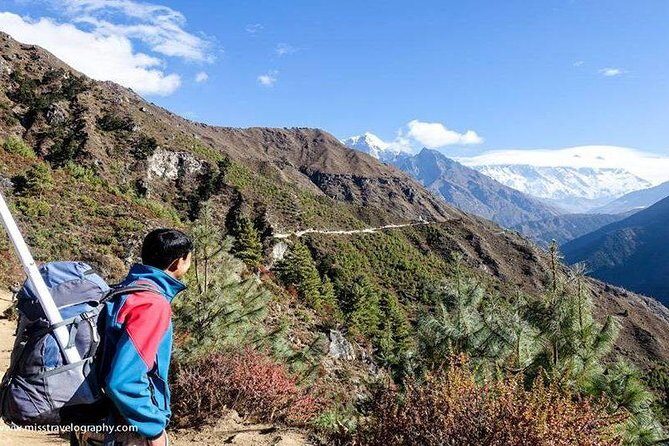
The trek starts the way Everest often does in your imagination: an early domestic flight to Lukla (Hillary Airport), then hiking through Sherpa villages and mountain views. The first days are about rhythm. You walk through the Everest region’s village trail system, reach Phakding, and then head north toward the Namche Bazaar area.
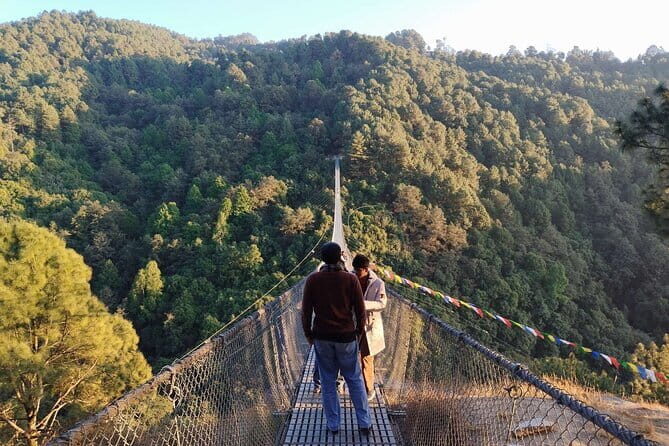
By Day 4, you’re dealing with the classic “Everest begins here” vibe: river crossings and suspension bridges, plus the climb up Hilary steps toward Namche Bazaar. If weather is clear after the Hilary bridge, you can sometimes catch major mountain views, including the sight of Mt. Everest and other peaks.
What makes this part of the itinerary work is Namche Bazaar is not treated as a random stop. You spend a full day for acclimatization there. That matters because the altitude jump is not forgiving, and you don’t want to turn your acclimatization day into a forced march.
On the practical side, you’ll be eating and sleeping in lodge settings, so your daily routine is simple: breakfast, steady walking, lodge meals, and early nights when possible. In this region, that kind of repetition is your friend. It’s how you arrive for the higher hikes with your legs and your head still intact.
Namche to Tengboche: Sagarmatha National Park, Khumjung, and monastery nights
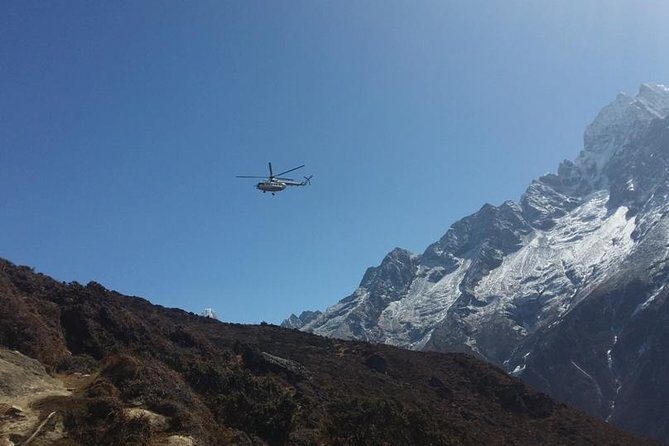
After Namche acclimatization, you move through one of the best “meaningful stops” in this route. Day 5 includes hiking toward Sagarmatha National Park, plus a visit to Everest View Hotel and Khumjung Village. You also get time at the Hillary school in Khumjung, which adds context to the trek beyond the scenery.
I like this day because it balances views with human stories. Everest can feel like an abstract goal until you see how local communities interpret it—through education, community projects, and daily life in the shadow of the peaks.
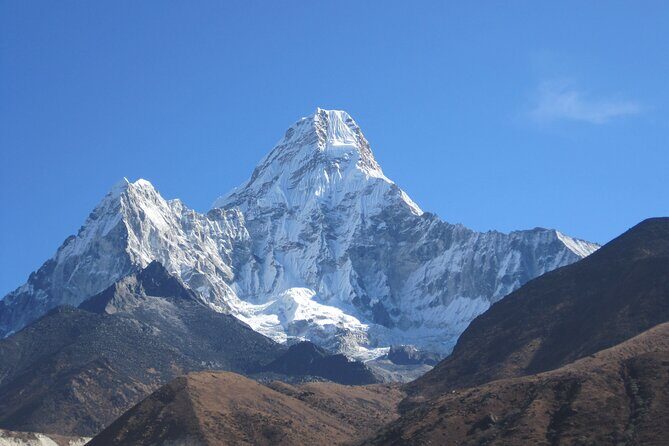
Day 6 shifts you toward Tengboche. You’ll trek past big scenery corridors and walk through sections associated with the famous mountain backdrops of the Everest region, including views of peaks like Ama Dablam and Mt. Everest when the weather cooperates. Then you climb to Tengboche monastery, one of the spiritual anchors in the route.
This is also where you’ll start to notice your body’s altitude response more. Not as an emergency, but as a reminder: you’re working higher, so you need to walk slower than your ego wants. Your guide’s pacing matters here, and this company’s support style is consistent in the feedback—Ashish is repeatedly described as patient and encouraging, and that kind of guidance helps you conserve energy instead of burning it early.
If you tend to push on adrenaline, this stretch will teach you humility fast—in a good way.
Pangboche to thin-air days: Nangkartshang peak and staying warm in the climb
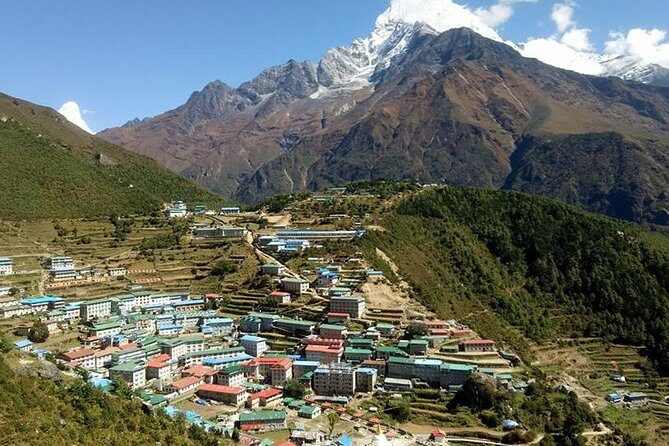
The middle of the trek is where you really feel the pattern. Days around Pangboche and beyond include hikes that range from moderate climbs to longer days, with lodge stays that keep you moving but not frantic.
Day 7 goes through old village Pangboche with river and mountain views. Then Day 8 includes a hike to Nangkartshang Peak. These days aren’t just about distance; they’re training your breathing and teaching you how to handle gradual altitude creep.
Day 9 is where the “thin air lesson” becomes explicit in the way you’re advised. You’re told to walk slowly, keep long breaths, and drink more hot water. There’s also a mention of honey-ginger as part of staying comfortable while your body adapts. That advice is practical: warmth helps you feel better, and slowing down is the easiest form of altitude safety.
Also, don’t ignore the value of the rest day mentioned in the overall plan. You’ll have time for rest in the Dingboche or Pheriche area, which is exactly where acclimatization days earn their keep. If you treat that rest day like an extra hike, you lose the benefit.
This is a good time to keep your gear habits tight: layer up before you feel cold, use gloves and a hat when needed, and protect your face and lips from sun and wind. In the high Himalaya, sun can be intense even when air feels sharp.
Gorak-Shep to Everest Base Camp: water planning and the no-tea stretch
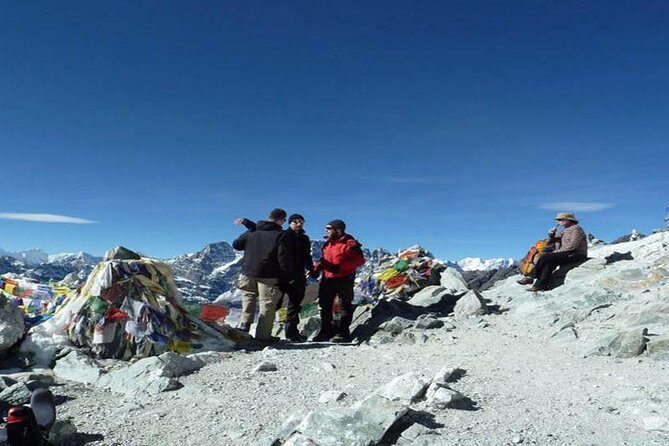
When you reach Gorak-Shep, you’re entering the part of the trip most people remember for the rest of their lives. The trek continues toward Everest Base Camp, and this day has one logistical point that can make the difference between smooth and annoying.
On the walk from Gorak-Shep to Everest Base Camp, you’re advised that there don’t have any tea shops on that stretch. So you carry enough drinking water and some energy bars for the time you’re moving. This is one of those details that sounds small until you’re standing there at altitude, breathing hard, and realizing you planned poorly.
Day 10 is also described as a lodge stop with quick lunch before the hike, which helps you avoid the classic mistake of skipping meals and then trying to “power through” without fuel. The best plan is to eat early, pack snacks, and focus on steady steps.
This is also the day when your reward is mostly about scale and reality. The mountains look close enough to touch in the imagination, but once you’re there, the biggest shock is how wide the world feels. Base Camp is not just a destination; it’s a checkpoint for everything you practiced earlier—slow breathing, warm layers, and good energy management.
If you get motion sickness or hate cold, this can still feel tough, because the wind and altitude can team up. But that same structure you enjoyed earlier is what gets you through: guide support, lodge rhythm, and a plan that doesn’t assume you’re invincible.
Kalapattar sunrise and the return to Lobuche: early starts that pay off
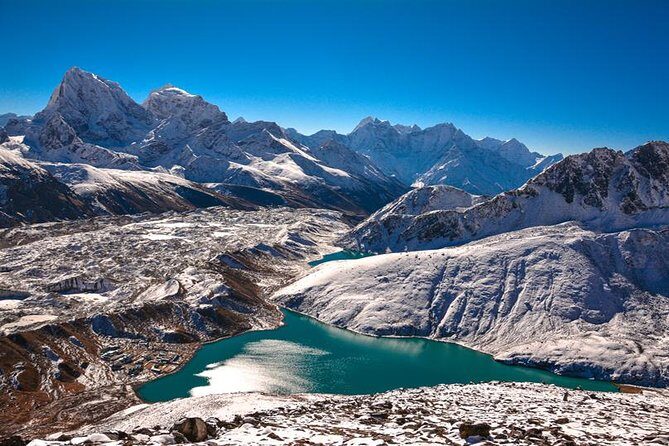
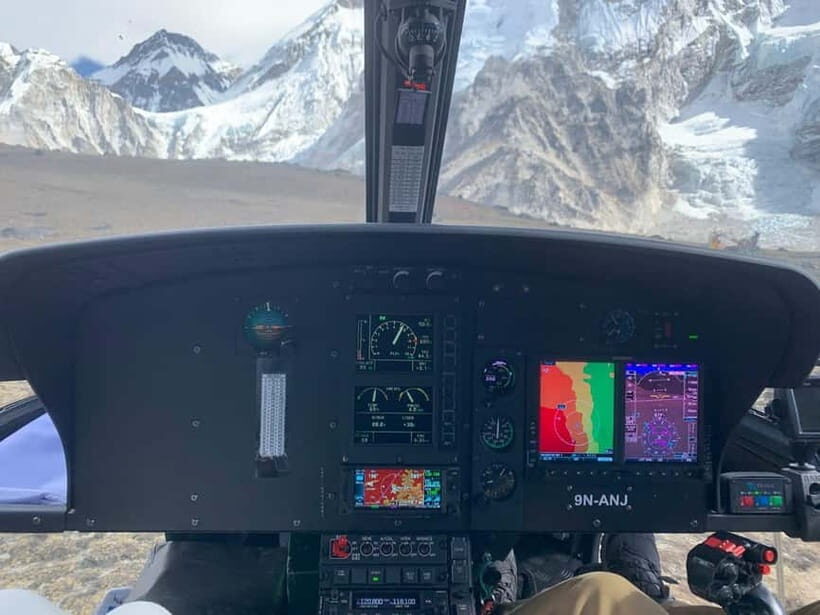
Day 11 is your sunrise push to Kala Patthar. This is an early morning hike designed specifically for views, with the promise of sunrise over Mt. Everest and a range of surrounding Himalayan peaks. Then you trek back to Lobuche.
I love how the itinerary treats this as a separate mission rather than just a random viewpoint on the way. A sunrise hike is hard enough; making it its own goal helps you focus and manage your energy. You also get the structure of an early start followed by a return, which makes the day feel complete rather than stretched.
Even if sunrise clouds end up being moody, the act of hiking early is still valuable. You’ll likely feel the difference in air temperature, wind, and visibility compared with later in the day. That’s why layering is non-negotiable.
One more thing: this portion of the route is often where people get tempted to rush because the goal is close. Don’t. If you’re tired, remind yourself that pushing harder at altitude is the easiest way to get lightheaded and miserable.
After the sunrise hike, the return to Lobuche gives you a stable place to rest. That balance—effort day, recovery day—is how you keep the last third of the trek from becoming a survival march.
Solu Valley detours, monastery visits, and the final steps back to Namche
After Kala Patthar, the route begins the return loop through the Solu Khumbu region. Day 12 brings another trekking day back along the trail and includes a visit to one of the biggest Buddhist monasteries in the area. It’s a good pause, both mentally and spiritually, in a trek that otherwise can feel like pure elevation math.
Day 13 continues the descent and climb rhythm until Namche Bazaar, then onward to Monjo village. You also get a last-minute visit and prayer time in a monastery before the day’s walking continues. These stops matter because they break the monotony of being in motion every hour.
Day 14 is the final stretch in the Everest region and includes a celebration with your guide and potter. That’s not just a nice touch; it’s a reminder of how much of this trek happens because of other people carrying gear and keeping your routine moving. In the provided trip feedback, the guide-and-porter teamwork is repeatedly praised, especially for being helpful and kind.
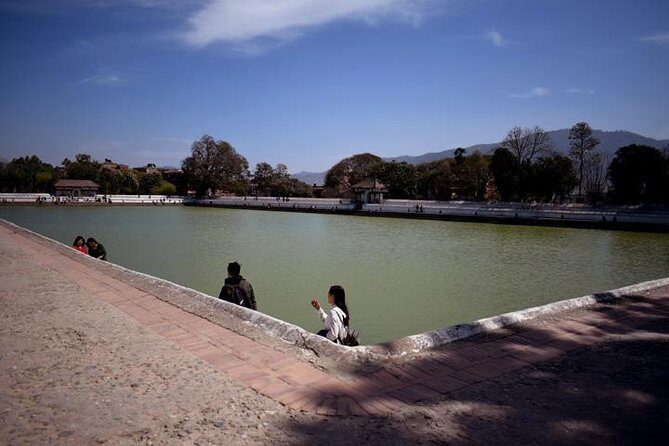
After Day 14, you fly down: a short flight to Manthali Airport, then about 4 hours drive back to Kathmandu. On the final day, you get breakfast, a heritage-site exploration led by your tour guide, and a farewell Nepali culture dinner.
It’s a strong closing rhythm: effort, then a decompression day in Kathmandu before the trip ends.
Comfort reality check: lodges, hot water limits, and what’s worth packing
This trek is lodge-based, so you’ll be living in warm clothing and simple rooms rather than fancy facilities. Meals are included (breakfast, lunch, dinner, tea/coffee), and you’ll have access to coffee and tea, but you should assume food is basic and consistent—not restaurant-level.
Hot shower and hot water are not included, and that’s a big deal. If you’re someone who depends on hot water to feel human, plan mentally for cold wash days and do what you can with warm layers.
Battery charging, phone calls, laundry, and bar bills are also not included. That means you should bring a power plan: charge when it makes sense, keep your phone usage practical, and pack a backup light option since you might want a flashlight at night.
The good news is the trip includes serious cold-weather support: a warm down sleeping bag, a down-filled jacket, and walking poles. That lowers the risk of arriving underpacked. Still, the trek notes also recommend bringing things like gloves, hat/cap, sunglasses, and sunblock because high-altitude sun can bite.
Finally, remember the fitness expectation is moderate, but altitude doesn’t care about optimism. You’ll be advised to train yourself and even do a one-day mountain hike once a week. If you do that kind of prep, you’ll enjoy the trek more and recover faster each day.
Price and value for $1,850: what’s covered and what you’ll pay on top
At $1,850 per person, the value here comes from structure and support. You get 3 nights hotel in Kathmandu with breakfast, welcome and farewell Nepali culture dinners, and then lodge meals through the trek. You’re also covered for trekking permits and TIMS, plus insurance for the guide and porter during the trek, and a medical kit bag.
You also get gear support that can be expensive if you buy it new: jacket, sleeping bag, and poles. Add the private guide/potter setup and it starts to look less like a basic trekking package and more like a guided system that handles the paperwork and day-to-day logistics.
What you need to plan for separately is mostly about extras:
- mineral water, cold drinks
- hot shower and hot water
- battery charging and phone calls
- tips for guide and porters
- Kathmandu lunch and dinner (and sightseeing entrance fees)
Also, the trip notes call out that mountain high altitude sickness insurance is not included. That doesn’t mean you’re doomed; it means you should check your own coverage before you go.
When I judge value, I’m looking at effort saved and mistakes avoided. This package reduces the big trip-cost categories like permits, core gear, and guided logistics. The main remaining costs are the normal on-the-ground ones in lodge regions plus personal choices.
Should you book this private Everest Base Camp tour with Alliance Adventure?
If you want a classic Everest Base Camp experience with real guidance, this is worth strong consideration. You get a private setup, a structured route with acclimatization built in, and the kind of guide support repeatedly praised for patience and encouragement—Ashish comes up often, along with Mr. Urja from Alliance Adventure in the customer feedback.
Book it if:
- you like a plan that handles permits and day-to-day logistics
- you want a slower pace that’s designed for thin-air walking
- you appreciate lodge-based travel with included meals and gear support
Be cautious if:
- you hate cold and need hot showers daily
- you budget tightly and don’t want extra costs for charging, water, and tips
- you’re not comfortable moving at altitude even with pacing guidance
One more practical note: this experience is non-refundable and can’t be changed for any reason once booked. So only commit when you’re confident your dates and travel plans are firm.
If that matches you, you’ll likely find this trek hits the right blend of support and challenge: you work for the views, but you’re not doing it alone.
FAQ
Where does this Everest Base Camp trek start, and when?
The meeting point is in Kathmandu, Kathmandu Valley, and the start time is 6:00 am.
How long is the Everest Base Camp trek?
It lasts about 16 days.
What’s included in the price?
It includes transportation from arrival to departure, 3 nights hotel in Kathmandu with breakfast, welcome and farewell Nepali culture dinners, lodge meals (breakfast, lunch, dinner, tea/coffee), permits and TIMS cards, and a warm down jacket, sleeping bag, and walking pole. It also includes a trekking duffel bag (waterproof) and a T-shirt.
What is not included?
Not included are cold drinks, mineral water, hot shower and hot water, battery charging, phone calls, laundry, and bar bills. Tips for the guide and potters are also not included, along with Kathmandu lunch and dinner, sightseeing entrance fees, the international flight ticket, and Nepal entry visa fees. High altitude sickness insurance for the mountain is not included.
Do I need permits or TIMS cards?
Yes. The trek includes trekking permits and TIMS cards.
What do I need to provide before the trek?
You need to share your flight details and airline name, and provide a passport copy plus a passport-size photo for the trekking permit and TIMS cards.