REVIEW · POKHARA
Pokhara: 3-Day Ghorepani and Poon Hill Trek
Book on GetYourGuide →Operated by Himalayan Nomad Treks Pvt. Ltd. · Bookable on GetYourGuide
Stair climbs, big Himalayan payoffs. On this 3-day Pokhara–Ghorepani–Poon Hill trek, I love the sunrise at Poon Hill and the tea house comfort along the way, with Annapurna-range scenery that feels close enough to touch. The trade-off: you’ll earn those views with a lot of uphill steps and time at about 3,210m.
You’ll start with a scenic drive to Nayapul, then hike past villages, rivers, and rhododendron forest before settling into guesthouses for two nights. The guides are the kind of people who keep the trip running smoothly (names you may meet include Deepist and Keshab, plus Kaji mentioned for excellent support), but you still need to show up with a basic level of stamina.
The trip is priced at $127 per person for 3 days, and for many people that’s solid value because permits, key logistics, and day-to-day meals (when you pick the Full Package) are handled for you. If you’re not comfortable climbing stairs for extended stretches, or you want a fully gentle walk, this route may feel more work than you expected.
In This Review
- Key things that make this trek work so well
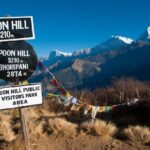
- Poon Hill at 3,210m: why the sunrise is the whole point
- Day 1: Pokhara → Nayapul → Tikhedhunga (1,570m)
- Day 2: Ulleri steps to Ghorepani (2,840m) and the forest that keeps you moving
- Day 3: Ghorepani → Ulleri for the view, then down to Nayapul and Pokhara
- Tea houses, meals, and what’s actually included (and what isn’t)
- Guides, permits, and the small things that prevent stress
- Fitness check: what you need to realistically handle
- Price and value: what $127 buys you (and where costs can pop up)
- Should you book this Pokhara Ghorepani and Poon Hill trek?
- FAQ
- How high do I reach on the trek?
- Is a porter included?
- Are meals included?
- Does the tour include permits and paperwork?
- What type of guide support do I get?
- Is this trek suitable for everyone health-wise?
Key things that make this trek work so well
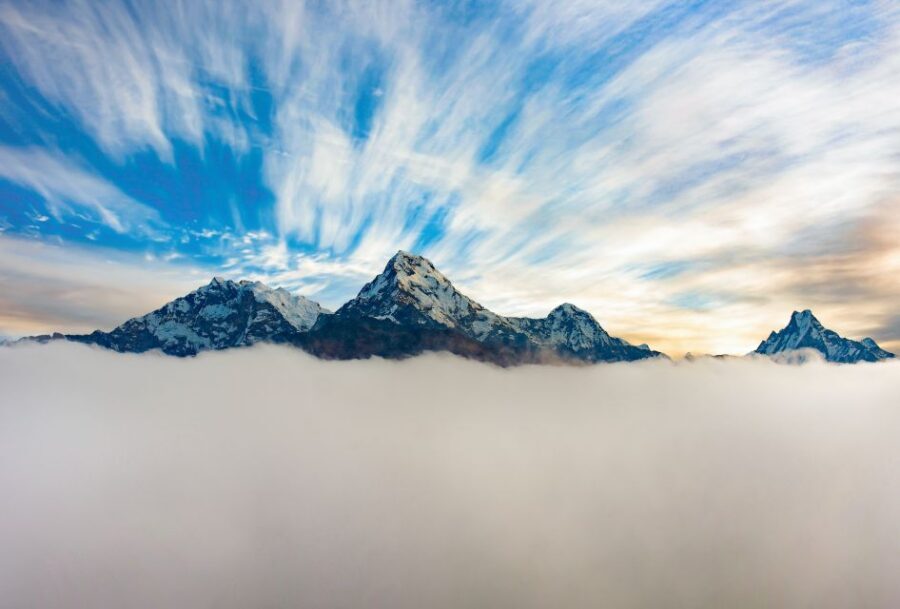
- Poon Hill sunrise at about 3,210m is the headliner, and the hike is timed for early-morning views
- Rhododendron forest + river walking gives variety instead of repeating the same trail feel all day
- Steep Ulleri stair sections make it a real workout in a short timeframe
- Tea houses with practical amenities can include WiFi and hot showers on the nights you stop
- An English-speaking guide and full paperwork (permits + TIMS) help you avoid hassle in Nepal
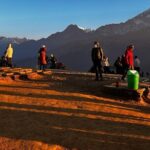
Poon Hill at 3,210m: why the sunrise is the whole point

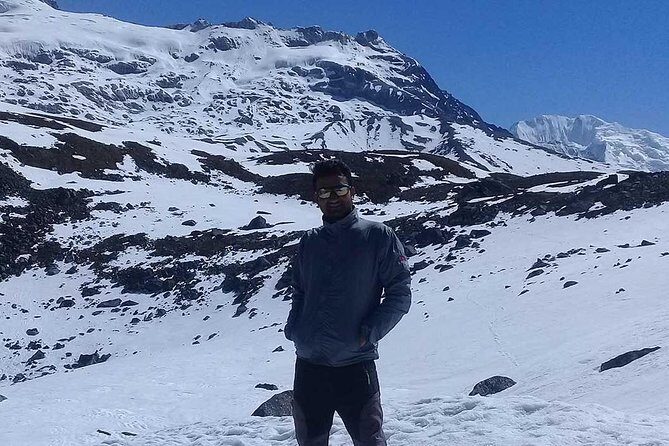
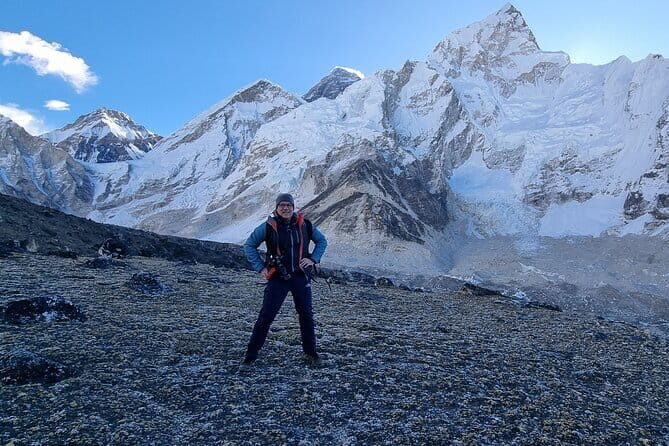
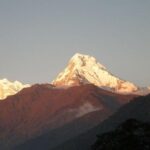
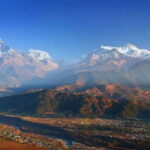
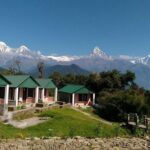
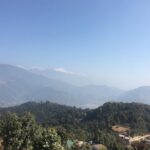
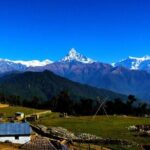
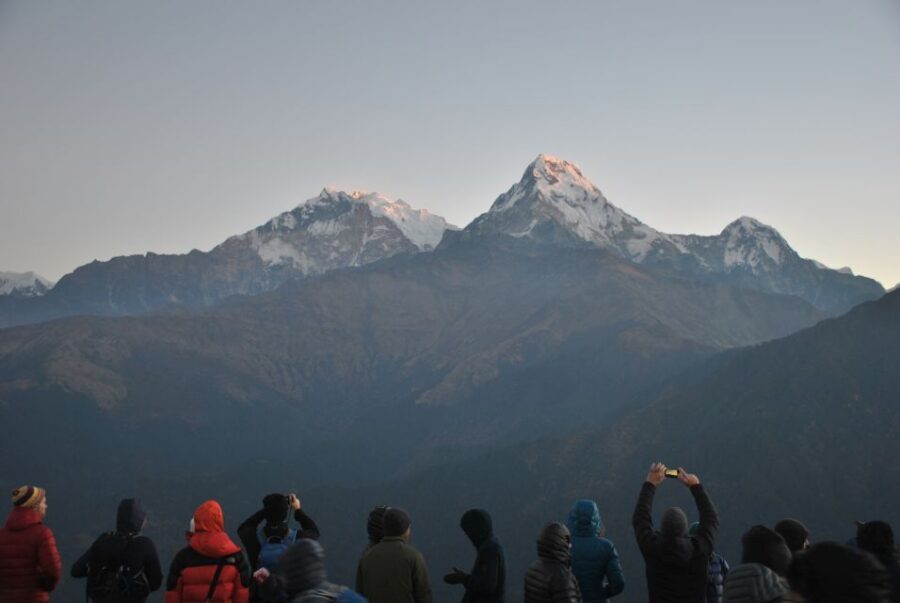
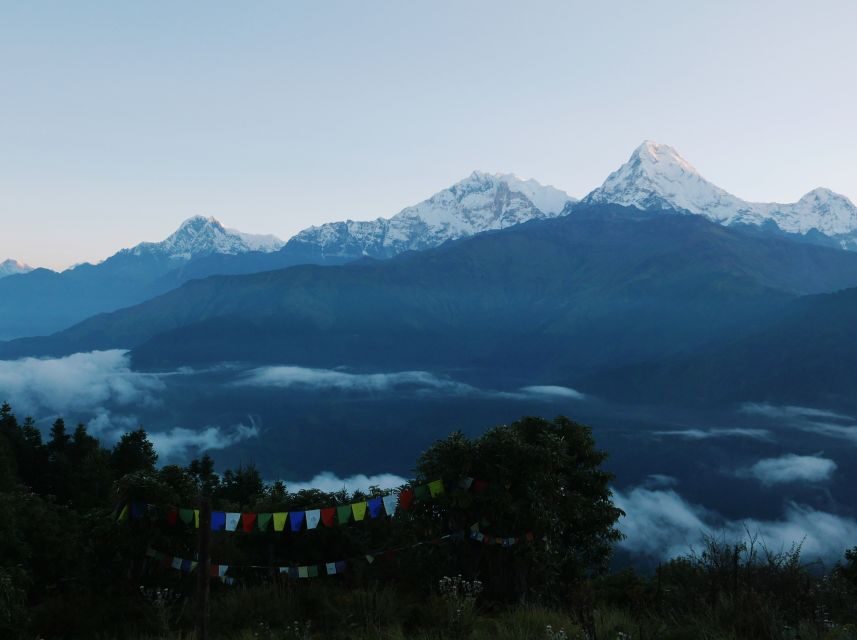
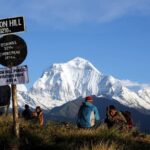
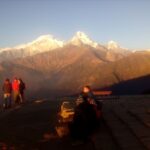
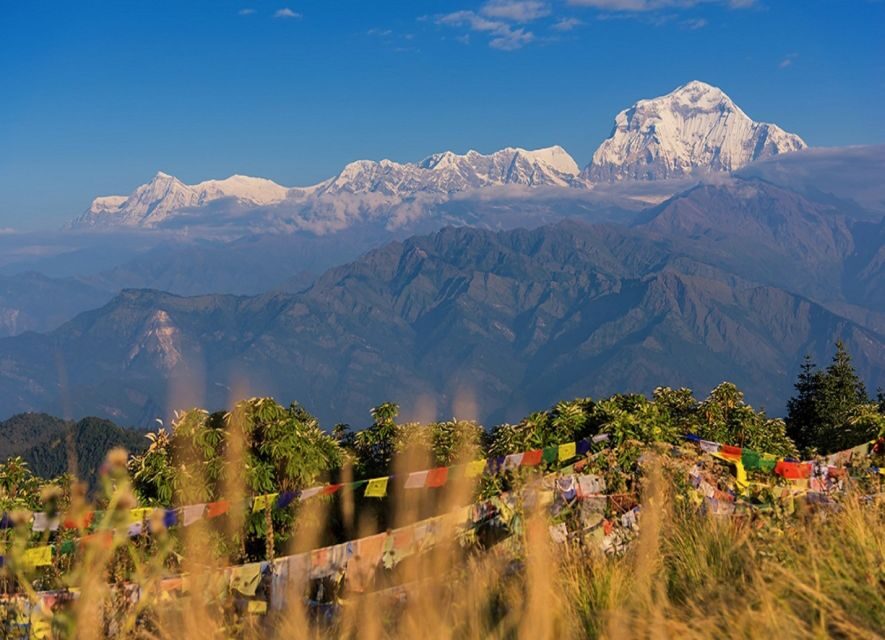
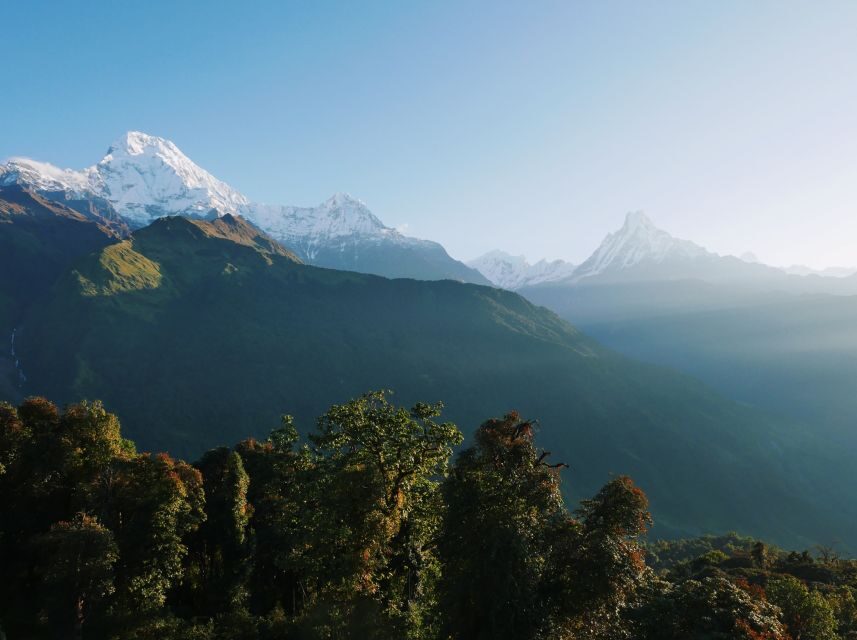
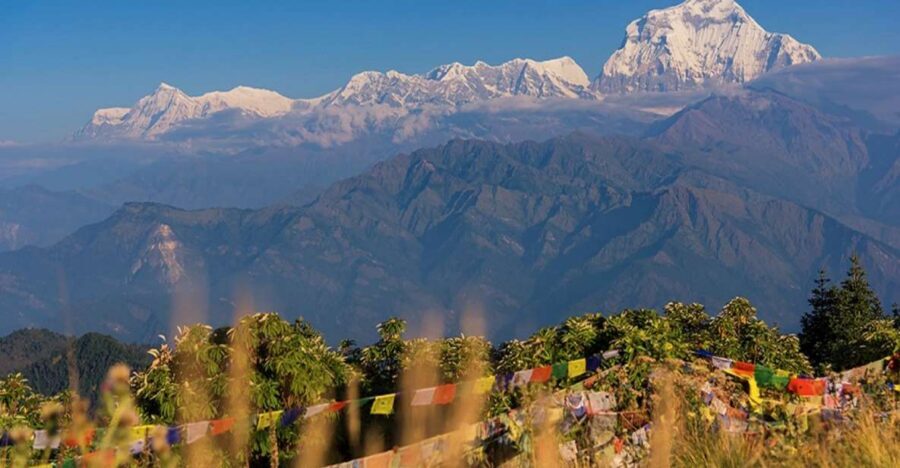
Poon Hill is famous for a reason. You’re going to be high enough that the morning light turns the Annapurna and Dhaulagiri areas into a layered view—peaks, ridgelines, and valleys stacking into the distance. The schedule is built around an early start so you can catch that first reveal when visibility is best.
This is also where the altitude matters, even for a short trek. You’re not living at high elevation for days, but you are reaching roughly 3,210m, and that can make your legs feel heavier on the way up to the viewpoints. If you tend to get winded at elevation, pace yourself and keep your breathing steady.
One practical note: sunrise hikes reward patience. You’ll want warm layers and a plan for standing around before the view really pops. Think: hat, gloves if you run cold, and a jacket you can keep on even after you start moving.
You can also read our reviews of more hiking tours in Pokhara
Day 1: Pokhara → Nayapul → Tikhedhunga (1,570m)
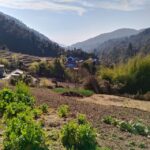
Day 1 starts with a drive from Pokhara to Nayapul, which is a smart way to get on the trail without wasting energy fighting transportation logistics. Once you begin walking, the trail follows the Modi Khola river corridor and threads through small villages—so you get a mix of everyday life and mountain scenery early on.
You’ll also pass through rhododendron forests, which is a big part of why this trek feels more atmospheric than a simple road-to-trail hike. In the morning and late afternoon, shaded sections can feel cooler, and when the sun hits, the greens brighten fast.
Your first night is in a tea house in Tikhedhunga at about 1,570m. For many trekkers, this is the “easy-to-moderate” day that lets you settle in, test your daypack setup, and get used to the steady rhythm of walking on uneven ground.
What I’d watch for on Day 1: footwear fit. Your feet are about to deal with hours of trail steps, and the earlier you confirm that your boots or shoes don’t rub, the happier you’ll be the next two days.
Day 2: Ulleri steps to Ghorepani (2,840m) and the forest that keeps you moving
Day 2 is the one that tests your legs. The hike climbs up to Ulleri and includes a steep ascent with over 3,000 steps. Even if the route is only one day on paper, it can feel like a full-on stair workout, especially if you start too fast.
After the Ulleri climb, you continue through rhododendron forests and reach Ghorepani at about 2,840m, where you’ll stay another night in a tea house. This pattern matters: you get a brutal-ish uphill segment, then a more scenic walking section that helps you recover mentally even if your legs are still tired.
The tea house breaks are more than just a place to sit. You need time to thaw out, eat, and reset. A number of trekkers note that these guesthouses can be comfortable and may offer amenities like WiFi and hot showers, which can be a real morale boost after a steep day.
My advice for Day 2: treat the steps like intervals. Move steadily, rest as often as you need, and avoid the temptation to sprint between breaks just because others are moving quickly. You’ll get a better overall experience if you arrive at Ghorepani feeling ready for the sunrise morning, not completely wrecked.
Day 3: Ghorepani → Ulleri for the view, then down to Nayapul and Pokhara
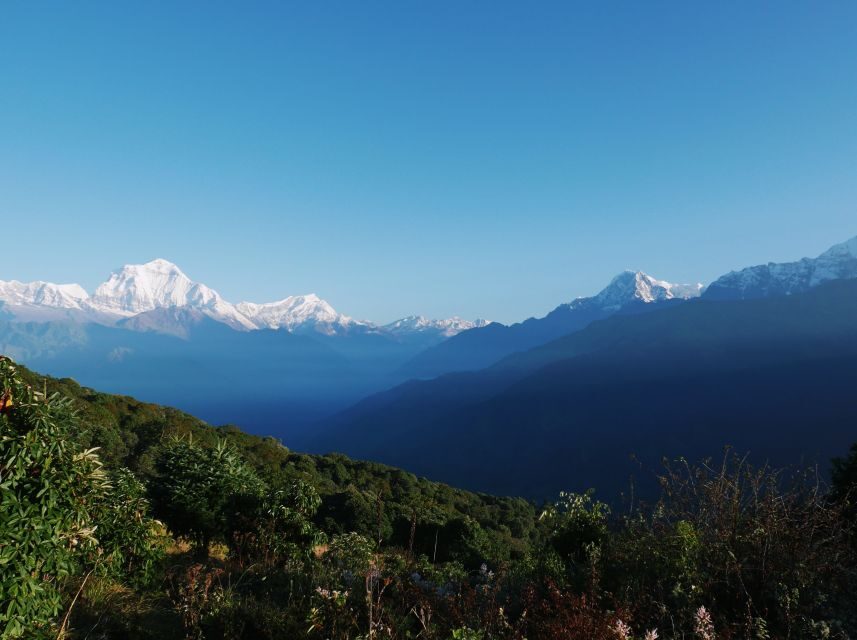
Day 3 is where the trek’s rhythm changes again. You’ll climb up toward Poon Hill for sunrise and enjoy the wider Himalayan panorama—Dhaulagiri and the broader Annapurna range are the big names you’ll be watching for. The weather can make or break the view, but when it’s clear, you get that rewarding “I’m really here” feeling.
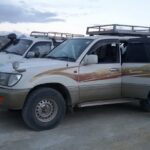
After the sunrise, you don’t just wander back leisurely. You descend the same general route back toward Ghorepani area, then continue downhill to Ulleri (around 2,000m). From there, you continue to Hile and then transfer by Jeep to Nayapul, followed by a drive back to Lakeside Pokhara.
That combo—feet-on-trail for the mountain moments, then Jeep and highway for the final miles—is one of the practical reasons this trek works well as a 3-day option. It gives you the full experience without turning the return into another long endurance day.
What to expect physically: the downhill can feel harder than it looks. Your knees will notice. If you have hiking poles, this is the day you’ll be glad they’re in your pack.
Tea houses, meals, and what’s actually included (and what isn’t)
This trek is designed around tea houses, which means you’re not camping and managing everything yourself. You’ll have places to sleep during the trek and a last-night option in Pokhara at a tourist-standard luxury hotel (Hotel Orchid is listed for 1 night).
Food is handled depending on the package. With the Full Package, you get all meals—breakfast, lunch, and dinner—during the trek days. There’s also a farewell dinner with typical Nepalese food in Lakeside Pokhara.
What’s not included: soft and hard drinks. So if you want tea, coffee, soda, beer, or bottled water, you’ll be paying for that separately. Personal expenses like phone calls, laundry, extra water, and shower costs (if applicable) are also on you.
One more comfort detail from real trek experience: some trekkers found the tea houses clean and comfy, with hot showers and WiFi. That’s not guaranteed in every place every day, but it’s a strong sign you won’t be living in discomfort.
My practical tip: you’ll still want your own water strategy. Bring water with you where you can, and use whatever refill or purchase options you find along the route—don’t rely on being able to buy or refill at exactly every stop.
A few more Pokhara tours and experiences worth a look
Guides, permits, and the small things that prevent stress
A big part of why this trek feels smooth is the planning support. The trip includes trekking permits and paperwork, plus the Trekkers’ Information Management System fee(s). That matters because you don’t want to spend your energy figuring out documents once you’re already tired from travel.
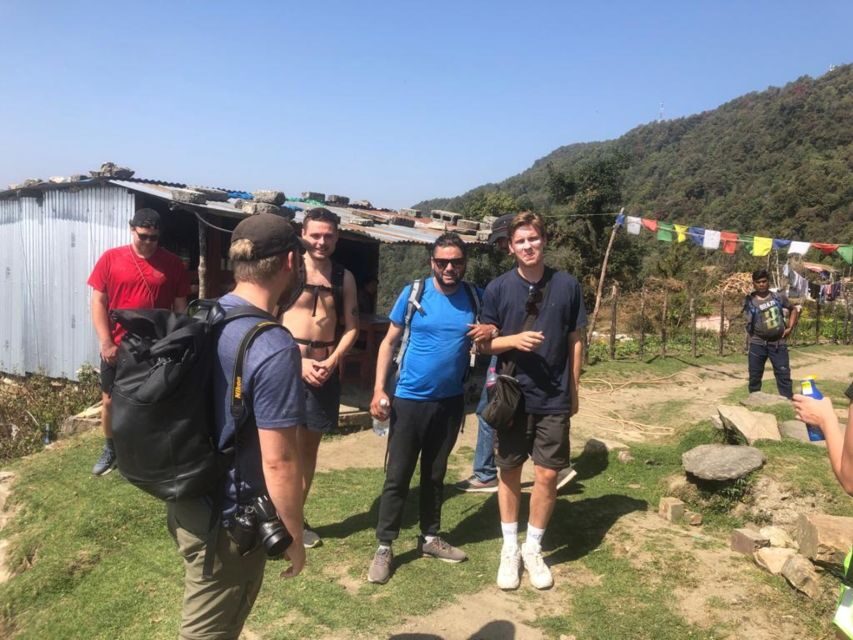
You also get an authorized English-speaking guide. Reviews in your provided info mention guides such as Deepist (often shortened to Deep), Keshab, and Kaji, with praise for helpfulness, upbeat energy, and support that goes beyond just walking forward. One traveler even specifically notes that the guide explained plants and trees, and that a bit of Nepali language teaching popped up when asked.
There’s also guide insurance listed, and the tour provider covers staff expenses like meals, accommodation, salary, equipment, insurance, and transportation. In real life, that adds up to fewer moments of uncertainty.
If you’re traveling alone, safety and clarity matter even more. The provided information includes experiences of solo travelers feeling extremely safe and well taken care of.
Fitness check: what you need to realistically handle
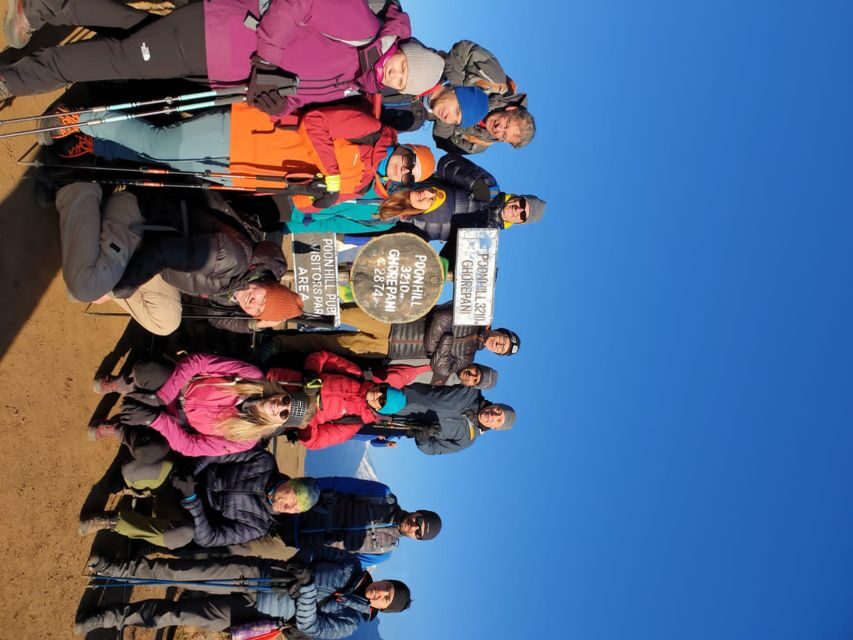
This trek is not a flat nature stroll. You should be ready for steep stair climbing—especially the Ulleri climb with over 3,000 steps—and you’ll walk through forest trails and uneven paths. The duration is short (3 days), which is great, but short doesn’t mean easy.
Elevation is another factor. You’re aiming at about 3,210m, and that can affect breathing and sleep. The plan includes a few altitude steps, so you’ll acclimatize gradually, but you still need to pace yourself.
What to bring matters, too. You’re expected to pack items like:
- a jacket and long pants for cooler mornings
- sunscreen and sunglasses
- a hat
- a flashlight (useful in early morning starts)
- a daypack and trekking gear
- a sleeping bag
You’re not just hiking—you’re also living at tea houses, so a warm layer you can keep on during sunrise waits is a key comfort move.
Also, this trip is not suitable for pregnant women, so if that applies, look for a gentler alternative.
Price and value: what $127 buys you (and where costs can pop up)
At $127 per person for 3 days, the value is mostly in the heavy lifting: pickup/drop-off, paperwork (permits + TIMS), guide support, tea house accommodation during the trek, and a structured return to Pokhara. If you choose the Full Package, meals during the trekking days are also included.
Where costs can appear after booking:
- porter services are not included (you’d need to arrange that separately if you want one)
- drinks are not included
- travel or rescue insurance is not included
- you’ll pay for personal items (phone use, extra water, snacks, laundry, and similar)
So here’s the honest way to judge fit: if you want a guided, document-handled trek with predictable logistics and you’re comfortable paying for upgrades like drinks and personal items, this price can be a fair deal. If you want a porter, full insurance coverage, and a more relaxed pace, you may end up spending more than $127 in total.
Should you book this Pokhara Ghorepani and Poon Hill trek?
Book it if:
- you want a classic Annapurna sunrise experience without committing to a long trek
- you’re okay with steep steps and don’t mind that Day 2 can be tough
- you like the mix of villages, river walking, and rhododendron forest
- you want everything planned: permits, guide, tea house nights, and a clear return to Pokhara
Skip (or consider a different route) if:
- stairs are a deal-breaker for you
- you’re looking for a mostly level, low-effort walk
- you’re sensitive to altitude and want a lower summit target
- pregnancy applies, since this trip is not suitable
If you’re somewhere in the middle—fit enough for hiking but not training for a race—this trek can still work well, especially if you pace yourself on the steps and don’t treat sunrise as a sprint.
FAQ
How high do I reach on the trek?
Poon Hill is reached at about 3,210m above sea level, and the trek includes stages like Tikhedhunga at about 1,570m and Ghorepani at about 2,840m.
Is a porter included?
No. A porter is not included in the listed inclusions.
Are meals included?
All meals (breakfast, lunch, dinner) during the trek are included only for the Full Package. Soft and hard drinks are not included.
Does the tour include permits and paperwork?
Yes. Trekking permits, necessary paperwork, and the Trekkers’ Information Management System fee(s) are included.
What type of guide support do I get?
You’ll have an authorized English-speaking guide for the trek, and the guide languages listed are English, Hindi, and Nepali.
Is this trek suitable for everyone health-wise?
It is not suitable for pregnant women, and you should also bring appropriate trekking clothing and gear since it involves early sunrise timing and steep stair sections.