REVIEW · POKHARA
Mardi Himal Base Camp Trek (5 Days)
Book on Viator →Operated by Nepal_first · Bookable on Viator
Mardi Himal hits big views fast. This 5-day trek from Pokhara walks you through the Annapurna Conservation Area with far fewer people than Annapurna Base Camp, then ramps up to classic high-mountain drama at High Camp and Mardi Himal Base Camp. The big draw is how much view you can pack into a short trek, especially with the early sunrise push.
I love that TIMS and ACAP permits are included, so you don’t have to chase paperwork before you go. I also love the way guides like Madhav (often listed as Madu/Madhu) and porters help keep the trek comfortable, including pace and route tweaks for what you want to see. One consideration: mornings can start around 4–4:30 AM, and the trip assumes moderate physical fitness.
In This Review
- Quick reasons this trek works
- Why Mardi Himal feels calmer (and more doable) than the big treks
- Pokhara mornings and your tea-house rhythm
- Day 2 to Badal Dhanda: jungle walking, wildlife chances, and quiet trails
- Day 3 to High Camp: the view starts widening into 360 degrees
- Day 4 sunrise to Mardi Himal Base Camp: the early wake-up is the point
- Day 5 back to Pokhara: recovery, a ride, and a clean finish
- Price and Logistics: what $480 is really buying
- Guides and pace control: the human side that makes it smoother
- What’s not included (and why you should plan for it early)
- Who should book this trek (and who might want a different plan)
- Should you book Mardi Himal Base Camp for your dates?
- FAQ
- How long is the Mardi Himal Base Camp trek?
- Does the trip include permits for the trek?
- What meals and accommodation are included?
- Is pickup from Pokhara included?
- Are trekking equipment and porter services included?
- Is this a private trek for my group only?
Quick reasons this trek works
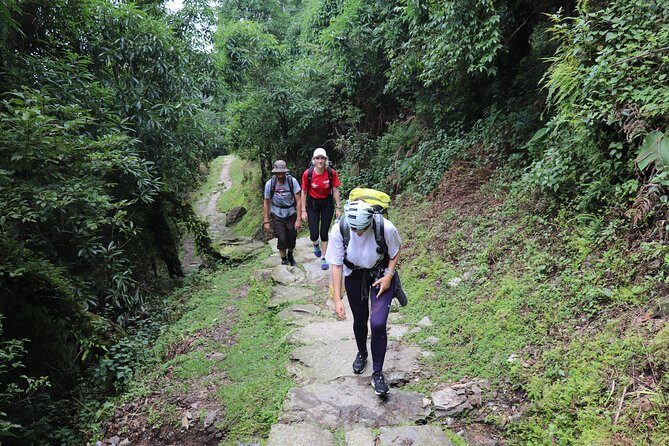
- Short trek, strong rewards: a compact plan that still reaches base-camp sunrise territory.
- Fewer people than the big-name routes: more quiet time in the Annapurna Conservation Area.
- Guides who adjust: many teams get a guide like Madhav who matches your pace and interests.
- Early-morning payoff: sunrise at Mardi Himal Base Camp, or a backup viewpoint if timing slips.
- Includes the big stuff: private transport, permits, and meals/accommodation on the trek.
Why Mardi Himal feels calmer (and more doable) than the big treks
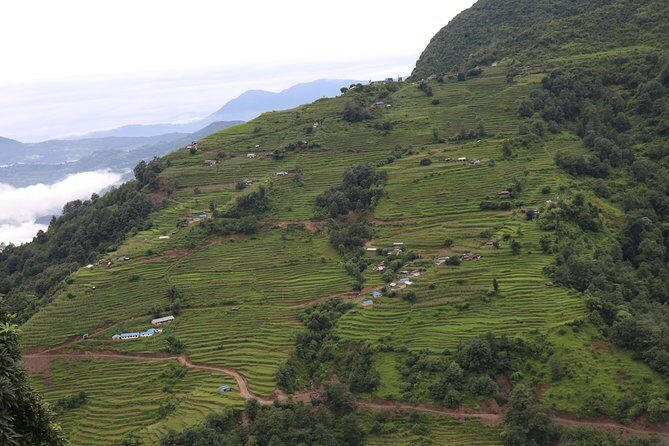
If you’re drawn to the Annapurna region but don’t want the crowds that come with the most famous base-camp hikes, Mardi Himal is a smart target. It’s not about skipping the mountains. It’s about spending more of your day noticing trees, trails, and quiet moments instead of elbowing through the busiest sections.
This trek also helps you manage your time. With about five days on the trail (and a ride back to Pokhara on the last day), you can chase the Himalayan experience without committing to the longer journeys that take over a full week or more.
And since it’s tied to the Annapurna Conservation Area, you’ll be moving through a protected corridor where the walking feels purposeful, not just scenic. You’re getting nature with a clear trail rhythm.
You can also read our reviews of more hiking tours in Pokhara
Pokhara mornings and your tea-house rhythm
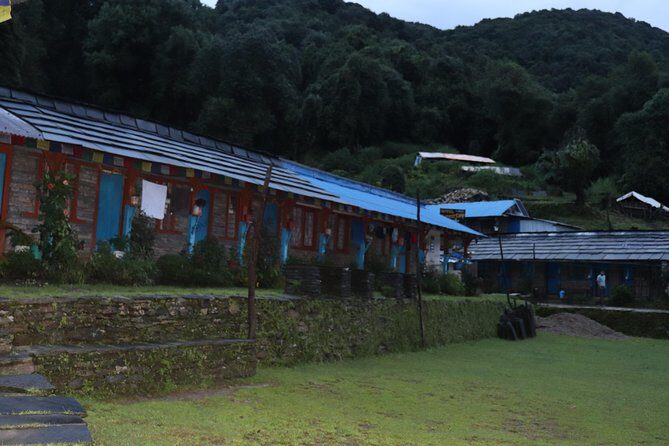
You start in Pokhara Lakeside early, heading toward Khande so you can get your hiking legs moving right away. Day 1 is designed as a warm start: you trek from Khande toward Forest Camp, where you sleep in a tea house.
I like Day 1 because it lets you settle into altitude slowly. You’re not thrown into a grueling climb on arrival day, and you still get that first taste of the Annapurna foothills—forests, trail sounds, and that “we’re really going now” feeling.
Tea houses are part of the experience here. They’re not a luxury hotel vibe, but they’re practical and part of how trekking communities host hikers. If you’re okay with simple rooms and a steady routine, you’ll enjoy how the nights help you recover for the bigger viewpoint days.
Day 2 to Badal Dhanda: jungle walking, wildlife chances, and quiet trails
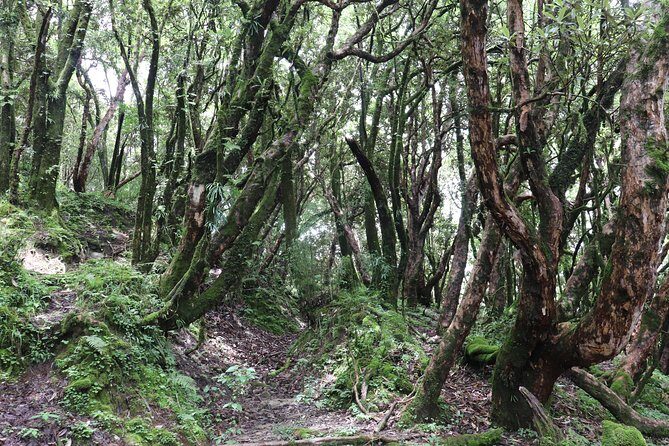
On Day 2, after breakfast, you head toward Badal Dhanda. This is where the trek leans into the Annapurna Conservation District vibe: trees, forest trails, and long stretches that feel hushed instead of crowded.
The walking time is about six hours, which is a good “workout dose” for a five-day plan. You’ll get enough hours to feel like you’ve trekked, but not so much that you’re cooked before the higher camps.
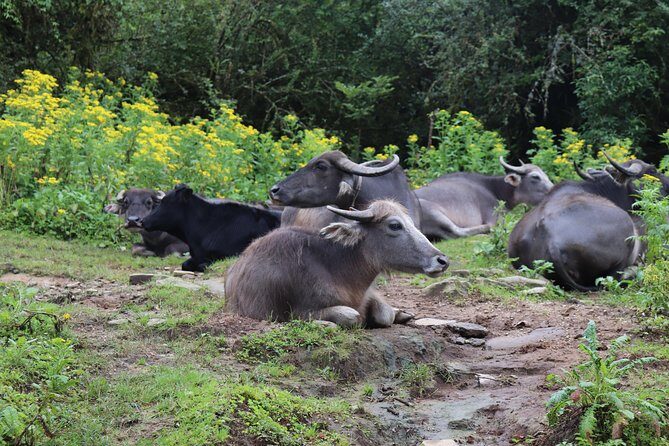
If you’re hoping to spot wildlife or just want the trail to feel alive (birds, insects, occasional movement), this is the day where that’s most likely based on the trek’s forest-heavy route. And if you love silence, this is the section that can reward it.
Day 3 to High Camp: the view starts widening into 360 degrees
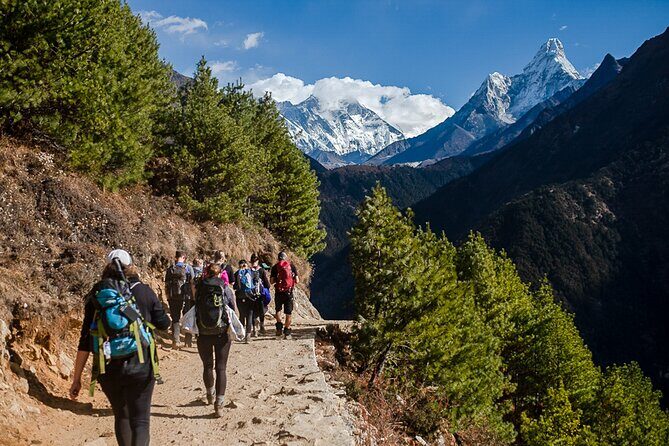
Day 3 takes you onward to High Camp, typically a four to five hour march. This is when the trek starts opening up—less dense forest, more sky, and a bigger sense of space around you.
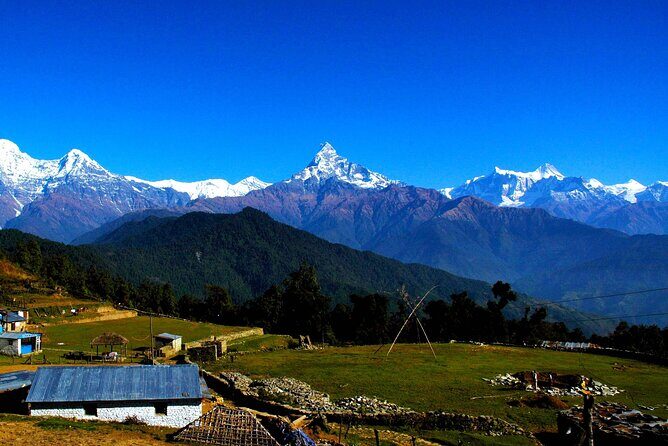
What makes High Camp special is the way it sets up your mental “frame” for the rest of the hike. You’re no longer just walking through a valley. You’re being shown the Annapurna Conservation District from higher angles, and the plan is set around building toward those wide, sweeping viewpoints.
Expect more of the classic mountain-photo feeling here: stronger visibility on clear days, sharper contrasts, and that moment when you realize you’re not just hiking through scenery—you’re in it. High Camp tends to be where hikers start talking about how the next sunrise might be worth the early alarm.
Day 4 sunrise to Mardi Himal Base Camp: the early wake-up is the point
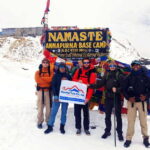
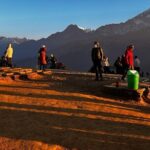
This is the day you plan for. You begin around 4–4:30 AM with the goal of reaching Mardi Himal Base Camp for sunrise. If the weather or timing doesn’t allow it, the plan includes a fallback viewpoint so you still get magnificent mountain views.
In plain terms: this day is why you chose a short trek. Sunrise is one of the few times mountains look different enough to justify the effort, and the trek’s schedule is built around that payoff.
You’ll be moving in the pre-dawn hours, so you want your body ready. If you’re the type who hates early starts, this could be the most challenging day. If you can handle an early wake-up, it’s the one that feels most like a reward.
Also, this is where having a guide who pays attention matters. Several guides associated with this trek are praised for adapting to what you need and keeping things smooth—so you’re not just guessing your timing in the dark.
A few more Pokhara tours and experiences worth a look

Day 5 back to Pokhara: recovery, a ride, and a clean finish
On Day 5, you trek back to Pokhara starting early. The route heads toward Sidhing, where you catch your ride back to Pokhara.
The hiking time is around eight hours, so while it’s the “finish day,” it’s still real hiking. The trick is to treat it like a recovery trek: steady pace, no hero moves, and focus on getting down safely rather than chasing every last view.
Once you reach Sidhing and get your transport, you’ll appreciate how this trek is built as a complete experience, not just “trail and good luck.” After a few days of tea-house living and trail rhythm, a ride back to Pokhara helps you reset quickly.
Price and Logistics: what $480 is really buying
At $480 per person, the value here comes from what’s included—not just the trek itself. You get private transportation, permits (TIMS and ACAP), and food and accommodation during the trek (breakfast, lunch, and dinner across the trek days listed). All fees and taxes are covered too.
That matters because these are the costs that often sneak up on people when they plan a trek more independently. If you want a simple, managed package with less decision fatigue, this pricing structure supports that.
A couple of practical notes:
- Trekking equipment is not included, so you’ll need to bring or arrange your own gear.
- Porter services aren’t included, so if you want help carrying, you may need to organize that separately.
If you’re comparing value, think of it like this: you’re paying for the “infrastructure” (permits, transport, meals, lodging) plus guided trekking logistics. What you bring is your effort and your personal gear.
Guides and pace control: the human side that makes it smoother
One of the most consistent strengths in feedback for this trek is the guide factor. Guides like Madhav (also appearing as Madu/Madhu in feedback) are described as fun, informative, and tuned into what the group wants.
The best practical takeaway: a good guide doesn’t just lead you forward. They manage your pace, help you choose routes that match your interests, and explain what you’re seeing in a way that makes the trek feel grounded, not random.
That also helps on the tricky parts—early starts, weather uncertainty, and days when fog or clouds cut visibility at the beginning but open up later. Having someone who can keep the plan moving without panic can be the difference between a stressful trek and a confident one.
And if you’re curious about local food or small experiences off the main path, some guides are also praised for knowing what’s worth trying in the forest and sharing that kind of detail.
What’s not included (and why you should plan for it early)
Trekking equipment and porter services are explicitly not included. So if you show up without the basics, you’ll end up making last-minute purchases or borrowing things you’re not comfortable with—never fun at altitude.
Also, personal expenses aren’t included. That’s where you should budget for small extras: snacks, hot drinks, and any choices you make beyond the included meals.
Here’s the practical decision point: if you’re worried about carrying your own load, consider arranging a porter before you arrive, or at least confirm what your guide can help you organize. Since porter service isn’t included in the package, you want clarity up front.
Who should book this trek (and who might want a different plan)
This Mardi Himal Base Camp (5 days) trek is a good match if:
- you want a short itinerary that still reaches base-camp sunrise territory,
- you prefer a quieter feel than the most popular base-camp routes,
- you have moderate fitness and can handle early mornings.
It might not be the best fit if you hate dawn hiking or you’re looking for a low-effort walk. Day 4 is intentionally early, and Day 5 still includes a long hiking window.
Should you book Mardi Himal Base Camp for your dates?
If your goal is maximum mountain time in a compact schedule, this trek is easy to recommend. The inclusion of permits, transport, and trek-day meals makes it feel organized, and the route’s “short but scenic” approach helps you get real Himalayan views without committing to a longer expedition.
I’d book it if you’re okay planning around early starts and you’re ready for moderate hiking. I’d think twice if you want a slower pace or you don’t want to handle your own gear, since trekking equipment and porter service aren’t included.
One more practical note: this experience depends on weather, and there’s a good chance you’ll be offered a different date or a refund if poor conditions cancel it.
FAQ
How long is the Mardi Himal Base Camp trek?
It’s listed as about 5 days.
Does the trip include permits for the trek?
Yes. Permits included are TIMS and Annapurnace Conservation Area Project (ACAP).
What meals and accommodation are included?
Food and accommodation on the trek are included, along with breakfast (4), lunch (4), and dinner (4) as part of the package.
Is pickup from Pokhara included?
Private transportation is included, and pickup is offered.
Are trekking equipment and porter services included?
No. Trekking equipment and porter services are not included.
Is this a private trek for my group only?
Yes. It’s a private tour/activity, and only your group participates.