REVIEW · POKHARA
4Nights 5Days PoonHill Trek
Book on Viator →Operated by Dadhi Ram Thapa · Bookable on Viator
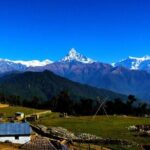
Poon Hill sunrise feels like a reset button. This 4Nights 5Days Poon Hill Trek starts from Pokhara and takes you through rivers, forests, and village paths toward the 3210 meters viewpoint. You’ll also get a soak at Jhinu Danda Hot Spring, plus a full return back to Pokhara at day’s end.
What I really like: the early-morning Poon Hill sunrise over the Annapurna and Dhaulagiri ranges, and the fact you’re with Dadhi Ram Thapa, an English-speaking guide known for being professional, safety-minded, and genuinely caring about the group.
One possible drawback: the itinerary includes early starts and a trail that can feel stair-heavy, so you’ll want comfortable shoes and steady legs.
In This Review
- Key highlights I think you’ll care about
- First light at Poon Hill: the short trek that delivers the big views
- Meet your guide: how Dadhi Ram Thapa changes the experience
- Price and value: what $300 covers and what you’ll pay on your own
- Day 1: Pokhara to Ulleri via Nayapul (rivers, village life, 5–6 hours)
- Day 2: Ulleri to Ghorepani (green forest feel and mountain air)
- Day 3: Poon Hill sunrise at 3210m and the Annapurna vs Dhaulagiri show
- Day 4: Tadapani to Jhinu Danda (Fishtail views and the hot-spring reset)
- Day 5: Nayapul back to Pokhara and how to finish feeling good
- What’s included vs not included: the practical checklist
- Who should book this trek (and who might want to adjust)
- Should you book the 4Nights 5Days Poon Hill Trek?
- FAQ
- What’s included in the tour price?
- Are meals included?
- Do I get pickup or transport from Pokhara?
- Where is the sunrise viewpoint, and what height is it?
- Do I stay in hotels during the trek?
- Can I cancel and get a refund?
Key highlights I think you’ll care about
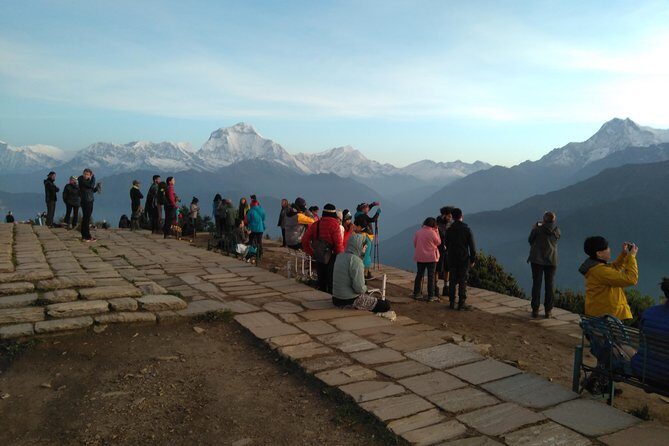
- 3210m Poon Hill sunrise with views across the Annapurna and Dhaulagiri range
- English-speaking guide Dadhi Ram Thapa who focuses on safety and group comfort
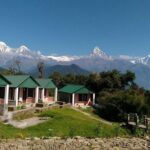
- Tea house accommodation in the villages along the route (easy, practical hiking nights)
- Ulleri, Ghorepani, and Tadapani give you real foothills hiking, not just one viewpoint stop
- Jhinu Danda hot spring with forest and river scenery as you unwind
- Private tour vibe for your group with pickup and transfers built into the schedule
First light at Poon Hill: the short trek that delivers the big views
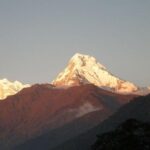
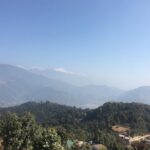
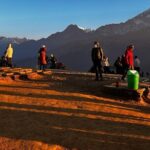
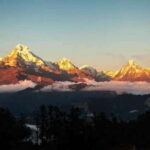
The whole point of this trek is simple: get you to Poon Hill early enough to watch the mountains wake up. At 3210 meters, the sunrise is the headline, and it’s paired with classic Annapurna-area panoramas—so you’re not hiking just for a photo. You’re hiking for that moment when the ridges start to show detail, and the sky turns from gray-blue to something warmer.
I also like that the route doesn’t feel like it’s trying to do everything. This is a 5-day loop-style experience: you move village to village, sleep in tea houses, and spend time outside rather than rushing only between landmarks. That balance matters when you’re working with limited time and want a trek that still feels human.
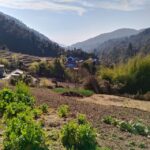
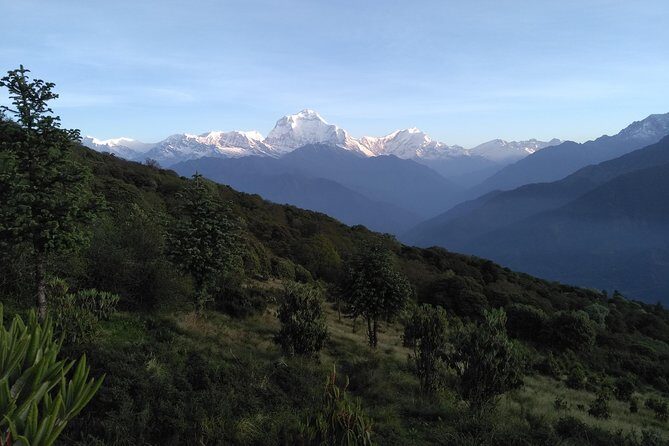
The other big win is how the scenery changes day by day. You’ll pass rivers, forest stretches, and small communities, then switch gears to the more relaxing hot-spring end of the journey. It’s not just mountains—it’s the whole rhythm of the Annapurna foothills.
You can also read our reviews of more hiking tours in Pokhara
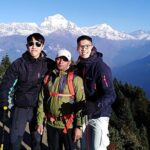
Meet your guide: how Dadhi Ram Thapa changes the experience
A trek lives or dies on how the guide manages pace, safety, and group energy. With Dadhi Ram Thapa as your guide, the emphasis is on professionalism and care. You’re hiking in the real world—weather shifts, legs get tired, and altitudes add up—so having someone who stays focused makes the trip feel calmer.
From what I’ve learned about his guiding style, he’s also the type who pays attention to well-being, not just logistics. That means you can ask questions, you’re less likely to feel rushed, and the whole group stays more comfortable. There’s also a light, friendly tone described in past trips, which helps when you’re up early and walking stairs for hours.
Even better: this tour includes an English-speaking trekking guide, so you’re not stuck guessing what’s happening. You’ll know the plan for each day—when to start, what the walking block feels like, and how to pace yourself so you can actually enjoy the views rather than just survive the hike.
Price and value: what $300 covers and what you’ll pay on your own
At $300 per person, this trek is priced for a guided, practical experience rather than a bare-bones hike. The value comes from what’s already handled: TIMS and permits, private transfer, tea house accommodation, and an English-speaking guide. For many people, that’s the difference between a smooth trek and a stressful scramble.
What’s not included is the stuff that depends on your habits: all meals and drinks, plus tips. Also, rescue cost in case of emergency is not included, so you should think about trip insurance before you go. That’s not meant to scare you—it’s just smart for any mountain itinerary.
If you’re comparing options, ask yourself one question: do you want to spend your time figuring out permits, coordinating transfers, and navigating route decisions? This package helps with the core structure, so you can focus on hiking and enjoying the Annapurna region at a realistic pace.
Day 1: Pokhara to Ulleri via Nayapul (rivers, village life, 5–6 hours)
Day 1 starts with private car travel from Pokhara to Nayapul, then the walking begins. The trek from Nayapul to Ulleri is listed at about 5 to 6 hours, and it’s the kind of hike where the details matter: you’ll move alongside rivers, through forests, and past villages. This is a good first day because you’re not thrown straight into a harsh grind—you’re getting your legs ready while still seeing the Annapurna foothills take shape.
There’s also an included stop at the Ulleri Football Ground with an admission ticket. These little entries can feel random if you don’t know what to expect, but the practical side is that it’s built into the route. You’ll get breaks at natural stopping points anyway, so an included ticket just removes one minor admin task.
One thing to keep in mind on day 1: after driving, you might feel eager to push the pace. Don’t. Save energy for the early mornings later. Comfortable shoes and breathable layers help because the mix of forest shade and open patches changes how your body feels.
Day 2: Ulleri to Ghorepani (green forest feel and mountain air)
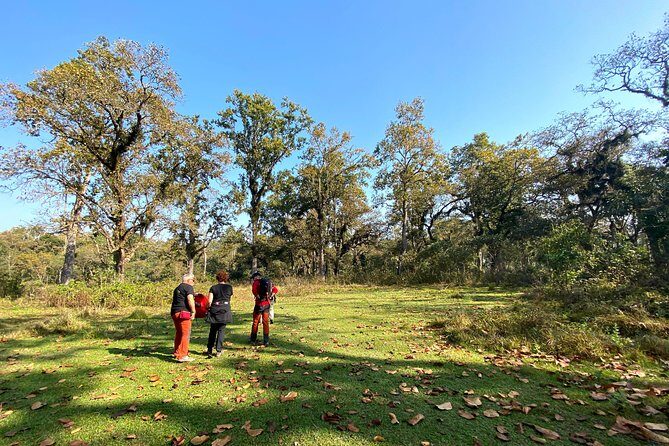
On day 2, you hike from Ulleri to Ghorepani for about 5 hours. This is one of the days where the description matters: green forest, river scenery, and mountain views. You’re gradually trending toward the higher viewpoint zone, and the air tends to feel different as the day goes on.
The route includes a stop at the Ghorepani Community hospital, with admission listed as free. Again, these stops can be more about adding a local touch than about big ticket sights. They also help break up the walking blocks, which is actually useful on a trek—your day is easier when there are structured rest moments.
What I’d watch for on this day is timing and hydration. Even if the hike feels manageable, you’ll still be building fatigue for the sunrise mission. If you start thinking ahead, you’ll sleep better at night and wake up ready to hike early on day 3.
A few more Pokhara tours and experiences worth a look
Day 3: Poon Hill sunrise at 3210m and the Annapurna vs Dhaulagiri show
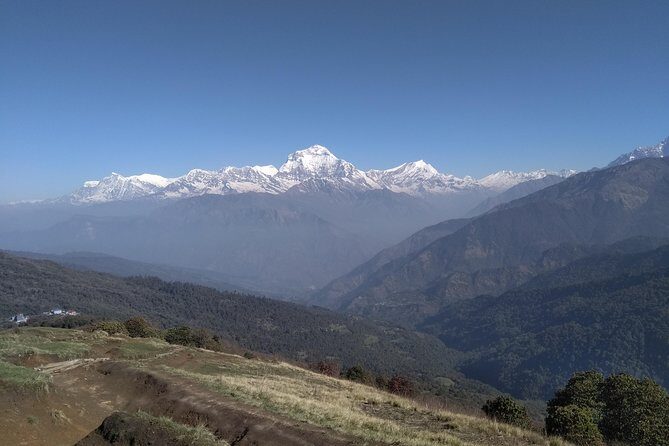
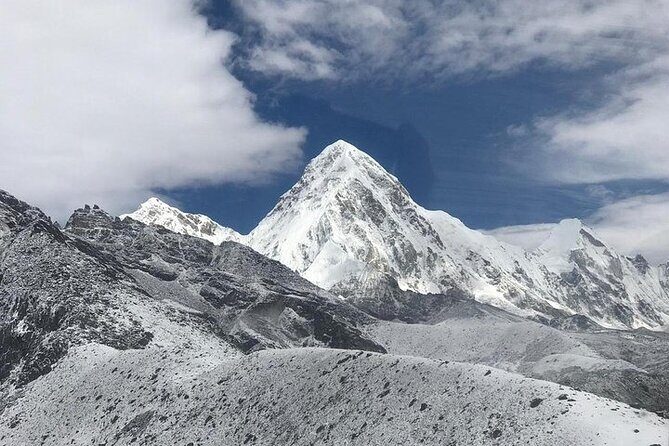
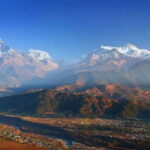
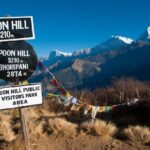
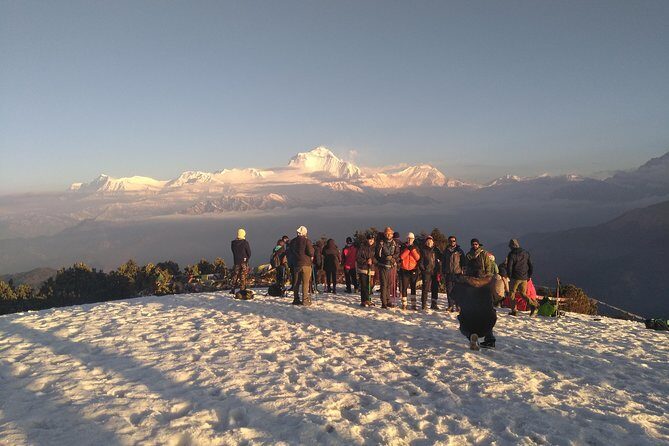
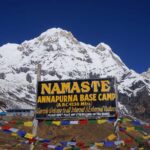
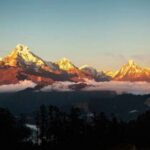
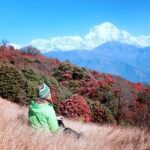
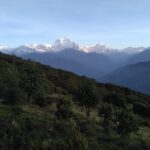
Day 3 is the reason most people sign up. You go early to Poon Hill for sunrise, reaching the 3210 meters viewpoint. The payoff is seeing the Annapurna and Dhaulagiri range—a wide, dramatic view that rewards the effort even if you’re not a hardcore early-morning person.
After sunrise, you trek back to Ghorepani and continue toward Tadapani. The schedule notes a short included duration entry associated with this segment, but the key idea is that your day blends two moods: peak excitement in the dark-to-dawn climb, then a steady daytime hike to your next tea house base.
Practical tip: sunrise days are when you’ll feel the biggest temperature swing. Even if daytime trekking feels warm, pre-dawn can be cold. Bring layers you can manage quickly, and avoid wearing just one heavy coat that makes you sweat later.
Day 4: Tadapani to Jhinu Danda (Fishtail views and the hot-spring reset)
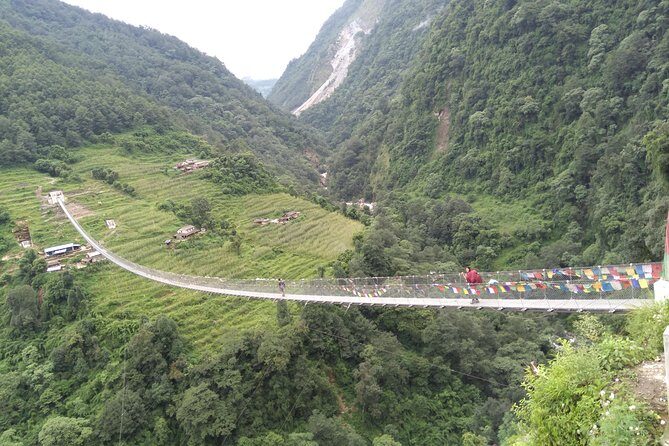
Day 4 is a nice change of pace. You trek from Tadapani to Jhinudanda (about 6 hours), moving through a mix of forest, river scenery, and big mountain views. The view is described as including Annapurna and Fishtail mountain—and in this part of Nepal, that kind of scenery makes the walking feel worthwhile even when your legs are tired.
The highlight here is the Jhinu Danda Hot spring, with an admission ticket included. This is the part that turns the trek from hard work into a full travel memory. A warm soak after a walking day helps you recover, and you get to do it while still surrounded by the forest-and-river feel of the trail area.
A small consideration: hot springs are often popular and relaxing, but they’re still a shared public experience. Go in feeling flexible. Your mood will improve if you treat it like downtime, not a spa appointment.
Day 5: Nayapul back to Pokhara and how to finish feeling good
Day 5 starts with trekking back to Nayapul, then it’s car drive to Pokhara. The trek block is listed as 6 hours, and the final day is where you’ll want to manage your energy—because you’ve already done several days of early starts.
There’s also a stop at Pokhara Lakeside with admission listed as free. This is a smart “land back on Earth” moment. You don’t want your last hours to be another big scramble. Instead, you get back to a place where you can sit down, eat at your pace, and enjoy the city air after mountain walking.
If you’re planning what to do after the tour, give yourself enough buffer. Even if you feel okay, your feet and knees may complain later, especially if you’re not used to stair-heavy trails.
What’s included vs not included: the practical checklist
Here’s the practical difference between included and on-your-own costs, in plain terms.
Included in the tour:
- TIMS and permits
- Private transfer for the drive sections
- Tea house accommodation
- English-speaking trekking guide
- Included admission tickets at key stops like Poon Hill and Jhinu Danda Hot Spring (and the listed included entries on days 1 and 2)
Not included:
- All meals and drinks
- Tips
- Rescue cost in emergency situations
That meal gap matters. Tea houses usually have food and drinks, but since meals aren’t included, your daily budget depends on what you order. Plan for it so you’re not surprised at dinner.
Who should book this trek (and who might want to adjust)
This trek is marked as suitable for most travelers, and the route is described as easy but with a lot of stairs. That combo is important. “Easy” often means the altitude pressure is managed and the hiking is steady—not that it’s flat. If you have knee issues or you struggle with long stair descents, you might find the daily trail rhythm tiring even if the route isn’t technically hard.
I’d also think about your travel style. If you love:
- clear sunrise targets
- village-to-village trekking
- a guided plan that reduces decision stress
…then this tour fits well. If you want a trek that’s mostly solitude or you’re looking for a longer high-altitude grind, you’ll likely want a different route than this shorter Poon Hill focused itinerary.
Should you book the 4Nights 5Days Poon Hill Trek?
I’d book this if you want a guided Annapurna-area trek that delivers the Poon Hill sunrise experience, plus the comfort of tea house nights and real support from Dadhi Ram Thapa. At $300, the value is solid because the package handles permits, transfers, guide, and accommodation, leaving you to focus on hiking and enjoying the views.
I’d hesitate only if you know stairs and early starts drain you fast. The sunrise schedule is non-negotiable, and the trail includes plenty of steps. If you can handle that, you’ll end up with a memorable mix of mountain dawn, forest and river walking, and a genuine recovery stop at Jhinu Danda hot spring.
FAQ
What’s included in the tour price?
The tour includes TIMS and permits, private transfer, tea house accommodation, and an English-speaking trekking guide. Admission tickets are also included for key stops listed in the itinerary, such as Ulleri Football Ground, Poon Hill, and Jhinu Danda Hot spring.
Are meals included?
No. All meals and drinks are not included, so you’ll budget for food and hydration during the trek.
Do I get pickup or transport from Pokhara?
Yes. There is pickup offered, and the itinerary includes private car drive segments (Pokhara to Nayapul on day 1, and Nayapul back to Pokhara on day 5).
Where is the sunrise viewpoint, and what height is it?
Sunrise is watched from Poon Hill, which is listed as 3210 meters. This is where you enjoy sunrise and mountain views across the Annapurna and Dhaulagiri range.
Do I stay in hotels during the trek?
You’ll stay in tea houses as part of the accommodation included in the tour.
Can I cancel and get a refund?
Yes. Free cancellation is offered, with a full refund if you cancel at least 24 hours before the experience’s start time.