REVIEW · POKHARA
2 Night 3 Days Lumbini Tour from Pokhara or Kathmandu
Book on Viator →Bookable on Viator
Lumbini makes you slow down fast. This 2-night, 3-day Lumbini tour takes you from Pokhara or Kathmandu to the Buddha’s birthplace area, then adds a very practical sightseeing loop: Maya Devi Temple, key pillars and birth-place sites, and the international pagodas at World Peace Park (with an optional bike or rickshaw ride). I really like how the meals and hotel are built in, so you’re not constantly hunting for food or scrambling for overnight plans, and I also like that you get an English-speaking guide who handles the order of stops and keeps things running smoothly. One possible drawback: you’ll be in a car/vehicle for long stretches, so bring patience for early mornings and travel time.
If you’re the type who likes meaningful sights but still wants clear logistics, this tour is made for you. The tour is private for your group, so you’re not stuck waiting on strangers, and you can explore during your free time around Lumbini without feeling rushed. Still, because the plan is fixed to a set schedule across three days, you’ll want to be okay with following the group rhythm—even if it’s your group.
The good news is that Lumbini is not just one “spot.” It’s a whole pilgrimage zone with different temples and memorial elements, which makes a guided loop far more satisfying than wandering randomly for the first time.
In This Review
- Key highlights you’ll care about
- Lumbini, where the Buddha’s story starts
- What you actually get in a 2-night, 3-day format
- Day 1: The 7 a.m. start and your first Lumbini wandering window
- Day 2: Maya Devi Temple and the international pagodas route
- Day 3: The ride back to Pokhara or Kathmandu and a smooth ending
- Price and value: what $400 buys (and what to check)
- Transfers, private-tour comfort, and why the guide matters
- Food, rest, and what you should bring to make this easier
- Who this Lumbini tour suits best
- Should you book this Lumbini tour from Pokhara or Kathmandu?
- FAQ
- What is the duration of this Lumbini tour?
- Where does the tour start from?
- Does the tour include hotel accommodation?
- What meals are included?
- Is there an English-speaking guide?
- What sights are visited on the second day?
- Are admission tickets included?
- What is the cancellation policy?
Key highlights you’ll care about
- Private tour pace: only your group, guided in English, so your day flows instead of stopping and starting.
- Hotel included in Lumbini: you sleep near the sights for two nights, rather than doing tiring day trips.
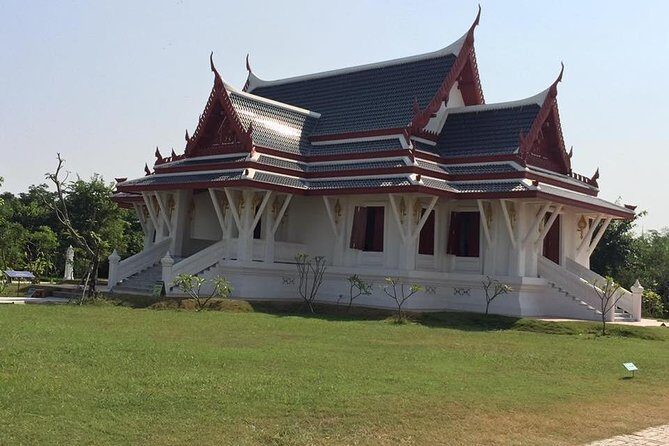
- Temple circuit at World Peace Park: Maya Devi Temple plus multiple international pagodas.
- Planned meals: 2 breakfasts, 3 lunches, and 2 dinners are included.
- You can choose your small transport option: bike or rickshaw available around the World Peace Park area.
- Simple entry planning: admission tickets are listed as free for the included days/sites.
Lumbini, where the Buddha’s story starts
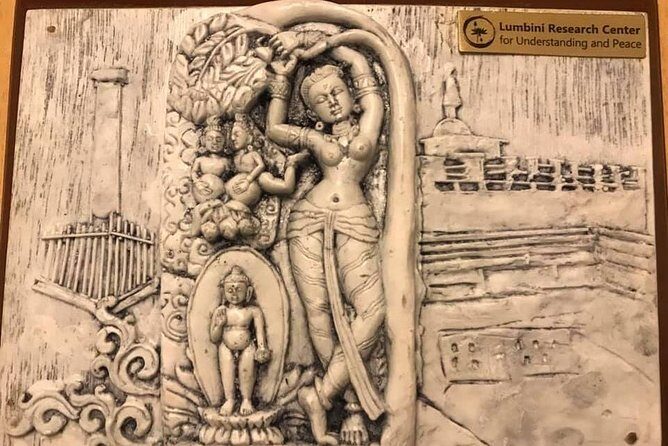
Lumbini is one of those places where the setting does half the work. You’ll feel it in the layout—temple areas spread out with calm paths—and you’ll notice it in the way people move, quietly and respectfully, even when they’re from opposite sides of the world.
This tour focuses on the core pilgrimage sites: the Maya Devi Temple area tied to the Buddha’s birth tradition, plus surrounding landmarks like the Asoka Pillar and several neighboring pagodas. If you want the highlights without turning your trip into a puzzle, this is a smart way to do it.
The most “value for effort” part is that you’re not only seeing one building. You’re seeing a landscape of Buddhist memory, including the international pagodas at World Peace Park, which add a really distinctive, global feel to the day.
You can also read our reviews of more evening experiences in Pokhara
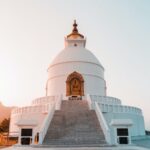
What you actually get in a 2-night, 3-day format
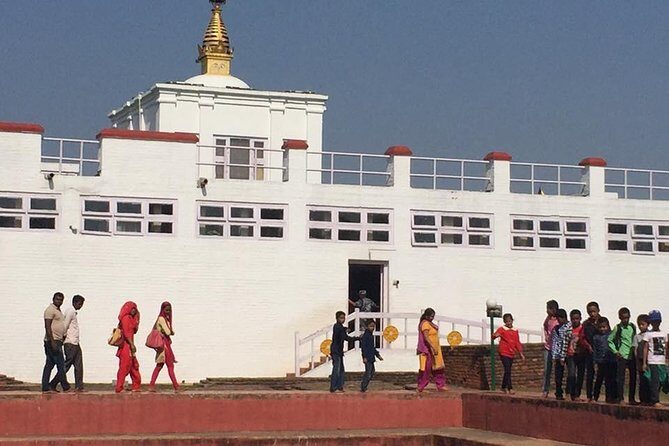
Here’s the practical truth: you’re buying structure. The tour is built around three days with hotel accommodation in Lumbini, an English-speaking guide, and meal coverage. That matters because Lumbini is not a quick checklist stop. A few hours here feels different than a few hours in a city museum.
You’ll start with pickup from your side of the journey:
- If you’re staying in Kathmandu, pickup is from the Thamel area, and you’ll go by tourist-style transfer toward Lumbini.
- If you’re staying in Pokhara, you’ll connect from the Lakeside area via tourist bus/transfer toward Lumbini.
You also get the convenience of a mobile ticket, plus pickup and drop by private car, based on the tour’s included services. In a place where you might otherwise waste time figuring out timing and local transport, that planning saves energy.
And yes, you’re getting a private tour, so it’s set for your group only. That’s great if you prefer your pace, your questions, and a guide who can adapt the timing slightly without worrying about other groups.
Day 1: The 7 a.m. start and your first Lumbini wandering window
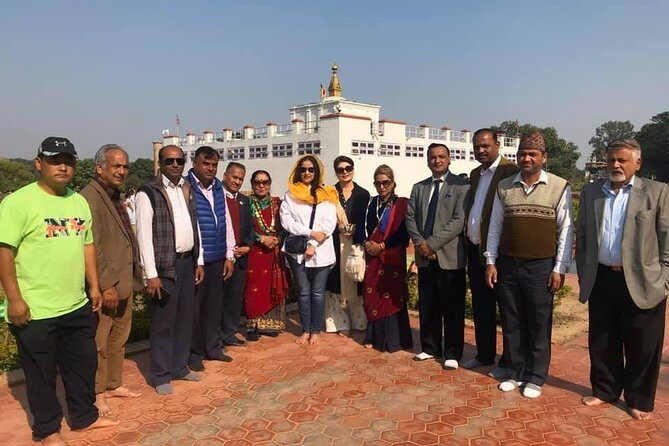
Day 1 is built for momentum. You’ll get a hotel pickup at 7:00 a.m., then head to Lumbini from Pokhara or Kathmandu. The drive is long enough that you’ll want to treat it like travel time, not “part of the fun,” but it also means you arrive early enough to make real use of the afternoon.
Once you reach Lumbini, your day shifts into a gentler mode. You’ll have time for relaxing, shopping, or an excursion using your own activities. That open block is valuable because it lets you orient yourself—where to walk, what feels comfortable, where you want to return later on Day 2.
A small but real plus: you’re not trying to do everything in one day. You arrive, you settle, and you sleep in a hotel in Lumbini for the night. That reduces the classic “see Lumbini, then rush back” feeling.
Possible consideration for Day 1: the early pickup means you’ll need an easy packing plan (water, layers, and comfortable shoes). If you hate mornings, set expectations now.
Day 2: Maya Devi Temple and the international pagodas route
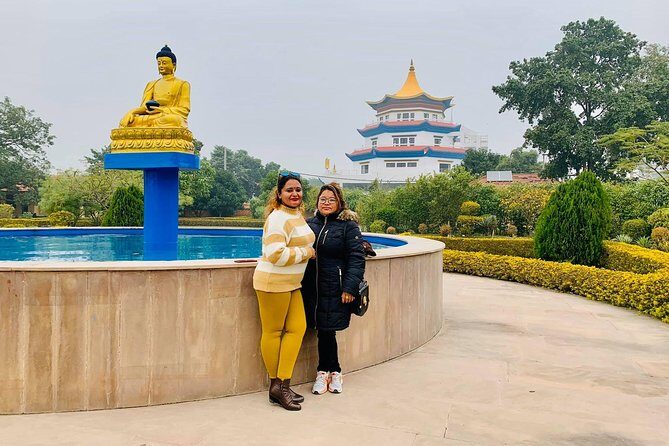
Day 2 is the tour’s centerpiece. After breakfast, you’ll visit the most important pilgrimage landmarks in and around Lumbini, including the Maya Devi Temple, the Japanese and Chinese temples, the Asoka Pillar, and the area tied to the Buddha’s birth place, plus multiple other Buddha pagodas.
This is where having an English-speaking guide pays off. When you’re standing among many structures that all look meaningful, a guide helps you connect the names to what you’re actually seeing—why the temple areas exist, why the pillar matters, and how the pagodas fit into the broader site.
Then there’s World Peace Park, where you’ll find a set of international pagodas. This is one of those sightseeing choices that feels different from typical temple touring because it’s geographically and culturally expansive in a single area. You’re seeing how Buddhism is represented across countries, translated into architecture and symbolism.
You also have options for moving through part of the area:
- You can go by bike or rickshaw around the World Peace Park zone.
That’s a nice flexibility because walking everywhere can be tiring in the heat or if you’re on a tight schedule. If you’re the type who likes a bit of motion, the bike/rickshaw option keeps the day from becoming one long foot slog.
Potential drawback to keep in mind: Day 2 runs longer (about 10 hours). It’s full, not rushed, but it’s still a long day of walking and standing. Bring breaks into your mindset and pace yourself.
Day 3: The ride back to Pokhara or Kathmandu and a smooth ending
On Day 3, you get the payoff: you return without having to solve logistics. You’ll drive back to Pokhara or Kathmandu (about 8 hours, depending on where you’re staying) and then get dropped at your hotel.
This is also where the tour’s planning feels practical. Because you’ve had two nights in Lumbini, you’re not dragging your luggage through the most important sites. You just finish the trip and go home with less stress.
One thing to note: the day is designed to be transport-forward. If you’re hoping to add extra stops on the return day, you’ll need to plan carefully because the schedule is centered on the transfer time.
A few more Pokhara tours and experiences worth a look

Price and value: what $400 buys (and what to check)
At $400 per person, this tour isn’t the cheapest way to see Lumbini—but it’s not an automatic rip-off either. The value comes from bundled costs and time saved:
You’re getting:
- Hotel accommodation in Lumbini for two nights
- Most meals covered (2 breakfasts, 3 lunches, 2 dinners)
- An English-speaking guide
- Private tour format for your group
- Transfers including pickup and drop from your lodging area (Thamel in Kathmandu or Lakeside in Pokhara), plus tourist transfer toward Lumbini
- Admission tickets listed as free for included days/sites
If you tried to build this yourself, you’d probably pay separately for hotel nights, guide time, and transportation coordination. The tour package also reduces the “where do we go next?” friction, which is often the hidden cost of DIY travel.
Still, do a quick reality check before you book: the day lengths are substantial, and this price assumes you’re comfortable with a structured, guided plan rather than slow wandering all day.
The fact that this tour is often booked about 30 days in advance suggests people find the timing and bundled services appealing, especially for a short trip.
Transfers, private-tour comfort, and why the guide matters
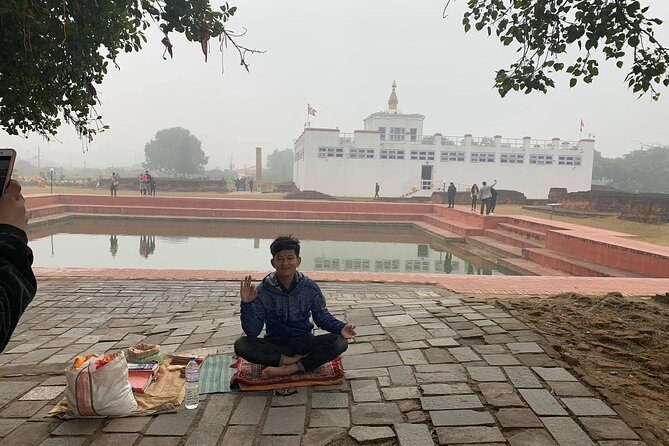
Logistics decide whether a trip feels smooth or chaotic. In this case, the tour tries to remove the big stress points: pickup from your lodging area, guided sightseeing, and the return drive back.
I like the way the plan is designed for comfort:
- Private tour for your group only
- English-speaking guide managing the flow
- You’re not responsible for coordinating each separate temple stop
Even the reviews point in the same direction: people highlighted how comfortable and memorable the trip felt, crediting the organizing team for making it run well. That matches the practical setup here—someone is arranging things while you focus on the sights.
One note: you’ll still spend plenty of time in transit. So if you’re sensitive to long rides, use the guide and your free time wisely—ask where you can pause, and don’t feel pressured to “keep going” nonstop.
Food, rest, and what you should bring to make this easier
The tour handles meals with 2 breakfasts, 3 lunches, and 2 dinners. That’s huge for a place where meal timing can easily drift when you’re doing a DIY plan. It also means your energy stays more stable for Day 2’s temple circuit.
Where you’ll benefit from your own prep is what happens between meals:
- A water bottle helps
- Comfortable, grippy walking shoes matter
- A light layer is smart for early hours and indoor temple areas (you might find temples and shaded areas cooler than expected)
- Keep a small bag ready for Day 2, since you’ll be moving through multiple sites
Because you’re staying in Lumbini, you’ll also have a real evening break after Day 1. That’s not just “nice.” It changes how you experience Day 2—less fatigue, more attention to details, and fewer rushed choices.
Who this Lumbini tour suits best
This experience is a good match if you want:
- A guided Lumbini highlights route without negotiating transport all day
- A short trip that still feels complete, with two nights in Lumbini
- An itinerary that respects your time through bundled meals and hotel stay
- Comfort and organization, especially if it’s your first trip to the area
It may not be ideal if you’re the type who wants total freedom with no schedule at all. You do have some time for your own activities on Day 1, but Day 2 is a clear temple/pagoda plan.
Also, since the tour states that most travelers can participate, it’s built for a broad audience, but you should still consider how your body handles a long Day 2 and extended vehicle rides.
Should you book this Lumbini tour from Pokhara or Kathmandu?
I’d book this if you want a smooth, guided pilgrimage-style visit that fits neatly into a short window. The standout value is the combination of Lumbini hotel stay, English guide, and meals—it removes the busywork that can quietly wreck a 3-day trip. The international pagodas at World Peace Park are also a strong reason to choose a guided loop instead of trying to guess the best order on your own.
Skip it (or compare options) if you’re very price-sensitive or if you prefer a highly flexible, do-it-yourself pace for every hour. This one runs on a schedule, and the days are full.
If you’re aiming for meaningful sights with less stress, this tour is a solid plan—especially for a first visit to Lumbini from either Pokhara or Kathmandu.
FAQ
What is the duration of this Lumbini tour?
The tour lasts 3 days (about 2 nights and 3 days).
Where does the tour start from?
If you’re in Kathmandu, pickup is from the Thamel area. If you’re in Pokhara, pickup is from the Lakeside area by tourist bus/transfer.
Does the tour include hotel accommodation?
Yes. Hotel accommodation in Lumbini is included for the overnight stays.
What meals are included?
Meals included are 2 breakfasts, 3 lunches, and 2 dinners.
Is there an English-speaking guide?
Yes. A professional English speaking guide accompanies you and helps with arrangements during the tour.
What sights are visited on the second day?
On Day 2 you’ll visit Maya Devi Temple, the Japanese temple, Chinese temple, Asoka Pillar, the Buddha birth place, and other Buddha pagodas, plus the international pagodas at World Peace Park.
Are admission tickets included?
Admission tickets are listed as free for the included days/sites in the itinerary.
What is the cancellation policy?
You can cancel for a full refund if you cancel up to 24 hours before the experience start time. If you cancel within 24 hours, the amount is not refunded.