REVIEW · POKHARA
Pokhara: Sunrise Tour to Sarangkot
Book on GetYourGuide →Operated by Himalayan Smile Treks and Adventures Pvt. Ltd. · Bookable on GetYourGuide
Pokhara’s sunrise view is a real wake-up call. This short trip takes you up to Sarangkot for a first light show over the Annapurna range, then eases you back with village scenery and a temple visit in Pokhara. Two things I especially like: the way the guide frames the mountains you’re seeing, and the fact that the tour builds in a quick pause for tea or coffee before heading down. One consideration: you’ll start very early, and if clouds roll in, sunrise views can be less dramatic.
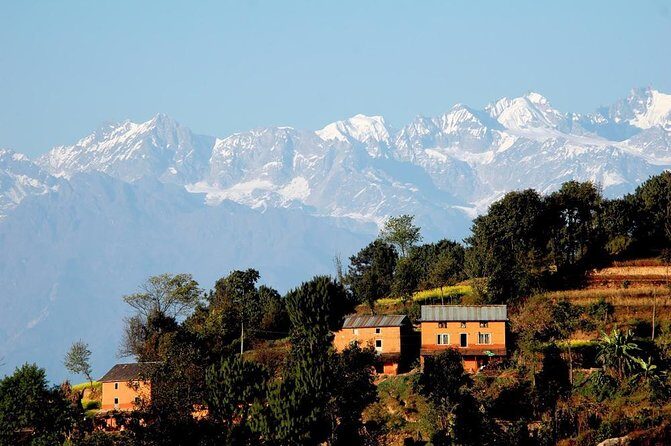
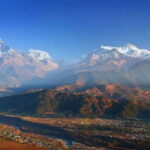
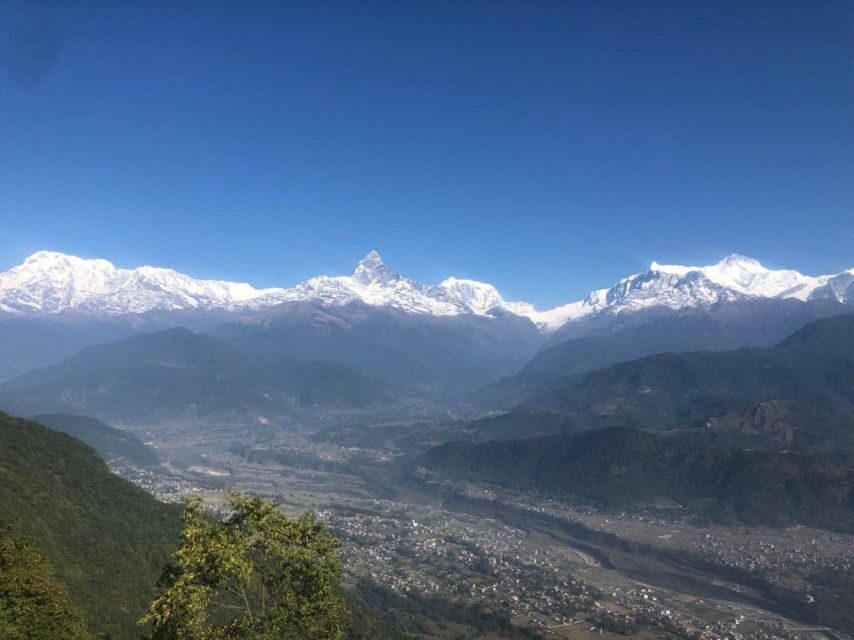
Sarangkot sits at 1,592 meters and is one of the better viewpoints for the Annapurna area. You’ll typically spot major peaks like Annapurna, Fishtail, and Dhaulagiri as the sky shifts from faint glow to full color. The return drive also matters here—winding dirt trails and small village scenes make the trip feel more local than just a photo stop. The schedule is tight (only 3 hours), so if you want lots of time hanging around the viewpoint, this may feel short.
In This Review
- Key things to know before you go
- Why Sarangkot Sunrise Works So Well at 1,592 Meters
- Getting Picked Up: The Early Start That Sets the Tone
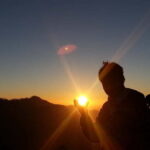
- The Sunrise Show: From Faint Glow to Peak-Color Clues
- Sarangkot Tea House Break: Short, Local, and Actually Useful
- The Ride Down Through Villages: Where the Tour Feels More Like Nepal
- Bindhya Basini Temple: A Sacred Stop With Real Time in Your Schedule
- Price and Value: Is $50 a Fair Deal for 3 Hours?
- Who This Tour Fits Best (and Who Should Skip It)
- My Booking Advice: When This Makes Sense
- Should You Book the Pokhara Sunrise Tour to Sarangkot?
- FAQ
- How long is the Pokhara Sunrise Tour to Sarangkot?
- Where does pickup happen?
- Do I get dropped back to where I started?
- Is a guide included, and what language do they speak?
- What’s included in the tour price?
- Are food and drinks included?
- What should I bring?
- Is this tour wheelchair accessible?
Key things to know before you go
- Sarangkot altitude (1,592 m) sets up a clear, early-light perspective
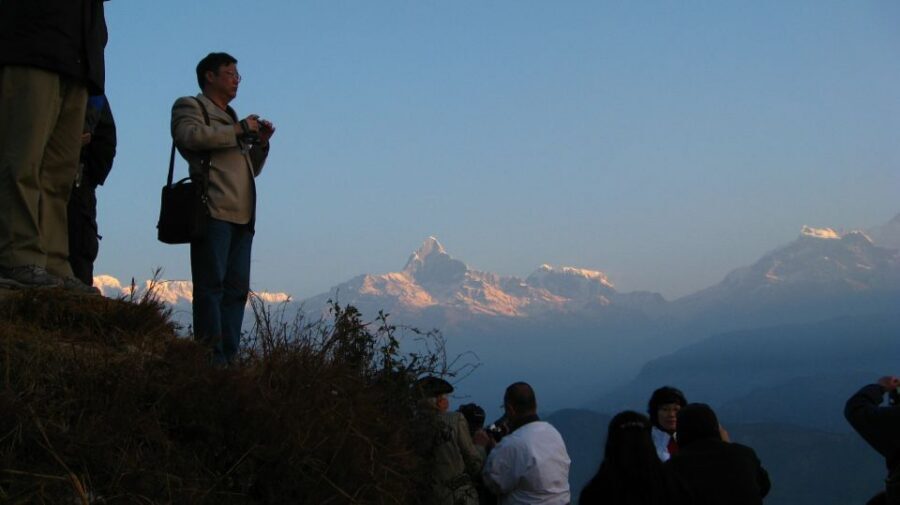
- Focused mountain viewing: Annapurna, Fishtail, Dhaulagiri, and more
- English-speaking guide with helpful, practical explanations
- Tea or coffee break in a Sarangkot tea house before you head back
- Scenic village drive on the way down, not just highway time
- Bindhya Basini Temple visit after you return to Pokhara
Why Sarangkot Sunrise Works So Well at 1,592 Meters
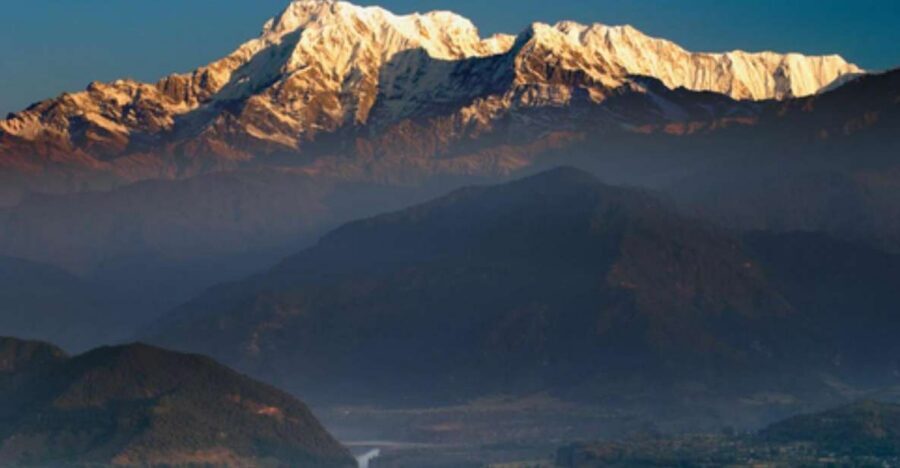
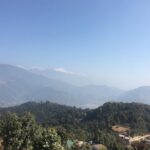
The magic of Sarangkot is that it’s high enough to feel like you’ve stepped into the mountains’ theater, but the tour still keeps the day moving. At 1,592 meters, the early light tends to hit the Himalayan skyline in a way that’s hard to replicate from down in Pokhara.
What you’re really buying with this 3-hour format is concentration. Instead of spending half a day climbing or chasing viewpoints, you’re going straight for the moment when the faint glow can slowly turn peaks into a sequence of colors. That’s the whole point of sunrise tourism here: you’re not just looking out, you’re watching the mountain lighting change minute by minute.
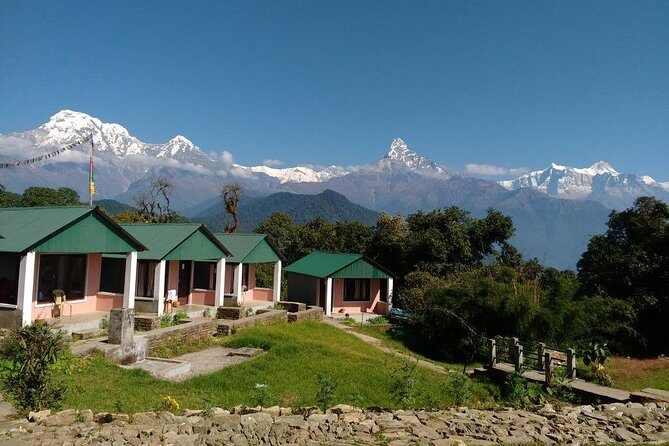
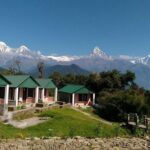
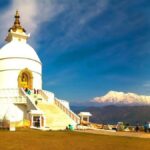
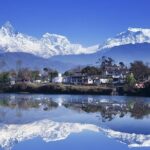
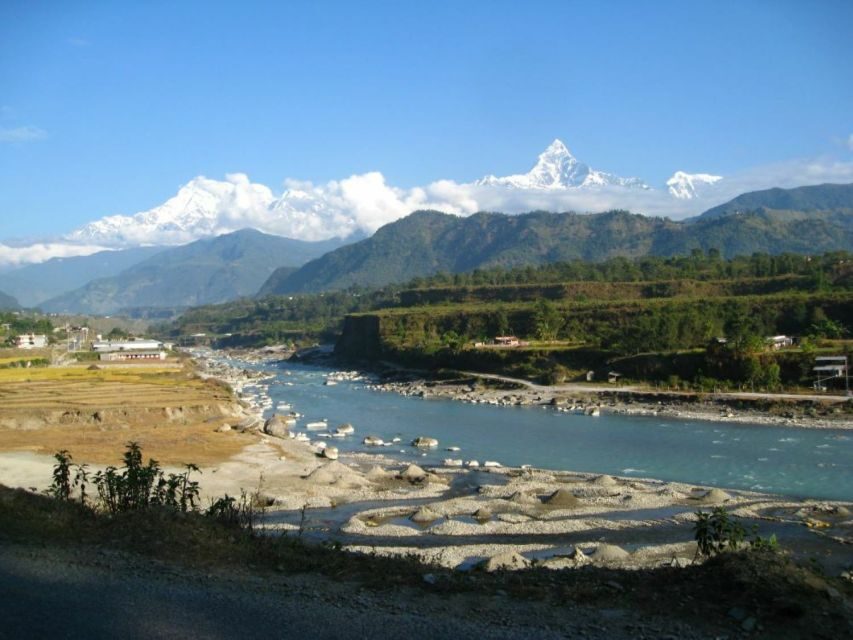
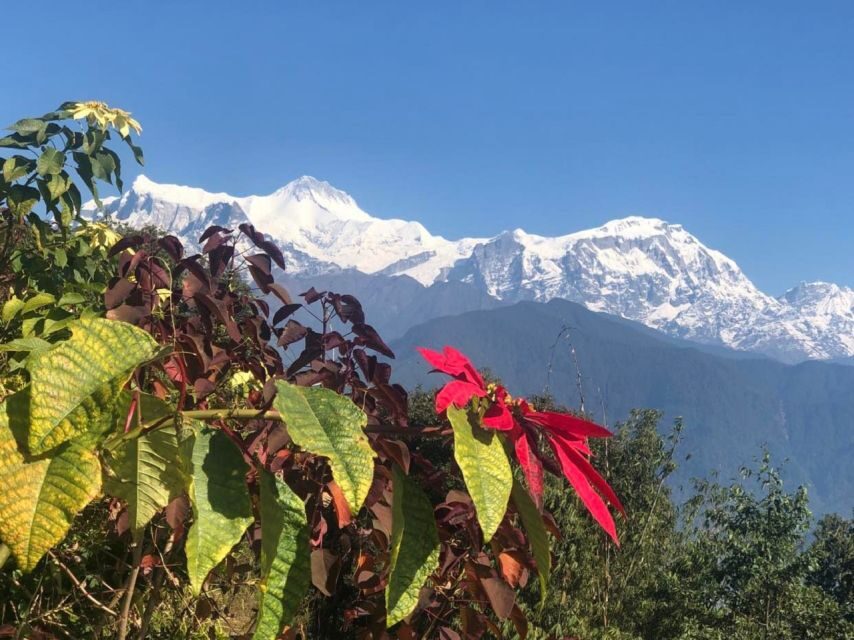
And yes, you’ll see big names. Expect views that include Mt. Annapurna, Mt. Fishtail (Machhapuchhre), Mt. Dhaulagiri, and other surrounding peaks. The mountain list matters because it changes how you look: with a guide pointing things out, you’re less likely to leave with a pile of similar photos and more likely to understand what you captured.
A few more Pokhara tours and experiences worth a look
Getting Picked Up: The Early Start That Sets the Tone
This tour is built around pickup from either Pokhara Airport or the Lakeside Road area. The key detail is that you’re picked up from your hotel, and you’ll need to share your room number a day before the tour starts.
That may sound minor, but it affects how smoothly your morning goes. Early tours can fail if communication is sloppy. Here, the process is designed to get you into the car quickly so you can reach Sarangkot early enough to settle in.
From a practical traveler’s point of view, this is also one of those times where you’ll be glad you packed the basics:
- comfortable shoes
- water
- camera
- comfortable clothes
You’ll also want to think about warmth. Sunrise means cooler air, even if midday later feels warm in Pokhara. Dress in layers so you can adjust as the sun climbs.
The Sunrise Show: From Faint Glow to Peak-Color Clues
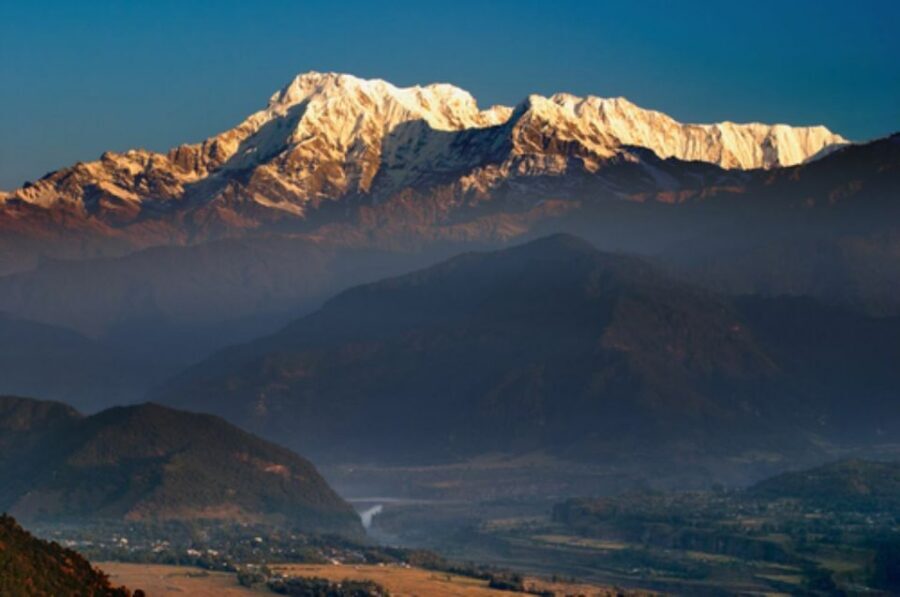
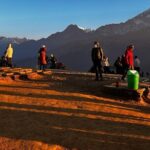
Your main event is the sunrise viewpoint from Sarangkot, with about 2 hours centered on being there, watching, and learning.
The way the tour describes the experience is straightforward: the sun’s first light starts faint, then gradually illuminates the peaks in a medley of colors. In real life, that usually means you’ll want to be patient for those early minutes when the scene looks almost the same—until it doesn’t.
This is also where the guide earns their pay. In at least one case, you may be guided by Dubanath Neupane, who’s noted for strong mountain knowledge and an approach that’s humble and helpful. When a guide can explain what you’re seeing (not just point), you end up with a better memory. You’re not only watching sunrise—you’re also learning where the peaks sit and why Sarangkot is such a common choice for first light over this region.
There’s one real-world factor you should keep in your mind: the clarity of the sky. Clouds can soften or hide distant detail. If the day is clear, the view can be dramatically crisp, and you’ll feel like you’re watching the Himalaya wake up.
Sarangkot Tea House Break: Short, Local, and Actually Useful
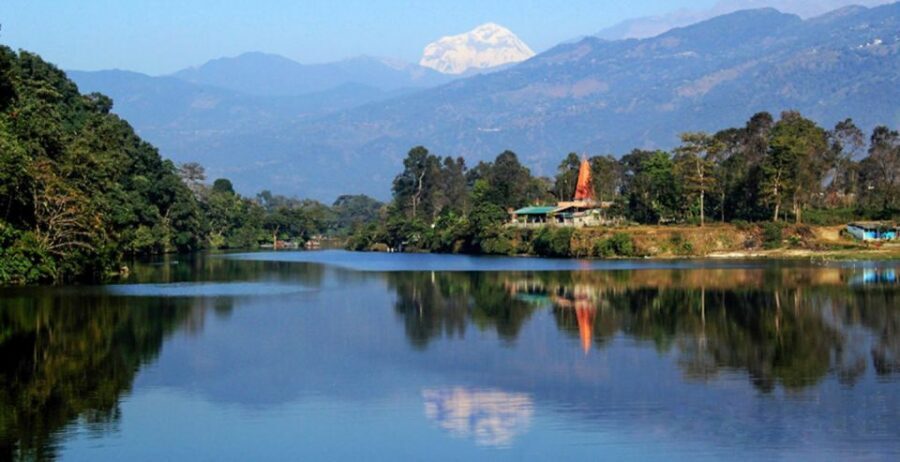
After the sunrise viewing, you’ll stop for tea or coffee in a small tea house in Sarangkot before heading back to Pokhara. This break is more than a warm-up. It gives you time to:
- refocus after the intense early viewing
- warm up your hands and body
- compare photos and try to identify peaks with the guide
Also, the tea house stop turns the morning from pure sightseeing into something closer to how the hill community experiences the moment. You’re not just consuming views; you’re pausing inside the local rhythm of the viewpoint.
If you’re hoping for a longer break, you’ll need to know the overall tour is 3 hours total. So this stop is likely short and timed to the return schedule. Still, for most people, it’s the right length—enough to reset without losing the day.
The Ride Down Through Villages: Where the Tour Feels More Like Nepal
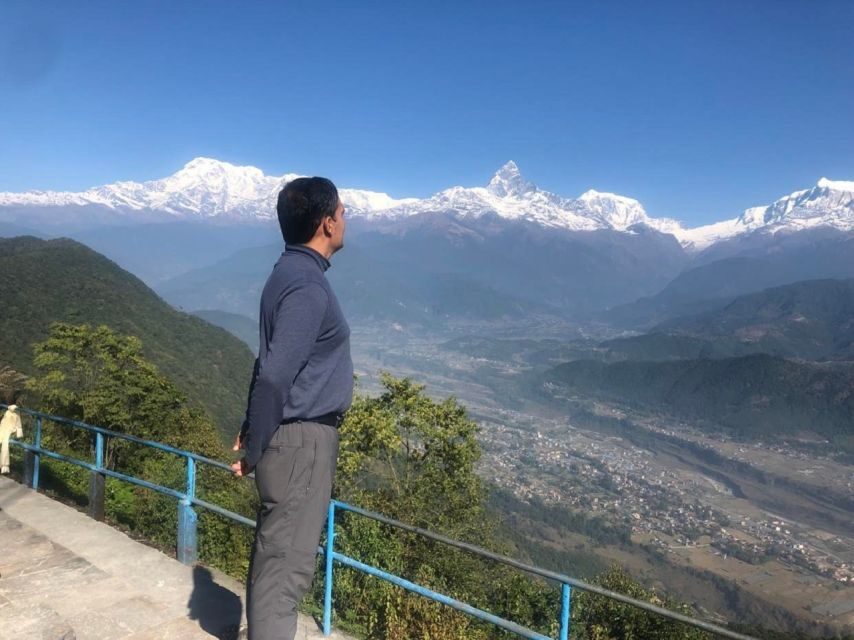
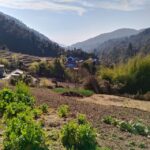
The return journey is built as a scenic drive through small villages, with winding dirt trails and lush forests mentioned as part of what you’ll pass. That detail matters because the experience isn’t only “go up, look, go down.” You’re moving through the countryside.
This section also gives you a different kind of memory. Sunrise is the headline, but the village roads are the supporting story—every turn gives you a new glimpse of everyday life away from the main tourist strip.
The tour also highlights learning about local lifestyle. While you’re not signing up for a full cultural immersion day, you still get a sense of how people live around the viewpoint routes. When the guide is good (and the ones on this experience are often described as attentive and kind), the drive can include simple, practical context—why certain areas look the way they do, what’s happening along the route, and how locals relate to the landscape.


Bindhya Basini Temple: A Sacred Stop With Real Time in Your Schedule
Back in Pokhara, you’ll visit Bindhya Basini Temple, described as the most sacred temple in Pokhara and built during the 17th century. This is a meaningful addition because it balances the natural wonder with a cultural anchor.
You can think of it like this: sunrise on the hill is about spectacle and scale. The temple stop is about continuity—how people live with spirituality and tradition right where they live, not only in distant stories.
It’s also helpful that the temple visit happens after you return from Sarangkot. By then, you’re not fighting the cold air and darkness anymore—you can experience the site with more relaxed energy and take in atmosphere before you’re dropped back at your hotel area.
Price and Value: Is $50 a Fair Deal for 3 Hours?
At $50 per person for a 3-hour tour, the big value question is what you actually get besides the view.
Here’s what’s included:
- Transportation
- Services of a tour guide (English)
- Sarangkot entrance fees
What’s not included:
- Food and drinks
- All sightseeing entrance fees (other than the Sarangkot entry you already have covered)
That price is most defensible when you care about two things: (1) a guide who helps you interpret the mountain scene, and (2) not having to manage early-morning logistics yourself. Sunrise tours are one of those travel categories where time and timing matter, and the cost can be justified by how smoothly pickup and viewpoint access are handled.
The tea or coffee break is convenient but not included, so plan a little extra if you want to warm up with a drink. For most people, that’s a small add-on compared to the cost of getting to Sarangkot and back without a structured plan.
Bottom line: if sunrise views are a priority and you want the morning to run cleanly, $50 looks like reasonable value for what’s included.
Who This Tour Fits Best (and Who Should Skip It)
This is a great match if you:
- want a short, focused sunrise experience rather than an all-day trek
- care about seeing major Himalaya peaks with guidance
- like simple cultural add-ons like the Bindhya Basini Temple stop
- prefer comfortable shoes and a manageable walking plan over steep climbing
It may not fit you if:
- you need wheelchair access. This activity is listed as not suitable for wheelchair users.
- you want lots of free time at the viewpoint or a long tea-house hang. The schedule is efficient by design.
Also, if you’re extremely sensitive to early mornings, be honest with yourself. This is an early start because sunrise doesn’t wait for your sleep schedule.
My Booking Advice: When This Makes Sense
Book this tour if your priority is getting a high-quality sunrise view with guidance, without turning the morning into a logistical project. The included transport, English guide, and Sarangkot entrance fees mean you can focus on the experience—watching the peaks appear and learning what you’re looking at.
Skip it if you already have a plan to reach Sarangkot on your own and you don’t need a guide to identify what’s in the sky. Also, if you’re traveling with very young kids or anyone who struggles with cold early mornings, think carefully about the timing and how long you’ll be outside.
If you do book, do two small things that make a difference:
- bring water and wear comfortable shoes
- dress in layers for the shift between sunrise chill and later warmth
Should You Book the Pokhara Sunrise Tour to Sarangkot?
Yes—if you want the classic Pokhara sunrise without the hassle. The experience is built around one strong moment (Sarangkot sunrise), then adds value through a short tea break, a scenic return through villages, and a real cultural stop at Bindhya Basini Temple.
Choose it if you like your tours efficient and meaningful, not long and vague. The only reason to hesitate is early-morning fatigue or if you know you’re not likely to enjoy cold conditions before sunrise.
FAQ
How long is the Pokhara Sunrise Tour to Sarangkot?
The tour lasts about 3 hours.
Where does pickup happen?
Pickup is available from either Pokhara Airport or the Lakeside Road area.
Do I get dropped back to where I started?
You’ll be dropped off at either Lakeside Road or Pokhara Airport.
Is a guide included, and what language do they speak?
Yes. The tour includes a live guide in English.
What’s included in the tour price?
The price includes transportation, the tour guide’s services, and Sarangkot entrance fees.
Are food and drinks included?
No. Food and drinks are not included.
What should I bring?
Bring comfortable shoes, a camera, water, and comfortable clothes.
Is this tour wheelchair accessible?
No, it’s not suitable for wheelchair users.