REVIEW · KATHMANDU
Everest Base Camp
Book on Viator →Operated by Rai Treks and Expeditions Pvt Ltd · Bookable on Viator
Everest Base Camp has a way of resetting your brain.
This trek is really a mix of high-altitude hiking plus Nepali culture, food, and mountain life—done with a guide team that aims to keep you feeling steady and safe.
I liked the way Rai Treks and Expeditions handles the day-to-day details, from the Kathmandu start through trekking logistics and lodge nights. Two things I especially loved: the thoughtful acclimatization rhythm (slow, sensible, and lodge-based) and the human support, with guides and porters like Devendra Rai, Mauli, DK, Bimal, and Kamal mentioned again and again for being attentive and calm.
One consideration: this is physical work at altitude, and the tour listing is clear that you should have strong fitness. If you do not like climbing for hours and dealing with basic mountain facilities, you’ll feel it.
In This Review
- Key Highlights You’ll Actually Care About
- Everest Base Camp: The Goal Is Clear, the Journey Is the Point
- Kathmandu Start: Meeting Point, Pickup, and First-Day Reality Check
- The Trek Rhythm: How Acclimatization Works Without Making It Complicated
- Lukla-to-Everest Base Camp (and Back): What a Shorter Option Usually Means
- Base Camp and Kala Pattar: The View Day That Makes Everything Else Worth It
- Food, Coffee/Tea, and the Teahouse Life You’ll Share With the Trail
- The Human Part: Why Devendra and the Guide Team Comes Up So Often
- Price and Value: What You’re Really Paying For
- Who This Trek Fits Best (And Who Should Think Twice)
- Practical Tips Before You Go
- Should You Book This Everest Base Camp Trek with Rai Treks?
- FAQ
- Where does the Everest Base Camp trek start in Kathmandu?
- What does the tour include for meals?
- How long is the Everest Base Camp trek?
- Is travel insurance included?
- Is tipping included?
- What is the cancellation window?
Key Highlights You’ll Actually Care About
- Lodge-based acclimatization that’s paced for real high-altitude hiking
- Family-like team support (Devendra Rai and crew are repeatedly praised)
- Meals included: breakfast, lunch, dinner, plus coffee and/or tea
- Base Camp plus big-view timing, including Kala Pattar in some versions
- A range of durations (roughly 10–17 days) including shorter options like an 11-day trek from Lukla
Everest Base Camp: The Goal Is Clear, the Journey Is the Point
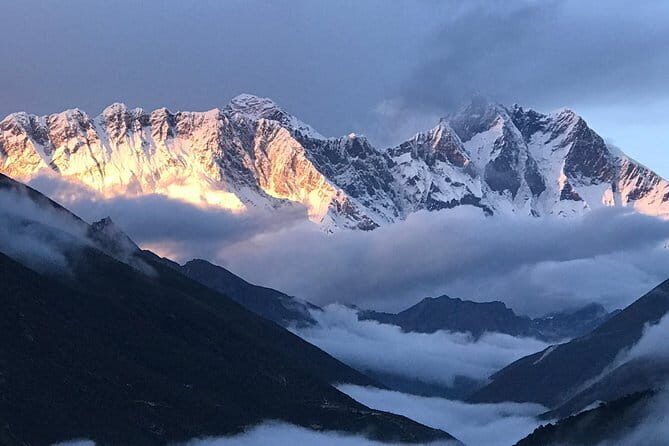
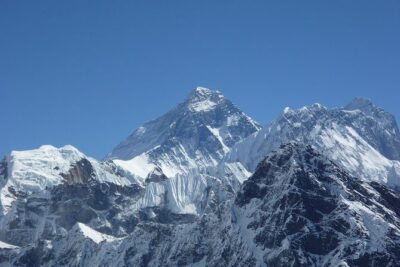
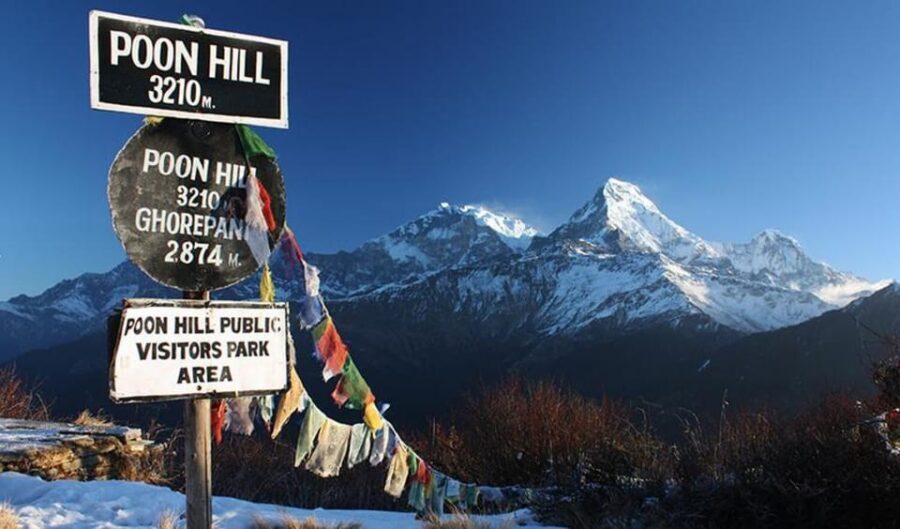
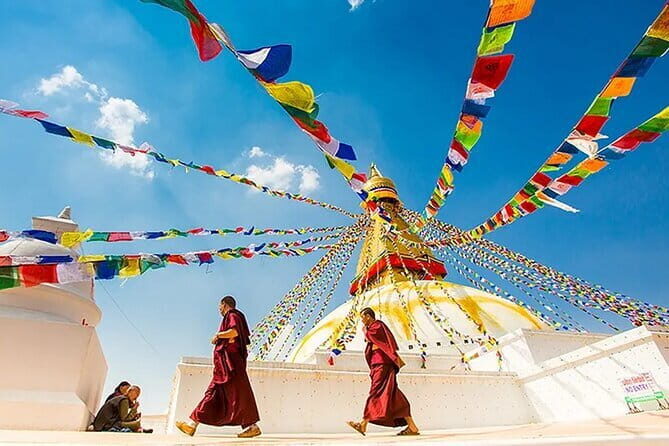
Everest Base Camp is the headline. But what makes this trip worth your time is the way the mountain unfolds along the way. You’re not just collecting photos; you’re spending days moving through villages, prayer-flags and teahouse rhythms, and the kind of quiet that only comes with real altitude.
I also like that the experience is framed around more than the summit moment. The tour description calls out culture and tradition, the lifestyle of local people, and the mountain’s natural flora and fauna. Even without turning it into a lecture, that focus changes how you watch the journey. When you know where you are in a living landscape, the trek feels less like a challenge and more like travel.
The other big win is support. The reviews highlight how safe and cared for people felt with Rai Treks and Expedition, and several names come up in that context. You can’t “out-plan” altitude, so having people who stay organized matters.
You can also read our reviews of more tours and experiences in Kathmandu.



Kathmandu Start: Meeting Point, Pickup, and First-Day Reality Check
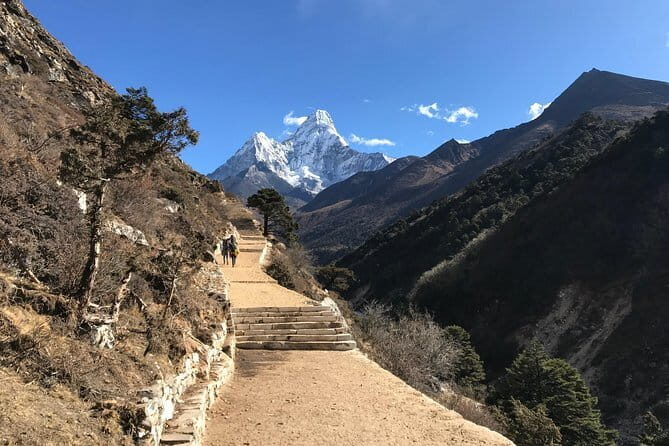
Your tour kicks off in Kathmandu with a start at 10:15 am at Tribhuvan Airport. Pickup is offered, and you’ll get confirmation at booking with a mobile ticket listed as part of the process.
This first day is not just about paperwork. It’s where you get your bearings fast: swapping logistics, checking gear, and getting a quick sense of how your team works. In a trek like this, the smallest things matter—knowing where to be, when to move, and who to ask if you feel off.
One more practical note: the tour says it’s near public transportation and that service animals are allowed. That’s useful if you’re planning for specific needs and want the situation spelled out.
The Trek Rhythm: How Acclimatization Works Without Making It Complicated
Most Everest stories skip the quiet part: the days where you’re still far from the goal, but your body is learning. Here, the trekking is structured around that learning curve. The information you’re given is simple: there’s a strong emphasis on mountains, natural life, culture, and the daily lodge routine.
From the way the experience is described, the big concept is acclimatization at lodges. That means you’ll be stopping, eating, and adjusting your pace rather than pushing hard every single day. One review called the lodge stops and acclimatization faultless, and that matches what you should look for in a well-run EBC trek.
Here’s what that rhythm tends to feel like on the ground:
- You walk hard enough to feel progress, then you recover.
- You build altitude gradually through the trekking days.
- The real progress shows up when you’re breathing better, sleeping decently, and walking with less stress.
I’ll be blunt: if you treat every day like a race, altitude punishes you. A paced itinerary gives you the best chance to enjoy the views when you finally earn them.
Lukla-to-Everest Base Camp (and Back): What a Shorter Option Usually Means
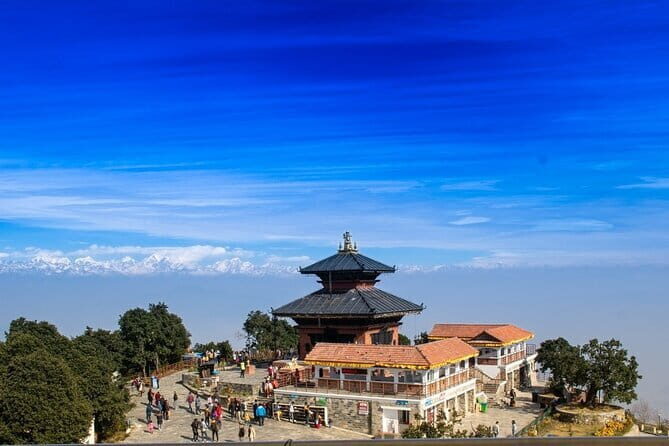
The trek duration varies, roughly 10 to 17 days, and one account describes a shorter, about 11-day style trip from Lukla to Everest Base Camp and back.
If you’re in the shorter-duration camp, expect a tighter schedule. That doesn’t automatically mean “easy.” It usually means you’ll have fewer days to smooth out your adjustment. So you’ll want to arrive fit, stay disciplined with your pace, and listen closely to your guide’s guidance.
The upside of a shorter itinerary is obvious: you’re on the trail and back sooner. If you only have a limited window and you’re prepared physically, it can be a smart value choice.
Base Camp and Kala Pattar: The View Day That Makes Everything Else Worth It
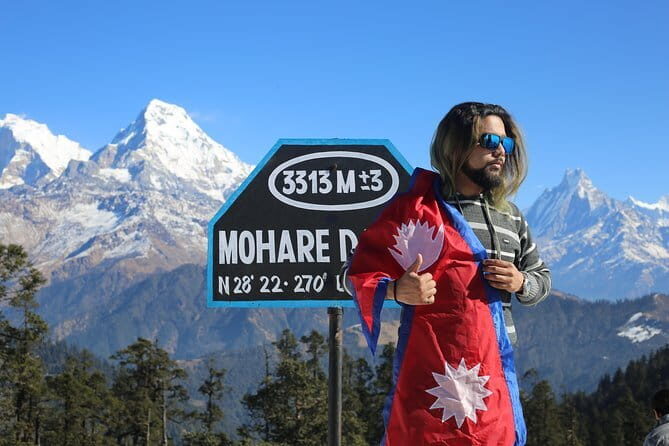
When people talk about Everest Base Camp, they often treat it like one dramatic moment. In reality, it’s more satisfying when it’s part of a sequence of big-mileage days.
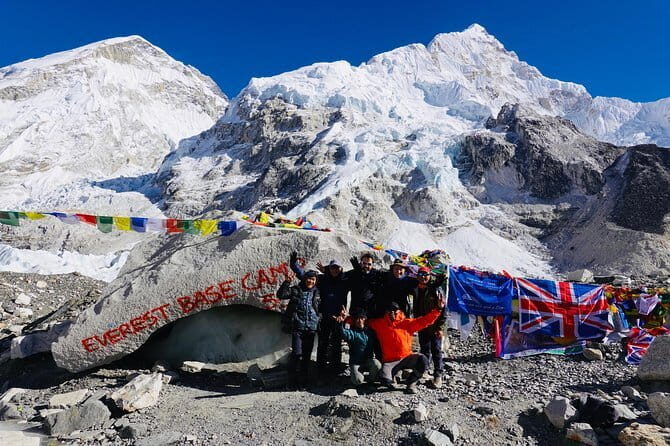
At some point, you’ll reach Everest Base Camp. One review also mentions Kala Pattar, which is a classic high viewpoint that changes your perspective on the Everest region.
What you should plan for mentally is this: the day(s) that matter most are usually built on earlier effort. You’re not suddenly at altitude without work. You’ll earn the view by showing up for the slow days too.
Even without going heavy on fantasy, I can tell you this part of the trip is the payoff. The excitement is real, but the best feeling is when your body still feels mostly functional when you arrive.





Food, Coffee/Tea, and the Teahouse Life You’ll Share With the Trail
This trek is set up so you’re not constantly wondering where your next meal comes from. It includes breakfast, lunch, and dinner, plus coffee and/or tea.
That matters more than it sounds. When you’re burning calories at altitude, you want predictable food timing. It also helps you keep moving. If you’re constantly searching for snacks, you lose rhythm and energy.
On the flip side, beverages come with limits. The listing says all beverages including mineral water and alcoholic drinks are not included. That means you should budget for water and optional drinks separately, and you should treat hydration seriously. In mountain areas, the practical reality is that water and electrolytes are part of staying well.
If you enjoy simple, hearty meals and you’re fine with basic dining setups, you’ll fit the vibe. If you need fancy menus or a lot of variety, you might find it repetitive.
The Human Part: Why Devendra and the Guide Team Comes Up So Often

Here’s where this company seems to win trust. The reviews repeatedly mention a team that shows up, checks on people, and keeps the trek organized. Names that come up include Devendra Rai, Mauli, DK, Bimal, and Kamal, plus porters like Pramod and Kamal again in the mix.
I like this because it’s not just about having a guide who can point the way. On an EBC trek, your guide is also your translator of risk. Altitude changes everything. Route details, pacing, and decision-making can turn stressful situations into manageable ones.
If you like the idea of being in good hands without drama, you’ll likely appreciate the way this team is described: attentive, encouraging, and focused on safety and comfort.
Price and Value: What You’re Really Paying For
The price is $2,389.75 per person, for a trek lasting roughly 10–17 days. That’s a lot of money, so let’s talk value in a practical way.
Included:
- accommodations
- guide and other staff
- logistics
- breakfast, lunch, dinner
- coffee and/or tea
Not included:
- international airfares
- traveler insurance
- emergency evacuation if needed
- alcoholic beverages and all beverages including mineral water
- tipping (not mandatory, but customary)
When I judge value for an Everest Base Camp trek, I don’t just look at the ticket price. I look at what you’re outsourcing: planning, logistics, staffing, and the daily grind that keeps you moving. For a complex, high-altitude itinerary, that staffing and logistics are not fluff. They are the core service.
Two budgeting realities to keep in mind:
1) You’ll need money for water and drinks that aren’t included.
2) You should also plan for insurance and know that emergency evacuation isn’t part of the package.
If you want the trip to feel smoother and less chaotic, this pricing structure can be fair—especially when the team support is consistently praised.
Who This Trek Fits Best (And Who Should Think Twice)
The tour listing says you should have strong physical fitness. That’s not marketing language. It’s the truth of altitude hiking.
This trek fits you if:
- you can hike for hours with a backpack
- you’re comfortable with lodge stays and simple routines
- you want a guided experience with logistics handled
- you like learning about local culture while you hike
You might think twice if:
- you get anxious when plans get slower or you’re not in control of pacing
- you dislike cold, basic facilities, or long walking days
- you want lots of included beverages or a more “luxury comfort” style
Practical Tips Before You Go
You’ll get the best trip if you treat preparation like part of the journey.
Bring:
- gear that works well in cold and wind
- layers you can adjust as you climb and descend
- a steady pace mindset
Most importantly, follow your guide’s guidance on pacing and altitude. One theme in the provided information is that success comes from listening and taking acclimatization seriously. If you do that, your experience is much more likely to feel rewarding instead of punishing.
Also, plan your expectations: the trek includes culture, lifestyle, food, and mountain nature. You’ll see the world change day by day, but not in a theme-park way.
Should You Book This Everest Base Camp Trek with Rai Treks?
If you want a guided Everest Base Camp trek that prioritizes organization, acclimatization, and real team support, I’d say it’s a solid booking choice. The consistent praise for people like Devendra Rai, Mauli, DK, Bimal, and Kamal suggests you’re not just buying a route—you’re buying care and coordination.
Before you hit the confirm button, make sure you can handle the physical side and the altitude reality. Also, budget for what isn’t included: mineral water and other beverages, plus insurance and any emergency planning on your side.
If that all checks out, this is the kind of EBC experience where the mountain finally feels personal, not just impressive.
FAQ
Where does the Everest Base Camp trek start in Kathmandu?
The start point is Tribhuvan Airport in Kathmandu, Nepal, with a start time of 10:15 am.
What does the tour include for meals?
The package includes breakfast, lunch, and dinner, plus coffee and/or tea. Alcoholic beverages and all beverages including mineral water are not included.
How long is the Everest Base Camp trek?
The duration is listed as approximately 10 to 17 days.
Is travel insurance included?
No. International airfares and traveler insurance are not included, and emergency evacuation if needed is also not included.
Is tipping included?
Tipping is not mandatory, but it is customary in Nepal for guides, porters, and drivers.
What is the cancellation window?
You can cancel up to 24 hours in advance for a full refund. If you cancel within 24 hours of the experience start time, the amount paid will not be refunded.