REVIEW · KATHMANDU
Mardi Himal Trek
Book on Viator →Operated by Mosaic Adventure · Bookable on Viator
Big mountains in just five days sounds impossible. Mardi Himal makes it feel doable by packing serious Himalayan views into a tight route, so you get that postcard feeling without committing to a long, multi-week trek. I also like how Mosaic Adventure runs it with a professional guide/porter team and dependable day-by-day planning, which shows up in how smoothly the hikes and meals work. One thing to keep in mind: even though the trek is “short,” the altitude climb is still real, so moderate fitness and a calm pace matter.
You’ll start in Kathmandu (with a set meeting point) and roll toward Pokhara, then walk uphill for several days. The group stays small (up to 12), and the package covers the essentials: guide, all fees and taxes, and most meals (breakfast 4, lunch 5, dinner 4). The main budget gap is drinks like tea/coffee and bottled water, since those aren’t included.
In This Review
- Key things that make this Mardi Himal trek work
- Entering The Mardi Himal Route: what you’re really signing up for
- Price and value: what $510 covers (and what it doesn’t)
- Meeting in Kathmandu (and starting at 8:15 am)
- Day 1: Pokhara to Pitam Deurali—drive first, then climb
- Day 2: Pitam Deurali to Forest Camp—where views start to widen
- Day 3: Forest Camp to High Camp—your main altitude day
- Day 4: High Camp to viewpoint (4500m) and back down
- Day 5: Low Camp to Siding Village, then back to Pokhara
- The guide and porter factor: why it shows up in real comfort
- What’s included for meals, and why that matters on a trek
- Logistics, group size, and the “smooth trip” effect
- Who should book this Mardi Himal trek (and who should reconsider)
- Should you book this tour with Mosaic Adventure?
- FAQ
- How long is the Mardi Himal trek?
- Where does the tour start, and what time does it begin?
- Is pickup offered?
- What’s included in the price?
- What is not included?
- What is the cancellation policy?
Key things that make this Mardi Himal trek work
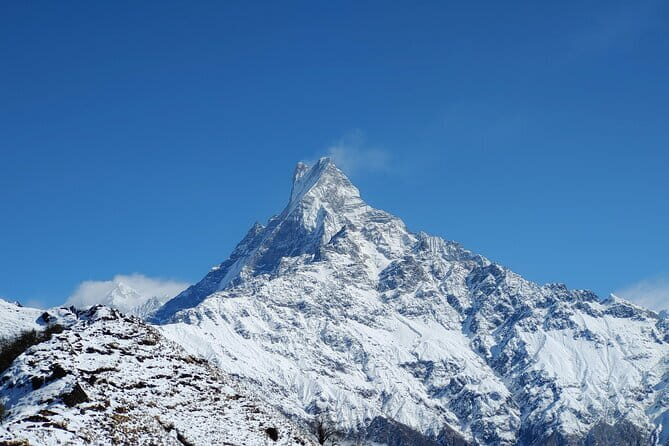
- High-view payoff in a short window: you move through the best viewpoints without spending weeks on the trail.
- Guides and porters who handle the details: reviews repeatedly praise guides like Purna, Nabin, Keshab, Krishna, and Sondosh, plus porters such as Ram and Hari.
- Meals built into the schedule: you’re not scrambling daily for food plans (breakfast/lunch/dinner are included as listed).
- Small group size: max 12 trekkers keeps the trail rhythm manageable and less chaotic.
- A clear altitude progression: you get acclimatization built into the route timing, not just a straight dash upward.
Entering The Mardi Himal Route: what you’re really signing up for
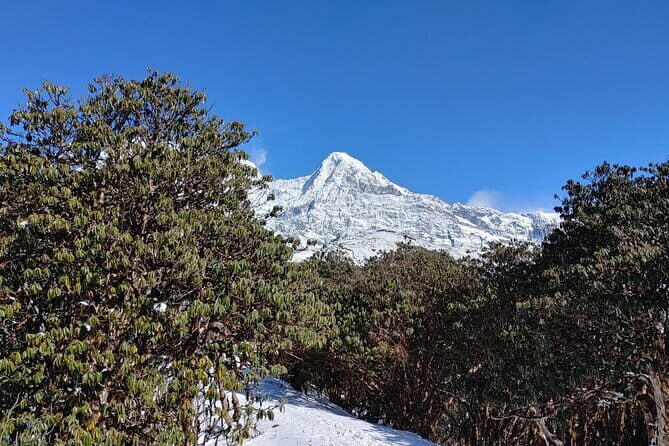
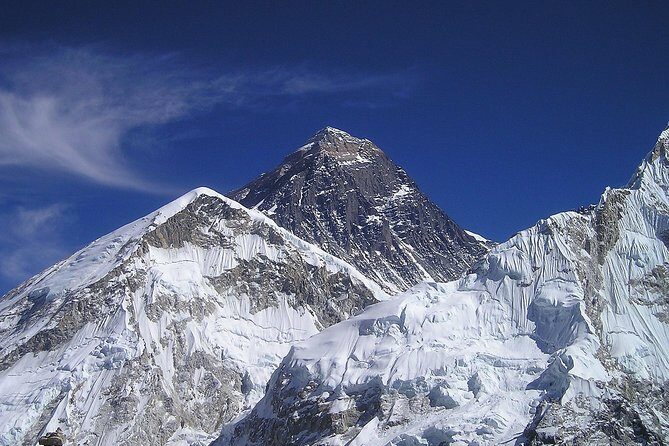
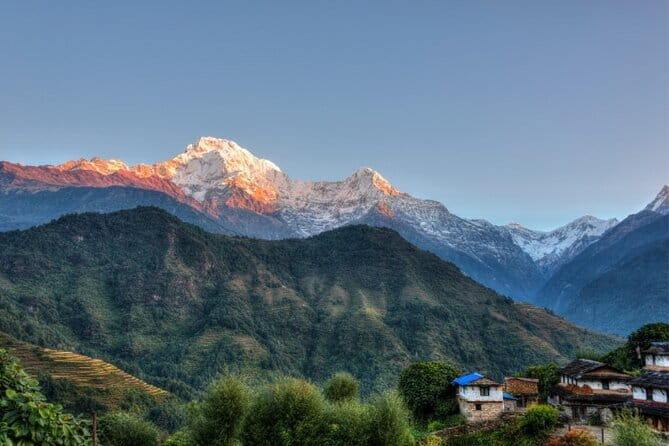
Mardi Himal is popular for a reason: you see a lot of Himalayan mountain drama without the slog of longer trekking circuits. The route rises through several camp zones, giving you changing angles on peaks as you go—from earlier viewpoints to higher, more dramatic sight lines.
What makes this experience especially useful is that the trek feels structured. You’re not left guessing where to sleep or when meals happen. Instead, you get a guided plan that matches the pace of the route: drive, trek, rest, then push higher over the next days.
You should also know what kind of “short” this is. This trek can be completed quickly if you move fast enough (some people did it in 3 days), but the standard plan is about 5 days. Either way, the tradeoff stays the same: fewer days on the trail, more focused climbing each day.
You can also read our reviews of more hiking tours in Kathmandu


Price and value: what $510 covers (and what it doesn’t)
At $510 per person, the value depends on what you hate paying for when you travel. This package includes the guide, all fees and taxes, and the core meals (4 breakfasts, 5 lunches, 4 dinners). That matters because food and guiding are usually the biggest “hidden” costs on trekking trips when you DIY.
It also helps that the group is capped at 12. Smaller groups tend to run more smoothly, and you’re more likely to get attention when questions come up about pace, weather, or how to handle the altitude day.
What’s not included is just as important:
- Beverages (tea/coffee, bottled water, and similar extras)
- Tipping
In practice, I’d plan a daily buffer for drinks. Even if you’re thrifty, you’ll want water and hot drinks, especially as the air gets colder at higher camps.
Meeting in Kathmandu (and starting at 8:15 am)
Your tour starts at Mosaic Adventure in Kathmandu, at Chi Bahal, अद्वैत मार्ग, काठमाडौँ 44600, Nepal. The start time is 8:15 am, and the activity ends back at the meeting point.
Mosaic Adventure also offers pickup, which is one of those boring logistics wins that can save you stress. If you’re trying to keep your travel day smooth, pickup plus a fixed meeting point means you spend less time negotiating rides and more time getting ready for the trek.
You’ll also receive a mobile ticket, so you’re not juggling paperwork the moment the trip begins. That’s small, but it helps when you’re moving between places fast.
Day 1: Pokhara to Pitam Deurali—drive first, then climb
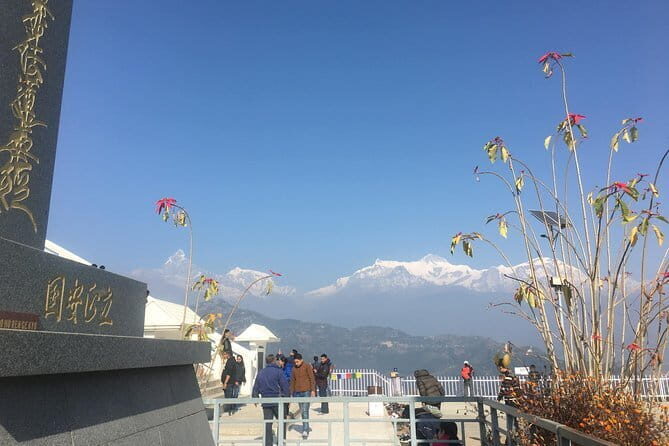
Day 1 begins with travel from Pokhara to Pitam Deurali. Expect about 1 hour of driving, then around 3.5 hours of trekking. You start at roughly 2100m (6465 ft), which is high enough to feel it in the air, but not yet the hardest part.
Why this day matters: it sets your rhythm. You get time to settle into hiking cadence before the route steepens later. Also, the first day is when nerves show up for many people—so having a guide helps you focus on steady steps instead of speed.
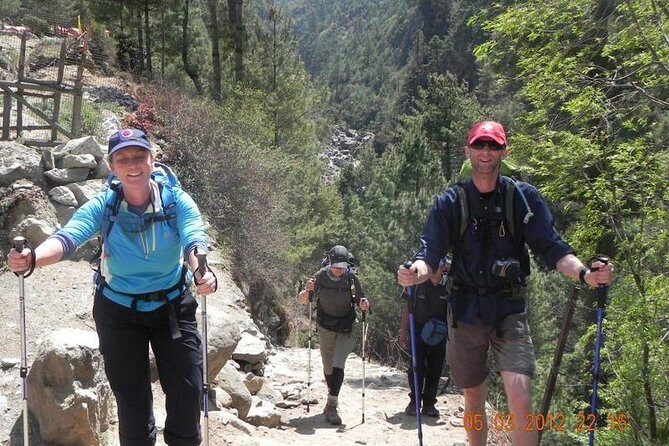
The drawback is also simple: it’s still uphill the whole way. Even without the extreme altitude, if you go too fast, you’ll feel it by late afternoon. This is where a good guide earns trust. The reviews highlight guides who are supportive and friendly, and that kind of approach helps you keep your effort even.
Day 2: Pitam Deurali to Forest Camp—where views start to widen
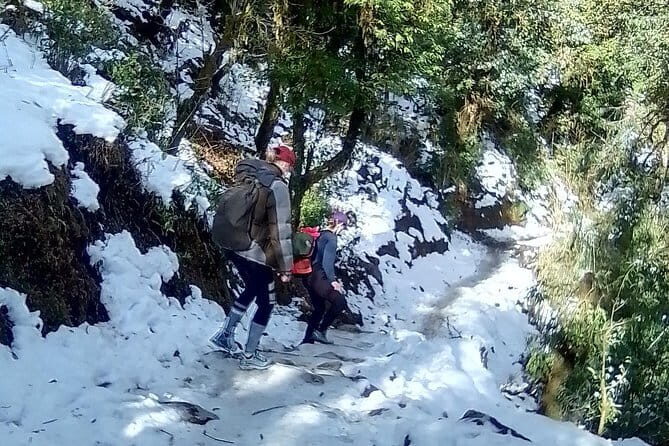
On Day 2 you trek about 4 hours from Pitam Deurali to Forest Camp, climbing to around 2550m (8365 ft). This is the day many people describe as a turning point: you’re higher, the air is sharper, and the mountain silhouettes start feeling closer.
This is also the day where the route’s “short-but-strong” design becomes obvious. Most treks take longer just to reach this kind of elevation. Here, you’re already building toward the higher camps within two days.
One consideration: 4 hours at elevation isn’t just about fitness. It’s about how you breathe and how often you stop. A guide can make a difference by encouraging micro-pauses and sensible pacing. Reviews from Mosaic’s guests repeatedly mention guides being supportive and porters staying professional—exactly what you want when your legs start to feel heavy.




Day 3: Forest Camp to High Camp—your main altitude day
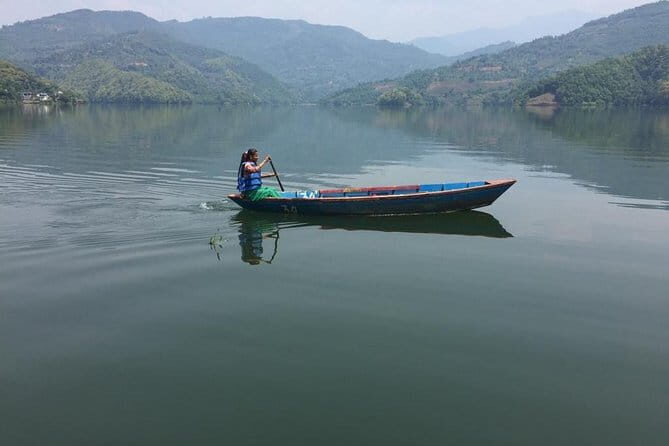
Day 3 is the longest trek segment: about 6.5 hours from Forest Camp to High Camp, rising to around 3580m (11745 ft). This is where Mardi Himal stops being a “walk” and becomes a real trek.
What you’ll notice:
- Your breathing gets louder, even on calm steps.
- The cold can rise fast, especially if clouds roll in.
- Decisions become simpler: slower pace, more water, and fewer rushed moments.
This is also the day where having a guide you trust is worth its weight in cold air. In multiple reviews, guides (like Nabin, Keshab, and Krishna) are credited with keeping groups safe and moving confidently. A good porter also helps take pressure off, which can change how you experience altitude—less strain in your shoulders often means better focus for your legs.
The drawback? It’s a long hiking day. If you’re the kind of person who pushes through discomfort to prove a point, this route will correct your attitude fast. You’ll enjoy the trek more if you treat this like a steady effort, not a race.
Day 4: High Camp to viewpoint (4500m) and back down
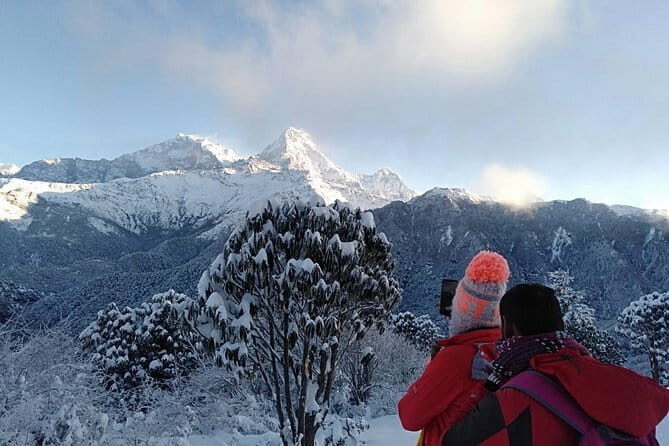
Day 4 is a classic high-altitude day: trek to a viewpoint around 4500m (14763 ft) and then return to Low Camp at about 2990m (9810 ft). Total hiking time is listed as around 6 hours.
This is where Mardi Himal earns its “best overall trekking route” reputation. Going up to a viewpoint at 4500m gives you that crisp, wide-angle feeling people chase in Nepal. And the descent back to Low Camp is what makes the day workable: you’re rewarded with height, then you regain comfort to sleep and recover.
Practical tip: viewpoints can be windy or cold. Even if the hike is hard, your comfort often depends on what you do during stops—standing still can drain energy quickly. If you’re traveling with a supportive guide, you’ll likely get reminders to pace, hydrate, and dress appropriately as the wind changes.
The other consideration: going up to 4500m means you may feel altitude symptoms if you climb too aggressively. If you know you’re sensitive to altitude, lean on your guide’s pacing instructions and don’t try to “catch up.”
Day 5: Low Camp to Siding Village, then back to Pokhara
On Day 5 you hike about 4 hours from Low Camp down to Siding Village (around 1280m / 4200 ft). Then you transfer to Pokhara for about 3 hours.
Why Day 5 is more than just an exit day: it’s where you decompress. The long descent can feel good mentally, but it’s also hard on knees and ankles if you step too fast. Take your time, keep steps short, and let the day feel easier even if it’s still long.
Then comes the travel back to Pokhara, and after that you return to the Kathmandu meeting point. Your adventure ends where it started, which is one less thing to manage.
The guide and porter factor: why it shows up in real comfort
The best part of the experience isn’t a secret. It’s people.
Across the available feedback, Mosaic Adventure’s guides and porters show up as a consistent highlight. Names like Purna (guide) and Ram (porter) appear, along with Nabin, Keshab, Krishna, Hari, and Sondosh. The themes are similar: professionalism, support, friendly attitudes, and careful handling of logistics so you can focus on the trail.
This matters because trekking success isn’t only about fitness. It’s about how the trip runs when the weather changes, when you’re tired, or when you need a nudge to keep pacing steady.
Also, the trek works best when the group stays in sync. A small group size (up to 12) can make that easier, especially on the longer altitude days when everyone naturally wants to slow down at different times.
What’s included for meals, and why that matters on a trek
This tour includes:
- Breakfast 4
- Lunch 5
- Dinner 4
That’s a helpful setup because it reduces decision fatigue. When you’re walking all day, trying to find food options or negotiate menus becomes a distraction. With meals included on most days, you can focus on hydration and staying warm enough to recover.
The one limitation is that beverages aren’t included. That’s normal on treks, but it means you should budget for hot drinks and bottled water as needed. If you’re the type who relies on tea/coffee to feel human after a long climb, factor that in.
Logistics, group size, and the “smooth trip” effect
You’re traveling with a maximum of 12 travelers. That’s big enough to feel social, but small enough that guides can actually read the group and adjust pacing if needed.
Pickup is offered, and you’ll start at 8:15 am from the Mosaic Adventure meeting point. You’ll also get a mobile ticket. None of that sounds exciting, but it’s exactly the stuff that turns a trekking plan into a relaxed trip.
The biggest practical consideration is timing. Early starts and long days mean you’ll want to be ready the night before. If you’re planning to explore Kathmandu or Pokhara the day before, keep it calm. You want sleep and hydration, not late-night plans.
Who should book this Mardi Himal trek (and who should reconsider)
This trek fits you if:
- You have moderate fitness and can handle multi-hour climbs.
- You want a high-mountain experience without a long trek window.
- You prefer a guided setup where meals and day structure are handled.
- You like the idea of seeing a lot of mountains in a relatively short time.
You might reconsider if:
- You’re very new to altitude hiking and can’t commit to a slow, careful pace on climbing days.
- Long hiking days like the 6.5-hour climb to High Camp sound intimidating.
- You dislike cold weather or windy viewpoint conditions, because Day 4 involves going higher and then changing elevations quickly.
The good news: because the route is guided and planned, you’re not doing this blind. Your guide can help you pace and manage energy. That’s a big deal on Mardi Himal.
Should you book this tour with Mosaic Adventure?
If you want Mardi Himal with less stress and more structure, I think this is a strong option. The price is fair in the context of what’s included—guide, fees and taxes, and most meals—plus the small group size keeps it manageable. Reviews point again and again to the guide and porter experience, including named guides like Purna, Nabin, Keshab, Krishna, and Sondosh, and porters like Ram and Hari. When people put their trust in the team, it shows up as smoother hiking days.
But book it with eyes open about the altitude. Even a “short trek” can push you physically. If you treat the climb like a steady process—not a sprint—this route delivers the kind of Himalayan scenery people talk about for years.
FAQ
How long is the Mardi Himal trek?
It’s listed as 5 days (approx.).
Where does the tour start, and what time does it begin?
The start is at Mosaic Adventure, Chi Bahal, अद्वैत मार्ग, काठमाडौँ 44600, Nepal, with a start time of 8:15 am.
Is pickup offered?
Yes, pickup is offered.
What’s included in the price?
The package includes a guide, all fees and taxes, and meals: breakfast (4), lunch (5), and dinner (4).
What is not included?
Beverages (tea/coffee, bottled water, etc.) and tipping are not included.
What is the cancellation policy?
You can cancel up to 3 days in advance for a full refund (based on local time). If you cancel less than 3 full days before the experience’s start time, the amount paid is not refunded.