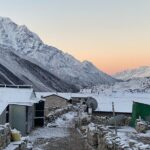
Everest looks different when you walk toward it. This 14-day Everest Base Camp trek is built around big-mountain scenery plus real human stops—Sherpa villages, monasteries, and viewpoints that change as you gain altitude—starting with a flight into the hills and ending back in Kathmandu. I especially like the way the trip mixes culture stops with the trek’s high-altitude pacing.
I also like the practical support: an experienced guide, a porter system (1 porter for 2 clients), and lodge/tea-house stays lined up along the route. Your acclimatization days at places like Khumjung and Dingboche aren’t filler; they’re there so you can move higher with less misery and more chance of enjoying the views.
One consideration: weather can slow things down, and altitude costs time. While the plan includes travel and rescue arrangements, travel/rescue insurance isn’t included, and any extra days or mountain expenses beyond the schedule won’t be covered.
In This Review
- Key things I’d plan around
- Flying Into the Right Start: Kathmandu to Lukla
- Following the Dudh Koshi: Phakding to Namche Bazaar
- Acclimatization That’s More Than a Rest Day
- Dingboche and Lobuche: The Routine Gets Real
- Gorakshep, Everest Base Camp, and Kalapatthar
- Pheriche Back to Namche, Then Lukla
- Your People Team: Guides, Porters, and Real Safety Care
- Price and Logistics: What Your $1,800 Covers
- Packing and Pacing: How to Avoid the Most Common Mistakes
- Who This EBC Trek Fits Best (and Who Might Reconsider)
- Should You Book This Everest Base Camp Trek?
- FAQ
- What is the duration of the Everest Base Camp trek?
- Where does the trek start and what time should you be there?
- What is included with the trek price?
- Are flights to Lukla included?
- What meals are included during the trek?
- How many people are needed for a booking?
- What are the minimum fitness and age requirements?
- What is the cancellation policy?
- Is this a private tour?
Key things I’d plan around
- Private airport pickup in Kathmandu plus a simple start at Tribhuvan Airport at 7:00 am
- Flights to Lukla and back (including Kathmandu/Ramachap to Lukla) to save days of hiking
- Acclimatization built in (Khumjung and Dingboche) so you’re not just grinding uphill
- A high-wire payoff day: Everest Base Camp plus Kalapatthar’s big views
- Strong people support: guide with porter help, first aid kit on hand, and travel/rescue arrangements
Flying Into the Right Start: Kathmandu to Lukla
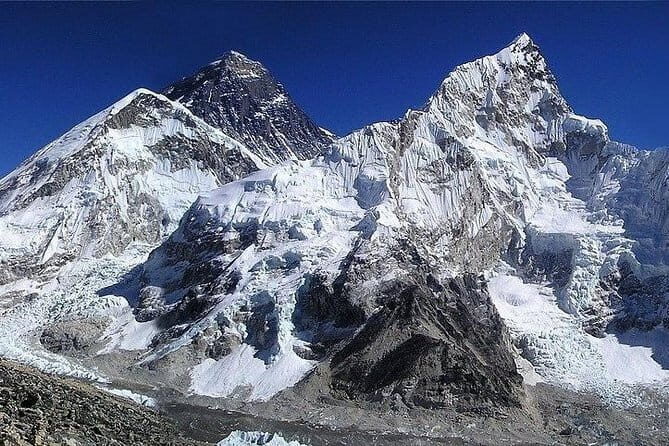
Most of your comfort on this trek comes before you even lace boots. You’ll fly from Kathmandu to Lukla, which puts you around 2,860m fast. That shortcut matters because it turns Everest Base Camp into a trek you can actually finish in about 14 days, instead of a long slog just to reach the Khumbu region.
Here’s the part you should respect: flights can be weather-dependent. The schedule is designed to move you forward, but fog, wind, and storms can cause delays. Plan for the reality that you might lose some time to the airport side of the story, and keep your budget flexible for any extra nights or meals in Kathmandu if your mountain schedule shifts.
I like that the experience explicitly includes the major flights back and forth (Kathmandu to Lukla and the Kathmandu/Ramachap to Lukla routes, plus Lukla back to Kathmandu). That’s one less thing for you to research, compare, or scramble over once you’re already tired.
You can also read our reviews of more hiking tours in Kathmandu


Following the Dudh Koshi: Phakding to Namche Bazaar
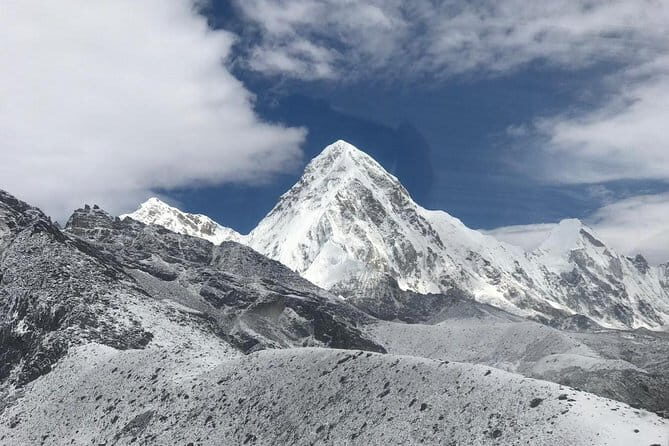
The first trekking day goes from Phakding up toward Namche Bazaar, and the route follows the Dudh Koshi River. You’ll get an early taste of what this region does well: it gives you frequent changes in scenery instead of one long, boring climb.
Phakding sits at about 2,610m, and it’s a solid warm-up. You’re moving enough to get your legs working, but it’s not the kind of day that punishes you for going too fast. You’ll also start to notice how villages here aren’t just “pretty stops.” They’re where you learn how to eat, rest, and pace at altitude—because your body is building the habit of coping.
By the time you reach Namche Bazaar (about 3,446m), the trek turns into Sherpa country in a big way. Namche is busy compared to smaller villages, and it’s a place where you’ll feel the mix of hiking and local life: people trading, resting, adjusting gear, and watching weather like it’s a sport.
Two practical tips I’d give you for this segment:
- Start your mornings slow. The higher you go, the more your effort “multiplies” even when your steps look the same.
- Use Namche as your reality check. If you feel off, you don’t “push through” just to prove something—you tell your guide and let the schedule protect you.
Acclimatization That’s More Than a Rest Day
This trek includes acclimatization days that actually match the geography. After you settle in around Namche, you’ll spend time exploring and adjusting around higher points such as Khumjung Village and areas connected to views from high lodges like Hotel Everest View.
Khumjung is about 3,880m, and that matters. Instead of forcing you straight higher, the plan gives you a chance to move up, get your body used to it, and then come back down to sleep better. This is the kind of structure that helps you enjoy later days instead of saving all your energy for survival.
Then there’s Tengboche (about 3,860m), a classic stop that rewards you if conditions are clear. It’s also where the cultural side becomes more than background scenery. Monasteries and village life sit right in the walking route, and it gives your brain a break from altitude math.
When people talk about EBC, they often focus on the top. I’d argue the better strategy is to respect these “middle” days. They’re where you learn how to breathe, how to judge effort, and how to keep your appetite when the air gets thin.
Dingboche and Lobuche: The Routine Gets Real
Once you reach Dingboche (about 4,360m) the trek starts demanding a consistent rhythm. You’ll gain altitude toward Lobuche (around 4,910m), and the days stretch longer because your body is working harder for the same distance.
Dingboche also gets an acclimatization day. This is big. At these heights, one awkward night or one too-fast morning can snowball into a rough week. An acclimatization day gives you the chance to settle into the thin air before you go even higher.
On the way toward Lobuche you’ll cross Thukla Pass (about 4,830m). Pass days are never just about elevation; they’re about timing and temperature. Winds can bite, and light can shift fast. Your best move is to dress in layers and keep moving steadily. Stop too long and you’ll cool down; stop too often and you’ll lose momentum.
I like that the route is paced with real altitude steps rather than pretending you can “just tough it out.” You’re still walking hard, but you’re doing it in a way that aims to keep you functional for the Everest summit-view day.
Gorakshep, Everest Base Camp, and Kalapatthar
This is the section you plan your whole trip around. The route goes from Lobuche to Gorakshep (about 5,160m) and on to Everest Base Camp (around 5,360m). From Gorakshep, you’ll go higher to the base camp area and then you’ll need energy for the return and the next stretch.
One thing I’d tell you plainly: your “peak” feeling at Everest Base Camp isn’t just about altitude. It’s also about mindstate. The environment is stark, the air is thin, and you’re far from most modern comforts. If you’ve done a good job pacing earlier, you’ll reach this day with enough reserves to actually take it in.
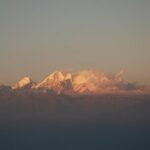
Then comes Kalapatthar (about 5,545m). This stop is famous for panoramic views, and it’s often the moment when the trek fully earns its legend. Even if your legs are tired, you’ll usually find that the view makes you stand a little taller, even while you’re shivering.
After Kalapatthar, the plan brings you back down to Pheriche (about 4,371m). That descent matters for recovery. It’s where you eat properly, sleep better, and let your body reset for the final return.
The practical lesson here: if you want great photos, plan around timing and wind, not just “how high.” Clear windows open and close fast in the Himalaya.





Pheriche Back to Namche, Then Lukla
The return leg is longer than people expect because you’re combining comfort with still-high altitude. From Pheriche you go back toward Namche Bazaar, dropping in elevation gradually so your body has time to adjust.
Namche again sits around 3,446m, and it’s a great place to feel human again. By now, you know the rhythm of lodge life, you know how to manage cold, and you’ll likely find that walking becomes less stressful than earlier days.
Then you’ll drop down toward Lukla (around 2,860m) for the flight back to Kathmandu. The lower air won’t erase fatigue, but it helps you sleep and move with less friction. If you’re the type who gets restless waiting for flights, this is where that restlessness should turn into gratitude—you’re finally out of the hardest altitude zone.
Your People Team: Guides, Porters, and Real Safety Care
A huge part of why this trek gets such strong satisfaction is the human layer. This experience is run with an experienced, helpful guide and a porter setup that’s designed to keep you moving. The plan states 1 porter for 2 clients, which is a key detail. It means you can focus on your own pacing instead of turning every day into a heavy-pack march.
The names showing up in past trekkers’ feedback often include organizer Bhagwat Simkhada and lead guide Prakash Adhikari (with assistant guides such as Urken Sherpa and other team members like Mingma or Nima, depending on the departure). I can’t promise any one person will lead your group, but I can say the pattern is consistent: guides and support staff who are present, responsive, and focused on getting you down safely when conditions change.
Safety is also addressed in the nuts and bolts. The trek includes medical supplies (a first aid kit) and travel and rescue arrangements. That matters in the real world, because altitude isn’t a theory problem. It’s a body problem.
Still, keep your expectations realistic. Travel/rescue insurance is not included, and that’s where you should do your homework before you go.
Price and Logistics: What Your $1,800 Covers
At $1,800 per person, this trek sits in the “serious bucket list” price range. The value depends on what’s included—and this plan covers a lot that would otherwise cost you time and stress.
What you’re getting for the money includes:
- Private vehicle pickup and hotel transfer in Kathmandu
- Two nights in a 3-star hotel in Kathmandu with breakfast
- Meals during the trek: breakfast, lunch, and dinner
- TIMS permit and Khumbu valley fees, plus the paper work handled by the operator
- Flights Kathmandu to Lukla and back (including the Kathmandu/Ramachap routing)
- Lodge/tea-house accommodations along the route
- Duffle bag service (returned after the trek)
- Farewell dinner with an authentic Nepalese restaurant and cultural performance
- Company t-shirts and a first aid kit
What’s not included (and you should budget or plan for):
- Nepal visa fee
- International airfare to and from Kathmandu
- Extra Kathmandu hotel nights if your schedule changes
- Meals in Kathmandu (and any extra time if you return early)
- Any extra mountain expenses if weather delays push you beyond the schedule
- Travel/rescue insurance
- Personal expenses (phone calls, laundry, bar bills, battery recharge, hot shower, bottle/boiled water)
- Tips for guide and porter
The most important value point here isn’t “meals included.” It’s that the trip handles the permits, fees, and main logistics so you’re not running around while you’re already coping with travel fatigue. For a trek like Everest Base Camp, saving mental energy is worth real money.
Packing and Pacing: How to Avoid the Most Common Mistakes
This is an all-weather operating trek, and the plan advises you to dress appropriately. That’s not just a blanket statement. High altitude means sun, wind, cold nights, and sudden changes. Layers beat one bulky jacket every time.
Practical pacing matters just as much as clothes. The best approach is to treat every day as “controlled effort,” not a personal race. When you walk higher, your body makes oxygen do more work. Your job is to keep your pace stable so you can keep eating and sleeping.
Also, plan your hydration and small comforts. Hot showers and battery recharging are listed as personal expenses, not built-in perks, so you should treat them as occasional treats, not expectations.
One more thing: you need moderate physical fitness for this trek, and the plan’s minimum age is 8 years. That doesn’t mean it’s easy for kids, just that the operator designs it for families with the right attitude and pacing.
Who This EBC Trek Fits Best (and Who Might Reconsider)
This trek is a good match if:
- You want the classic Everest Base Camp route with culture stops and well-paced acclimatization
- You prefer a guided experience where the permits, fees, and main logistics are handled
- You like having a porter system so you can focus on walking, not hauling
You might think twice if:
- You can’t deal with altitude days that ask for patience
- You’re unwilling to plan for weather disruptions (even with a solid plan)
- You’re strict about having every comfort included, because Kathmandu meals, extra nights, and personal costs are not part of the package
Should You Book This Everest Base Camp Trek?
If your goal is to reach Everest Base Camp and then top it off with Kalapatthar-level views, this is one of the better-structured ways to do it. You’re getting flights to Lukla, acclimatization days that protect your trip, and lodge stays plus meals that keep you fueled—while the operator handles permits and paperwork.
I’d book it if you’re comfortable with the idea that the mountains set the tempo sometimes. If you prepare smartly—bring the right layers, pace consistently, and sort your insurance—you’ll get the best version of this trek: scenery plus Sherpa life, with a team that’s there to help when the air gets thin.
FAQ
What is the duration of the Everest Base Camp trek?
The trek is listed as 14 days (approx.), with flights and trekking days structured throughout the period.
Where does the trek start and what time should you be there?
The experience starts back at the meeting point in Kathmandu (Tribhuvan Airport). The start time is 7:00 am.
What is included with the trek price?
Included items cover airport pickup and transfers in Kathmandu, two nights in a 3-star hotel with breakfast, trekking meals (lunch, dinner, and breakfast), TIMS permit and Khumbu valley fees, guide and porter support, lodge accommodations, travel and rescue arrangements, a duffle bag return service, company t-shirts, medical supplies (first aid kit), and the main flights (Kathmandu to Lukla and return).
Are flights to Lukla included?
Yes. Flights are included for Kathmandu to Lukla and Kathmandu/Ramachap to Lukla, and the return flight from Lukla to Kathmandu is also included.
What meals are included during the trek?
During the trek, the plan includes breakfast, lunch, and dinner. Meals in Kathmandu are not included.
How many people are needed for a booking?
A minimum of 2 people per booking is required.
What are the minimum fitness and age requirements?
The trek requires moderate physical fitness, and the minimum age is 8 years.
What is the cancellation policy?
Cancellation is free. You can cancel up to 24 hours in advance for a full refund. If you cancel less than 24 hours before the experience start time, the amount paid is not refunded.
Is this a private tour?
Yes. It is listed as a private tour/activity, and only your group will participate.