REVIEW · KATHMANDU
Kathmandu: 7 UNESCO-Listed city sites group day trip
Book on GetYourGuide →Operated by Enticing Himalayas Travels Private Limited · Bookable on GetYourGuide
Seven UNESCO sites in one day? Sounds intense. This private Kathmandu day trip is a smart way to see major UNESCO landmarks while your licensed English guide explains what you’re looking at, not just where it is. I love the panoramic wow-factor from Swayambhunath before you hit the Durbar Squares, and I love how much room you get for questions and small detours inside each site. One thing to weigh: it’s a full day with walking and stair climbing, so it may not suit everyone.
I also like the pacing choices. You get van time between stops, plus breaks and free time sprinkled in, so you’re not constantly moving like a metronome. And because it’s a private group, the guide can respond to your pace, interests, and questions on the spot.
Plan ahead for one practical point: tickets to heritage sites are not included. Still, the tour offers skip-the-ticket-line help, which cuts some friction when you want your day to run on time.
In This Review
- Key highlights worth caring about
- How the seven-site UNESCO loop flows in real life
- Swayambhunath Stupa: skyline views and an instant sense of place
- Kathmandu Durbar Square: royal power in the middle of everyday streets
- Patan Durbar Square: Newari craftsmanship with a Hindu-Buddhist blend
- Bhaktapur Durbar Square at twilight: longer square time, slower mood
- Changu Narayan Temple: short stop, strong artistic clues
- Pashupatinath by the Bagmati River: Hindu rituals you should watch respectfully
- Boudhanath Stupa: mandala scale and the sound of chanting
- Price and value: $64 for a private guide, transport, and skip-the-ticket-line help
- Who this UNESCO seven-site tour fits best (and who should pause)
- Should you book this 8-hour seven UNESCO Kathmandu tour?
- FAQ
- How long is the Kathmandu seven UNESCO sites day trip?
- What is the price per person?
- Does the tour include hotel pickup and drop-off?
- Is a licensed guide provided, and is it in English?
- Are heritage site tickets included?
- Does the tour help you avoid the ticket line?
- What should I bring?
- Is this tour wheelchair accessible?
- Is alcohol or drug use allowed during the tour?
Key highlights worth caring about
- Hotel pickup and drop-off plus transportation included, so you’re not wrestling with local logistics all day.
- English licensed guide who can answer questions and tailor attention to what you care about most.
- Swayambhunath viewpoints first, giving you a valley-wide orientation before the palace squares.
- Pashupatinath by the Bagmati River with guided context on cremation and other Hindu rituals.
- Durbar Squares across cities (Kathmandu, Patan, Bhaktapur) where Newari craftsmanship and royal stories come through.
- A full set of UNESCO sites in one day, designed for first-timers who want the highlights without piecing it together.
How the seven-site UNESCO loop flows in real life
This is built as a tight but not chaotic circuit. You start with pickup in Kathmandu, then you move by van between each historic zone. The day is organized around seven UNESCO landmarks spread across the Kathmandu Valley, with a guided portion at each stop and then time to look, take photos, or do a bit of shopping.
Why that matters: with UNESCO sites, the difference between a “seen it” day and a “got it” day is interpretation. Your guide explains Hindu and Newari context as you go—so you’re not stuck reading plaques while everyone else sails past.
Also, don’t underestimate how quickly the day adds up. Even with breaks, you’ll spend hours on uneven stone, stairways, and crowded corners. If you’re hoping for a gentle stroll, this route might feel like a workout.
You can also read our reviews of more city tours in Kathmandu
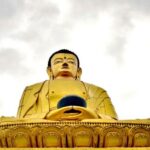
Swayambhunath Stupa: skyline views and an instant sense of place
Swayambhunath is where the whole valley story clicks. You’ll climb up to the stupa area for a guided visit and time to wander. The big payoff is the panoramic view over the Kathmandu Valley, which helps you understand how the cities relate to the surrounding hills and settlements.
This stop also sets the mood. Your guide connects the architecture and the religious importance to what you’ll see later in the palace squares and other shrines. You also get built-in breathing room—photo stop, guided tour, then free time that can include casual browsing and shopping.
A practical tip: wear shoes you trust on stairs and slick temple-site stone. You’ll want stable footing more than you’ll want perfect photo angles.
Kathmandu Durbar Square: royal power in the middle of everyday streets
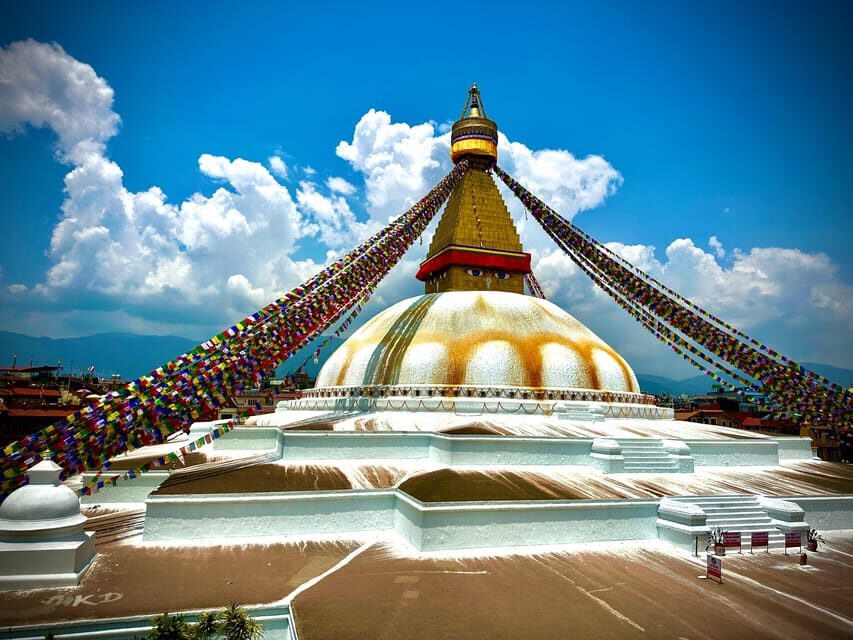
Kathmandu Durbar Square is where the “royal Kathmandu” feeling lives. Expect intricate temples and palace-style architecture packed into a historic square. Your guide’s job here is to help you read the craftsmanship—what looks decorative is often meaningful, tied to how power, devotion, and art worked together in earlier eras.
You’ll have time to explore after the guided portion. That’s important because this area is not just about one building. It’s about spatial layout: courtyards, entrances, levels, and the way people move through the space even as history surrounds them.
One consideration: Durbar Squares can be busy, and details can be easy to miss if you’re rushing. This is where a good guide earns their fee by pointing out what to look for first.
Patan Durbar Square: Newari craftsmanship with a Hindu-Buddhist blend
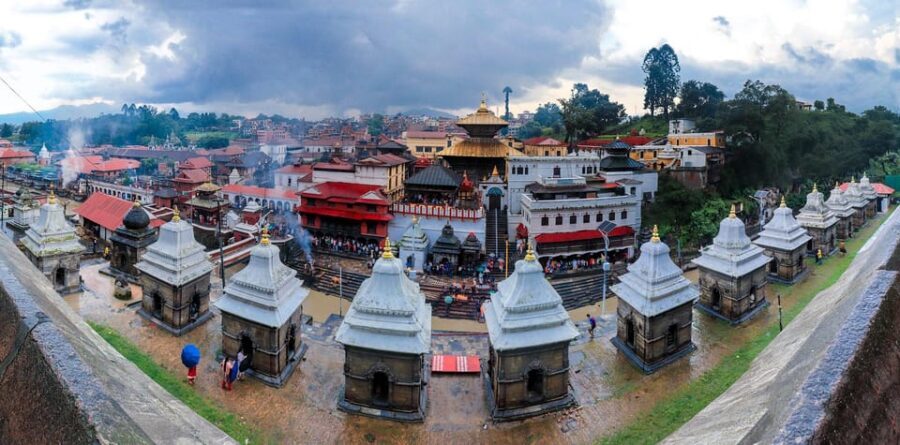
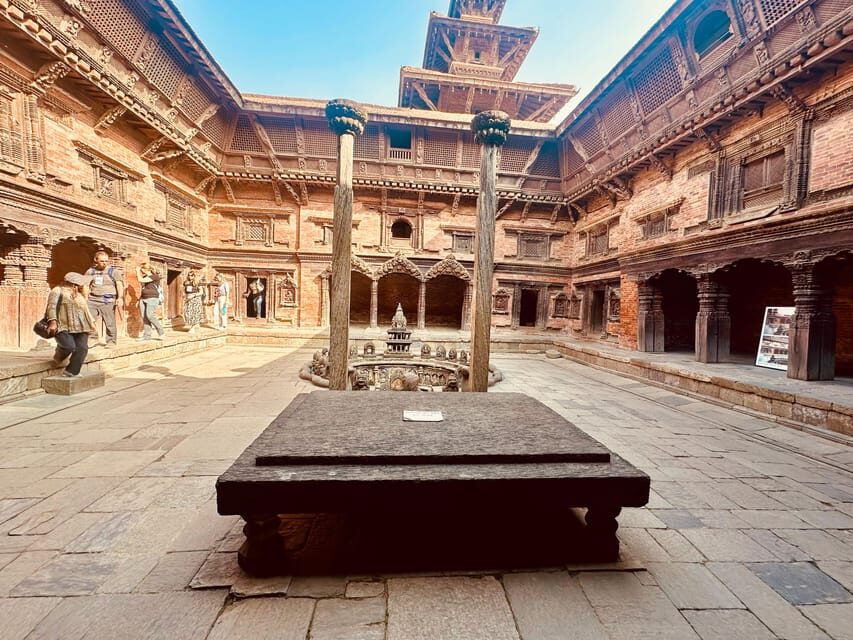
Then you head to Patan, another city whose Durbar Square rewards slow looking. Patan’s architecture is well-preserved, and the square reflects Hindu and Buddhist influences. That fusion shows up in the art and how different traditions share visual space.
Your visit includes guided context plus free time to stroll. If you enjoy architecture, carving, and symbolism, Patan often feels like the “maker’s workshop” version of Kathmandu’s monuments—less about one dramatic angle, more about details repeated and refined.
Why it’s valuable: seeing the Durbar Square concept in three different cities (Kathmandu, Patan, Bhaktapur) helps you understand what’s consistent across the valley and what changes. You start noticing the Newari design language more clearly by the second square.
Bhaktapur Durbar Square at twilight: longer square time, slower mood
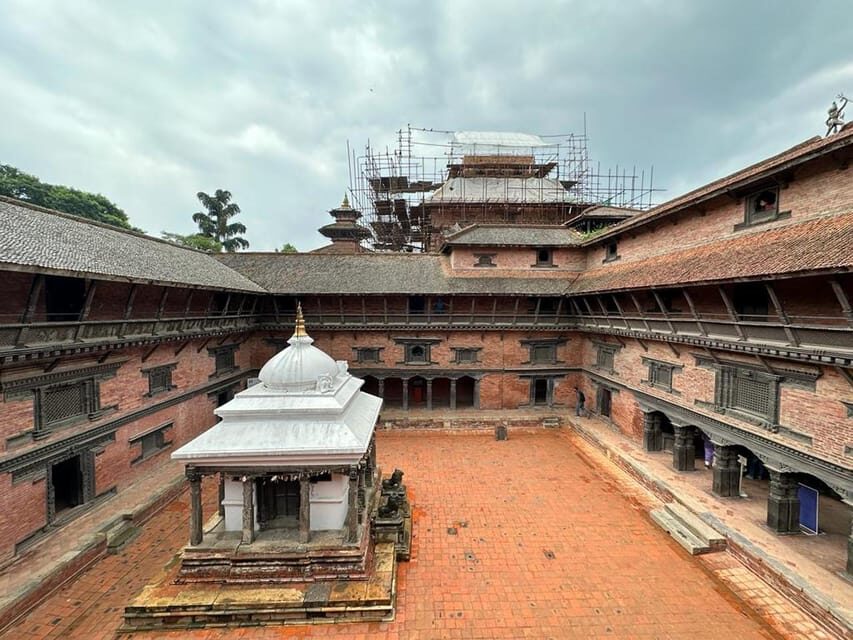
Bhaktapur Durbar Square comes later in the day, and the timing matters. The plan includes time as twilight sets in, when medieval streets and squares feel especially atmospheric. You’ll get a longer guided window here, plus a chance to wander.
This is also a good stop for “I want to just look” travelers. The square and its surroundings are made for walking, taking in doorway carvings, and watching everyday life continue around heritage sites.
Since you’re farther into the day, this is where your energy management matters most. Hydrate during van rides or breaks. If you’re running on empty, focus on a few key viewpoints instead of trying to photograph everything.
A few more Kathmandu tours and experiences worth a look

Changu Narayan Temple: short stop, strong artistic clues
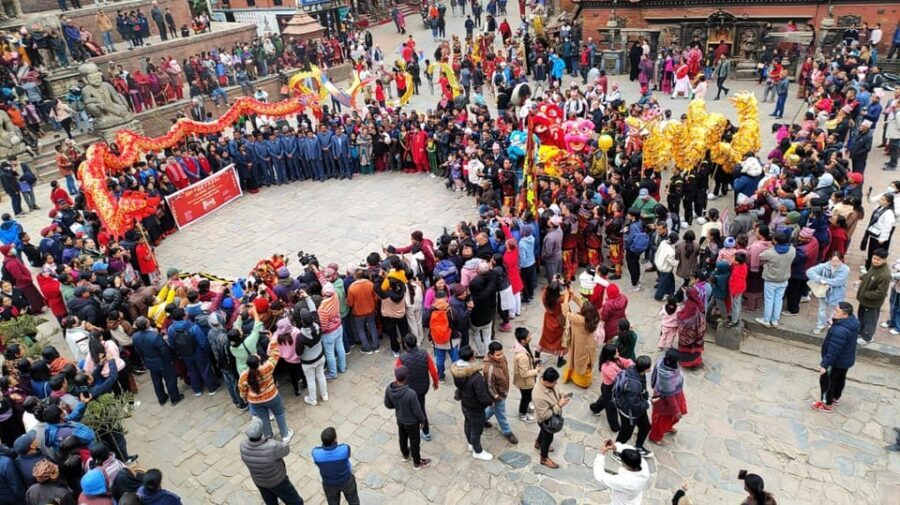
Changu Narayan Temple is the smaller, more sculpture-focused counterweight to the larger squares. You’ll get a shorter visit window, but it’s packed with things worth noticing: exquisite sculptures and ancient inscriptions.
Your guide should help you connect the art to the setting. In a day like this, a fast stop can still be memorable if someone helps you see what the carved work is doing there.
How to make this stop work for you: spend your guided minutes asking what to look for in the inscriptions and sculptures, then use free time for a second, slower look. If you skip the guided part, Changu Narayan is easy to rush past without fully registering what you’re seeing.
Pashupatinath by the Bagmati River: Hindu rituals you should watch respectfully
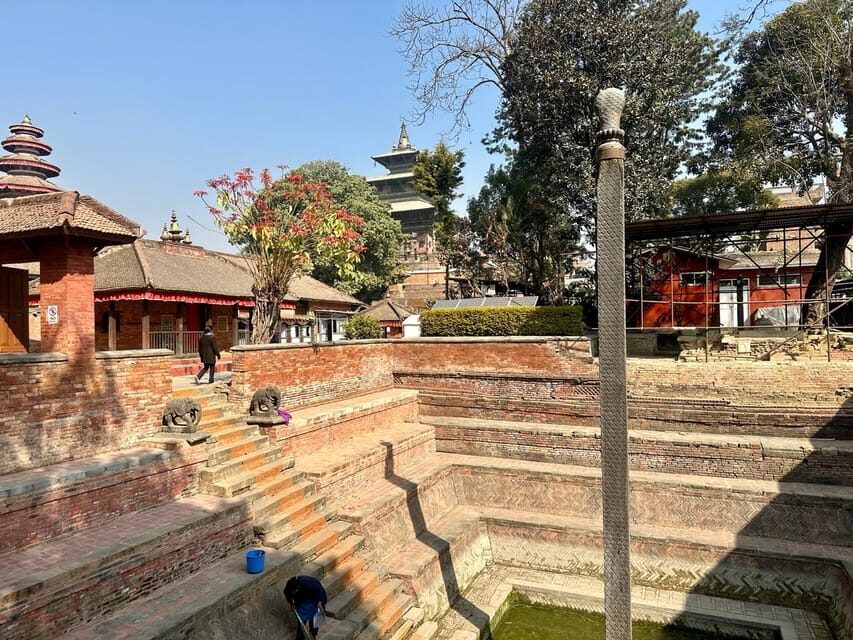
Pashupatinath is the emotional center of this itinerary. You’ll visit the temple area with guided context, including how Hindu rituals unfold along the Bagmati River, and specifically the cremation rituals and other ceremonies connected to the river.
This is not the kind of site to treat like a typical photo walk. You’ll want to watch quietly, follow your guide’s instructions, and keep in mind that this is a living religious place, not a staged attraction.
Why the guided component matters here: your guide can explain what you’re seeing and the significance of the ritual flow. That turns what might feel like a strange spectacle into a clearer cultural experience.
If you’re sensitive to ceremony-related visuals, plan your viewing time carefully. You can step back during the most intense moments and return when you feel ready. Your guide can help you find a comfortable spot while still understanding what’s happening.
Boudhanath Stupa: mandala scale and the sound of chanting
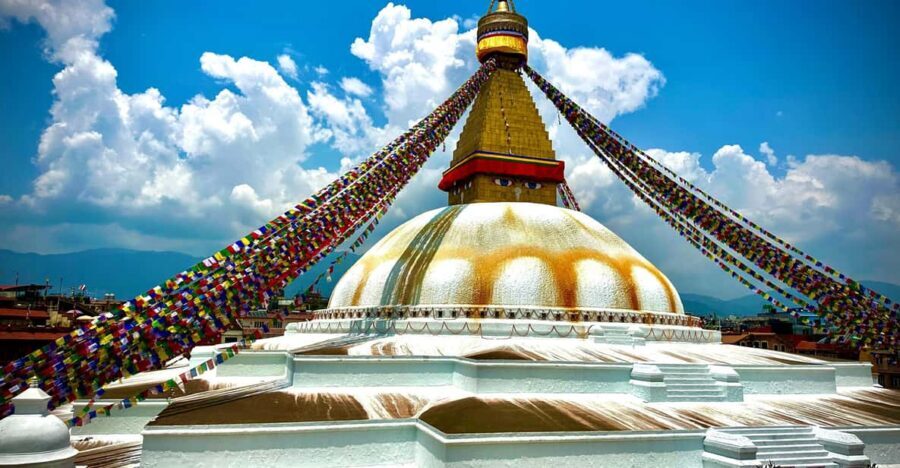
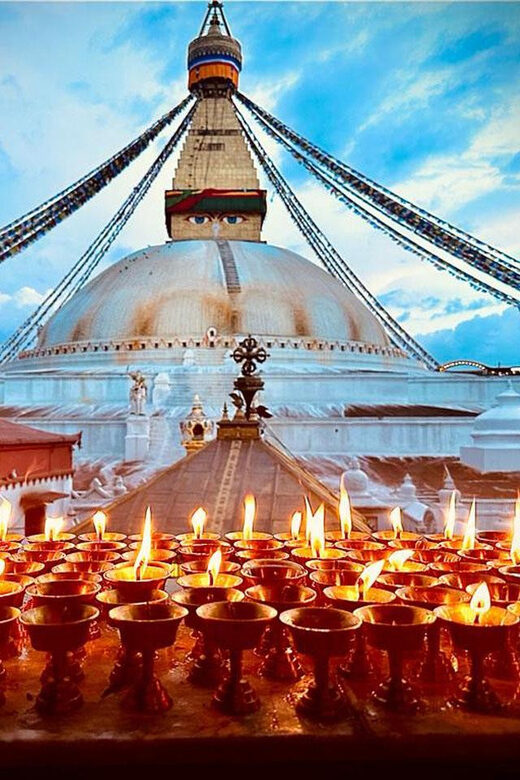
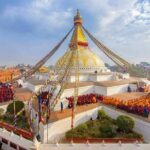
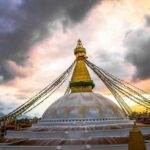
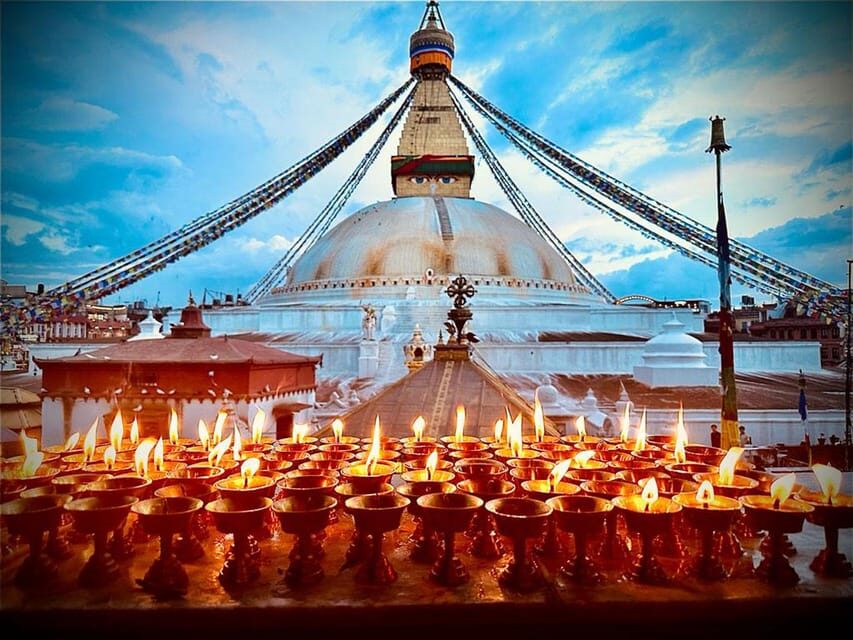
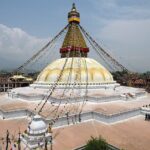
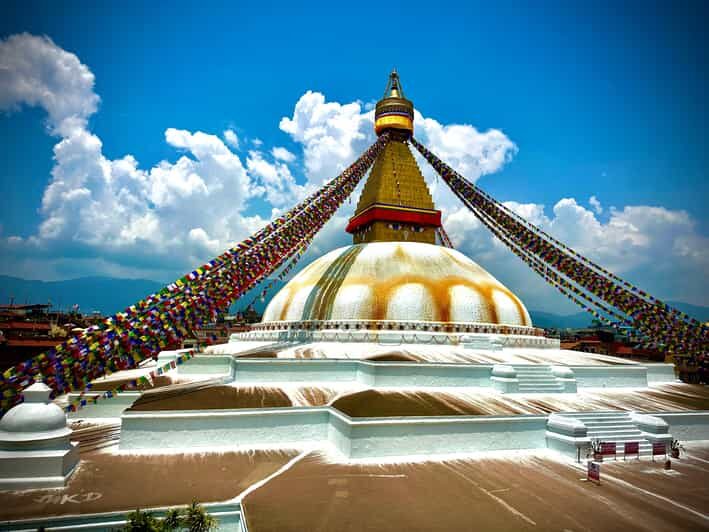
Boudhanath Stupa is your final major UNESCO-style spiritual stop. Expect it to feel huge—described as a colossal mandala—and you’ll get a guided visit plus time to move around.
One standout element is the atmosphere: rhythmic chants and devotees circumambulating the stupa. It’s one of those experiences where the sound and motion do half the explaining.
The plan also includes free time, including the possibility of shopping. That gives you a practical benefit: you can decompress, grab a snack if you need one (food isn’t included), and reset your brain before the ride back.
Price and value: $64 for a private guide, transport, and skip-the-ticket-line help
At $64 per person for a private day trip, the value comes from the package: hotel pickup and drop-off, transportation, and a licensed English guide for a full 8 hours across seven UNESCO sites.
The trade-off is that entrance tickets aren’t included. So you’ll want to budget for those on top. Even so, the “skip-the-ticket-line” support can make a real difference when you’re juggling seven stops in one day.
To judge value for you, ask this: are you likely to hire a driver and a guide and still hit all these sites efficiently? If not, this bundled approach is usually cheaper than DIY costs once you add transportation time and the value of interpretation.
Who this UNESCO seven-site tour fits best (and who should pause)
This is a great fit if you:
- want an easy first-timer overview of the valley’s top UNESCO landmarks in a single day
- enjoy a guide who can answer questions as you walk
- prefer a private group pace rather than a large group shuffle
In past experiences with this route, guides such as Karma and Mme Pooja have been praised for being responsive to questions and for bringing sites to life with clear explanations and attention to details you might otherwise miss.
It’s not a good fit if you:
- need wheelchair accessibility (this route involves walking and stair climbing)
- are pregnant
- have motion sickness
- are traveling with children under 10
One more “real life” consideration: it’s a lot of culture in one day. If you get overwhelmed in busy religious spaces or you need long quiet breaks, you might find the schedule intense.
Should you book this 8-hour seven UNESCO Kathmandu tour?
I’d book it if you want maximum Kathmandu Valley heritage with minimal planning stress. The mix of major sites—Swayambhunath, Kathmandu, Patan, Bhaktapur, Changu Narayan, Pashupatinath, and Boudhanath—is exactly the kind of lineup that helps you build a mental map of the valley fast, with context to match.
Skip it if you need a light day, have mobility limitations, or want more time per site. The route is designed for momentum, not for drifting.
If you do book, come prepared with solid walking shoes and a flexible mindset. Ask your guide what to prioritize at each stop. When you do that, this stops being a checklist tour and becomes a day you actually understand.
FAQ
How long is the Kathmandu seven UNESCO sites day trip?
The duration is 8 hours.
What is the price per person?
The price listed is $64 per person.
Does the tour include hotel pickup and drop-off?
Yes. Hotel pickup and drop-off are included.
Is a licensed guide provided, and is it in English?
Yes. A licensed guide is included, and the tour is offered in English.
Are heritage site tickets included?
No. Tickets to heritage sites are not included.
Does the tour help you avoid the ticket line?
Yes. The tour includes skip-the-ticket-line support.
What should I bring?
Bring a passport or an ID card.
Is this tour wheelchair accessible?
No. It is not suitable for wheelchair users because it involves walking and stair climbing.
Is alcohol or drug use allowed during the tour?
No. Alcohol and drugs are not allowed, and party groups are also not allowed.