REVIEW · KATHMANDU
POON HILL HOT SPRING – 10 Days Trek
Book on Viator →Operated by Overland Trek Nepal · Bookable on Viator
Sunrise at Poon Hill hits fast. This 10-day Poon Hill Hot Spring trek threads through historic village paths with big mountain payoff, then sends you to the Jhinu Danda hot spring to reset your legs. I like how smooth and “fast” the pacing feels for this region, and I like that the route is designed around viewpoints and real community stops, not just walking between waypoints.
One thing to plan for: the trip is weather-dependent, and the best moment happens early. You should have moderate physical fitness, because even if the trek is organized, you’ll still be climbing and descending day after day at altitude.
You also get a lot of the heavy logistics handled: permits, TIMS card, airport transfers, and ground transportation. That means you can focus on your pack, your pace, and hitting the views—without spending your mental energy on paperwork and route confusion.
In This Review
- Key highlights worth your attention
- Poon Hill and the Annapurna foothills: why this trek works in 10 days
- Getting from Kathmandu to the trail: meeting point, transport, and gear reality
- Day-by-day: from Nayapul to Ulleri, then Ghorepani
- Day 1: Kathmandu arrival and prep
- Day 2: Kathmandu to Pokhara by tourist bus
- Day 3: Nayapul to Ulleri (2010m)
- Day 4: Ulleri to Ghorepani (2874m)
- Poon Hill sunrise: the early uphill, the views, and the downhill grind
- Day 5: Ghorepani → Poon Hill (3210m) → Tadapani (2630m)
- Jhinu Danda hot spring and Ghandruk village: the human part of the trek
- Day 6: Tadapani to Jhinu Danda (1780m) and the hot spring
- Day 7: Jhinu Danda to Ghandruk (1940m)
- Back to Nayapul, then Pokhara and Kathmandu: finishing strong
- Day 8: Ghandruk to Nayapul (1070m), then Pokhara (820m)
- Day 9: Pokhara to Kathmandu
- Day 10: Kathmandu departure or extra time
- Price and logistics: is $1,099 good value here?
- Guide support: what to expect and how to make it work for you
- Who should book this Poon Hill Hot Spring trek, and who should think twice
- Small practical notes that can save you stress
- Should you book this trek?
- FAQ
- Where is the meeting point and what time does the tour start?
- How do I get from Kathmandu to Pokhara during the trek?
- How do I get to the trailhead from Pokhara?
- What permits and paperwork are included?
- Is a porter included?
- Does the itinerary include the hot spring?
- What meals are included?
- What transportation is included for the beginning and end of the trip?
- Is my visa or travel medical insurance included?
Key highlights worth your attention
- Poon Hill sunrise schedule built around early uphill hiking and morning mountain views
- Annapurna Conservation Area permits plus TIMS card, included for smoother entry
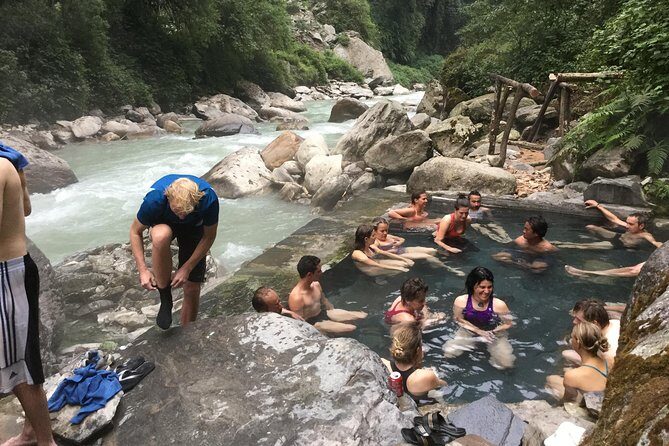
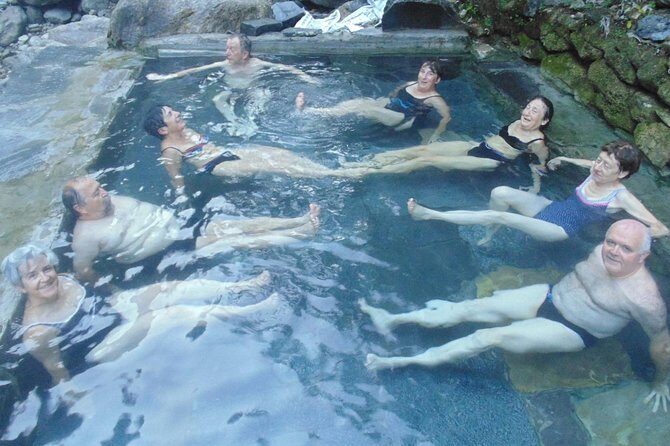
- Hot spring recovery at Jhinu Danda after a trek day, so you’re not just suffering for photos
- Ghandruk and other ethnic villages with a strong cultural feel along the way
- Porter support (1 porter between 2 people basic) and a medical kit for the group
- Private tour feel with only your group participating
Poon Hill and the Annapurna foothills: why this trek works in 10 days
The Poon Hill trek is famous for a reason. You’re walking in Nepal’s Annapurna foothills, where the trail passes through evergreen trekking routes and through historic ethnic villages that don’t feel like they’re staged just for tourists. The big idea here is simple: you get Himalayan drama without needing a multi-week commitment like some higher-altitude expeditions.
I also like how this route is positioned as relatively fast and smooth compared with longer treks. You won’t have months of wandering or intense technical climbing. Instead, you’re moving through classic villages and viewpoints, stacking a few standout days rather than dragging yourself up and down for weeks.
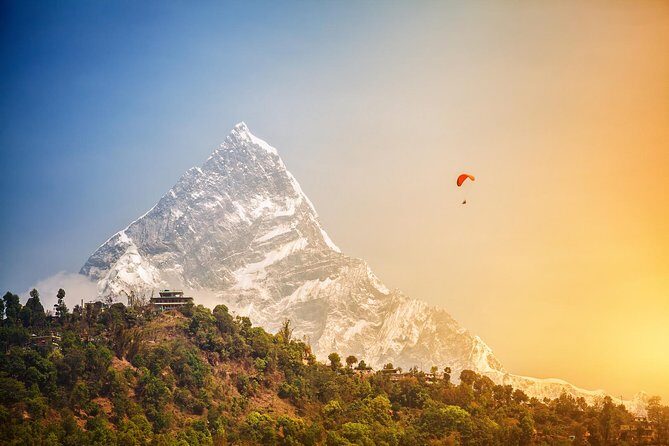
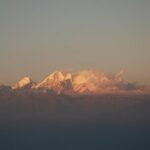
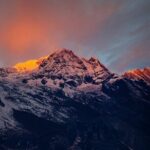
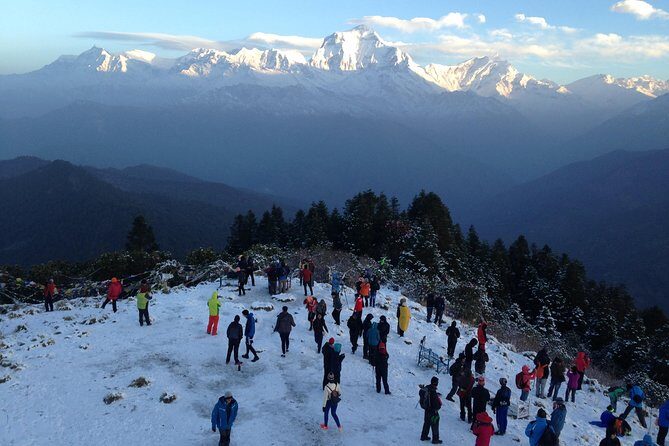
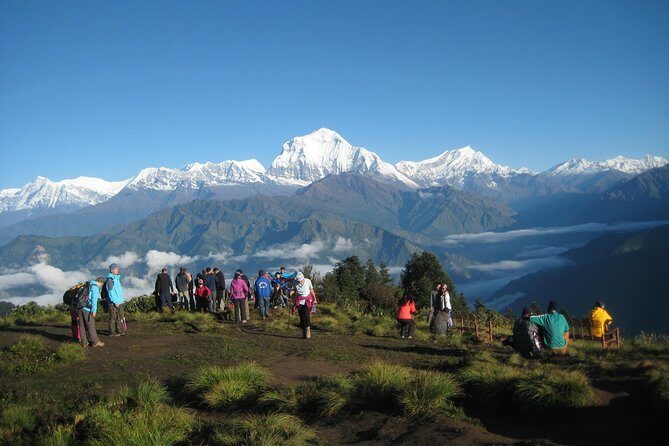
And yes, the payoff is the view. Poon Hill is the ticket: an early climb with the goal of catching sunrise over the Annapurna range. The route description also calls out Dhaulagiri as part of the broader mountain panorama you can catch from this zone.
One more reason this works for many people: the route is connected to the way trails in this area naturally feed into places like Ghandruk, and it can be reached from Nayapul via the same general corridor. In other words, the trek sits in a well-used network of trails—still beautiful, but not hard to “fit” into a 10-day rhythm.
You can also read our reviews of more hiking tours in Kathmandu


Getting from Kathmandu to the trail: meeting point, transport, and gear reality
This tour is set up around real ground travel, not just a meeting and hope for the best. You start with arrival in Kathmandu, then you transfer on to Pokhara by tourist bus, and later the return is also by tourist bus.
You meet at Thamel, Kathmandu (44600, Nepal) at 8:15 pm. That’s a key detail because it frames how the first evening works: it’s the jump-off for airport pickup/arrival transfers and getting you set for the trekking plan.
Transportation is handled in pieces:
- Kathmandu to Pokhara: tourist bus (overnight in Pokhara)
- Pokhara to Nayapul (day 3): private transport for about 1:30 hours
- Ghandruk to Nayapul (day 8): then private transport back to Pokhara
- Pokhara to Kathmandu (day 9): tourist bus
- Day 10: departure to your international airport
What’s included (and what that means in plain terms):
- Airport pickup and drop (car/van/bus)
- Trekking permits for the Annapurna Conservation Area, including Poon Hill park
- TIMS card (Trekkers Information Management System)
- Porter support: 1 porter between 2 people basic
- A medical kit and a trip certificate
- A company duffel bag and a t-shirt
- Pokhara accommodation for two nights with breakfast
What’s not included:
- Personal equipment (so you’ll still want to bring your own daypack, layers, trekking shoes, and basics)
- Travel medical insurance and emergency evacuation costs
- Tips for your guide and porter
A quick gear reality check: porter support usually means they’ll help carry some load, but you still need a pack you can hike comfortably. Also, personal expenses like hot showers and alcohol aren’t covered, so budget for small “at the end of the day” purchases.
Day-by-day: from Nayapul to Ulleri, then Ghorepani
Here’s how the trek builds, day by day, and why each section matters.
Day 1: Kathmandu arrival and prep
You arrive in Kathmandu and transfer to your hotel. This day is for preparation and sleep, not hiking. It’s also where you can get organized: confirm what you’ll carry, what you can leave behind, and how early you’ll need to wake up later.
Day 2: Kathmandu to Pokhara by tourist bus
A long travel day, but it’s straightforward. You take a tourist bus from Kathmandu to Pokhara, then overnight in Pokhara at about 820m.
This matters because Pokhara is your staging point. You’ll be more comfortable tomorrow when the trek actually starts, and you won’t feel like you’re trying to climb altitude from day one.
A few more Kathmandu tours and experiences worth a look



Day 3: Nayapul to Ulleri (2010m)
You transfer from Pokhara to Nayapul (about 1:30 hours), then begin trekking to Ulleri around 2010m.
Ulleri is one of those classic foothill stops that helps you ease into the rhythm. You’re walking, but it’s not the steepest day on the route—more like a warm-up that still gets your legs working.
Day 4: Ulleri to Ghorepani (2874m)
This is your climb day into the higher viewpoint zone. You trek up to Ghorepani around 2874m.
Ghorepani is where the whole Poon Hill sunrise story really takes shape. You’re higher now, and you’re setting up for an early morning push.
Poon Hill sunrise: the early uphill, the views, and the downhill grind
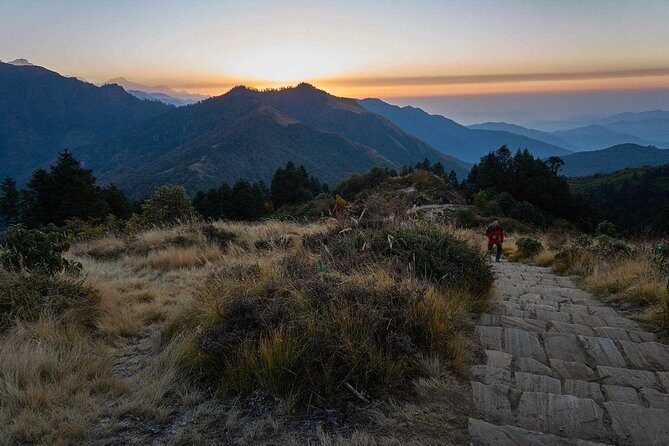
This is the core event, and it’s scheduled for the early morning.
Day 5: Ghorepani → Poon Hill (3210m) → Tadapani (2630m)
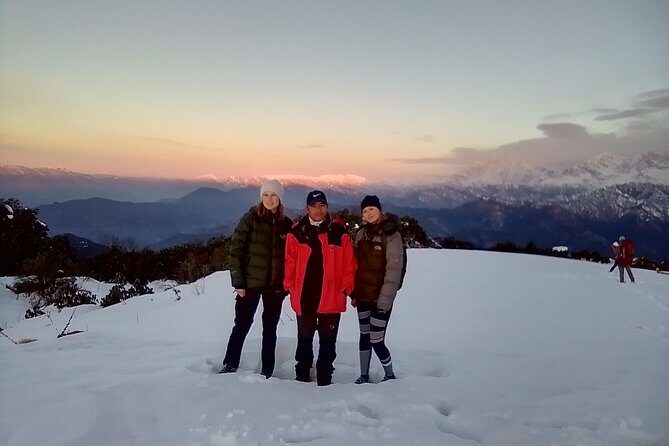
You hike uphill early for the sunrise view at Poon Hill (3210m), then descend back to Ghorepani for breakfast. After breakfast, you continue trekking down and onward to Tadapani (2630m).
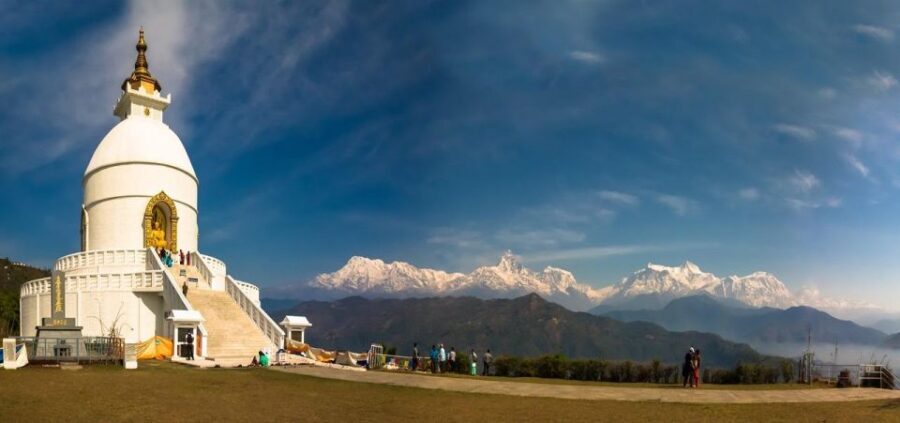
The mountain coverage is part of the excitement. From the viewpoint area, the description highlights the Annapurna Himalayan range, including Dhaulagiri (8167m) as part of the panorama you may see. The exact view can vary with cloud cover, but the goal and the payoff are consistent: you get a big-name Himalayan morning with a real sense of scale.
What I’d watch out for:
- Early starts are non-negotiable. You’ll want to be ready the night before.
- Weather matters. If clouds roll in, the sunrise becomes more about the atmosphere than the sharp mountain outlines.
- The day includes both an uphill effort and a subsequent downhill, so plan for tired legs even if the trek isn’t “technical.”
Then you reach Tadapani at 2630m. This becomes your next base for moving toward the hot spring area.
Jhinu Danda hot spring and Ghandruk village: the human part of the trek
If Poon Hill is your “wow” moment, Jhinu and Ghandruk are the “this is Nepal” moments.
Day 6: Tadapani to Jhinu Danda (1780m) and the hot spring
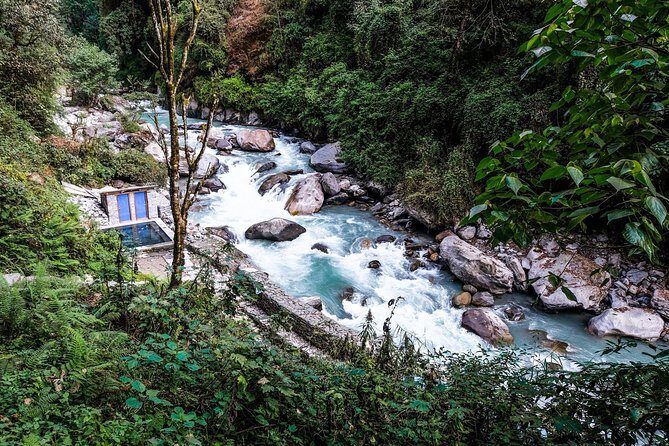
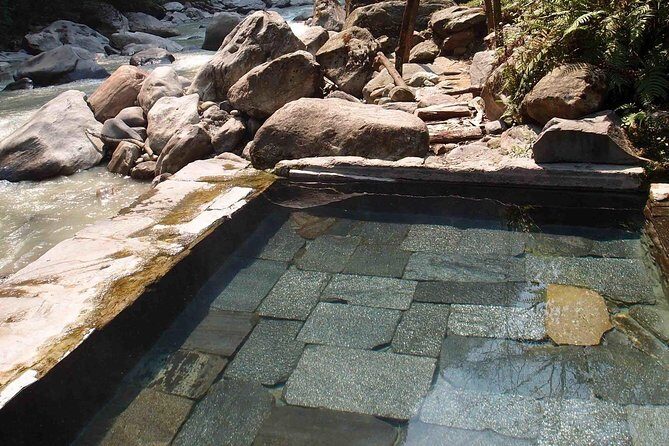
You trek from Tadapani down to Jhinu Danda (1780m). The big bonus is the hot spring stop—hot-water recovery after a day of hiking.
This is one of my favorite parts of this itinerary because it’s practical, not just scenic. After walking and carrying your own weight, soaking in hot water is like giving your body a reset button.
Day 7: Jhinu Danda to Ghandruk (1940m)
You move from Jhinu Danda up to Ghandruk (1940m).
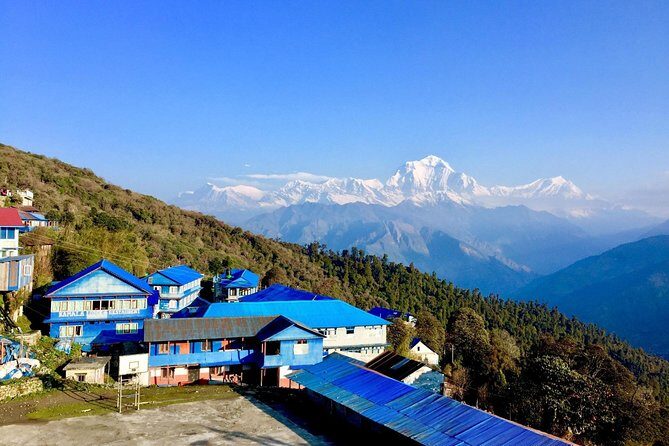
Ghandruk is the kind of village stop that makes a trek feel lived-in rather than just pass-through. The route description frames the experience as Himalayan subculture and historic ethnic villages, and Ghandruk fits that vibe: you’ll feel more grounded in community than in remote “just trees and rocks” trekking.
Day 7 is also a good “settle in” day. You’re climbing again, but you’ve got a sense of arrival because Ghandruk is an established village hub.
Back to Nayapul, then Pokhara and Kathmandu: finishing strong
This is the portion where you stop thinking about your next step and start thinking about the next meal and your final logistics.
Day 8: Ghandruk to Nayapul (1070m), then Pokhara (820m)
You trek down to Nayapul (1070m) and then travel by private transport to Pokhara (820m).
This descent is a relief for many people. It’s also a reminder that in trekking, “feels easier” still means your knees will notice the difference. Take the downhills slowly.
Day 9: Pokhara to Kathmandu
You take the tourist bus from Pokhara back to Kathmandu.
You’ve already had your last trekking day, so the travel day feels more like a transition than a mission. It also gives you time to re-orient before departure.
Day 10: Kathmandu departure or extra time
Your day is for international airport departure, or you can add extra days for shopping and sightseeing in Kathmandu.
Price and logistics: is $1,099 good value here?
At $1,099 per person for about 10 days, this isn’t the cheapest trek option, but it also isn’t just “pay us and good luck.”
Here’s what you’re paying for, based on what’s included:
- Airport pickup and drop
- Ground transportation: Kathmandu–Pokhara–Kathmandu by tourist bus, plus Pokhara–Nayapul connections
- Permits: Annapurna Conservation Area trekking entry permits, including Poon Hill park
- TIMS card
- Porter service (shared): 1 porter between 2 people basic
- A medical kit and trip certification
- Pokhara lodging for two nights with breakfast
- Meals included: 10 breakfasts, 6 lunches, and 5 dinners
- Company duffel bag and t-shirt
- Confirmation at time of booking and a private tour setup (only your group)
That mix matters. If you were to self-organize, the permits/TIMS, the transport timing, and the porter arrangements would be the parts that steal your time. This price is largely buying you reduced friction so you can focus on the trek itself.
Could the price be high for some budgets? Sure. If you’re traveling ultra-light and want to manage everything independently, you might find cheaper routes. But for many people, the included permits, organized transport, and porter support are exactly what makes the trek feel safe and smooth.
Guide support: what to expect and how to make it work for you
The information provided emphasizes porter support and a medical kit, and the included structure suggests a guided experience rather than a do-it-yourself hike.
One guide name that came up in past experiences is Nikesh Dhakal. People describe meeting him through another trekking trip and say he was amazing and accommodating, with arrangements that matched what they wanted. I can’t promise who you’ll get on your dates, but the name is a good signal that the company works with guides who care about how the trek feels, not just where the route goes.
How you can make the most of the guidance:
- Ask about the sunrise plan the night before. Weather, start time, and warm layers matter.
- Tell your guide what kind of pace you want. This route is described as fast and smooth, but “smooth” still needs to match your body.
- Use the porter arrangement smartly. If you carry less, you’ll enjoy the climb more.
Who should book this Poon Hill Hot Spring trek, and who should think twice
This trek makes sense if you want:
- Major mountain views without extreme technical climbing
- A strong mix of viewpoints and village life
- A realistic 10-day timeline with organized transport
- Hot spring recovery at Jhinu Danda
- Support for logistics and some carrying weight via a porter
Think twice if:
- You’re not comfortable with moderate fitness levels and repeated climbs/descents.
- You’re very sensitive to early mornings, since Poon Hill sunrise requires an early start.
- You have a strict view-based expectation. Weather can change what the mountains look like on the day you climb.
Small practical notes that can save you stress
A few “know this before you go” reminders:
- Pack for cold mornings around the sunrise window. Even if daytime feels fine, early uphill starts can feel chilly.
- Plan for personal costs. Hot showers and alcohol are not included, so those add up if you don’t pace yourself.
- The porter is shared (1 porter between 2 people). Don’t assume they’ll take everything; keep essentials on you.
- Expect weather dependency. If conditions aren’t good, the trek can be adjusted or canceled due to poor weather, with alternatives offered or a full refund.
Should you book this trek?
If you want the classic Poon Hill sunrise experience plus hot spring recovery, and you like the idea of having permits, TIMS, and transport handled, this is a strong match. The value is best for people who want the route run smoothly without turning the trip into a planning project.
Book it if your fitness is moderate and you’re ready for early mornings. Skip it if you can’t handle altitude walking days or you only travel when the weather forecast looks perfect.
If you’re aiming for memorable Himalayan views, real village stops, and a practical finish with Pokhara and Kathmandu transfers, this 10-day Poon Hill Hot Spring trek is built for exactly that.
FAQ
Where is the meeting point and what time does the tour start?
You meet in Thamel, Kathmandu (44600, Nepal). The start time listed is 8:15 pm.
How do I get from Kathmandu to Pokhara during the trek?
Kathmandu to Pokhara is by tourist bus. You then overnight in Pokhara.
How do I get to the trailhead from Pokhara?
On day 3, you go from Pokhara to Nayapul by private transport for about 1:30 hours, then you begin trekking to Ulleri.
What permits and paperwork are included?
The tour includes Annapurna conservation area trekking entry permits, including the Poon Hill park. It also includes a TIMS card.
Is a porter included?
Yes. Porter service is included with a basic setup of 1 porter between 2 people.
Does the itinerary include the hot spring?
Yes. On day 6, the trek reaches Jhinu Danda and includes the hot spring stop.
What meals are included?
Breakfast is included 10 times, lunch is included 6 times, and dinner is included 5 times. The tour also includes two nights of accommodation in Pokhara with breakfast.
What transportation is included for the beginning and end of the trip?
Airport pickup and drop are included. You also travel Kathmandu–Pokhara–Kathmandu by tourist bus, plus private transport between Pokhara and Nayapul connections.
Is my visa or travel medical insurance included?
No. Nepal entry visa fees, travel medical insurance, and emergency evacuation costs are not included.