REVIEW · KATHMANDU
Himalayan White Water Rafting Day Trip from Kathmandu
Book on Viator →Operated by Nepal Highpoint Trekking Private Limited. · Bookable on Viator
White water starts early in Kathmandu. This day trip trades temple time for a high-energy run down the Trishuli River, starting around Kurintar and tied to the Charaudi launch area.
I love how the operators keep it organized and safety-first with a licensed English-speaking guide plus clear briefings before you hit the water. The second big win for me is that you get a real break in the day: lunch is included, and you also have time to swim and hang out along the riverbanks.
One thing to plan for: it’s a long day because road time is a big part of the experience, with bus transfers that can run much longer than you expect depending on pickup flow and traffic. If you hate waiting, you’ll feel it.
In This Review
- Key things to know before you go
- From Sorhakhutte at 6:30am: the day-trip rhythm
- Kurintar launch and the Trishuli rapids: what the rafting is really like
- Safety briefings and guide attention: why it feels manageable
- Lunch on the river day: fueling the fun (and keeping the day from dragging)
- Price and value: is $52.86 worth it from Kathmandu?
- Getting there and back: buses, pickup confusion, and the long-day truth
- What to wear and bring for a river day in Nepal
- Who should book this rafting day trip from Kathmandu?
- Should you book this rafting day trip?
Key things to know before you go
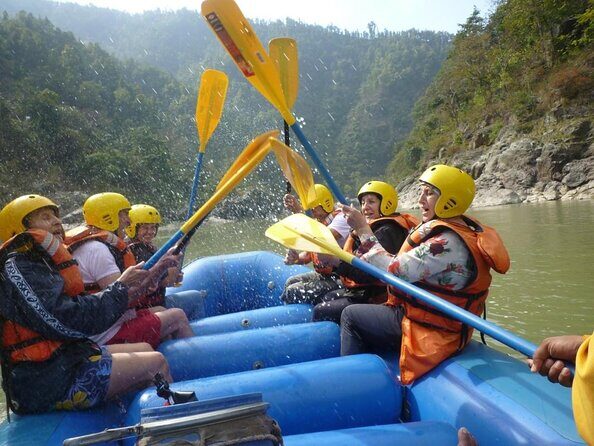
- Max 15 people: small-group feel and more hands-on attention when you’re gearing up and getting instructions.
- All levels welcome: no rafting experience needed, so you’re not “testing” your skills first.
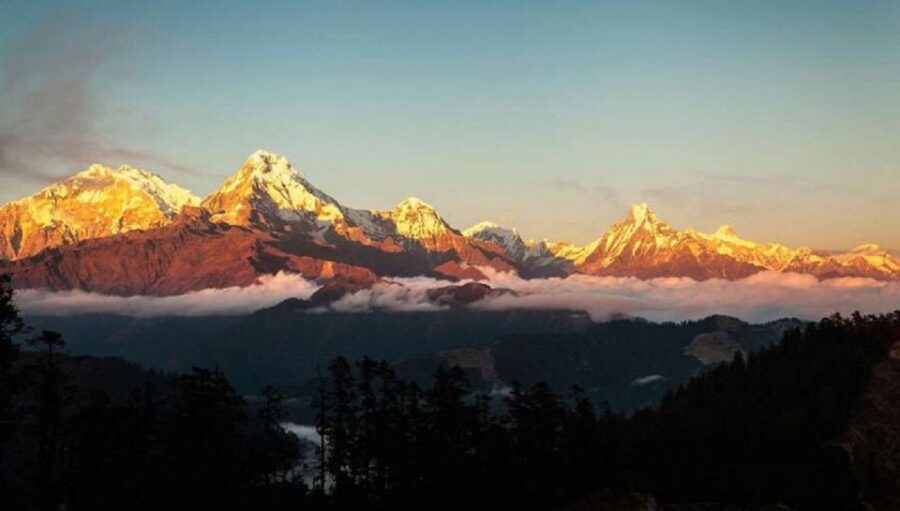
- Trishuli rapids + countryside scenery: you’re on fast-moving water but still get views of farms, villages, hills, and mountains from the river route.
- Lunch included: you’re less likely to bonk halfway through the day.
- Riverbank time: there’s built-in downtime to swim and relax rather than nonstop paddling.
- Long Kathmandu road time: expect the start-to-finish day to feel stretched.
From Sorhakhutte at 6:30am: the day-trip rhythm
This is a real day trip, not a quick half-day escape. You start at 6:30am from Sorhakhutte, Kathmandu (near public transportation), and you’re back later the same day, with drop-off around Balaju Chowk.
The value of this early start is that you’re out while Kathmandu is still waking up, and you’re set up for your raft day with enough daylight. The trade-off is obvious: you need to treat the morning bus ride as part of the experience, not just a transfer. The trip can feel rustic and real in the best way, but it also means you shouldn’t count on a short, smooth ride door-to-door.
Two practical points that will help:
- If your pick-up spot is unclear, you’ll want to confirm your exact meeting instructions a day before.
- Pack patience for a pickup-style bus route. On some departures, the group can grow along the way, which can stretch the total time.
A few more Kathmandu tours and experiences worth a look
Kurintar launch and the Trishuli rapids: what the rafting is really like
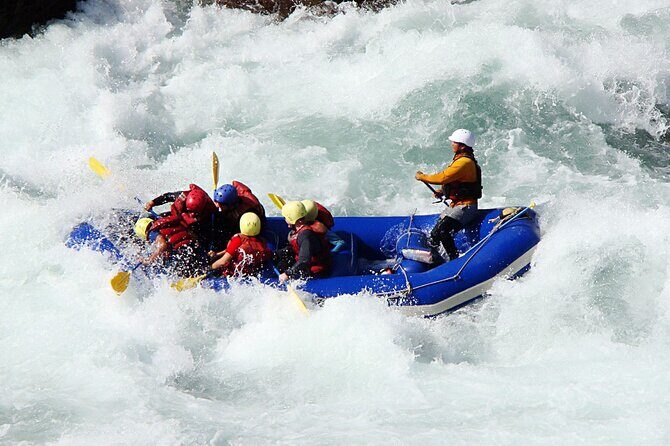
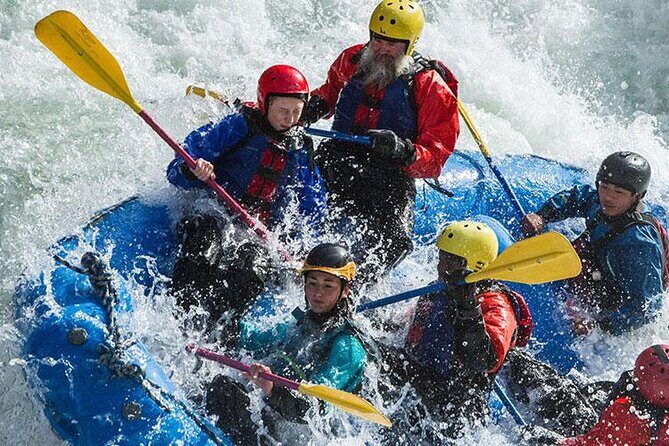
The rafting run begins at Kurintar, where you start the adventure before heading down the Trishuli River. The experience is designed for people with no previous rafting background, which matters more than you might think: it changes the vibe from “prove yourself” to “learn fast and have fun.”
What you’re going for is fast-paced scenery with real river action. The river trip takes you past farms, villages, rolling hills, and mountain views in the distance. Even when you’re focused on paddling, the environment stays active—this isn’t a calm float where you stare at the sky the entire time.
How it feels depends on the water conditions that day, but the operator’s promise is consistent: all levels are welcome. That means the instruction and pacing are built for mixed abilities. If you’ve never been in a raft before, you’ll still get the chance to try it without feeling like you’re showing up to a technical exam.
Safety briefings and guide attention: why it feels manageable
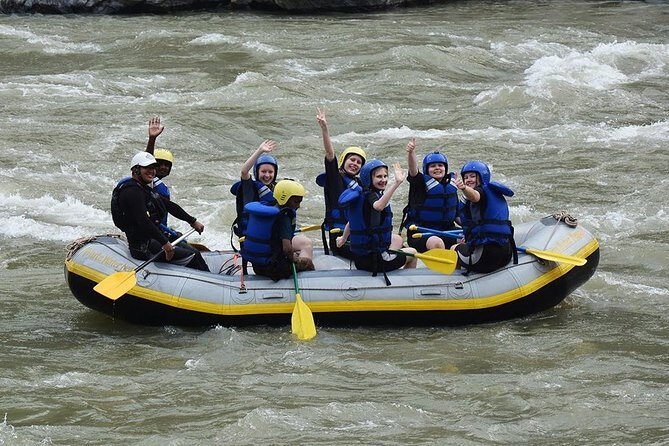
White-water rafting can look intimidating from the shore. The reason this trip works for a range of people is that you get detailed safety briefings before you launch, and you don’t feel like you’re on your own with just a helmet and hope.
You’ll also have a private group guide. In practice, that usually means you’re not lost in a giant crowd. You get clearer instructions, and you’re more likely to get quick help if you’re confused about a point (like when to paddle harder or how to position yourself). One of the most praised parts of this trip is simply how friendly and helpful the staff is—especially when you’re trying to figure out what’s happening in a fast-moving day.
Also, you’re not stuck in a closed schedule. The plan includes free time to swim and relax along the riverbanks. That’s not just a perk—it helps you reset after the more intense moments on the water.
Lunch on the river day: fueling the fun (and keeping the day from dragging)
Lunch is included, and that’s a bigger deal than it sounds. A full rafting day burns energy, and when food is part of the plan, you’re less likely to end up hungry, irritable, or running on junk snacks you brought from the city.
In the feedback you’d expect to hear: people talk about the lunch being good, and it helps the day feel complete rather than like a quick outing that ends in a vague scramble for food. There’s also a vegetarian option available—just advise in advance when booking.
Plan around this:
- Treat the included meal as the anchor of the day. If you arrive with an empty stomach at 6:30am, you’ll feel the difference when lunch finally hits.
- If you’re sensitive to long travel on an empty stomach, have a simple breakfast before you meet your group.
Price and value: is $52.86 worth it from Kathmandu?
At $52.86 per person, this trip lands in the “reasonable value” zone for Kathmandu-based adventure—especially because it bundles the parts that cost money and time when you try to DIY it.
Here’s what’s included that helps your money go further:
- Lunch included
- Well trained, English-speaking licensed guide
- Transportation from Kathmandu to the rafting starting area by tourist bus, and back by public bus
- Small-group size (maximum of 15)
Where the price can feel better than expected is when you compare it to the cost and effort of organizing separate transport, a guide, and a full-day plan. Here, you get a structured outing: briefing, rafting, and a return transfer built in.
Where you should be realistic: the value isn’t just about the raft. It’s about being okay with a long road day. Some people found the drive longer than the wording might suggest, including slower pickup patterns and longer-than-advertised bus time. If you’re the type who hates being stuck in a vehicle, you might feel like the money is paying for transport more than river time.
Still, for most people who want a true adventure day without trekking weeks to get it, this price is easy to justify.

Getting there and back: buses, pickup confusion, and the long-day truth
The biggest practical issue is the bus schedule. The trip uses a tourist bus to reach the start, and then a public bus for the return. That combination is part of what keeps costs down, but it also means your comfort level can vary.
Some people experienced:
- A longer road stretch, including a long ride out and back with possible traffic delays
- Additional stops to pick up other people, which can stretch the day even if the rafting itself is the highlight
There’s also a meeting-point reality in Kathmandu: if your hotel or pickup reference isn’t easy to find, you can end up doing a short scramble. One person had trouble with pick-up in the Thamel area because a hotel reference didn’t match what they expected. The fix is simple: reconfirm your pick-up a day before, and be ready to adjust if the operator’s meeting point differs from what your lodging desk believes.
If you want a smooth day:
- Plan to arrive early at the meeting point.
- Bring small cash for snacks or alcoholic drinks if you choose to buy them on-site (alcohol is not included).
- Wear clothing you can get wet without stress.
What to wear and bring for a river day in Nepal
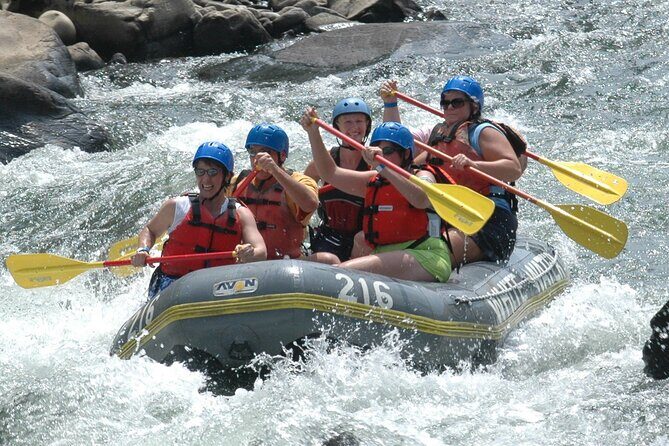
This trip includes time on and around the river, including swim-and-relax breaks. So think like you’re going to get wet, not like it’s a dry sightseeing walk.
You’ll be happiest if you bring:
- Quick-dry clothes and a spare layer for later
- Sun protection (hat or sunscreen), since you’re outdoors for hours
- Water shoes or secure footwear you’re comfortable with in a river setting
- A dry bag or waterproof pouch for your phone and essentials
- A small towel or something absorbent for after swimming
Also remember: the day starts very early. Keep your morning layer plan in mind. Kathmandu mornings can be cool, and then the sun and river activity bring the heat later.
Who should book this rafting day trip from Kathmandu?
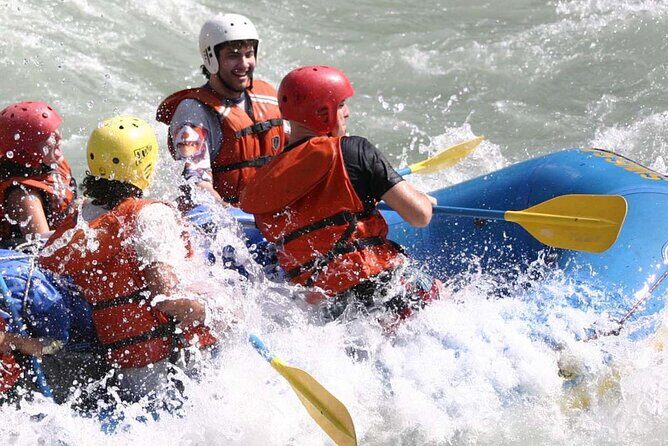
This is a strong match if you want:
- No experience necessary rafting with guidance you can trust
- A full day outdoors without committing to a multi-day rafting plan
- A break from trekking-only Nepal itineraries
You’ll likely enjoy it most if you have moderate physical fitness, since you’ll be active for much of the day, but the trip isn’t marketed as a hardcore fitness test.
You might think twice if:
- You hate long vehicle rides and quick turnarounds
- You’re very schedule-sensitive (the day can run long due to pickup flow and road conditions)
- You need a very predictable start-to-finish timeline with minimal stops
Should you book this rafting day trip?
If you want a real taste of Nepal’s adventure side in a single day, I’d say yes—book it, especially if you’re traveling with flexibility and you’re excited by the idea of the Trishuli rapids. The combination of safety briefings, a licensed guide, included lunch, and time to swim and relax makes it feel like more than just a ticket to a raft.
But if your number one priority is a short, tidy schedule with minimal bus time, you may find the logistics harder than the rafting itself. Go in knowing it’s a long day, and you’ll enjoy it more.