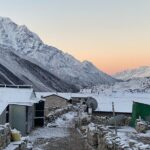
Sunrise at Poon Hill hits fast. This 3-day trek is built for easy Himalayan hiking with huge payoff: panoramic dawn views over the Annapurna and Dhaulagiri ranges, plus village walks through Gurung and Magar communities. I also like how the plan is structured so you’re not guessing what comes next, with help from the Trek Nepal Himalayas team (people like Badri coordinating details and guides such as Dhurba or Nawin supporting on the trail).
Second, you’ll get comfort-focused logistics for a short trek. Teahouses along the route keep things practical, and the included gear (like trekking poles and a down jacket during the trek) reduces the hassle of packing for cold mornings. One consideration: the sunrise view depends on weather, so clouds can steal the moment even if you do everything right.
In This Review
- Key Highlights You’ll Actually Care About
- Poon Hill Sunrise and the Annapurna–Dhaulagiri View Plan
- How the Three Days Flow: Ghorepani, Ghandruk, and Nayapul
- Day 1: Drive to Banthati, Trek to Ghorepani
- Day 2: Sunrise at Poon Hill, Trek to Ghandruk
- Day 3: Trek to Nayapul, Return toward Pokhara
- Teahouses, Meals, and Included Gear That Actually Help
- Culture on the Trail: Gurung and Magar Village Life
- Price and Logistics: What $523 Buys (and What You Still Handle)
- When to Go: Rhododendrons, Clear Skies, and Winter Reality
- Who This Trek Fits Best (and What to Consider)
- Should You Book This Poon Hill Trek?
- FAQ
- How long is the Poon Hill Trek?
- Where does the trekking start from?
- Is pickup included?
- What meals are included during the trek?
- Are trekking poles and a jacket provided?
- Is a Nepal visa included?
- What is the minimum age to join?
- Is travel insurance included?
Key Highlights You’ll Actually Care About
- Poon Hill sunrise timing: an early start with big rewards if skies cooperate
- Small group size (max 10): easier pacing, fewer bottlenecks on popular sections
- Teahouse stays with meals included: less money and planning to manage mid-trek
- Cultural route through Gurung and Magar villages: more than just scenery
- Included trekking gear: poles and a down jacket help you travel lighter
Poon Hill Sunrise and the Annapurna–Dhaulagiri View Plan
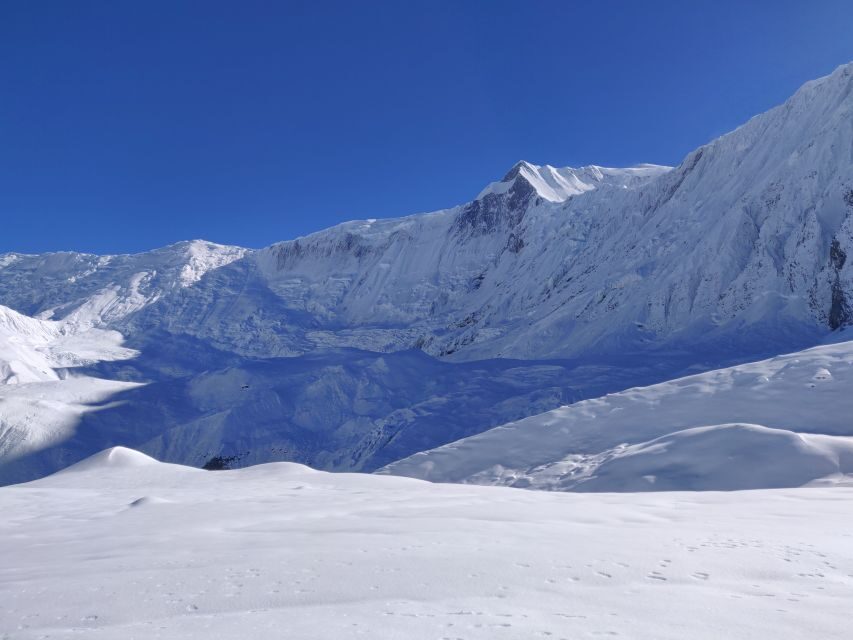
Poon Hill is one of those viewpoints where the timing matters as much as the height. You’ll hike early enough to catch sunrise, when light spills across Annapurna South and spreads toward Dhaulagiri. On clear mornings, it’s a proper show: ridgelines sharpen, snowfields glow, and the whole valley feels awake before you do.
What I like about this trek’s design is how direct it is. You don’t need a long expedition or complicated altitude strategy to see world-class peaks. It’s also relatively short and set at a lower-altitude pace, which makes it a smart choice when you want Himalayan scenery without turning it into a months-long project.
Still, keep one thing in your head: the sky can be the boss. If clouds roll in, you’ll still enjoy the hike and village atmosphere, but don’t build your whole trip around one perfect sunrise frame. You’re traveling to a mountain region with real weather swings, and that unpredictability is part of the deal.
You can also read our reviews of more hiking tours in Kathmandu


How the Three Days Flow: Ghorepani, Ghandruk, and Nayapul
This trek is built as a simple progression: reach the viewpoint, then move through villages and end in a practical way back near transport.
Day 1: Drive to Banthati, Trek to Ghorepani
You start with a private-vehicle drive to Banthati, then begin trekking toward Ghorepani. The route is a mix of forest paths and village sections, which helps you ease into the day instead of starting with a wall of steep trail.
Expect a steady rhythm: walk, stop for photos, warm up, cool down. Forest trekking can be a relief when the sun hits midday, and the village bits are where you’ll start seeing how people live around the Annapurna Conservation Area. By the time you reach Ghorepani, you’re positioned for an early morning push.
Practical note: start thinking about an early bedtime this night. That sunrise start is not optional if you want the real experience.
Day 2: Sunrise at Poon Hill, Trek to Ghandruk
Day two is the main event. You’ll hike up early for the Poon Hill sunrise, then continue on to Ghandruk. After the viewpoint, the day shifts from peak-chasing to cultural wandering.
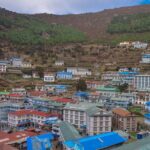
Ghandruk is the kind of village stop that adds texture to your trek. Instead of only walking through terrain, you’re also walking through daily life—homes, local rhythms, and the feel of Gurung and Magar culture in the Annapurna region. You also get a change in scenery after the viewpoint: terraced areas and village approaches tend to feel more lived-in and less purely “wild.”
Day 3: Trek to Nayapul, Return toward Pokhara
The final day finishes with a trek from Ghandruk to Nayapul. Then you continue by road back toward Pokhara. This is a good design for short trekking routes because you don’t spend your last morning climbing for more views. You get one last stretch of mountain scenery, then you transition into “we’re done” mode.
It’s also when you’ll appreciate the earlier planning: the trek is short enough that you don’t arrive worn out, but long enough that your legs remember what they signed up for.






Teahouses, Meals, and Included Gear That Actually Help
This trek is noticeably logistics-light for a mountain trip. You’re not paying separate hotel costs mid-trek, and you’re not constantly deciding where to eat.
Here’s what’s included:
- Breakfasts: 3 total (two during the trekking days and one in Pokhara)
- Lunches: 2 total (included)
- Dinners: 2 total (included during the trekking days)
On a short trek, that matters. You’re saving both money and decision fatigue. And because you’re eating at the teahouse level (not fancy restaurants in the middle of nowhere), your meal schedule stays predictable.
Then there’s the gear. The package includes two trekking poles, a duffle bag, and a down jacket during the trekking. That’s not just comfort—it’s practical. Down jackets help a lot on cold morning walks toward viewpoints, and poles can take pressure off knees on downhill sections.
Accommodation is described as comfortable teahouse lodging with hospitality. That fits the reality of Poon Hill: you should expect simple mountain comforts, not luxury. But for a short trek, the emphasis on “comfortable enough” makes it easier for first-timers and families.
Culture on the Trail: Gurung and Magar Village Life
Scenery draws people to the Annapurna region. Culture is what keeps them walking after the novelty wears off.
This route passes ethnic villages with a window into Gurung and Magar life. You’ll notice it in the way the trails connect households, in the small pauses people take, and in the general sense that you’re moving through real communities rather than staging a photo shoot in empty wilderness.
Ghandruk, in particular, tends to feel like a cultural anchor point on this trek. After sunrise, it’s a nice shift from “peak drama” to “human scale.” You’ll likely find yourself slowing down there, because village life gives you things to watch besides mountains.
If you’re the type who likes travel to have a social heartbeat—market conversations, village pathways, and everyday routines—this is one of the reasons Poon Hill works so well as a first trekking experience.
Price and Logistics: What $523 Buys (and What You Still Handle)
The price listed is $523 per person for a short, supported trek. For many people, the value question isn’t just “is it cheap?” It’s “what does it cover that I would otherwise pay for or figure out?”
Included items are a big chunk of the value here:
- Private transportation
- All fees and taxes
- A team-supported trekking structure with meals included (breakfast/lunch/dinner as outlined)
- Included gear: trekking poles, duffle bag, down jacket
- A trek completion certificate
- Mobile ticket support and confirmation at booking time
What’s not included is equally important for budgeting:
- Nepalese visa fee
- International airfare to and from Kathmandu
- Personal expenses (phone calls, laundry, bar bills, battery recharge, extra porter costs, and water-related purchases like bottled or boiled water)
- Tips for guides/porters/drivers
- Travel insurance
One more logistics reality: the trek runs with a maximum of 10 travelers, and that small size can feel more personal than big-group operations. It also helps with pacing around popular viewpoints like Poon Hill, where early crowds can form.
When to Go: Rhododendrons, Clear Skies, and Winter Reality
This trek is described as viable year-round, and that matters because you can match the trip to what you want to see.
- Spring can bring rhododendron beauty, which adds color to the forest stretches early in the route.
- Autumn is the classic pick for clear skies, which improves your odds at strong visibility from Poon Hill.
Winter can also work, but your comfort depends on cold morning conditions. Since the trek includes a down jacket during the trek, you’re not going in empty-handed. Still, dress in layers and prepare for early starts that feel chilly before sunrise.
If you’re chasing the best chance of peak visibility, aim for seasons known for clearer weather. If your priority is experience and culture over perfect visibility, you can be more flexible.
Who This Trek Fits Best (and What to Consider)
This is a good trek for beginners and families because it’s short and described as relatively easy with moderate effort. The altitude is lower than classic high-altitude routes, which helps keep the physical demands manageable for most people.
It’s also suitable if you have limited time. Three days is enough to feel like you left city life behind, got real mountain air, and walked through villages—without needing weeks of recovery.
A few people should still plan carefully:
- If you’re sensitive to early mornings, remember that sunrise at Poon Hill requires going out before the day feels awake.
- If you’re expecting guaranteed visibility, know that clouds can happen.
- If cold mornings are a problem for you, the included down jacket helps, but your own layering still matters.
The minimum age is 8 years, which suggests the route can work for families when kids can handle regular walking days.
Finally, keep your expectations grounded about comfort. Teahouses are part of the experience and are described as comfortable, but they’re not the same as a hotel. If you like predictable routines and warm meals, that’s where this trek shines.
Should You Book This Poon Hill Trek?
I think you should book this trek if you want Himalayan views without a long commitment. The biggest selling points for me are the built-in sunrise focus at Poon Hill, the practical package with meals and transport, and the fact that it walks you through real village life instead of only scenic viewpoints.
Book it with a little caution if your entire trip plan depends on a perfect sunrise. You’re hiking in a mountain region where weather can change fast, and the best moments are often tied to clarity.
Also, if you’re counting every expense, budget for what’s not included: visa fees, flights, personal spending, and tips. And if flexibility matters to you, note that this experience is non-refundable and cannot be changed.
If you want a short trek that’s scenic, social, and well-organized, this is a solid choice.
FAQ
How long is the Poon Hill Trek?
It runs for about 3 days.
Where does the trekking start from?
The trek begins after a drive to Banthati, and the route treks to Ghorepani first.
Is pickup included?
Pickup is offered, and private transportation is included.
What meals are included during the trek?
You get 3 breakfasts (2 during trekking and 1 in Pokhara), 2 lunches, and 2 dinners during the trekking days.
Are trekking poles and a jacket provided?
Yes. The package includes 2 trekking poles, a duffle bag, and a down jacket during the trek.
Is a Nepal visa included?
No. The Nepalese visa fee is not included.
What is the minimum age to join?
The minimum age is 8 years.
Is travel insurance included?
No. Travel insurance is not included.