REVIEW · POKHARA
Annapurna Base Camp Trek 5 Days from Pokhara
Book on Viator →Operated by Mount Glory Treks & Expedition Pvt.Ltd. · Bookable on Viator
Five days. One giant mountain moment. You’ll hike from Gurung villages outside Pokhara into high-altitude views of the Annapurna range, with meals and tea-house stays handled for you, then unwind in the warm Jhinu Danda hot springs before returning by jeep.
I like how this trip gives you clear structure: an experienced English-speaking trekking guide, required permits taken care of, and day-to-day food included. You also get an easy on-ramp to the region through Pokhara, with jeep transfers that save time while still letting you enjoy the walking segments.
One thing to keep in mind: this is a fast, five-day itinerary for a trek that climbs to 4,130m at Annapurna Base Camp. If you’re sensitive to altitude or prefer a slower acclimatization rhythm, you may feel the squeeze.
In This Review
- Key highlights at a glance
- Starting in Pokhara: why this trip’s logistics feel human
- The trek in real life: short days, serious altitude
- Day 1: Ghandruk Village and the classic Chhomrong approach
- Day 2: Dovan’s quiet forest energy at 2,600m
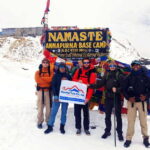
- Day 3: Annapurna Base Camp at 4,130m (the day you came for)
- Day 4: Deurali’s rest-and-recover role around 3,200m
- Day 5: Jhinu Danda hot springs and the ride back to Pokhara
- Tea houses, meals, permits, and the real meaning of included value
- How the schedule fits different hiking styles
- Should you book this Annapurna Base Camp 5-Day Trek?
- FAQ
- What time does the trek start?
- Where is the meeting point in Pokhara?
- Is this tour private?
- What is included in the trek price?
- What is not included?
- How high do you go on this trek?
- Do I get tea house accommodation during the trek?
- Is pickup offered?
- Do I need to buy entry tickets for the stops?
- What if plans change and I need to cancel?
Key highlights at a glance
- English-speaking guide to keep you moving and calm when plans change (weather can do that)
- Ghandruk and Chhomrong for classic Gurung village life and big mountain views
- Dovan and Deurali as practical, storybook rest stops on the way up
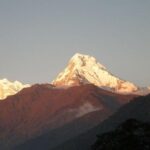
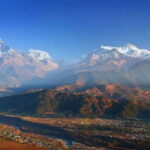
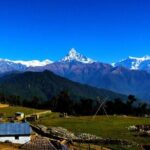
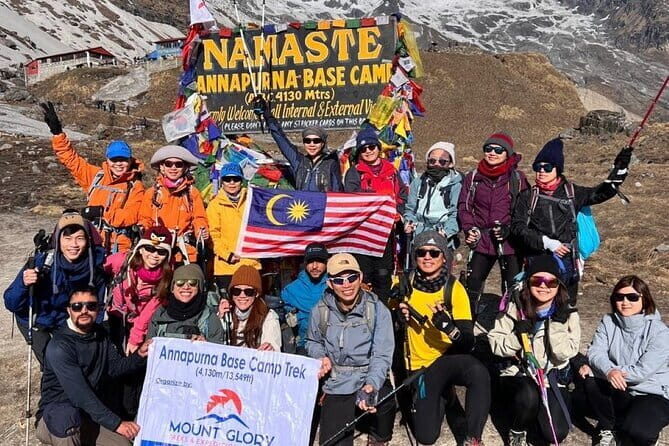
- Annapurna Base Camp at 4,130m with iconic views of Annapurna I and Machapuchare
- Tea-house lodging with meals included so you’re not doing budget math at every stop
- Jhinu Danda hot springs to loosen up after the altitude work
Starting in Pokhara: why this trip’s logistics feel human
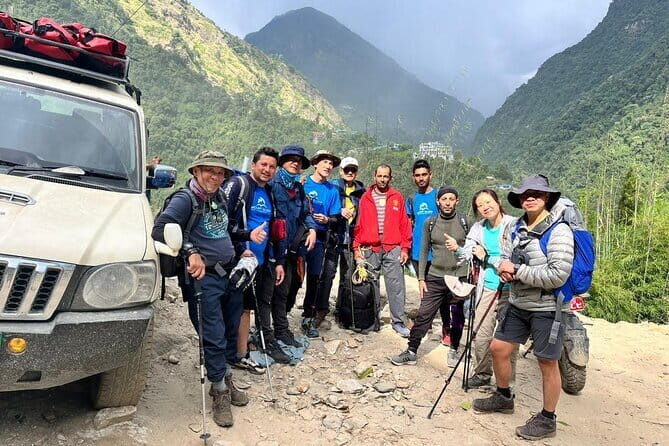
Pokhara is the easy launch point for the Annapurna region. This trek starts at 7:30 am from the Lakeside area (Street No. 13, opposite Barahi Hotel). If you’re staying in the tourist zone, you’ll likely find it straightforward to get to the meeting point, without needing an extra day of travel shuffling.
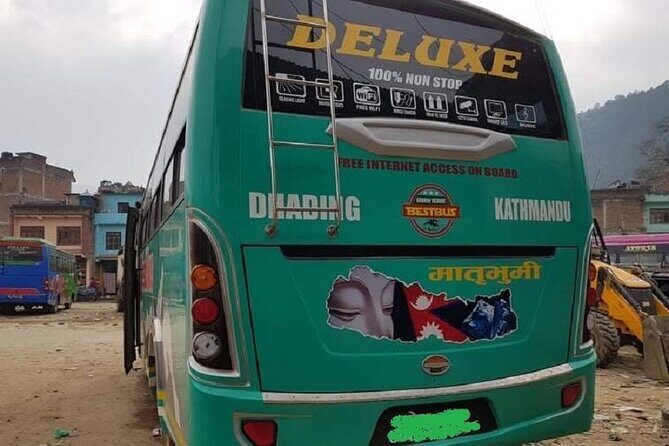
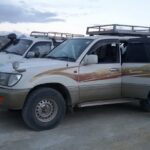
What I like here is that you’re not hauling your whole day around from scratch. Jeep transport is included for two key legs: Pokhara to Ghandruk and Jhinu to Pokhara. That means you’re using your energy for the walking where it matters—on the trail days with views, villages, and tea-house life.
This also matters for your mood. At altitude, you don’t want to spend your first hours stressing about transport timing. The included pickups and organized schedule let you focus on one job: take in the scenery and keep your pace steady.
You can also read our reviews of more hiking tours in Pokhara
The trek in real life: short days, serious altitude
This is a 5-day version of Annapurna Base Camp. That’s the attraction. You get a high-mountain destination without committing to a longer, multi-week rhythm.
Still, the altitude profile is real. Dovan sits around 2,600m, Deurali is about 3,200m, and Annapurna Base Camp hits 4,130m. For most people, the main challenge won’t be technical climbing—it’ll be breathing, temperature, and how quickly your body adjusts.
Also, expect a “hike-and-reset” rhythm rather than a leisurely stroll. Some segments in the provided schedule are long enough that you’ll want to eat well at tea houses, drink water consistently, and avoid racing ahead just because the views look awesome. (Spoiler: they always look awesome.)
Day 1: Ghandruk Village and the classic Chhomrong approach
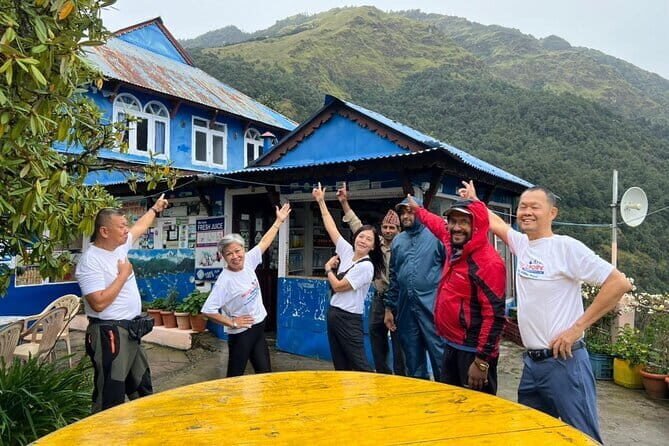
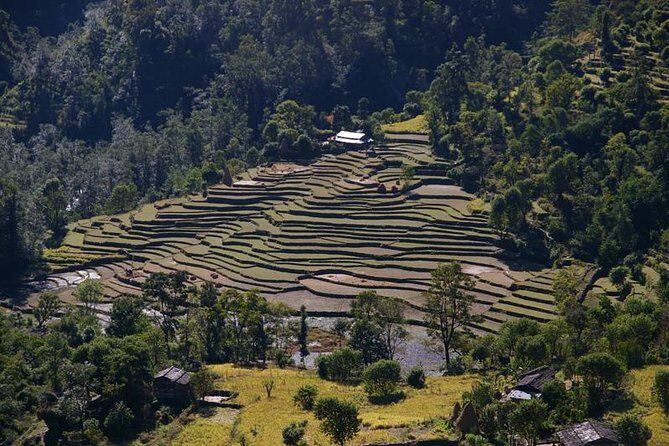
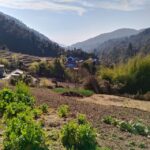
Day 1 focuses on the lower part of the Annapurna story, and it’s a smart move. You start with Ghandruk Village, one of the region’s best-known Gurung settlements. You’ll see terraced fields, traditional homestays, and mountain views that frame the day like a warm-up act.
Even though the stop length is listed as 1 hour for Ghandruk, that short window matters. You’re not just checking a box—you’re getting a sense of how trekking life works here: tea houses, local hospitality, and the slow, lived-in pace of a village that’s used to hosting hikers.
From there you move to Chhomrong Village. This is a key waypoint on the Annapurna route, and it shows why trekkers keep returning. Chhomrong is known for stone houses, lush terracing, and cozy tea houses where you can settle in before the higher days.
The schedule indicates a longer time at Chhomrong, so you can count on it being your main “reset” location on Day 1. After Ghandruk, Chhomrong feels like you’re stepping deeper into the trek. The air often feels cooler, the trail energy shifts, and you start seeing the mountains with more presence.
Value tip: this day is where you’ll feel the benefit of having food included. After you’ve walked and taken in views, it’s nice to sit down to breakfast, lunch, and dinner without adding extra logistics to your brain.
Day 2: Dovan’s quiet forest energy at 2,600m
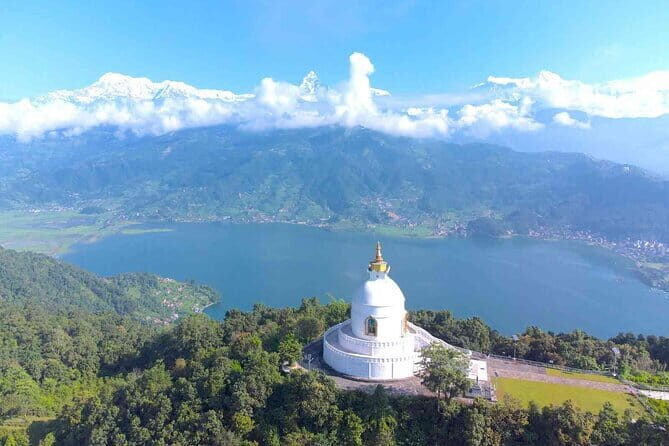
Day 2 brings you to Dovan, a resting stop around 2,600m. This portion of the trek is known for forests and a calmer feel. If you’re the type who enjoys the slower sounds—footsteps, birds, the rustle of trees—Dovan tends to deliver that.
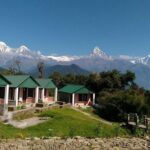
What makes Dovan practical is that it’s built for trekkers. You’ll find basic tea house accommodation options, and you’ll have a chance to refuel before the big altitude push toward base camp.
Also, Dovan is a psychological waypoint. Once you’re here, you can measure the trek in “one day closer” terms. It turns the route from something theoretical into a series of reachable stages.
One consideration: since this trek is short, every rest day location like Dovan has extra importance. You’ll want to eat what’s offered and rest when you can, because Day 3 is where altitude ramps up.
Day 3: Annapurna Base Camp at 4,130m (the day you came for)
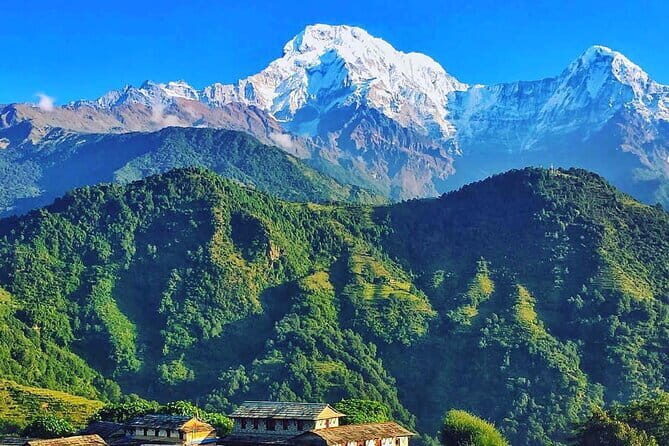
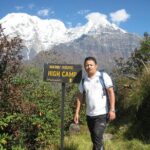
Day 3 is the main event: Annapurna Base Camp, at 4,130m. The schedule lists a long day, so this is where you should plan to treat the hike like work—not a race.
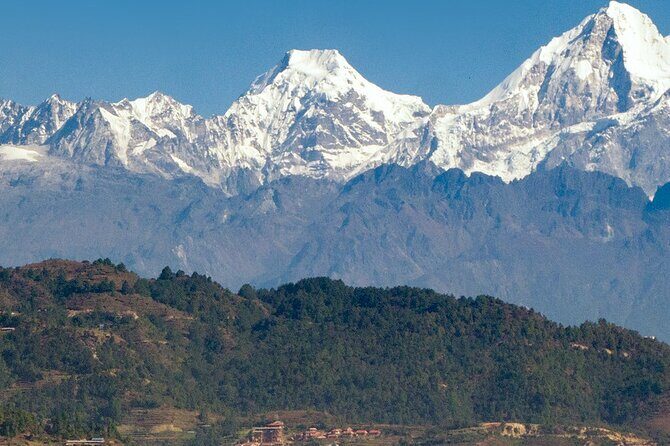
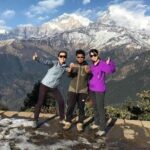
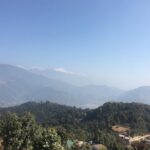
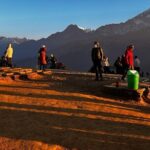
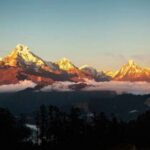
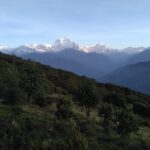
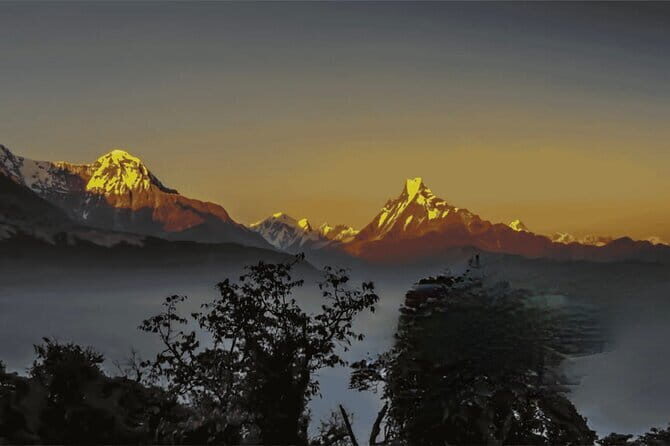
At base camp, the scenery comes together in a big way. You’re surrounded in an amphitheater-style view, with standout sightlines toward Annapurna I and Machapuchare. This is the point where your effort clicks into meaning.
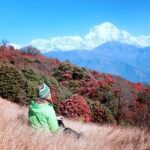
The route described on the way to base camp includes rhododendron forests and a mix of village-to-high-country scenery. That variety helps during a long ascent. You get changes in color, footing, and atmosphere, which can make the climb feel less monotonous.
Here’s the realism part: at 4,130m, conditions can change quickly. Even if the walk isn’t technically hard, your breathing and temperature management become part of the challenge. I’d recommend focusing on small wins—steady steps, breaks when you need them, and keeping your energy steady for the final push.
Also remember: hot camp energy is great, but you’re also descending after reaching it (based on the overall 5-day flow). That means you should enjoy the base camp views without completely exhausting yourself before the next day’s movement.
A few more Pokhara tours and experiences worth a look
Day 4: Deurali’s rest-and-recover role around 3,200m
On Day 4, you reach Deurali, around 3,200m. This day is less about hitting a single dramatic summit moment and more about shaping the day for the next stage—both physically and mentally.
Deurali is described as a crucial rest stop with basic tea house options and surrounding Himalayan views. Trails here can feel more rugged, and it’s the kind of terrain where you appreciate having a guide who knows the routine and can keep your schedule on track.
This is also the day you’ll likely feel the trek adding up. Base camp is behind you, but altitude fatigue can linger. Deurali helps as a buffer zone: you’ve climbed high, you’ve achieved the goal, and now you have a structured place to breathe, eat, and regroup.
One drawback to consider (and it’s not a deal-breaker): because the trek is only five days, you don’t get many “bonus recovery” hours. So you’ll want to use this day’s rest opportunities fully—especially if you’re prone to feeling drained at altitude.
Day 5: Jhinu Danda hot springs and the ride back to Pokhara
After the high point, you get a very civilized finale: Jhinu Danda Natural Hot Spring. It’s near Pokhara and known for warm water that helps you unwind after trekking.
The schedule frames it as a relaxing escape with views of the Annapurna range. You’ll do a short hike from the area around the trekking corridor (often from routes like Dhampus or Ghandruk), then spend time soaking. The hot springs are the perfect payoff for a trip that has you working your body for multiple days in thin air.
Then comes the easy part: the jeep ride back to Pokhara. That transfer matters because it lets you land back in town without turning Day 5 into another long travel grind.
I’d treat this last day as a slow one. Eat well, soak long enough to feel the change in your legs, and then keep your energy for a proper dinner back in Pokhara.
Tea houses, meals, permits, and the real meaning of included value
At $550 per person, this trek price isn’t just a “bed and a badge.” The included items cover most of what typically makes trekking logistics annoying:
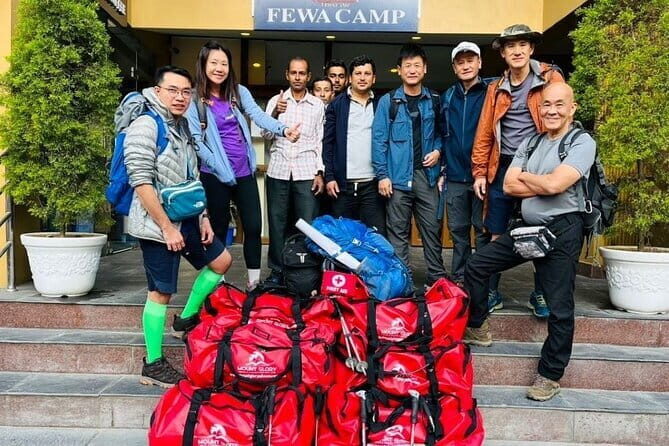
- Experienced English-speaking trekking guide
- All required permits and company service charges
- Food during the trek (breakfast, lunch, dinner)
- Tea house accommodation (twin/triple sharing)
- Jeep transfers for Pokhara to Ghandruk and Jhinu to Pokhara
- Pickup offered, plus group discounts and mobile ticket
Let’s put that into plain value. When food is included, you don’t have to figure out meal-by-meal planning while you’re also tired and at altitude. When accommodation is included, you don’t need to negotiate lodging choices at each stop. And when permits are handled, you avoid the paperwork stress.
What’s not included is also clear:
- Drinks and beverages
- Tips for guide and driver
- Extra expenses
So you’ll want to budget a bit for personal spending—especially drinks, which add up fast on long days.
A final note on group style: this is listed as a private tour/activity, meaning only your group participates. Private doesn’t always mean big perks, but here it can mean less waiting around and more control over how the day feels.
How the schedule fits different hiking styles
This trek is best for people who want a taste of the Annapurna experience without a long time commitment. You’ll be hiking through villages and forests, reaching a major destination, and finishing with hot springs.
If you’re the kind of hiker who likes:
- clear pacing and guided structure
- tea house comfort instead of camping gear planning
- a route that focuses on highlights in five days
…then this fits well.
If you’re someone who prefers lots of slow acclimatization days, you might find the altitude timeline feels tight. The biggest “consider” is the climb to 4,130m within a short stretch. That doesn’t mean you can’t do it. It means you should approach it with patience and not treat the trek like a weekend hike.
Should you book this Annapurna Base Camp 5-Day Trek?
Book it if you want a well-run, mid-intensity experience with key support included: a guide, permits, meals, tea-house stays, and the jeep transfers that prevent your trip from turning into a logistics puzzle.
Skip or reconsider if you know you need a slower altitude rhythm, or if you get easily overwhelmed by cold, thin air, and long walking days packed into a short schedule.
This one is a strong choice for travelers who value practical planning and a memorable finale: base camp views during the day, then warm water at Jhinu Danda to end on a high note.
FAQ
What time does the trek start?
It starts at 7:30 am.
Where is the meeting point in Pokhara?
The meeting point is Pokhara Town Street No. 13 Opposite Barahi Hotel, Lakeside, Pokhara 33700, Nepal.
Is this tour private?
Yes. It’s listed as a private tour/activity, so only your group participates.
What is included in the trek price?
Included are an English-speaking experienced trekking guide, required permits and company service charge, breakfast/lunch/dinner, tea house accommodation with twin/triple sharing, and jeep transport (Pokhara to Ghandruk, and Jhinu to Pokhara).
What is not included?
Not included are drinks and beverages, tips for the guide and driver, and extra expenses.
How high do you go on this trek?
The schedule lists Annapurna Base Camp at 4,130 meters. It also mentions Dovan at about 2,600 meters and Deurali around 3,200 meters.
Do I get tea house accommodation during the trek?
Yes. You get tea house accommodation during the trek, with twin/triple sharing.
Is pickup offered?
Yes, pickup is offered.
Do I need to buy entry tickets for the stops?
The listed stops show Admission Ticket Free for each stop.
What if plans change and I need to cancel?
Cancellation is free if you cancel up to 24 hours in advance for a full refund. The experience also requires a minimum number of travelers, and if that minimum isn’t met, you’ll be offered a different date or a full refund.