REVIEW · KATHMANDU
Classic Nepal Tour
Book on Viator →Operated by Classic Escapades · Bookable on Viator
One day in Nepal can feel like a whole season, and this trip hits the highlights without wasting time. I like how it strings together Kathmandu heritage sights and Chitwan jungle safari with a smooth, guided flow. A key thing to consider: the day around Boudhanath has a ticket not included, so you may need to budget for that separately.
I also appreciate the pacing. You get 7 nights total, with 2 nights in Pokhara for slow mountain-view mornings and 2 nights in Chitwan for wildlife-focused time, plus about 3 nights in Kathmandu to absorb the valley sites without rushing.
The main drawback is practical, not dramatic: your start point is Tribhuvan Airport at 5:15 pm, so timing depends on your arrival plans. If you want to move at your own speed every hour, a structured route might feel a bit tight, even though it’s a private tour.
In This Review
- Quick hits before you go
- Kathmandu Valley First Stop: Boudhanath Stupa and the Sacred Quartet
- Pokhara: Lake Phewa, Sarangkot Sunrise, Davis Falls, and World Peace Stupa
- Chitwan National Park Safari Days: Rhino Chances and Birdwatching
- Hotels, Meals, and Private Air-Conditioned Transport
- Price Check: What $999 Covers (and What It Does Not)
- Guide Matters: When Sunil Helps You Understand the Places
- Best For Who: First-Time Nepal Visitors Who Want Structure
- Tips That Prevent Big Headaches Before You Land
- Should You Book the Classic Nepal Tour?
- FAQ
- What time and where does the tour start?
- Does the tour include airport transfers?
- Are meals included in the $999 price?
- Are all attraction admission tickets included?
- Can I request vegetarian meals?
- Do I need a passport or visa?
Quick hits before you go
- Kathmandu valley circuit in one go with Boudhanath, Swayambhunath, Patan Durbar Square, and Pashupatinath
- Pokhara sunrise from Sarangkot plus Lake Phewa boating and major sights like Davis Falls and World Peace Stupa
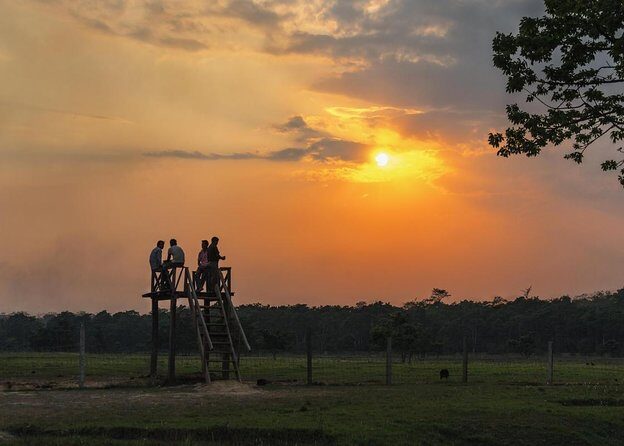
- Chitwan National Park safari time with chances to see wildlife like rhino, bear, deer, and crocodile
- Birdwatching and nature time built into the nature-heavy days, not just box-ticking
- Private air-conditioned transport and 3-star hotels on a twin-sharing basis, with breakfasts covered
Kathmandu Valley First Stop: Boudhanath Stupa and the Sacred Quartet
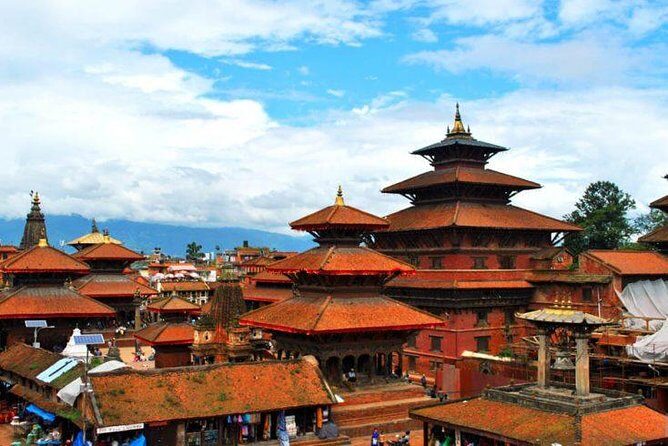
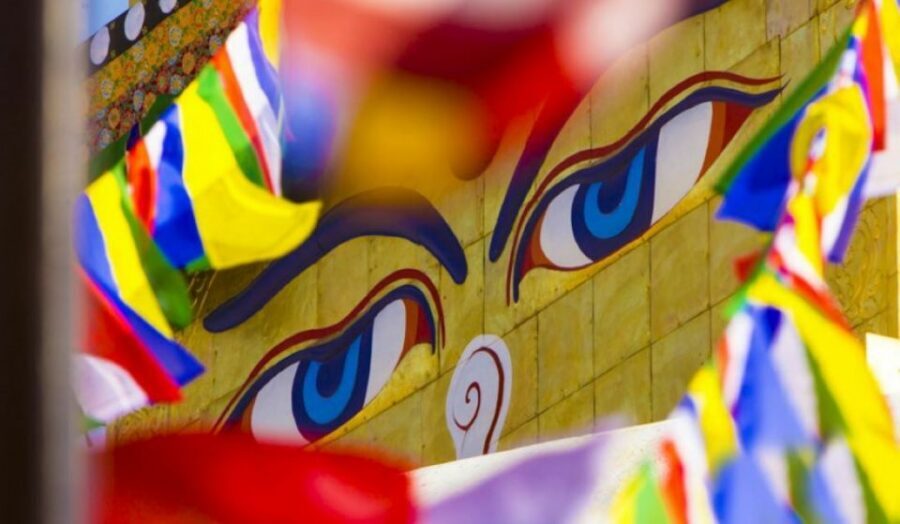
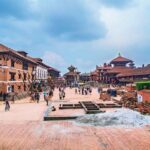
Your journey starts with Boudhanath Stupa, one of those places where you instantly feel the scale. It sits in the middle of a square, and the whole area has a calm, steady rhythm. You’re not just walking through; you’re meant to slow down and soak up the Buddhist atmosphere.
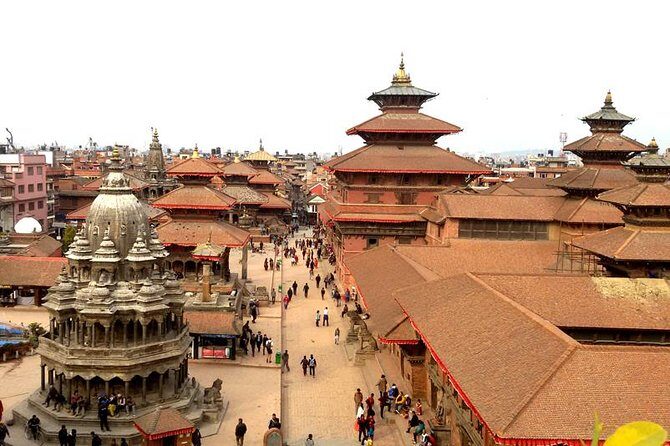
This stop also rolls into other major Kathmandu valley sites: Swayambhunath, Patan Durbar Square, and Pashupatinath. In other words, you get a concentrated sampler of what makes the valley special: stupas and temples, old urban layouts, and a strong sense of place that feels very different from modern streets.
The run time for this Kathmandu day is listed at 6 hours, and it’s worth noting a practical catch: admission tickets for this segment are not included. You’ll want to plan for that so you’re not scrambling once you arrive at ticket counters. If you’re the type who hates surprises, bring a little extra cash just in case.
Why this day is valuable for your trip: it sets context. Chitwan and Pokhara are all about nature and views, but Kathmandu is where you learn the language of the country’s daily life—religion, heritage, and the way people move through sacred spaces.
One more thing I like: the route doesn’t just say temple, temple, temple. It groups places that each deliver a different mood. Boudhanath tends to feel spacious and meditative. Patan Durbar Square and Swayambhunath have that old-city energy. Pashupatinath is more intense and ceremonial. Together, they help you understand why this valley draws repeat visits.
You can also read our reviews of more tours and experiences in Kathmandu.



Pokhara: Lake Phewa, Sarangkot Sunrise, Davis Falls, and World Peace Stupa
Pokhara is built for people who want mountains without a trekking boot plan. This part of the itinerary is where the trip shifts into big-sky, water, and viewpoint mode.
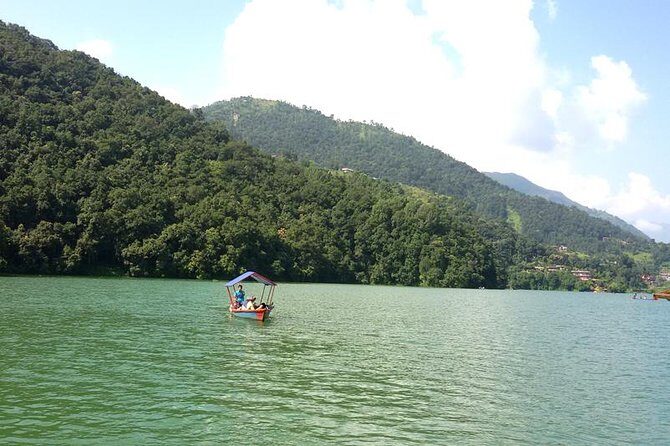
You’ll spend 2 nights in Pokhara, and the main day here is listed as 8 hours. That time includes a few anchors that make this stop feel complete: boating on Lake Phewa, a sunrise viewpoint from Sarangkot, and sightseeing at Davis Falls and the World Peace Stupa.
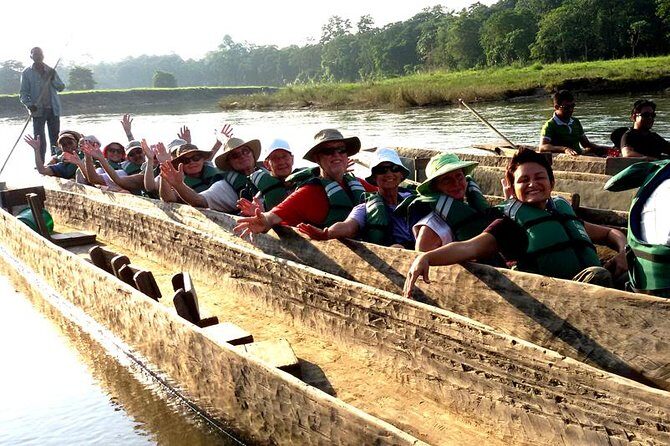
Lake Phewa boating is the kind of activity that’s simple but memorable because you feel the water and the shoreline at a slow pace. It also gives you a break from temples and vehicles, which helps if you’re traveling with jet lag or just want a day that feels lighter.
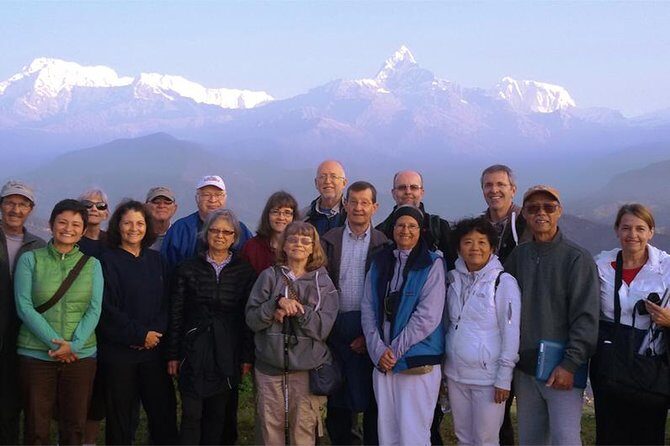
Then comes the sunrise piece. Sarangkot is included specifically for that mountain view moment, and sunrise over the Himalayas is a big reason people choose Pokhara in the first place. The value here isn’t just the view itself. It’s the feeling of a quiet start—before the city fills, before the day gets loud—when you can actually take in scale.
After that, you’re not left with only views. Davis Falls adds a natural, moving-water contrast, and the World Peace Stupa gives you a calm religious stop that fits the Pokhara tone. Between the waterfall, the stupa, and the viewpoint, this day balances action and stillness.
Good news for your budget: for this Pokhara portion, admission tickets are included. That makes planning easier. You can focus on enjoying the day instead of doing math at each stop.
One practical consideration: sunrise tours often mean you’ll be up early. You don’t need to be a morning person, but you should be ready for it. If you know you get grumpy before breakfast, pack something quick to tide you over until the day starts.
Chitwan National Park Safari Days: Rhino Chances and Birdwatching
Chitwan National Park is the wildlife chapter of this tour, and the itinerary is built around that. You get 2 nights here, and the safari day is listed as 8 hours with jungle safari activities.
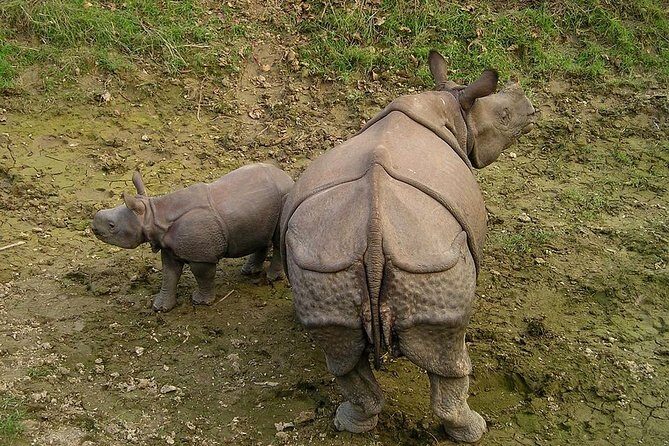
This is where the highlights start sounding real: you might see wild animals such as rhino, bear, deer, and crocodile, along with opportunities to watch different bird species. The wording matters. It’s not a guarantee of specific animals. But the structure is clearly designed for wildlife time, not just a short ride-through.
What makes Chitwan work in a multi-city tour is variety. You’re not trapped in the same kind of scenery all week. One day you’re in Kathmandu’s heritage zones, another day you’re around mountain views and lakes, and then you switch into jungle habitat, where the air, sounds, and movement feel totally different.
The itinerary also includes culture and nature as part of the Chitwan experience. Even if you’re mostly going for animals, those cultural notes add meaning. They help you understand that this is not a theme park version of the jungle. It’s connected to local life and conservation choices.
Admission tickets are included for the Chitwan segment, which is a nice relief because wildlife days can otherwise turn into surprise add-ons. You’ll also appreciate the presence of a professional guide here. Wildlife spotting is part patience, part knowing where to look, and part understanding what’s normal behavior for the habitat.
If you want to maximize your chances of seeing more, keep your attention flexible. Animals can be unpredictable. Your best move is to listen when your guide speaks, follow the group timing, and stay calm when you’re waiting. That’s how you get rewarded.
Hotels, Meals, and Private Air-Conditioned Transport
This trip avoids the most annoying parts of group travel: unclear logistics and uncomfortable rides. You travel in a private, air-conditioned vehicle all throughout, and you don’t have to coordinate transfers with strangers.
Accommodation is twin sharing in three-star category hotels, which is a solid middle ground. You get comfort without paying luxury prices, and the schedule is planned around real sightseeing time instead of frequent hotel moves.
Meal coverage is also clearly stated:
- 7 breakfasts
- 2 lunches
- 3 dinners
- Bottled drinking water each day
You’ll want to plan for meals that aren’t listed as included. Also, drinks beyond water aren’t included, so if you like soda, juice, or coffee throughout the day, budget for that. This is common on tours, but it matters for how much the trip ends up costing once you’re hungry in the middle of the day.
I also like that there’s pickup and drop-off at the airport. It reduces the stress that can pile up right when you land. And since the tour is described as private and only your group will participate, you don’t have to worry about being stuck with random pacing choices from other passengers.
Price Check: What $999 Covers (and What It Does Not)
At $999 per person, this tour feels like a budget-to-midrange way to cover three big areas: Kathmandu, Pokhara, and Chitwan. The value comes from what’s actually included, not from marketing.
Here’s what you’re getting for the price:
- Airport pick up and drop off
- 3-star hotels (twin sharing) for 7 nights
- Private air-conditioned vehicle
- A trained, experienced professional guide
- Sightseeing tours in Kathmandu and Pokhara
- Jungle safari activities in Chitwan
- Meals as listed: 7 breakfasts plus a set number of lunches and dinners
- Bottled drinking water
- Mobile ticket
What’s not included is also straightforward:
- International airfare
- Travel insurance
- Admission ticket for Boudhanath Stupa day is not included
- Drinks other than water
- Any lunches/dinners not named in the itinerary
- Extra costs caused by unpredictable situations
When you put it all together, you’re paying for a guided itinerary with transport, lodging, and wildlife/sightseeing costs. If you’re comparing to DIY travel, the price starts to make sense when you factor in time lost coordinating guides, tickets, and intercity logistics.
The one place where you should adjust your expectations: Boudhanath admission isn’t included. It’s not a dealbreaker, but it affects your total spend if you’re counting every cent in advance.




Guide Matters: When Sunil Helps You Understand the Places
A good guide can turn a checklist into an education. In the feedback I’ve seen connected to this route, Sunil is a common name attached to trips. People describe clear communication and a sense that he manages details so the day doesn’t feel chaotic.
Even if you don’t get the same guide, the principle holds: you’re visiting sacred sites, viewpoint stops, and a wildlife area. Those places reward curiosity. You’ll get more out of them if your guide can explain what you’re looking at and how local people relate to the space.
This is especially true in Kathmandu, where it’s easy to feel like you’re walking among buildings without knowing why they matter. And in Chitwan, it’s hard to separate random movement from meaningful spotting without local guidance.
If you want to get the most out of your week, ask simple questions early:
- What should I look for today
- What behavior should I expect from wildlife
- What’s the respectful way to move through the sacred areas
You’ll feel the difference by day two.
Best For Who: First-Time Nepal Visitors Who Want Structure
This tour fits well if you want a classic route with big highlights and minimal decision-making. It’s a good match for:
- Solo travelers who still want a group experience but with private logistics
- Couples who want comfort and a guided plan
- First-time visitors who want Kathmandu, Pokhara, and Chitwan without hopping between random tour providers
It may not fit as well if you want constant free time. The itinerary is packed with planned activities—Kathmandu heritage, then Pokhara sunrise and lake time, then Chitwan safari days. You’ll have breaks, but it’s not the kind of trip where you can disappear whenever you feel like it.
The upside is safety and flow. You’ll know what’s next, and the private vehicle helps you avoid the usual stress of coordinating rides across cities.
Tips That Prevent Big Headaches Before You Land
A few details here can save you from last-minute stress:
- Bring a current valid passport for the day of travel.
- You can obtain a Nepal visa on arrival at the airport or other entry ports, but visa requirements are your responsibility.
- If you have dietary needs, advise them at booking. There’s a vegetarian option available if you request it.
- The tour offers pickup from Tribhuvan Airport with a listed start time of 5:15 pm, so check that against your flight plan.
Also, consider carrying a small buffer for the one known ticket gap: Boudhanath admission isn’t included. If you prefer to keep everything cashless, ask your operator in advance how that ticket is handled for your exact date.
And since the tour includes bottled water but not other drinks, plan for hydration, especially if you’ll be out during sunrise and daytime sightseeing.
Should You Book the Classic Nepal Tour?
If you want Kathmandu heritage, Pokhara views, and Chitwan wildlife in one clean package, this is a strong option. The combination of private air-conditioned transport, professional guiding, hotel stays, and a safari-focused schedule makes it easier than DIY—especially if it’s your first trip to Nepal.
I’d book this tour if:
- You like a structured itinerary with major sights handled for you
- You want sunrise views plus a wildlife day, not just temples
- You value comfort (3-star hotels, air-conditioned vehicle) while staying mindful of price
I might hesitate if:
- You hate early starts for sunrise tours
- You’re trying to avoid any extra costs at Boudhanath since that admission isn’t included
- You want lots of unscheduled downtime every day
Overall, this is the kind of classic Nepal route that works because it balances big experiences with practical support. You’ll come away with the valley’s spiritual mood, Pokhara’s mountain-and-water moments, and Chitwan’s animal habitat energy—all without needing to build the logistics yourself.
FAQ
What time and where does the tour start?
The tour starts at Tribhuvan Airport, Kathmandu, Nepal at 5:15 pm.
Does the tour include airport transfers?
Yes. Airport pick up and drop off are included on arrival and departure.
Are meals included in the $999 price?
You get 7 breakfasts, plus 2 lunches and 3 dinners as listed in the itinerary. Bottled drinking water is also included. Drinks other than water are not included.
Are all attraction admission tickets included?
No. The Boudhanath Stupa day lists admission ticket not included. For Pokhara (Phewa Tal day) and Chitwan National Park, admission is listed as included.
Can I request vegetarian meals?
Yes. A vegetarian option is available. You should advise dietary requirements at the time of booking.
Do I need a passport or visa?
You need a current valid passport. You can obtain a Nepal visa on arrival at the airport or other ports of entry, and visa requirements are the traveler’s responsibility.