REVIEW · KATHMANDU
Nepal Round Tour with Annapurna Trek 14 Days
Book on Viator →Operated by Sabbatical Explore Nepal (Social Tourism Nepal) · Bookable on Viator
Kathmandu air, then Annapurna altitude. This private 14-day Nepal round tour hits a great balance: seven days trekking the Annapurna region plus the best of Kathmandu Valley, and I especially liked how the trip takes care of the nuts-and-bolts (permits, guides, and meals). I also liked the way the plan keeps the cultural side from feeling like a checkbox. The main drawback: you’ll want moderate fitness and you’ll need decent weather for the trek to go smoothly.
What really made it feel easy was the human planning. In my experience with trips like this, the difference is whether someone can answer real questions fast, and here the coordination is handled by Shiva, who keeps transportation, accommodations, and guides running without drama. I also appreciated the “friendly staff” vibe you’ll see throughout the journey, from the trekking team to the city guide.
Finally, the logistics are built for a small group. With a maximum of 15 travelers and private transportation, you spend less time herding people and more time actually looking at what’s in front of you. Still, it’s not a laid-back stroll—this is an active itinerary, even with guesthouse comforts.
In This Review
- Key Things I’d Mark on Your Map First
- Why This Annapurna Trek + Culture Mix Works So Well
- Kathmandu Valley Days: Pashupati, Budha Stupa, Patan Durbar Square, Bhaktapur
- Pashupati and the crematory center visit
- Budha Stupa
- Patan Durbar Square
- Bhaktapur culture city
- Pottery place and local people
- Pokhara Rest Days: A Base That Feels Made for Recovery
- The Trek Part: Seven Days in the Annapurna Region (Guesthouses Included)
- What you can expect each trek day
- Permits and national park fees
- Trekking gear isn’t included
- Guides Make or Break It: City Guide, Trekking Guide, and Shiva’s Role
- Where You Sleep: 3-Star Hotels in Kathmandu and Pokhara + Guesthouses on Trek
- Price and Logistics: What $1,227.78 Covers (and Why It Can Be Good Value)
- Who Should Choose This Private 14-Day Tour
- Quick Booking Notes That Matter (Weather and Timing)
- Should You Book This Nepal Round Tour With Annapurna Trek?
- FAQ
- How long is the trek part of this tour?
- Where does the tour take place?
- Is this tour private, and how many people are in a group?
- What accommodations are included?
- Are trekking permits and national park fees included?
- Does the tour include meals during the trek?
- Is travel insurance included?
Key Things I’d Mark on Your Map First
- Annapurna trekking for seven days with mountain guesthouses instead of camping
- Kathmandu Valley stops that go beyond temples including Pashupati and a crematory center visit context
- Pokhara time built in, with domestic flights saving you from long overland travel
- Permits and national park fees included, so you’re not scrambling at the last minute
- Planning support from Shiva, plus a city tour guide and trekking guide
- Small-group feel (max 15) that keeps the day-to-day manageable
Why This Annapurna Trek + Culture Mix Works So Well
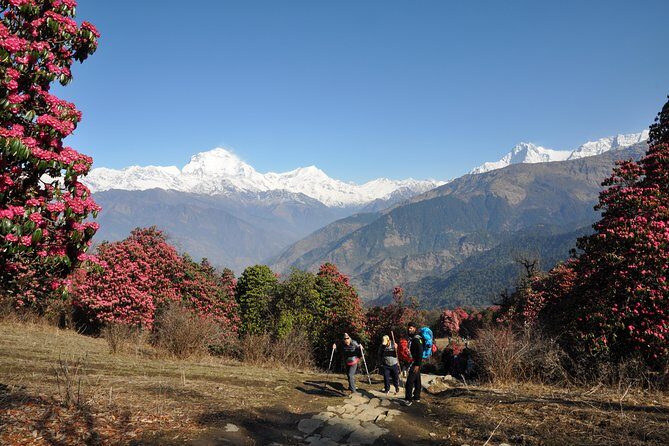
The best Nepal trips don’t force you to choose between mountains and meaning. This one gives you both, with a clear rhythm: trek days that focus on movement and altitude, then city days that shift to heritage, daily life, and stories.
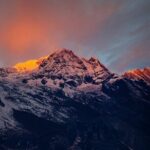
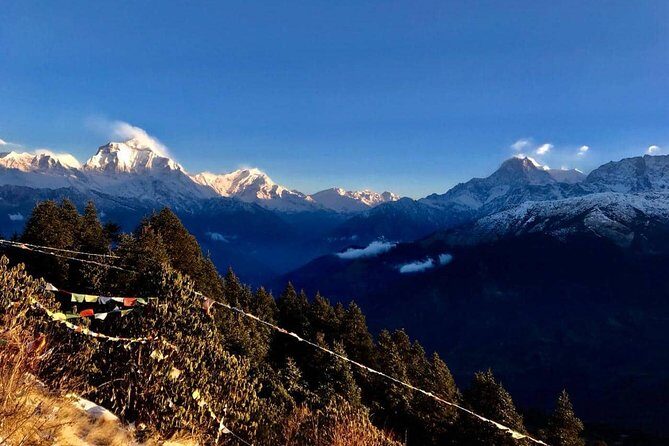
You get the payoff you came for—the Himalayan views—without losing the rest of Nepal. The Annapurna part is where your body earns your photos. The Kathmandu and Pokhara parts are where you understand what those mountains mean to the people living near them.
Also, it’s private and customizable, which matters more than many people think. Even small adjustments—pace, priorities, extra time in a place you care about—can turn a good trip into a great one.
You can also read our reviews of more hiking tours in Kathmandu


Kathmandu Valley Days: Pashupati, Budha Stupa, Patan Durbar Square, Bhaktapur
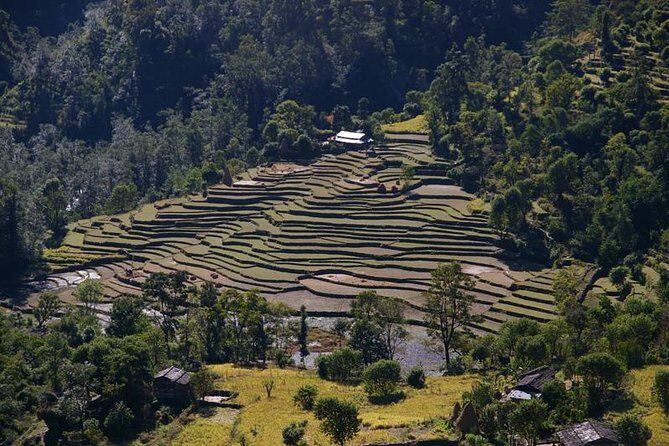
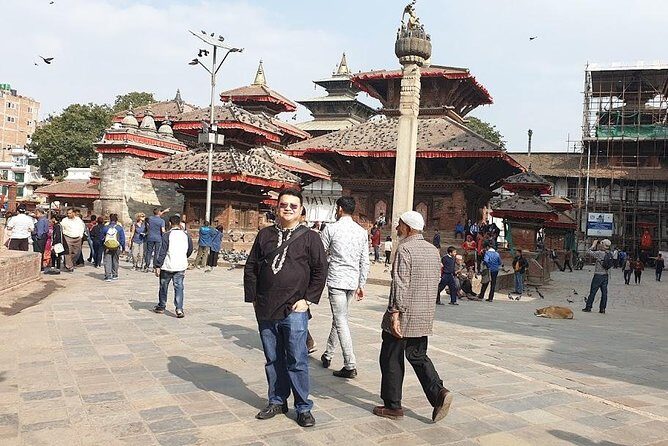
Kathmandu Valley can overwhelm you fast: temples everywhere, traffic that moves like a puzzle, and a lot of information landing at once. The way this tour frames the city helps. A city tour guide gives you the order of things so you don’t just wander and hope.
Here are the specific cultural stops I’d circle for your own planning:
Pashupati and the crematory center visit
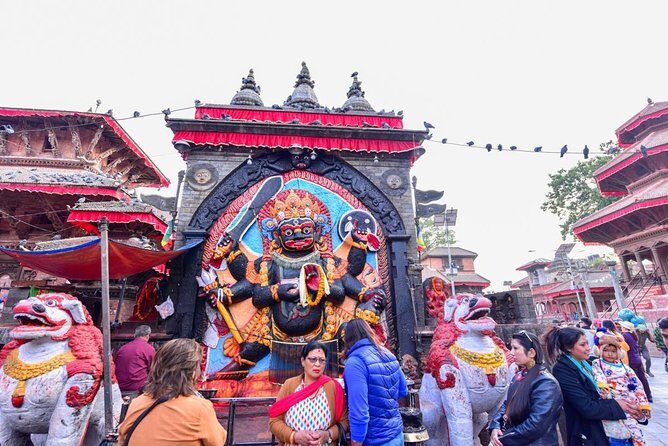
Pashupati is one of those places where you quickly realize religion here isn’t a museum topic. It’s active, visible, and part of daily life. The tour includes a visit connected to the crematory center. That can be intense, but it’s also one of the most meaningful windows into how Nepal thinks about life, death, and spiritual practice.
Practical tip: keep your behavior respectful and your questions ready for your guide. This stop is about understanding, not gawking.
Budha Stupa
A Budha Stupa visit adds a calmer spiritual layer after busier streets and heavier rituals. Even if you’re not religious, you’ll feel the shift—more quiet space for reflection, and a different kind of symbolism than what you see in many Hindu sites.
Patan Durbar Square
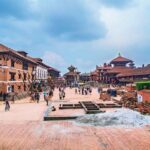
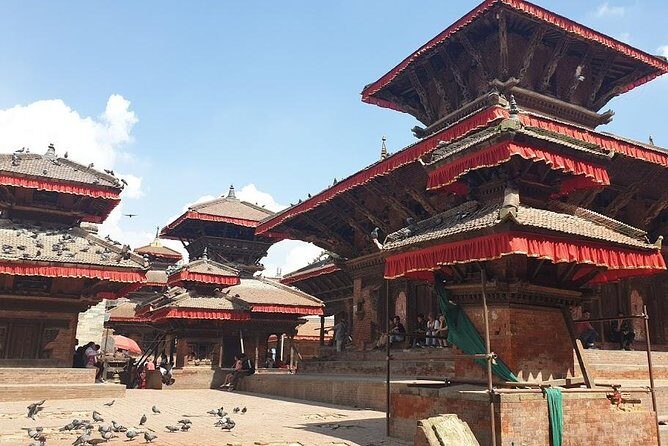
Patan’s Durbar Square gives you historical architecture and a “city craft” feel. It’s also a great place to notice details you might miss at faster stops: ornamentation, layout, and how the old city still functions around heritage.






Bhaktapur culture city
Bhaktapur is where the tempo slows. You’ll get a sense of how communities preserve traditions in daily routines. It’s also a solid counterweight to the trekking fatigue you’ll eventually carry.
Pottery place and local people
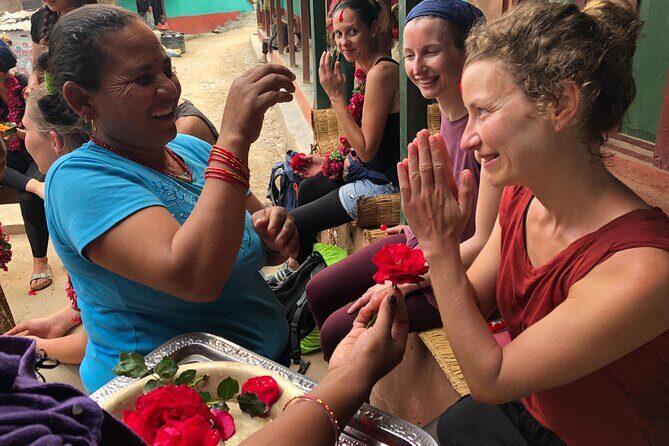
The included mention of a pottery place and local people is a big deal. You’re not just watching monuments—you’re seeing work. That kind of contact helps you connect with Nepal beyond the postcard view.
Pokhara Rest Days: A Base That Feels Made for Recovery
Pokhara is the hinge between altitude and comfort. After trekking days, you want somewhere that feels easier on your body, but you also want energy enough to enjoy your evenings.
What you’ll like here is the structure. The tour includes a 3-star hotel in Pokhara, plus private transportation for the city portion. That means you’re less likely to burn your limited recovery time on logistics.
You’ll also benefit from the domestic flight plan. Nepal’s roads can take longer than you expect. By using flights between Kathmandu and Pokhara, you trade hours of bumpy travel for more time in the places that matter.
If you’re the kind of traveler who gets restless with long stretches of transit, this is a smart design choice.
The Trek Part: Seven Days in the Annapurna Region (Guesthouses Included)
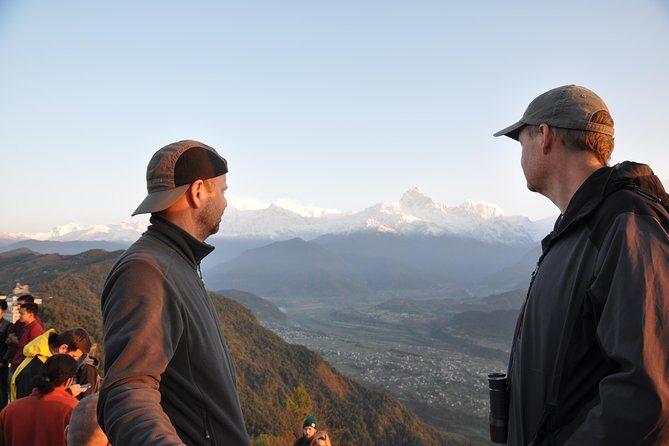
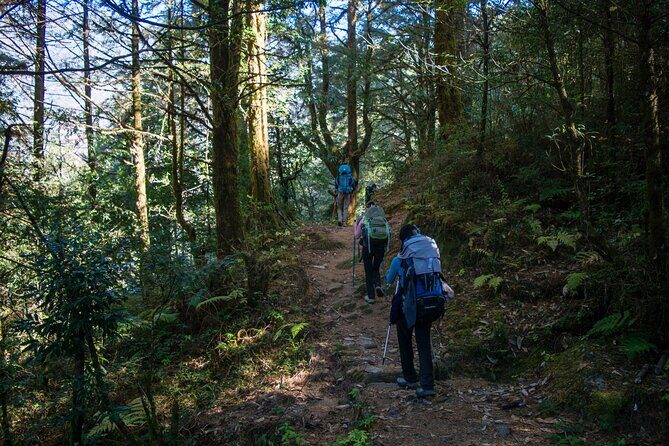
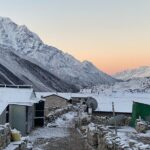
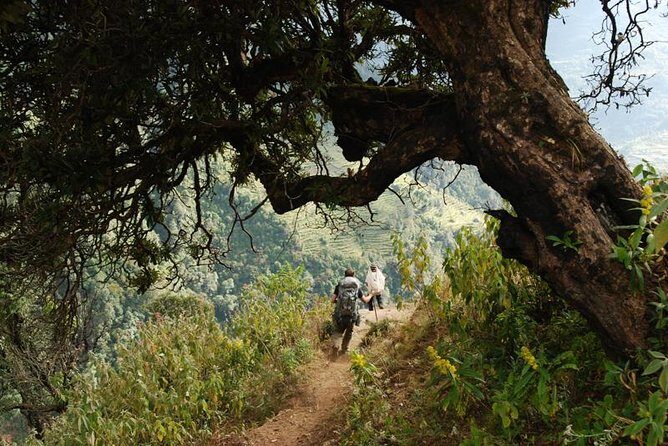
The Annapurna trek is the centerpiece. You’ll spend about seven days trekking, and the big advantage is the accommodation style: mountain guesthouse accommodation.
That means you’re trekking with a realistic comfort level. Instead of planning every night around tents and gear systems, you can focus on your pace, altitude management, and getting those views. It also makes the trip more approachable for people who want Himalayan experience without turning it into a full survival project.
What you can expect each trek day
Meals are handled during trekking days: the package includes breakfast, lunch, and dinner while you’re on trek. That’s not just convenience—it helps with budgeting and reduces decision fatigue. When you’re tired, it’s nice not to play menu roulette while your legs are negotiating with you.
You’ll also have a trekking guide, and the trekking guide is where the safety and experience upgrade often happens. A good guide helps you choose a sensible pace and keeps route context clear.
Permits and national park fees
Trekking permits and national park fees are included. This matters because permits aren’t a tiny administrative step. When they’re handled correctly, you avoid last-minute detours and stress. It also means the trek is set up legally and smoothly.
Trekking gear isn’t included
This is important. You’ll need your own trekking gear. If you show up unprepared, you’ll feel it fast—especially once the cold or wet starts to show up at higher elevations. Even if you’re a casual hiker, plan your boots, layers, and rain protection like your comfort depends on it (because it does).
Guides Make or Break It: City Guide, Trekking Guide, and Shiva’s Role
This is one of the most praised parts of the experience, and it’s easy to see why. A friendly, helpful trekking guide changes how the trek feels. You’re not just walking from point A to point B—you’re learning why you’re walking there and what you’re seeing.
You’ll have:
- A city tour guide for Kathmandu Valley sightseeing
- A trekking guide for the Annapurna trek days
- Planning support from Shiva, who’s specifically mentioned as handling coordination and keeping things running
That combination matters. City days can feel like information overload without a guide. Trek days can feel physically rough without someone helping you pace and read the route.
Also, the tour notes make it clear this is meant to be practical, not chaotic. Private transportation and a small group size mean fewer gaps where you’re waiting around wondering what happens next.
Where You Sleep: 3-Star Hotels in Kathmandu and Pokhara + Guesthouses on Trek
A big part of comfort on this kind of trip is consistency. You’ll stay in 3-star hotel accommodation in Kathmandu and Pokhara, which gives you a reliable base before and after the trek.
During trekking, you shift to mountain guesthouses. That’s the right tradeoff. It keeps the trek real, keeps you moving, and still gives you shelter and meals without the full gear burden of camping.
One small consideration: if you’re used to luxury travel, don’t expect the same comfort level during the trek. Guesthouses are functional. The upside is that they keep the adventure focused on walking and views, not logistics.
Price and Logistics: What $1,227.78 Covers (and Why It Can Be Good Value)
At $1,227.78 per person, you’re paying for a structured experience that bundles the stuff people usually end up paying separately: lodging, guides, trekking permits, meals on trekking days, and private transportation.
Here’s what stands out as “worth it” in the included list:
- Trekking permit and national park fees included
- Breakfast, lunch, and dinner during trekking days
- Hotel stays: 3-star accommodation in Kathmandu and Pokhara
- Private transportation
- A trekking guide and a city guide
- Domestic flights between Kathmandu and Pokhara to save time
On trips, it’s rarely one item that makes the cost feel high or low—it’s how many separate bills you avoid. This package reduces the number of decisions you have to make once you arrive, and that’s a real kind of value.
What you still need to budget for:
- Trekking gears (not included)
- Travel insurance (not included)
- Tips to guide and driver (not included)
If you want to spend your energy on Nepal, not receipts, this structure is a strong fit.
Who Should Choose This Private 14-Day Tour
This works best for people who:
- Want a real Annapurna trek but prefer guesthouses over camping
- Care about cultural stops and not just scenery
- Like having guides who handle details so you can focus on the experience
- Have moderate fitness and can manage daily trekking effort
- Prefer small-group travel (max 15)
It might not be ideal for you if you:
- Want an easy, flat itinerary with minimal exertion
- Have very strict mobility needs (because trekking is inherently demanding)
- Expect every day to be low-effort sightseeing
If you’re on a sabbatical or gap-year rhythm, this is especially appealing because it offers depth: spirituality and heritage in Kathmandu Valley, a reset in Pokhara, then movement and mountain life in the Annapurnas.
Quick Booking Notes That Matter (Weather and Timing)
This experience requires good weather. If conditions shut down plans due to poor weather, you should expect either a different date option or a full refund.
Free cancellation is available if you cancel far enough in advance. Also, you should receive confirmation at booking time, which helps reduce uncertainty.
One final note: confirmation at booking, plus a private setup, usually means there’s less guesswork once you arrive. That’s a quiet benefit on a trek-heavy schedule.
Should You Book This Nepal Round Tour With Annapurna Trek?
I’d book it if you want Nepal in two parts: the mountains you dream about and the Kathmandu/Pokhara context that makes those mountains feel alive.
This tour is a strong choice because it handles the heavy lifting—permits, guides, meals during trek days, and the main accommodations—while still giving you time to experience specific cultural places like Pashupati, Budha Stupa, Patan Durbar Square, and Bhaktapur.
If you’re deciding between doing the trek on your own and joining a planned trip, the biggest deciding factor should be peace of mind. You’ll still do the hard work of walking and adjusting to altitude, but you won’t be carrying the admin burden.
If you want an active trip with real guidance and a thoughtful culture component, this one is a solid yes.
FAQ
How long is the trek part of this tour?
The Annapurna trekking portion is about seven days.
Where does the tour take place?
It focuses on Kathmandu and Pokhara, plus the Annapurna region trekking area.
Is this tour private, and how many people are in a group?
Yes, it’s a private tour, with a maximum of 15 travelers.
What accommodations are included?
You get 3-star hotel accommodations in Kathmandu and Pokhara, and mountain guesthouse accommodation during the trekking days.
Are trekking permits and national park fees included?
Yes. Trekking permits and national park fees are included.
Does the tour include meals during the trek?
Yes. Breakfast, lunch, and dinner are included during the trekking days.
Is travel insurance included?
No. Travel insurance is not included.