REVIEW · KATHMANDU
Private Annapurna Circuit Trek
Book on Viator →Operated by MTA Trekking · Bookable on Viator
Thorong La Pass is the moment you remember. This private Annapurna Circuit route is built around high-altitude acclimatization and big mountain-view days without technical climbing.
I like that the trip handles the stuff that can bog you down at the start: permits, an experienced guide, and most meals, plus comfortable pre/post-trek nights in Kathmandu and Pokhara. I also like the pacing—those two nights in Manang are a smart buffer before the long day over Thorong La.
One thing to consider: this is still serious altitude trekking. You’ll spend long hours walking up to about 5,416m, and some days are long (including the pass day), so you’ll want to arrive with a moderate fitness base and take it slow when the air thins.
In This Review
- Key points to notice before you go
- Entering The Annapurna Circuit With a Private Pace
- Kathmandu Start: Getting Oriented Without a Headache
- Day 2 To Besisahar: A Scenic Setup Day
- Besisahar To Chame: Forests, Villages, and Permit Paperwork
- Chame To Pisang: Suspension Bridges and Paungda Danda
- Pisang To Manang: Braga Monastery and Big Views
- Two Nights in Manang: The Acclimatization That Makes the Pass Day Easier
- Manang To Yak Kharka: Suspension Bridges at Around 4,000m
- Yak Kharka To Thorong Phedi: Gravity-Defying Views and Teahouse Nights
- Thorong La Pass (5,416m) to Muktinath: The Day You Train For
- Jomsom and Pokhara: Ending With Gorge Views and Green-Gray Contrast
- What’s Actually Included (and Why It’s Good Value)
- Gear, Fitness, and Altitude Reality Check
- Who Should Book This Private Annapurna Circuit?
- Should You Book MTA Trekking for the Private Annapurna Circuit?
- FAQ
- How long is the private Annapurna Circuit trek?
- Where does the trek start and end?
- What is the highest point on this trek?
- Do I need technical climbing skills for Thorong La Pass?
- What’s included for meals and lodging?
- Are trekking permits included?
- Is pickup in Kathmandu included?
- Is trekking equipment provided?
- What is not included in the price?
- What is the cancellation policy for a full refund?
Key points to notice before you go
- Private group only: Only your group participates, so you won’t be squeezed into someone else’s rhythm.
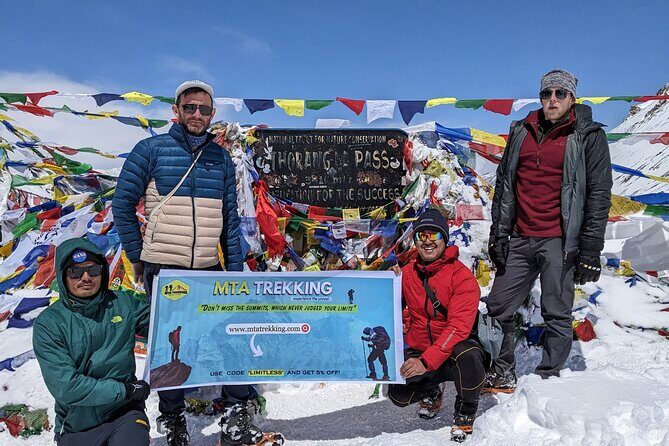
- Thorong La Pass at 5,416m: The highest point on this trek, crossed without technical climbing skills.
- Manang acclimatization built in: Two nights in Manang plus a rest day option before Yak Kharka and Thorong Phedi.
- Permits handled on-route: You register for trekking permits at Dharapani.
- Equipment included: Trekking poles and crampons are part of the package.
- One-hour foot massage after the trek: Included to help your legs recover.
Entering The Annapurna Circuit With a Private Pace
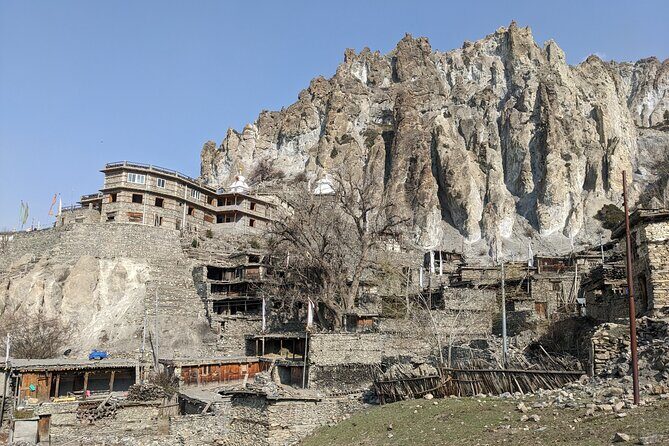
The Annapurna Circuit can feel like two trips at once: a hike through changing valleys and a slow lesson in altitude. This private version keeps your group together, with a guide who can adjust to your pace instead of pushing you along with a mixed group.
At $1,150 per person for an ~11-day trek, you’re paying for the essentials that usually cost time and energy to organize yourself. What you get is not just a route. You get meals, an experienced guide, trekking gear support, and the hotel nights that make the start and finish far less stressful.
Private doesn’t mean fancy mountain life, though. You’ll still sleep in trekking lodges and teahouses on the trail, where basic is the norm and you’ll plan around limited services. If you’re expecting a resort vibe, you’ll likely be disappointed. If you want the real Annapurna feel with practical support, this setup makes a lot of sense.
You can also read our reviews of more private tours in Kathmandu
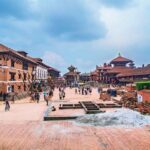
Kathmandu Start: Getting Oriented Without a Headache
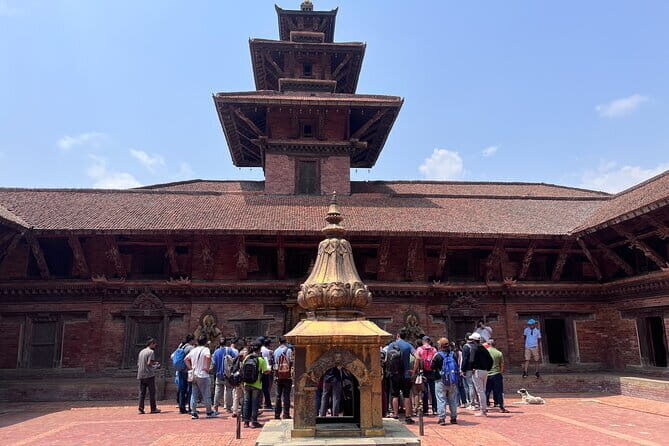
Your journey begins in Kathmandu, with a representative from MTA Trekking greeting you. You’re transferred to a deluxe budget hotel included in the package, then you get a short briefing on how the trek will run.
This first day matters more than it sounds. You’re arriving in a city where traffic, altitude, and unfamiliar logistics can make Day 2 feel harder than it should. With pickup offered and a planned transfer, you’ll spend less time figuring things out and more time getting your body ready.
If you want to be proactive, use the briefing to ask exactly how your guide expects your pace to feel on each ascent. A good rule for this kind of trek: trust the plan, but communicate early if you need to slow down.
Day 2 To Besisahar: A Scenic Setup Day
On Day 2, you travel from Kathmandu to Besisahar by public transportation. The drive takes about 4–5 hours and gives you a rural Nepal snapshot along the way. You check into a hotel in Besisahar and keep the rest of the day at leisure.
This is the right kind of day to have after arrival. You’re moving and seeing the country, but you’re not burning your legs on a steep climb before trekking even starts.
Practical tip: treat this as a warm-up for your routine. Keep hydrated, eat a real meal, and try to sleep early—your body will start noticing the trek schedule before you feel like it.
Besisahar To Chame: Forests, Villages, and Permit Paperwork
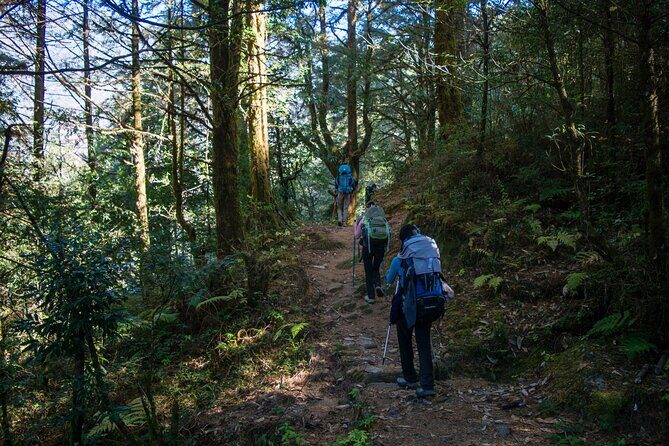
Day 3 drives you from Besisahar to Chame (about 2–3 hours). The route passes through Gurung and Magar villages, plus pine and rhododendron forests and a roadside waterfall.
Then comes a practical beat: you stop at Dharapani to register for trekking permits. That step can be a hassle on a DIY trip. Here, it’s built into the day, so your trek launch stays smooth.
Chame itself is where the trek identity starts to feel real. You arrive in the afternoon, check into a trekking lodge, and eat a home-cooked meal before sleeping well—because tomorrow has hiking time.
Possible drawback: a driving day plus a permit stop can make your day feel busy. If you’re the type who gets travel-fog easily, plan to keep your pace calm and avoid over-scheduling afternoon activities.
Chame To Pisang: Suspension Bridges and Paungda Danda
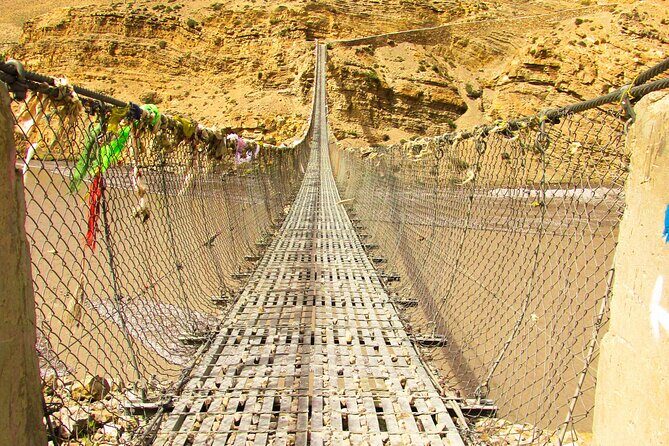
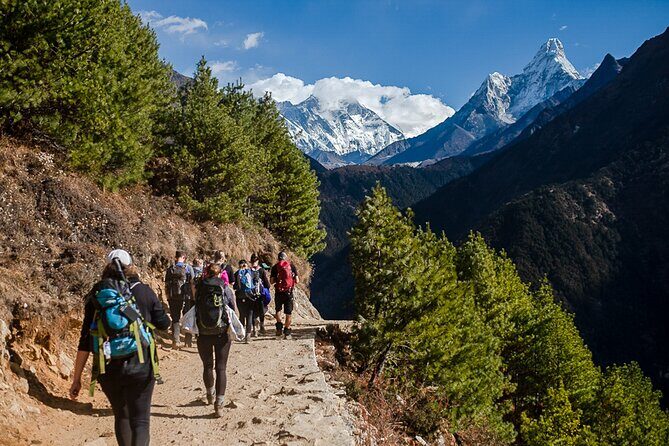
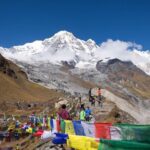
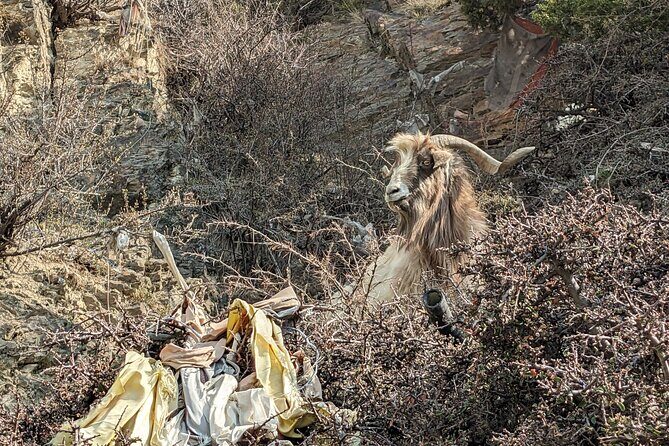
Day 4 is your first real hiking segment: Chame to Pisang in about 4–5 hours. The trail passes apple orchards, rhododendron and conifer forests, and suspension bridges strung with colorful prayer flags.
You’ll also get views of Paungda Danda, a flat-topped mountain that’s less talked about than the big names. That kind of detail is exactly why the Annapurna Circuit stays interesting even when the trek gets tougher—small scenic wins keep showing up.
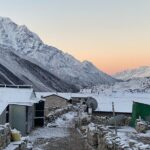
You arrive in Pisang in the afternoon and can relax in the alpine ambiance of the village. Think of it as a chance to settle into lodge life: wash up as you can, eat well, and prepare for Manang.
You can also read our reviews of more hiking tours in Kathmandu
Pisang To Manang: Braga Monastery and Big Views
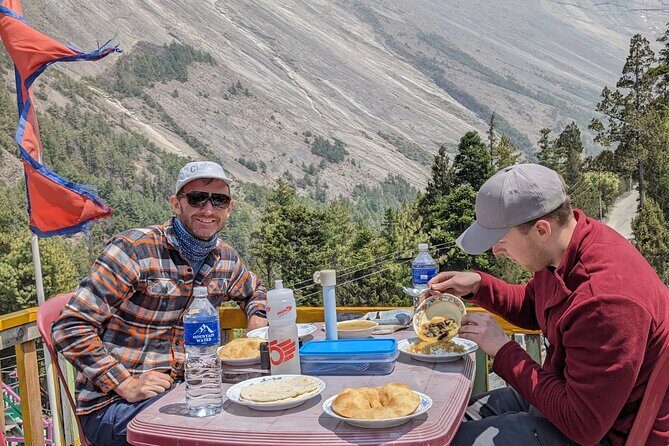
Day 5 is Pisang to Manang (about 5–6 hours). You hike through evergreen forests and pass through Humde and Braga, including a stop near the 900-year-old Braga monastery.
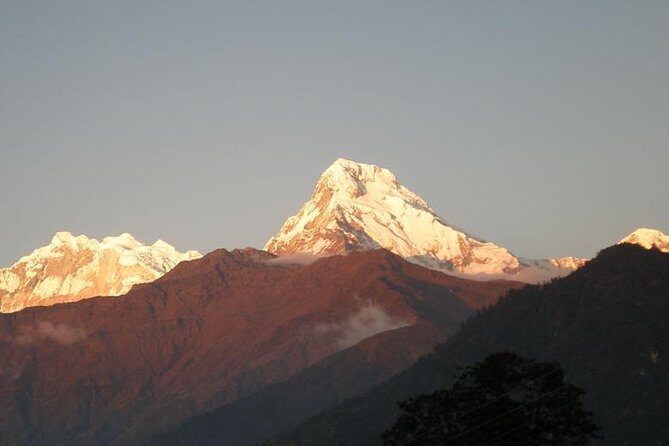
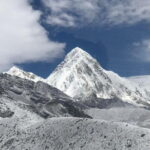
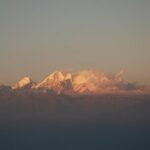
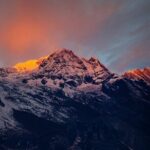
This day is also about views. Expect scenery around Gangapurna, Pisang Peak, and the broader Annapurnas, and you might see alpine lakes along the way.
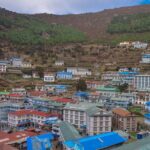
Manang is one of the better places on the route to be strategic. It’s a large community in the Annapurna region, which helps with acclimatization because you’re not stuck in a tiny outpost. You stay at a trekking lodge in the afternoon, and then you have two nights in Manang—that’s not a random padding day; it’s altitude insurance.
Two Nights in Manang: The Acclimatization That Makes the Pass Day Easier
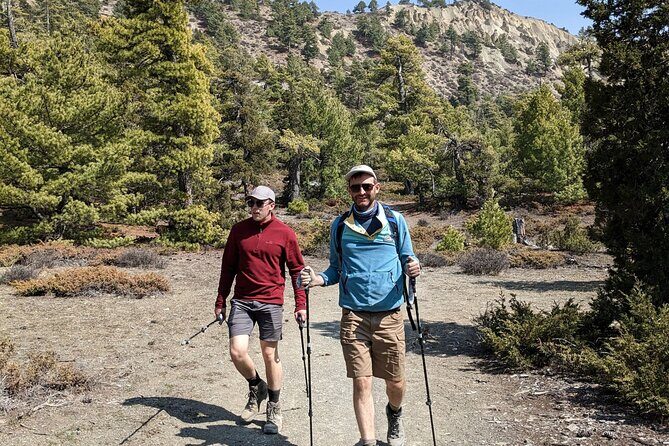
Day 6 is your acclimatization/rest day in Manang. You can rest, restock supplies, and eat at local restaurants. The itinerary also gives you an option to do a day hike to Gangapurna Lake or Kicho Tal if you feel good.
This is where smart trekkers win. The pass day requires sustained effort and a steady pace, not heroics. A rest day like this helps your body adjust so you can spend less time fighting your breathing.
If you’re tempted to sprint because you feel okay in town, resist that urge. Spend the day making yourself comfortable: short walks, good food, early sleep. You’re training for tomorrow, not testing yourself.
Manang To Yak Kharka: Suspension Bridges at Around 4,000m
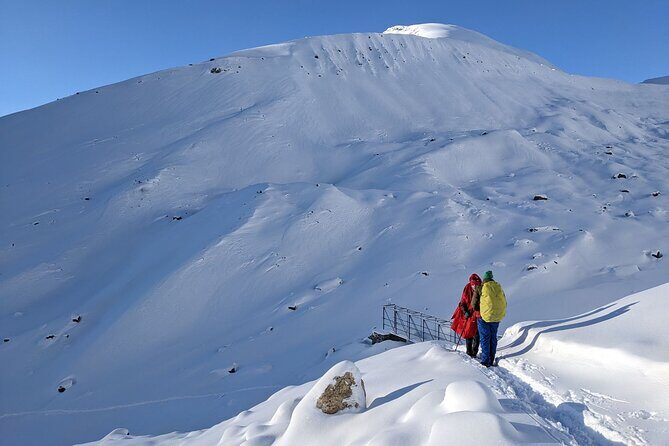
Day 7 goes from Manang to Yak Kharka in about 4 hours. Expect suspension bridges along the way, and you’ll hike around 4,000 meters.
Yak Kharka is a small village with teahouse stays and even a bakery—small comforts, but they matter when you’re tired. You arrive in the afternoon and can recover before the step up to Thorong Phedi.
Key consideration: at this altitude, “only” 4 hours can still feel like a lot. Keep your steps short and steady. If your breathing gets ragged, slow down immediately. Altitude punishes ego.
Yak Kharka To Thorong Phedi: Gravity-Defying Views and Teahouse Nights
Day 8 is Yak Kharka to Thorong Phedi, about 4–5 hours. You’ll trek around 4,600 meters, including crossing a notable suspension bridge described as gravity-defying.
Thorong Phedi is small, with great surrounding views, including Gangapurna, Tilicho Peak, and the Annapurnas. You sleep in a teahouse that night, giving you a realistic “waiting position” for the pass.
This is the day where you should treat your gear like your best friend. With trekking poles and crampons included, you’ll be ready to handle cold and rough surfaces if conditions demand it. Ask your guide what to expect and how you’ll use the gear on the pass.
Thorong La Pass (5,416m) to Muktinath: The Day You Train For
Day 9 is the headline: crossing Thorong La Pass at 5,416 meters. It’s described as the highest point on the Annapurna Circuit trek and one of the highest passes in the world that can be crossed without technical climbing skills.
That detail is huge for planning. You don’t need ropes and technical climbing experience, but you still need effort, pacing, and altitude respect. The hike is long and strenuous, about 8 hours, and it requires a steady, conservative rhythm.
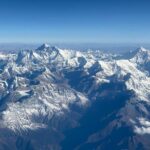
From the pass, the views can stretch to Dhaulagiri and Manaslu. Then you descend to Muktinath, a sacred town for both Hindus and Buddhists. After a long summit-style day, Muktinath can feel like a reset button—space to breathe, reflect, and recover in a spiritually charged place.
Practical drawback: Day 9 is not a day to be casual about timing. If you go too fast, you’ll pay later. This is where your guide’s experience matters most—maintaining pace and keeping you calm at altitude.
Jomsom and Pokhara: Ending With Gorge Views and Green-Gray Contrast
Day 10 takes you trekking toward Jomsom in about 5 hours. The route continues the sense of changing terrain as you work toward the finish.
Then on Day 11, you reach Pokhara. The final day is described as varied in feel—arid mountains to greener valleys—with a drive/route that passes the Kali Gandaki Gorge, traditional villages, terraced fields, and mountain views of the Annapurna and Dhaulagiri ranges.
And yes, this is when you feel it most: legs that were fine at the start suddenly remember every step. The good news is you’re not left hanging. You have your one night in Pokhara included, plus a one-hour foot massage after the trek to help recovery.
What’s Actually Included (and Why It’s Good Value)
The base price is $1,150 per person for a private, ~11-day Annapurna Circuit with MTA Trekking. Here’s what that cost covers, in practical terms:
- Permits: Includes ACAP permit and TIMS. This saves you hassle and keeps the trail paperwork from becoming your side quest.
- Guide: An experienced guide is included for the entire trek days.
- Food: Breakfast, lunch, and dinner during the trek (with the trip showing dinner 11 times, breakfast 10 times, lunch 9 times). This matters because consistent meals reduce your temptation to skip food while adjusting at altitude.
- Lodging: One night of hotel accommodation before the trek (Kathmandu) and one after the trek (Pokhara), plus trekking lodge/teahouse nights during the trek.
- Equipment: Trekking poles and crampons are included, which is helpful for pass-day readiness.
- Recovery help: One-hour foot massage after the trek is included, which I find rare at this price point.
What’s not included keeps your budget honest:
- Travel and rescue insurance
- Tips for guides and porters
- Porter (so you may need to arrange or hire one separately if you want)
- Bottled/boiled water, showers, laundry, bar bills, and extra phone costs
Value takeaway: the package covers the core moving parts—guide, permits, food, and key nights—so you’re not constantly paying small extras that add up over 11 days.
Gear, Fitness, and Altitude Reality Check
This trek is geared toward travelers with moderate physical fitness. The days are long enough that you’ll want to be comfortable hiking for hours, not just walking for an hour or two.
Altitude is the real boss here. You’ll spend time around 4,000 meters (Yak Kharka) and around 4,600 meters (Thorong Phedi), then cross 5,416 meters at Thorong La Pass. The itinerary’s structure—two nights in Manang and a rest day—helps you manage that, but it doesn’t remove the challenge.
Equipment-wise, having trekking poles and crampons included means you can focus on learning the rhythm rather than shopping last-minute.
Who Should Book This Private Annapurna Circuit?
You’ll probably love this trek if you want:
- A private route so the pace stays flexible
- A guided experience that handles permits and logistics
- Clear acclimatization with extra time in Manang
- Big payoff views tied to a climb that’s tough, but not technical
It may not be the right fit if:
- You want luxury amenities on the trail (teahouses and trekking lodges are basic by nature)
- You’re not ready for long days, especially the ~8-hour pass day
- You prefer a fully DIY setup (because here, the planning is handled for you)
One more note on guide quality: in past MTA Trekking Annapurna departures, guides such as Ghanshyam and Shishir have been praised for adapting to needs and keeping spirits up. No guide is perfect, but having that kind of track record is a comforting sign.
Should You Book MTA Trekking for the Private Annapurna Circuit?
If you want the Annapurna Circuit with fewer logistics headaches and a pass-day plan that respects altitude, I think this is a strong choice. The included permits, most meals, and the Manang acclimatization structure make the trek easier to execute well.
Before you click confirm, be honest about the pass day. If you’re likely to overpush early, choose discipline over bravado and follow your guide’s pace. If you can do that, you’ll be set up for one of Nepal’s most memorable high-altitude experiences—Thorong La and Muktinath—plus a finish that lands you in Pokhara feeling human again.
FAQ
How long is the private Annapurna Circuit trek?
The trek runs for about 11 days.
Where does the trek start and end?
It starts in Kathmandu and ends in Pokhara.
What is the highest point on this trek?
The highest point is Thorong La Pass, at an altitude of 5,416 meters.
Do I need technical climbing skills for Thorong La Pass?
No. Thorong La Pass can be crossed without technical climbing skills.
What’s included for meals and lodging?
You get one hotel night before the trek and one night after the trek, plus meals (breakfast, lunch, and dinner during the trek) and overnight stays in trekking lodges or teahouses during the trek.
Are trekking permits included?
Yes. The package includes the ACAP permit and TIMS.
Is pickup in Kathmandu included?
Pickup is offered, and you’ll also be transferred to your Kathmandu hotel.
Is trekking equipment provided?
Yes. Trekking poles and crampons are included.
What is not included in the price?
Travel and rescue insurance, tips for guides and porters, porter, and extra costs like bottled/boiled water, showers, laundry, and bar bills are not included.
What is the cancellation policy for a full refund?
You can cancel up to 6 days in advance for a full refund. If you cancel less than 6 full days before the start time, changes are not accepted under the full-refund terms.