REVIEW · KATHMANDU
13-Day Private Trekking Experience in Everest Base Camp
Book on Viator →Operated by Alpwander_adventures (Treks & Expeditions) · Bookable on Viator
Lukla to Everest Base Camp tests your legs. What makes this trek stand out is the way acclimatization is built into the route, so you gain elevation slowly and still move steadily toward Everest Base Camp and Kala Patthar.
I also like how the trek is properly organized start to finish, including domestic return flights and guided days that take the stress out of logistics. One consideration: you’re in high altitude cold country, and while tea-house lodging is included, hot showers, charging, and wifi are not during the trek.
If you’ve ever imagined the Everest region as only towering peaks, this itinerary adds the human side too: prayer walls, monasteries, Sherpa villages, and the rhythm of walking at altitude. Even the hardest-sounding days get softened by built-in breaks, with options like hiking for sunrise or aiming for Base Camp first.
In This Review
- Key Highlights You’ll Feel on the Trail
- Kathmandu Prep: Hotel Nights, Thamel Time, and Altitude Reality
- The Lukla Flight + Phakding Start: Where the Journey Begins
- Namche Bazaar and the Sagarmatha National Park Gateway
- Khumjung, Khunde, and Everest View Hotel: Acclimatization With Real Payoff
- Tengboche to Dingboche: Forest Trails, Prayer Wheels, and Bigger Peak Drama
- Dingboche Acclimatization + Lobuche Ridge: The Quiet Grind Toward High Ground
- Gorak Shep, Everest Base Camp, and Kala Patthar: Where You Earn the Big Views
- Returning Down the Mountain: Pheriche to Namche to Lukla
- Price and Inclusions: What $1,350 Covers (and What It Doesn’t)
- Choosing the Right Guide: Names Worth Remembering
- Who Should Book This Everest Base Camp Private Trek?
- Should You Book This 13-Day Everest Base Camp Private Trek?
- FAQ
- What is the meeting time for the trek?
- Does this tour include airport pickup in Kathmandu?
- Is this a private trekking experience?
- What’s included in the trek price?
- Are hot showers and wifi available during the trek?
- What level of fitness do I need?
- What is the cancellation policy for a refund?
Key Highlights You’ll Feel on the Trail
- Private trekking pace with a licensed guide so you’re not squeezed into someone else’s speed.
- Kathmandu to Lukla and back is handled by domestic flights, with airport pickup and dropoff in Kathmandu.
- Acclimatization stops at Namche Bazaar and Dingboche to reduce the risk of rushing too fast.
- Kala Patthar is a real goal, not an afterthought, with early-morning payoff potential for wide views.
- Tea-house lodging plus meals are included for most of the trek, which helps you budget and plan.
- Gear support is included, including trekking poles, a sleeping bag, and a first aid kit.
Kathmandu Prep: Hotel Nights, Thamel Time, and Altitude Reality
Your trek begins in Kathmandu, with pickup from Tribhuvan International Airport and a drop at a 3-star hotel. The first thing you’ll notice is how fast you shift gears: from city life to a mountain routine where hydration and pacing matter more than sightseeing.
You get two nights in Kathmandu tied to acclimatization and logistics. On day one, you also get time in Thamel, the travel zone where you can grab last-minute essentials, ask questions, and get your bearings. This is a good moment to do practical things: confirm what you’ll carry, check layers, and make sure you know where you’ll meet for the next morning.
Here’s what I like about this setup: it prevents the classic mistake of turning your first day into a frantic shopping sprint. Instead, you arrive, settle, and get ready for the big jump to Lukla.
One small heads-up: the trekking is in a moderate-fitness lane, not a couch-to-summit plan. If you’re new to hills or multi-day hiking, use Kathmandu time to rest and walk a bit around town, but keep it easy.
You can also read our reviews of more private tours in Kathmandu


The Lukla Flight + Phakding Start: Where the Journey Begins
The experience turns real on the flight from Kathmandu to Lukla, around 2800m. The short hop is part of why this trek is so popular: you’re not spending days grinding toward the mountains by road. You get mountain views from the air, then you’re on the trail.
From Lukla, you walk to Phakding, roughly 3 hours today, with a route that features prayer walls, monasteries, and monuments. The trail also brings suspension bridges early, which sets the tone for the Everest region: lots of crossing points, lots of stone, and a rhythm that’s more about breathing than racing.
Phakding sits around 2610m and feels like a Sherpa village base. You check into your lodge and use the afternoon for acclimatization habits. The single best trail tip I can offer from this plan is simple: drink. You’re advised to aim for 4 to 5 liters of water per day throughout the trek. That number sounds intense until you’re walking in thin air.
Why this first walking day matters: it helps your body settle before the elevation step-ups to places like Namche Bazaar. If you overdo it on day two, you pay later. Start calm, keep your breathing steady, and treat this as your warm-up.
Namche Bazaar and the Sagarmatha National Park Gateway
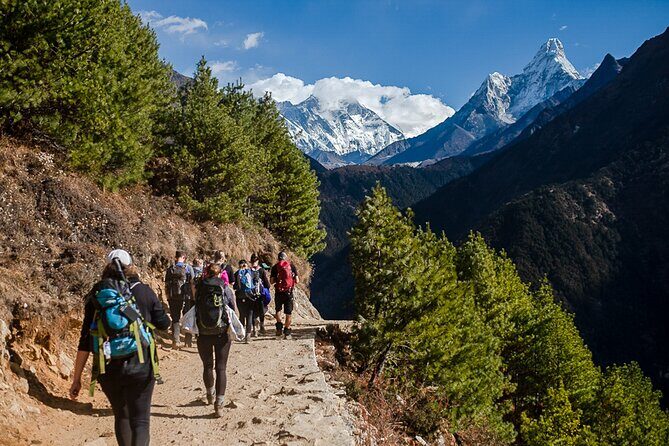
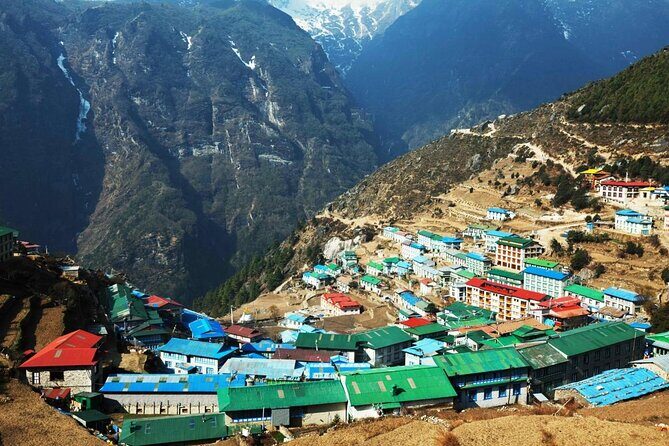
After a hot breakfast, the trek heads to Namche Bazaar. The route goes through places like Toktok, Benkar, Monjo, and Jorsalle, and you move toward the official entrance to Sagarmatha National Park. Along the way, you get multiple suspension bridges and a mix of trail up, then down, then leveling to flatter stretches before the climb called Namche Hill.
Namche Bazaar is around 3340m and is where you spend two nights. That extra time is not random. It gives your body a chance to adjust before you go higher again, which is crucial in Everest country.
This is also a town day, the kind where you can actually benefit from being in a hub. You’ll find lodges, restaurants, and plenty of ways to recharge mentally. The trek stays focused, but Namche lets you be a human for a bit.
For me, the best part of Namche isn’t the town. It’s what it sets up next.
Khumjung, Khunde, and Everest View Hotel: Acclimatization With Real Payoff
On the acclimatization day, you don’t stop moving. Instead, you hike higher and sleep lower, which is exactly what you want at this altitude. The plan includes walking up to the Everest View Hotel for big panoramic mountain views.
You also visit twin Sherpa villages: Khumjung and Khunde. This is where the trip becomes more than miles on a map. You’ll also have time around Namche, plus the option to visit the Sherpa museum.
Why this day is worth it: it lets you absorb the Everest region without pushing to your limit. You see mountains in daylight. You get a feel for the air. And you return to Namche for sleep, which helps your body adjust.
If you’re worried about whether acclimatization days feel like wasted time, this is the antidote. You work a little, you learn the altitude rhythm, and you get views that make the effort feel justified.
Tengboche to Dingboche: Forest Trails, Prayer Wheels, and Bigger Peak Drama
From Namche, you trek toward Tengboche, around 3870m. The walking today covers about 12 km and usually takes 5 to 6 hours, with a gradual but long ascent. Along the route you pass through forest zones, including rhododendrons, birch, and blue pine areas.
At points, the trail drops toward the Dudh Kosi River and crosses suspension bridges, including at Phungitenga. This area is known for prayer wheels driven by water, and you’ll have chances to spot smaller religious markers and stonework as you go.
Tengboche is also where the scenery shifts toward more dramatic mountain presence. Then the plan continues onward to Dingboche.
Day six moves through villages and pastures, including Pangboche, with lunch stops like Somare. You continue following the upstream of Imja Khola until you reach Dingboche. Dingboche is a key high-altitude base, and you get a strong view focus here, including peaks like Ama Dablam, Island Peak, Lhotse, Tawache, and more.
The practical benefit of reaching Dingboche: you’re closer to the high country goals, but the itinerary refuses to rush the final push. That matters for comfort and safety.
You can also read our reviews of more hiking tours in Kathmandu



Dingboche Acclimatization + Lobuche Ridge: The Quiet Grind Toward High Ground
Day seven is another acclimatization day. The plan aims for a higher elevation around 4900m, gaining about 500m over the course of the hike. The climb is described as about 3 hours, then you rest for 30 to 45 minutes near the high point before descending for lunch and an easier afternoon.
This is the kind of day that feels slower on paper, but it’s exactly how you prevent your system from falling behind. You’re practicing walking uphill with less oxygen, without the penalty of sleeping at the highest point.
There’s also an optional challenge: Nangkar Tshang (5616m). If you do it, expect a physically demanding outing. If you don’t, you still get the acclimatization value from the main plan and can save energy for what comes next.
On day eight, you head toward Lobuche. The day includes a short climb to a ridge above Dingboche, past a grassy moraine above the Khumbu Khola valley, then toward Thukla and up to a ridge line. One of the most striking moments here is the cairn memorial area with prayer flags, honoring mountaineers who passed away on Everest missions.
Then you continue down into Lobuche. This segment usually runs about 5 to 6 hours. It’s not just about altitude now. It’s also about mental focus, because the scenery becomes repetitive in a good way: same glacier valley shapes, same stone ridges, and a constant sense that you’re getting closer.
Gorak Shep, Everest Base Camp, and Kala Patthar: Where You Earn the Big Views
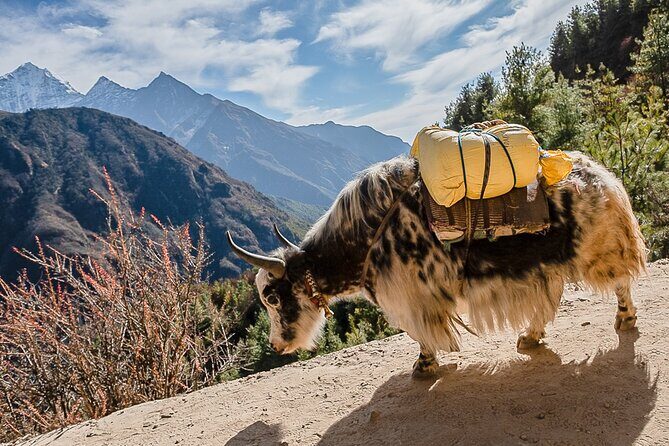
This is the heart of the trek.
Day nine moves from Dingboche’s region onward to Gorak Shep. After breakfast you follow the left bank of the Khumbu glacier, climb up toward the Changri glacier, then descend briefly to reach Gorak Shep. The walk is about 2.5 hours to get there. You’ll handle lunch and set up your base, then hike toward Everest Base Camp.
The plan calls this a very challenging day for most people. That’s honest. You’ll cover around 10 km, and the high altitude makes everything feel longer. You also get a choice depending on your energy: you can aim for Base Camp now, or choose to hike Kala Patthar for a sunset viewpoint instead and shift the Base Camp plan to the next day.
That flexibility is one reason this trek works for real humans instead of idealized fitness models. You can match the goal to your body on the day.
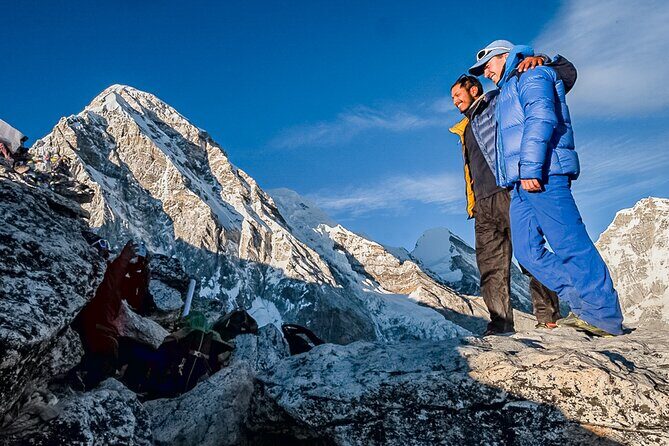
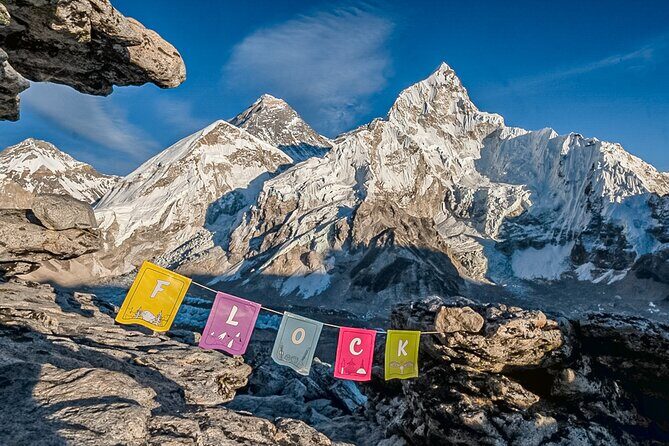
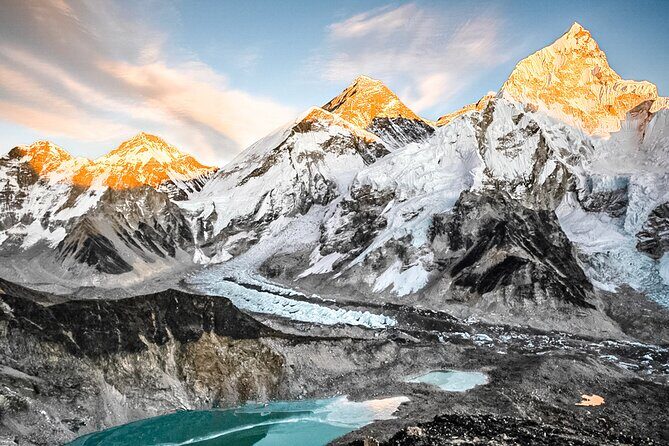
Day ten is the Kala Patthar morning. The hike starts early, and the ascent is described as about 400m up to the viewpoint, taking up to 2 hours from the hotel area. This is the classic payoff moment: a 360-degree view featuring Mount Everest plus peaks like Nuptse, Lhotse, Khumbutse, Pumori, Lingtren, Amadablam, Thamserku, and Lobuche peak. You’re also in position for sunrise and sunset views when conditions cooperate.
Then you walk down to Pheriche via Lobuche and Thukla. The trail gently descends until you reach Pheriche and settle for the night.
Here’s the value of this part: it gives you multiple ways to experience Everest’s presence. Base Camp is a specific place. Kala Patthar is a specific perspective. Both are high-stakes goals, and the plan accounts for the fact that your energy may not be symmetrical day to day.
Returning Down the Mountain: Pheriche to Namche to Lukla
The return is still long, even though you’re going downhill.
Day eleven takes you from Pheriche back to Namche Bazaar, about 22 km and 8 to 9 hours. Because you’re descending to lower altitude, your pace often improves compared to the uphill days. But your legs still take a hit. Expect day eleven to feel like distance more than altitude.
You also get a fun human break in Namche, including time around Namche Bakery and Cafe Danfe (with the option to play pool). It’s a small detail, but these little morale boosters matter at the end of a hard trek.
Day twelve brings you back toward Lukla. It’s another long day, described as 7 to 8 hours and about 21 km. You start with downhill back toward Namche Hill, pass Phakding again, then hit the last uphill section into Lukla. This last push can be tougher than day two because you’re already tired.
Day thirteen is your reward day: a flight back to Kathmandu around 8:30 am and a short, scenic return flight time of about 35 minutes. Then you get back to your hostel routine: hot shower, laundry, café time, and last-hour shopping.
Price and Inclusions: What $1,350 Covers (and What It Doesn’t)
At $1,350 per person for a private 13-day Everest Base Camp trek, the value question comes down to what’s handled for you versus what you still manage.
On the included side, you get:
- Government taxes and national park permits
- A government license holder trekking guide
- Domestic return airfare Kathmandu–Lukla–Kathmandu, plus airport pickup and dropoff
- Two nights in Kathmandu at a 3-star hotel with breakfast
- 11 nights in tea houses during the trek
- 12 days of guided trekking through the Everest region
- Breakfast, lunch, and dinner at mountain tea houses during the trek
- Trekking poles, sleeping bag, and a first aid kit
- A trekking t-shirt
- Private vehicle airport transfers during arrival and departure
On the not-included side, you should expect to pay extra for:
- Bottled water and alcohol
- Electronic charging and wifi during the trek
- Hot shower during the trek
That last point is the one that surprises people. You’ll be tired and cold at altitude. You’ll want comfort. The plan gives you good shelter and meals, but it doesn’t give you the spa treatment mid-trek. Plan your expectations and pack layers accordingly.
Also think about hydration. Since bottled water isn’t included, you’ll want to budget and plan for water access, and follow your guide’s hydration guidance.
Choosing the Right Guide: Names Worth Remembering
This is a private trek, so your guide has outsized influence on how the days feel.
In prior trek experiences, guide names like Kumar, Dorchi Sherpa, Dan, and Arkita come up for being helpful and professional, with Dorchi Sherpa especially noted for caring guidance. If you have flexibility during booking, it’s worth asking whether you can be matched with one of these guides or someone with similar experience.
Even if you don’t get the exact name you asked for, the key is that you’ll want a guide who keeps you on track for acclimatization days and adjusts the pace to your condition, not just a stopwatch.
Who Should Book This Everest Base Camp Private Trek?
This trek fits best if you:
- Have moderate physical fitness and can hike 5 to 9 hours on mixed terrain
- Want the classic Everest Base Camp experience but prefer a guided plan that handles permits and flights
- Like Sherpa villages and cultural stops, not just summit-style ticking
- Are okay with cold nights and the reality that hot showers and charging aren’t part of the trek
If you’re brand-new to hiking at altitude, you can still be a candidate. But be honest with yourself about training and recovery before you go. If your knees, lungs, or stamina are shaky, do the prep work first.
Should You Book This 13-Day Everest Base Camp Private Trek?
I’d book this if you want a clean, well-supported route with private pacing, acclimatization days, and the key goals of Everest Base Camp plus Kala Patthar views. The inclusions are strong: flights, permits, guide support, tea-house nights, and meals reduce the friction that can ruin a mountain trip.
I’d pause if you know you need mid-trek comfort like hot showers, or you rely on charging and wifi to function. This plan is built for trekking life, not constant device time.
Bottom line: if you can handle basic discomfort and you want Everest in a guided, organized way, this is a solid pick.
FAQ
What is the meeting time for the trek?
The start time is 6:15 am.
Does this tour include airport pickup in Kathmandu?
Yes. You get airport pickup and dropoff in Kathmandu on a private vehicle during arrival and departure.
Is this a private trekking experience?
Yes. It’s a private tour/activity, meaning only your group participates.
What’s included in the trek price?
It includes national park permits and taxes, a licensed trekking guide, domestic return airfare Kathmandu–Lukla–Kathmandu with airport transfers, Kathmandu hotel nights, tea-house accommodations, guided trekking days, and breakfast/lunch/dinner during the trek. Trekking poles, a sleeping bag, and a first aid kit are also included.
Are hot showers and wifi available during the trek?
Hot showers during the trek are not included. Electronic charging and wifi during the trek are also not included.
What level of fitness do I need?
You should have a moderate physical fitness level.
What is the cancellation policy for a refund?
You can cancel up to 6 days in advance for a full refund. Cancel 2–6 days before for a 50% refund. Cancel less than 2 days before and there is no refund.