White water near Kathmandu is a real eye-opener. Trishuli rafting is one of the easiest escapes from the Kathmandu valley, about 60 km away, and the run finishes by the holy Manakamana Cable Car point. I love the quick access from the city and the way the trip stays simple and action-focused.
I also like that the package is built for comfort: life jacket and lunch are included, and you get a 1-night stay in Trishuli so it doesn’t feel like a rushed, one-and-done outing. The group size is kept small (max 8), which helps the guides keep things organized and fun. One sweet memory people bring home is a chance to splash or swim in the river when it fits the moment.
One consideration: this rafting day is for people with the right mindset and basic comfort on water. Plan for moderate physical fitness, respect the fact it depends on good weather, and note the booking is non-refundable and can’t be changed once you commit.
In This Review
- Key Highlights You’ll Actually Care About
- Trishuli River: An Easy Day Escape From Kathmandu
- What the Water Time Feels Like on Trishuli
- Your Day Timeline: 9:15 Start and a Whole Experience, Not a Quick Photo Stop
- Private Car Pickup From Kathmandu: The Unsexy Part That’s Actually Valuable
- Life Jackets, Lunch, and the Real Meaning of What’s Included
- Manakamana Cable Car Point: Turning the Finish Into Something More
- Price and Value: Is $300 Fair for Trishuli Rafting?
- Who This Trip Suits Best (and Who Should Think Twice)
- Packing Tips That Actually Help on Drafty, Sunny Water
- Weather, Minimum Numbers, and the Reality of Booking
- Should You Book Trishuli Rafting? My Practical Verdict
- FAQ
- What is the starting point for Trishuli Rafting?
- What time does the rafting start?
- How long does the experience take?
- Is lunch included?
- Is a life jacket provided?
- Is insurance included in the price?
- How many people are in the group?
Key Highlights You’ll Actually Care About
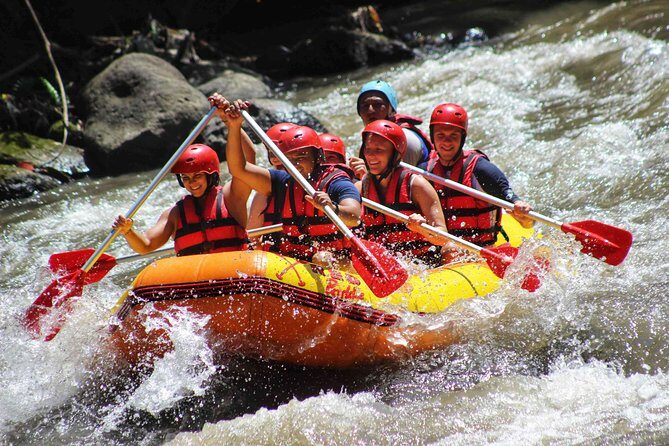
- Small group limit (max 8): less chaos, more time for your guide to explain, and easier boat assignments.
- Pickup by private car from Kathmandu: you spend less time guessing transport and more time getting ready for water.
- A real white-water river run: rapids, turbulent gorges, and fast scenery changes along the Trishuli.
- Guides who keep it confident: the experience gets strong credit for the guidance from Dev and Dave/Bishal.
- Manakamana Cable Car finish point: you can roll rafting energy right into a well-known spiritual stop.
Trishuli River: An Easy Day Escape From Kathmandu
The big appeal here is how reachable Trishuli River rafting is when you’re based in Kathmandu. You’re looking at roughly 60 km from the Kathmandu valley to the rafting area, which means you don’t need to structure your entire vacation around getting to remote water.
That matters because rafting is already a logistics-heavy activity. You need time for gear, safety briefing, transfers, and lunch breaks. When your base is close, the day feels more relaxed even when the water gets intense.
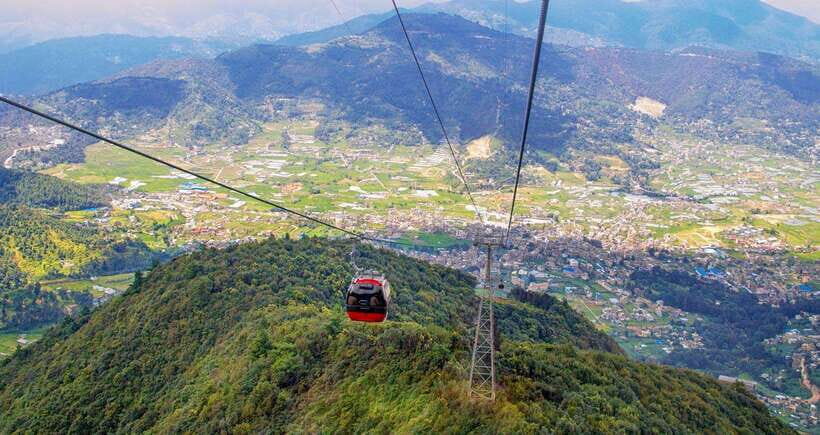
And then there’s the ending. The route leads to the holy Manakamana Cable Car point, so the rafting story doesn’t stop the moment you dry off. You get a meaningful transition into a place Nepal is known for, all without turning this into a half-week travel project.
You can also read our reviews of more tours and experiences in Kathmandu.



What the Water Time Feels Like on Trishuli
Trishuli is the kind of river where the fun comes from variety. Expect a mix of rapids, turbulent gorges, and lots of natural scenery moving past the boat. This isn’t about floating in a straight line while nothing happens.
White-water rafting also asks for a simple kind of teamwork. Your crew in the raft needs to paddle together when the guide calls it, and you need to follow instructions fast. The good news is that guides here get praised for making people feel guided and capable, including credit for Dev and for guides named Dave and Bishal.
There’s also a practical reality: you’ll get wet. You should be comfortable with that. The sun can be strong, so it’s smart to cover shoulders with breathable layers instead of relying only on sunscreen.
One more detail I’d plan around: the river experience can be physical, even if you’re not doing anything “gym-like.” You’ll want a moderate fitness base so getting in and out of the raft and keeping your balance during action doesn’t feel like a struggle.
Your Day Timeline: 9:15 Start and a Whole Experience, Not a Quick Photo Stop
The activity starts at 9:15 am, with ticket redemption and meeting tied to Travel Pinto, Kathmandu (44600, Nepal). It ends back at the same meeting point. That round-trip setup is more convenient than starting and ending in random locations.
Because the total duration is listed as about 8 hours, it’s worth thinking of this as a full day of transportation plus water time, not just time on the river. On top of that, the package includes 1 night stay in Trishuli, which strongly suggests your full experience is spread across more than one part of the itinerary or includes a second-day component before returning.
So how should you picture your schedule? Likely this looks like:
- Morning pickup from Kathmandu
- Rafting and lunch during the day
- Time to settle into the Trishuli area overnight
- Return back to the meeting point afterward
If you hate uncertainty, ask your operator to confirm your exact day-by-day timing when you book. But the structure you should plan for is clear: you’re not just doing an hour-long river activity and driving home.
Private Car Pickup From Kathmandu: The Unsexy Part That’s Actually Valuable
A private car pickup and drop is one of those features that sounds boring until you’re stuck in it. In Kathmandu, traffic and meeting points can turn “quick travel” into a headache. This plan includes pickup and drop in a private car, which helps keep the day running on time.
It also helps you manage rafting logistics. You don’t want to be juggling buses and shared taxis while trying to keep your schedule and belongings organized.
And since the group is limited to up to 8 travelers, you’re less likely to be delayed waiting for a long line of participants. Smaller group setups generally mean fewer waiting moments.
Life Jackets, Lunch, and the Real Meaning of What’s Included
Here’s what’s included in the price:
- Pick up and Drop by private car
- White-water rafting
- Life jacket
- Lunch
- 1 night stay in Trishuli
What this adds up to, in plain terms, is that you’re not paying extra just to make the day possible. Life jacket and lunch cover two big “hidden costs” people often run into on tours like this. You also get the safety basics without needing to source them yourself.
What’s not included:
- Insurance
- Private expenses
- Photos & videos
- Anything not explicitly mentioned in the inclusions
That last point matters. If you want photos or video, budget for it separately. Most rafting outfits charge for action shots later, and if you expect them to be included, you’ll end up disappointed.
Also, insurance: since it’s not included, make sure your travel insurance covers water sports and river activities. If you don’t, you’re essentially relying on luck.





Manakamana Cable Car Point: Turning the Finish Into Something More
The rafting run leads to the Manakamana Cable Car point, and that’s a neat twist. Many rafting trips end with a return drive. This one ties your river time to a well-known pilgrimage site area.
What that means for you on the ground: you can treat the end of rafting as the start of a cultural and spiritual stop rather than a just-a-logistics ending. Even if you’re not religious, Manakamana is a recognizable Nepal story, and it gives your rafting day a sense of place.
It’s also practical. When you end near a major landmark area, you’re less likely to feel stranded or stuck waiting for a long time before you can settle in for the next phase of the trip.
Price and Value: Is $300 Fair for Trishuli Rafting?
The price listed is $300.00 per person. That’s not cheap if you’re thinking only about “time on the river.” But this isn’t priced like a bare rafting ticket either.
You’re also paying for:
- Private car transfer (pickup and drop)
- Rafting gear basics (life jacket)
- Lunch
- A 1-night stay in Trishuli
- A small-group experience (max 8), plus group discount structure
So the value equation changes. If you were to arrange transportation, meals, and lodging separately, the total would likely climb quickly. The included overnight stay is a key piece that makes the price feel more reasonable for people with at least part of a flexible schedule.
Group discounts are also mentioned, which can help if you’re not going solo. If you’re traveling as a duo or small circle, it can improve value fast.
One more thing: because photos and videos aren’t included, you may want to decide in advance whether you’re okay skipping them or planning for an extra cost.
Who This Trip Suits Best (and Who Should Think Twice)
This rafting setup is a strong fit for people who:
- Are comfortable getting wet and listening to a guide quickly
- Have moderate physical fitness
- Want a “reachable from Kathmandu” adventure without a multi-day, far-away slog
- Prefer small groups and direct guidance over big-tour chaos
- Like combining action with a meaningful place finish (Manakamana)
It may be less ideal if you:
- Are anxious about being on a raft or struggle with basic water confidence
- Have strict timing constraints and can’t risk weather-related changes
- Want a fully independent DIY adventure with no scheduling
A note from the advice people bring to the table: be confident on the boat and paddle, and don’t bring valuables. River trips add risk through water, motion, and accidental splashes.
Packing Tips That Actually Help on Drafty, Sunny Water
You won’t find a perfect packing list here, but you do have useful guidance from past experience. Plan around sun and splashes.
Bring:
- A breathable top that covers your shoulders if the sun is strong
- Something you’re okay getting wet
- A way to keep personal items safe and dry (even if you think you’ll be careful)
Avoid:
- Valuables you’d hate losing or damaging
- Anything you can’t replace easily
If you wear sunglasses, you might find yourself thinking about how to keep them secure. If you’re not sure, skip them and focus on enjoying the ride.
Weather, Minimum Numbers, and the Reality of Booking
This experience requires good weather. If poor weather cancels the activity, you’ll be offered a different date or a full refund. It also requires a minimum number of travelers. If that minimum isn’t met, you’ll either get a different date/experience or a full refund.
One more booking truth: the experience is non-refundable and cannot be changed for any reason. That can sound harsh, but the weather and minimum-number safety nets still matter. The part to watch is committing when your schedule is tight or when you’re the only one in your group who can travel.
Should You Book Trishuli Rafting? My Practical Verdict
I’d book Trishuli River rafting if you want a high-energy Nepal day that starts in Kathmandu and doesn’t require complicated planning. The included pickup/drop, life jacket, lunch, and 1-night stay in Trishuli make it feel like a real package rather than a “pay extra for everything” setup.
It also scores high on guidance. The experience is repeatedly credited to rafting leadership from Dev, plus guides named Dave and Bishal, which is exactly what you want when you’re dealing with white-water.
I’d pause only if you hate weather-dependent plans, you’re not comfortable on water, or you need a totally changeable itinerary. If you can handle that, this is the kind of trip that gives you a strong Nepal memory fast.
FAQ
What is the starting point for Trishuli Rafting?
The tour starts at Travel Pinto, Kathmandu 44600, Nepal, and the ticket redemption point is also Travel Pinto.
What time does the rafting start?
Start time is 9:15 am.
How long does the experience take?
The duration is listed as about 8 hours.
Is lunch included?
Yes. Lunch is included in the package.
Is a life jacket provided?
Yes. A life jacket is included.
Is insurance included in the price?
No. Insurance is not included.
How many people are in the group?
This tour/activity has a maximum of 8 travelers.
If you want, tell me your travel month and how many people are in your group, and I’ll help you think through whether you should aim for Trishuli as a day trip or plan it as a two-day-style outing based on your schedule.