REVIEW · KATHMANDU
Chisapani Nagarkot Trekking
Book on Viator →Operated by Outshine Adventure Pvt Ltd · Bookable on Viator
A short trek can still feel epic. This one strings together Chisapani forests, Nagarkot sunset and ridge views, and a cultural walk to Changu Narayan Temple—all in about 3 days. I love that the trip is built for limited time and doesn’t leave you guessing, since transfers, a licensed English-speaking guide, and all main meals are included. One drawback to plan for: you can end up tackling a serious stair climb on the way to your first night’s lodging.
You also get a clear sense of the Kathmandu Valley’s world—Tamang villages, terraced fields, and the hills that frame the city. The guide support and group size (max 15) help you keep moving without feeling lost. Just be ready for an early start (the tour starts at 6:30am) and a moderate effort level, especially if stairs wear you out.
In This Review
- Key highlights worth your attention
- A Short Trek With Real Himalayan Views in Only 3 Days
- Price and Logistics: What the $350 Covers (and What It Doesn’t)
- Day 1: Sundarijal to Chisapani via Mulkharka and Shivapuri Forest
- Chisapani’s Forest Walk: Tamang Life and Ridge Air
- Day 2: Chauki Bhanjag to Nagarkot and That Sunset Moment
- Day 3: Sunrise to Changu Narayan Temple Through Terraced Villages
- Guesthouses and Meals: Low-Stress Trekking With One Caution
- Getting the Most From the Views: Timing and Weather Reality
- Who This Trek Suits Best (and Who Might Feel It More)
- Value Check: Does This Feel Like a Good Deal?
- Potential Watch-Outs: Stairs, Temple Fees, and Basic Meals
- Should You Book Chisapani Nagarkot Trekking?
- FAQ
- What is the duration of the Chisapani Nagarkot trek?
- Where do you start, and what time does the tour begin?
- What’s included in the price?
- Are meals included?
- Are entrance tickets included?
- What fitness level do you need?
- How large is the group?
Key highlights worth your attention
- Guesthouse nights on the trail with breakfast, lunch, and dinner included
- Licensed English-speaking guide who keeps the day organized and informative
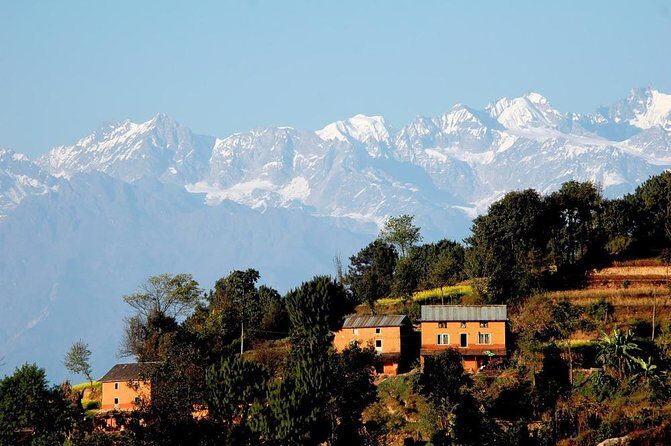
- Nagarkot ridge views timed for sunset, with wide Himalaya views on clear days
- Cultural trail moments in Tamang villages and terraced farming around Changunarayan
- Temple access detail: Changu Narayan admission is not included
A Short Trek With Real Himalayan Views in Only 3 Days
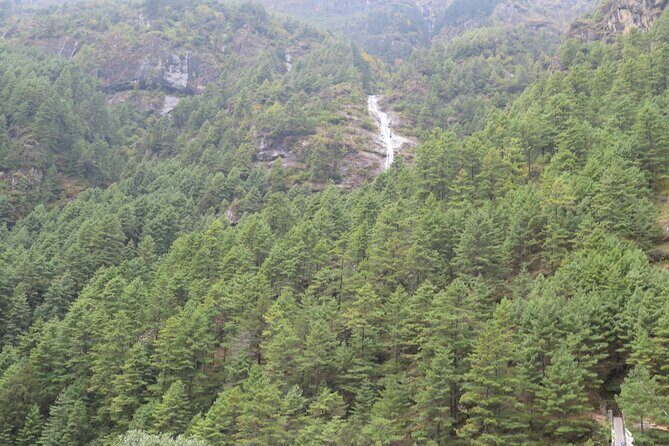
If you’re staring at your calendar and thinking you can’t spare 10-plus days, this trek is designed for you. You stay close to Kathmandu but still get that “leave the city behind” feeling as you walk through forested hills, small villages, and viewpoints over the valley.
I also like how the day structure stays simple. You start with an easy-to-follow plan, hike long enough to feel you truly trekked, then end at guesthouses for the night. There’s no need to manage meal hunting or constant route decisions.
The best payoff is the way the views build. Day 2 focuses on the famous Nagarkot hill station mood, and Day 3 is set for an early wake-up to catch sunrise in the eastern Himalayan direction. It’s not a marathon trek—just a compact hit of Nepal scenery.
You can also read our reviews of more hiking tours in Kathmandu


Price and Logistics: What the $350 Covers (and What It Doesn’t)
At $350 per person for roughly 3 days, the value mostly comes from what’s bundled in. You get two nights in guesthouses, a licensed English-speaking guide, and surface transfers by private car between Kathmandu and the trail access points. You also get all meals listed as breakfast (2), lunch (3), and dinner (2).
That matters because trekking costs can creep up fast when you’re paying for guide time, food, and transportation separately. Here, you can budget one number and focus on the hike.
What’s not included is also clear. Drinks, tips, and any other expenses beyond meals are on you. Also, the Changu Narayan Temple admission ticket is not included. If you’re the type who likes to avoid surprises, bring a little cash for that temple entry.
Day 1: Sundarijal to Chisapani via Mulkharka and Shivapuri Forest
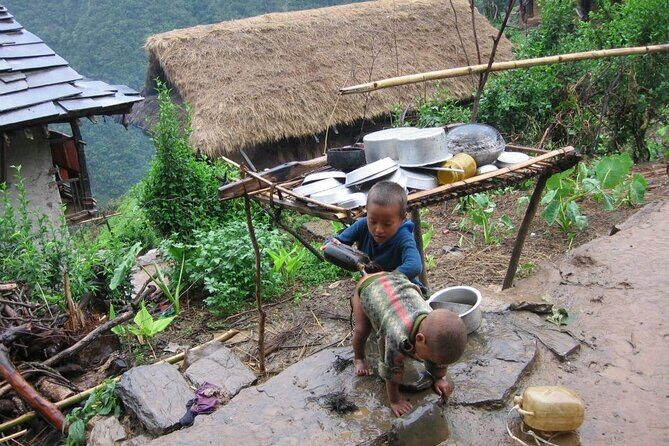
Day 1 starts with a drive from Kathmandu to Sundarijal (2200m). From there, you begin hiking through Mulkharka village, walking with Tamang community paths and passing through wooded terrain. The route climbs toward an east ridge, then works its way through Shivapuri forest with oaks and rhododendron.
What I like about Day 1 is that it sets the tone without trying to overwhelm you. You’re earning altitude, yes, but the walk feels like you’re moving from village life into forest shade and ridge air. It’s a good way to settle into trekking rhythm.
One practical thing to note: there can be a lot of stairs on this side of the route. In one disappointing case, the approach to the first night’s guesthouse involved more than 100 flights of stairs. That doesn’t mean it’s always that intense, but it’s a real possibility—so wear grippy shoes and plan for leg fatigue.
You end at Chisapani (around 2300m) for the first guesthouse night.
Chisapani’s Forest Walk: Tamang Life and Ridge Air
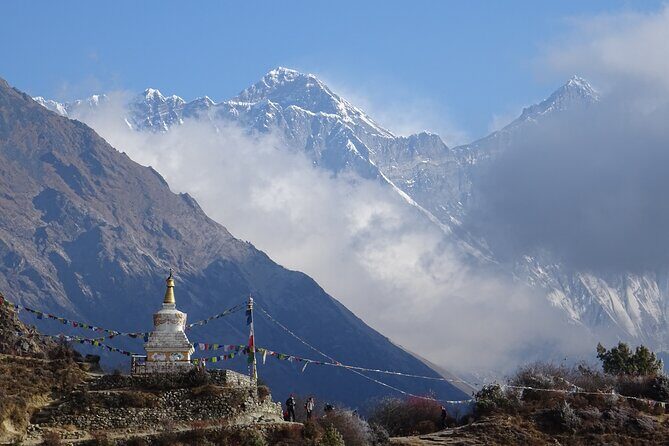
Even though Chisapani is the overnight base, Day 1 is where you feel the character of the area. The combination of village sections and forest sections gives you an easy mental “map” of what you’re doing: start in lived-in community space, then gradually shift into trekking corridor and woodland.
The Tamang presence on the trail isn’t just a cultural label—it comes through in how the route threads through villages and along community paths. That’s one reason this short trek doesn’t feel like a generic viewpoint walk.
Also, that oak and rhododendron mix is part of the atmosphere. You’re not just walking uphill; you’re walking through a specific kind of hill forest typical of the Shivapuri area. If you enjoy noticing local geography—tree types, shade, and the feel of the ridge—you’ll likely enjoy this day more than people who only care about end-of-day panoramas.
Day 2: Chauki Bhanjag to Nagarkot and That Sunset Moment
Day 2 is where the trek turns into a view day. After waking up, you start hiking toward Chauki Bhanjag, then continue along charming trails to Nagarkot (2175m). The transfer into motion feels fairly direct: about 2.5 hours to reach Chauki Bhanjag, then additional walking onward.
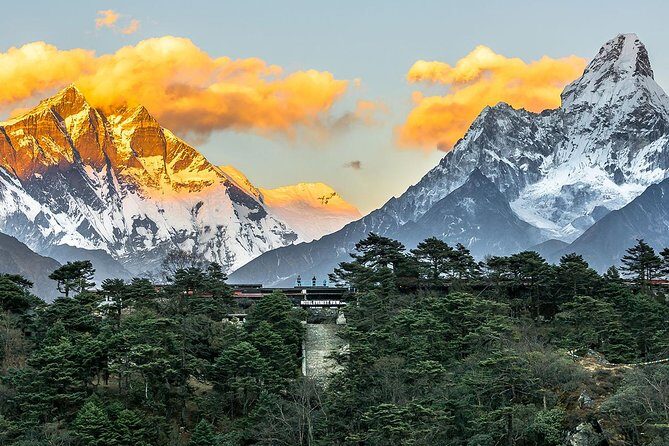
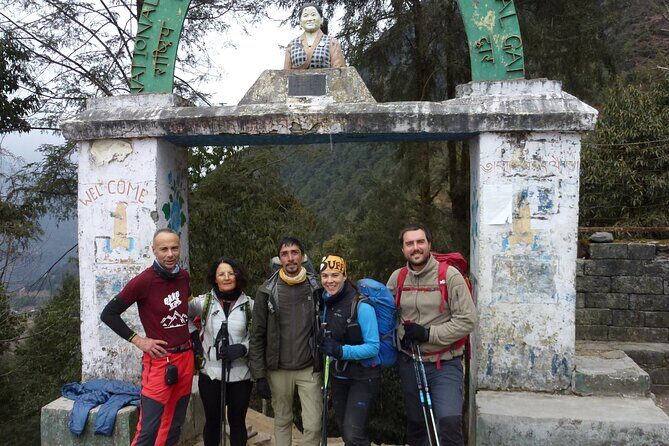
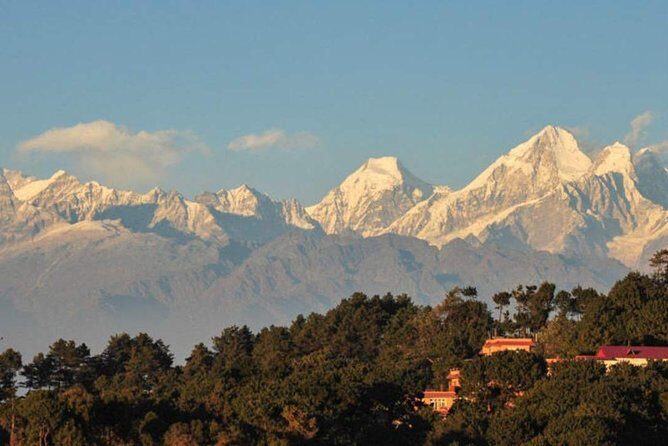
Nagarkot is popular for a reason. On clear weather, you can get a sweeping Himalaya line—described as stretching from Dhaulagiri in the west past Everest toward Kanchenjunga in the east. Reality check: clear weather isn’t guaranteed, but the point is that the viewpoint geography is set up for big views when the skies cooperate.
You’ll also have time for sunset from Nagarkot hill station. That timing is a big part of why people make the trip. The ridge and hill-station positioning gives you a high chance of catching that gradual light shift over the valley and mountains.
You end Day 2 at Nagarkot for the second night.





Day 3: Sunrise to Changu Narayan Temple Through Terraced Villages
Day 3 begins early. The plan is to wake up for sunrise through the eastern Himalayan ranges, including mention of Mt. Everest in clear conditions. Then you hike to Changu Narayan Temple.
On the trail, you pass terraced fields and dense Tamang ocher-colored traditional villages. This part is more “human scale” than forest corridors: you’re walking through farmland and settlement edges near Kathmandu, seeing how traditional life still continues surprisingly close to a major city.
You may even see people making Raksi, a local wine prepared by simple distillation. That’s one of those small details that can make the day feel real, not tourist-only.
The hike then transitions into more natural terrain with deciduous forest. You finish at Changu Narayan Temple, but keep in mind the admission ticket is not included, so plan a small extra budget for that entrance fee.
Guesthouses and Meals: Low-Stress Trekking With One Caution
The trek includes two nights of guesthouse accommodation, which is exactly why this works for beginners. You don’t have to decide what to eat or where to sleep each night. Meals are also handled: breakfast (2), lunch (3), dinner (2).
This is a big deal if you’re short on time and want the trekking to feel smooth. It also reduces “wasted time” in the middle of hiking days, since you’re not stopping to negotiate meals.
That said, don’t assume every dinner will feel fancy. One frustrated experience described dinner as saimin noodles, and the guest felt there was no effort to meet expectations. I wouldn’t build your whole trip around gourmet food. Instead, think of meals as fuel: filling enough to keep walking, but basic in style.
For your own comfort, bring water purification supplies if you use them, pack a snack you love, and keep expectations grounded. Trekking days often reward the simple stuff.
Getting the Most From the Views: Timing and Weather Reality
This route is timed to views twice: sunset at Nagarkot and sunrise on Day 3. That means early mornings are part of the bargain.
The itinerary also makes it clear that the Himalaya views depend on the weather. The description emphasizes clear weather for the long-distance range line. That’s common in Nepal hill regions—clouds can hide peaks even when the hike itself is going well.
So here’s the practical strategy: come prepared to enjoy the hike even if visibility is partial. If the peaks aren’t crisp, you can still enjoy ridge light, forest textures, village scenery, and the valley perspective. The “win” is not only the tallest peaks; it’s the sense of being on the Kathmandu Valley’s high edge.
Who This Trek Suits Best (and Who Might Feel It More)
This trek is designed for people with moderate physical fitness. It’s also a good fit if you’re a beginner or only want a short taste of trekking culture.
Why beginners often like it:
- You’re guided by a licensed English-speaking guide
- Meals are planned, and guesthouses handle the overnight basics
- The itinerary length is short, so you’re not committing to a long schedule
Why some people may struggle:
- Expect stairs and steep bits at times, including the possibility of a huge stair climb on Day 1 to reach lodging
- It starts early, at 6:30am
If your body doesn’t like lots of steps, choose footwear with strong grip and consider trekking poles if you’ve used them before. If you’re fine with hills and short climbs, this will feel manageable and satisfying.
The maximum group size is 15 travelers, which usually keeps the pace from becoming chaotic.
Value Check: Does This Feel Like a Good Deal?
For a short trek, you’re paying for convenience plus guided support. Your money goes toward:
- Private car surface transfers (Kathmandu to Sundarijal, and Nagarkot back to Kathmandu)
- Two guesthouse nights
- A local government licensed English-speaking guide
- Meals throughout the trip
- Taxes included
For many people, that’s what makes it worth it. Independent trekking in Nepal can be cheaper in some cases, but the “time cost” and logistical work can be significant—especially when you only have 3 days. Here, the plan is built so you can spend your effort on walking and enjoying the scenery.
If you’re the kind of traveler who loves full self-planning and prefers to choose every meal and route detail yourself, this may feel a bit structured. But if you want a smooth experience with local guidance, the pricing looks like a fair package.
Potential Watch-Outs: Stairs, Temple Fees, and Basic Meals
There are a few items worth putting on your personal checklist before you book:
- Stair intensity on Day 1: one disappointment cited a climb that was effectively more than 100 flights of stairs just to reach the first night. Even if that’s at the high end, assume there will be plenty of steps.
- Changu Narayan Temple admission: the temple entry ticket is not included, so budget for it.
- Food expectations: meals are included, but one account described dinner as saimin noodles and felt it wasn’t handled well. Your experience may be fine, but don’t expect gourmet variety.
If you handle those three points—stair tolerance, temple fee, and food realism—you’ll likely have a far smoother trip.
Should You Book Chisapani Nagarkot Trekking?
I’d book this if you want a beginner-friendly, short trek that still delivers real Nepal atmosphere: forests, ridge views, Tamang village life, and two strong viewpoint moments (Nagarkot sunset and Day 3 sunrise). The included guide, guesthouse nights, and all main meals remove a lot of stress that can drain energy on short trips.
I’d think twice if you hate stairs or have knee trouble, because the hike can involve heavy step climbing. Also, if you care a lot about meal variety, go in with flexible expectations and pack a favorite snack.
If you’re looking for a practical way to experience the Kathmandu Valley’s hill world in under a week, this is a solid choice. You’ll come back tired, a little sun-kissed, and with that rare feeling of having seen high views without living out of a backpack for 10 days.
FAQ
What is the duration of the Chisapani Nagarkot trek?
It’s about 3 days.
Where do you start, and what time does the tour begin?
The meeting point is Outshine Adventure Pvt. Ltd, Paknajol Chock, Kathmandu, and the start time is 6:30am.
What’s included in the price?
Included are guesthouses during the trek, a local government licensed English-speaking guide, surface transfers by private car (Kathmandu to Sundarijal and Nagarkot to Kathmandu), government taxes, and meals (breakfast, lunch, and dinner as listed).
Are meals included?
Yes. The tour includes breakfast (2), lunch (3), and dinner (2).
Are entrance tickets included?
The admission ticket is marked as free for Day 1 and Day 2. Changu Narayan Temple admission is not included.
What fitness level do you need?
You should have moderate physical fitness.
How large is the group?
The tour has a maximum of 15 travelers.