REVIEW · KATHMANDU
15 Days Round Annapurna Trek with Poon Hill from Pokhara
Book on Viator →Operated by CAN Travels · Bookable on Viator
A sunrise hike changes the way you see the mountains. This 15-day Annapurna trek adds the famous Poon Hill early-morning payoff, while still giving you the full circuit feeling of river valleys, hill towns, and big-pass day stress. I like that the trip includes the licensed English-speaking guide and handles the permits and documents, so you can focus on walking and acclimatizing. The one thing to think through is timing and exposure: there are very early starts and some high-wind, cold stretches that ask for solid fitness.
You also get a mix of transport styles—private-vehicle Kathmandu days, then jeep and bus legs—so you’re not stuck grinding every kilometer on foot. And when you do hike, the route is paced with an acclimatization stop in the Manang area, not just a random climb-and-hope plan.
If you want a Himalayan adventure that’s well organized but still feels real on the trail, this is a strong choice. Just be honest with yourself about cold mornings, long travel days, and the fact that food and drinks during the trek are not included.
In This Review
- Key things I’d zero in on before you book
- What You’re Really Getting: Annapurna Circuit Meets Poon Hill
- Price and Value: What $790 Covers (and what it doesn’t)
- Kathmandu Night Start in Thamel: Your First Base Point
- From Syange to Dharapani: The Road Turns into Trail Views
- Chame and Pisang: Forest Walking and River Valley Energy
- Manang Acclimatization: Why the Rest Day Isn’t Really a Rest Day
- Yak Kharka and Thorung Phedi: A More Exposed Type of Trek
- The Big Early Morning to Muktinath: Cold, Wind, and Timing
- Tatopani and Jomsom Area Travel: When the Trek Turns into Bus Time
- Ghorepani: Suspension Bridge Moments and Terraced Steps
- Pokhara Lakeside and Poon Hill Sunrise: The Daybreak Payoff
- Back to Kathmandu and Airport Day: Recovery Without Total Slowness
- Who This Trek Suits Best (and what might not fit)
- Should You Book This 15-Day Annapurna Circuit with Poon Hill?
- FAQ
- How long is the trek?
- What does the price include?
- What is not included?
- Where does the trip start, and when do we meet?
- Do I need to arrange my trekking permit?
- What kind of accommodation should I expect during the trek?
- Is this a private group experience?
Key things I’d zero in on before you book
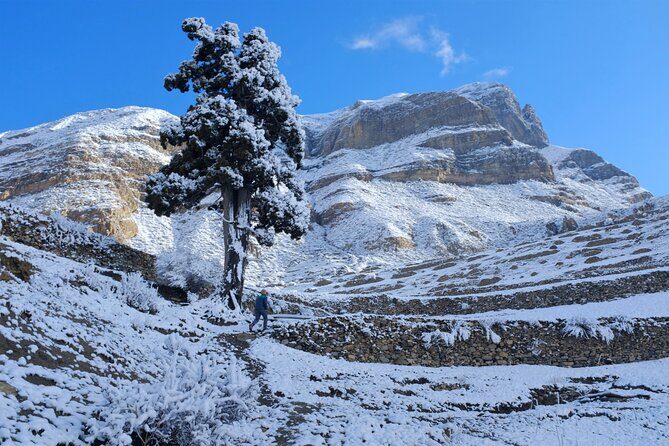
- Poon Hill sunrise from the Pokhara side: an early climb for that daybreak color shift.
- Licensed English-speaking trekking guide plus paperwork handled: permits and official documents are included.
- Real acclimatization time around Manang: you’re not thrown straight into higher terrain.
- The wind-and-cold pass day approach: an early 3:30 a.m. departure is built into the plan.
- Guesthouse trekking accommodation with city hotels: Kathmandu nights and Pokhara lodging are included, then you switch to basic comfort on-trail.
What You’re Really Getting: Annapurna Circuit Meets Poon Hill
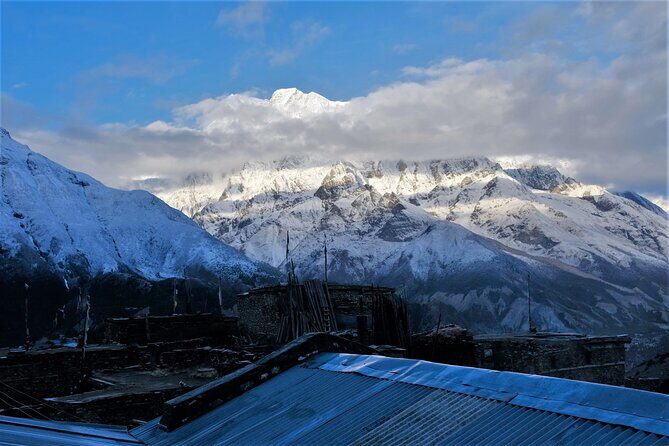
This trek is basically two “best of” experiences stitched together: the Annapurna Circuit-style journey through villages and mountain regions, plus the classic Poon Hill sunrise that many people do as a separate add-on. The result is that you don’t just see mountains once—you see them from multiple angles across a longer route.
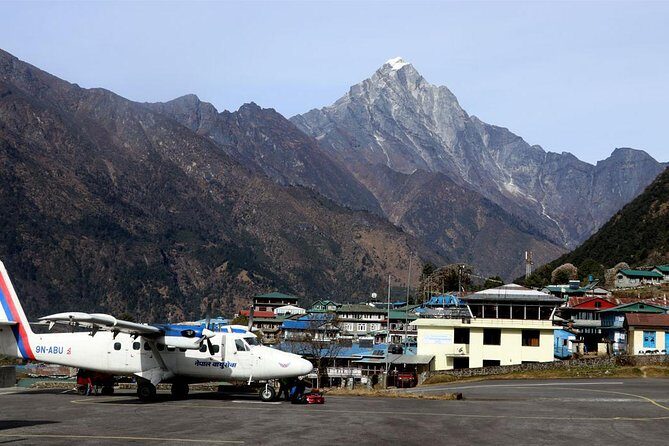
From the start, the itinerary takes you out of Kathmandu (Thamel base) and progressively into the Annapurna region via road trips and jeep rides. That matters, because it sets expectations: you’ll spend some days traveling before you’re fully in hiking mode. It’s not a pure “walk the whole way from day one” plan.
On the trekking side, the route follows familiar circuit rhythms—river valley travel, a climb into higher and drier terrain, then the big early morning day before dropping toward Muktinath. Later, it turns back toward the trekking classic zone around Ghorepani and Poon Hill, where you get terraced farmland, suspension-bridge moments, and the sunrise finale.
I like that the plan is explicit about acclimatization and wind exposure. You’re given a built-in higher-altitude pause around Manang, and the route describes the pass day as cold, blustery, and exposed later in the day. That’s exactly the kind of honest planning you want when you’re booking mountains.
You can also read our reviews of more hiking tours in Kathmandu


Price and Value: What $790 Covers (and what it doesn’t)
At $790 per person for a trek that runs about 15 days, the value mainly comes from what’s already packaged:
- Hotels in Kathmandu and Pokhara (2-star label, with breakfast for those included nights)
- Guesthouse accommodation during the trek
- A government-licensed English-speaking trekking guide
- Trekking permit and all official documents
- Round-trip transfers by sharing bus or jeep plus Kathmandu hotel pickup/drop-off
- An emergency normal first aid kit with the guide
- The guide’s food, accommodation, and all expenses
That’s a lot of operational stuff you’d otherwise have to piece together yourself: permits, planning, guiding, and the transport chain between regions.
What’s not included is also important for your budget. The tour notes food and drinks are available on purchase, and gratuities are optional. Trekking days can be surprisingly expensive if you buy every snack and drink, especially in colder weather when hot drinks become your best friend.
So the “value math” is simple: if you want someone to manage the logistics while you pay for your own day-to-day calories, this is priced like a practical middle path.
Kathmandu Night Start in Thamel: Your First Base Point
Your trip begins in Kathmandu, with a meeting location at SPOT ON 376 Hotel HazelJadibutti in the Thamel area. The listed start time is 9:45 pm, which tells me the first day is designed to get you settled and organized fast, not to do sightseeing all night.
In practical terms, you should plan for:
- A meet-and-transfer rhythm from the hotel area to your lodging in Kathmandu
- A brief briefing style handoff so you know what to expect next
- Getting your gear ready while you’re still at a comfortable altitude and in a real city
Thamel is the kind of neighborhood where you can usually handle last-minute needs—extra layers, small supplies, and snack runs—without the stress of being out in the hills immediately. Even if you don’t plan on extra wandering, having that base on Day 1 is useful.
One small consideration: Kathmandu travel days can feel long, especially when your day-to-day experience starts with an evening pickup and then turns into an early start the next morning.
From Syange to Dharapani: The Road Turns into Trail Views
Day 2 is a long but scenic transition. You head from Kathmandu to Besisahar by road—about 190 kilometers and roughly 6.5 hours—then continue to Syange by jeep. Syange is listed at 3,609 ft, so you’re already climbing a bit even before serious hiking begins.
What makes this kind of start worth it is that the route slowly teaches your body what the trip expects: changing air, changing vegetation, and the sense that you’re moving toward higher, colder terrain.
Day 3 continues with the road traveling above the gorge, giving you glimpses of waterfalls below and occasional snow-covered peaks. This is a good day for adjusting pace. You’re not expending huge energy, but you’re getting visual confirmation that the Himalayas are really there.
A drawback to keep in mind: these road segments can be tiring. Even when you’re not walking, you’re in a seat for hours. If you’re prone to motion sickness, pack for that—don’t assume the “mountain air will fix it” logic.
Chame and Pisang: Forest Walking and River Valley Energy
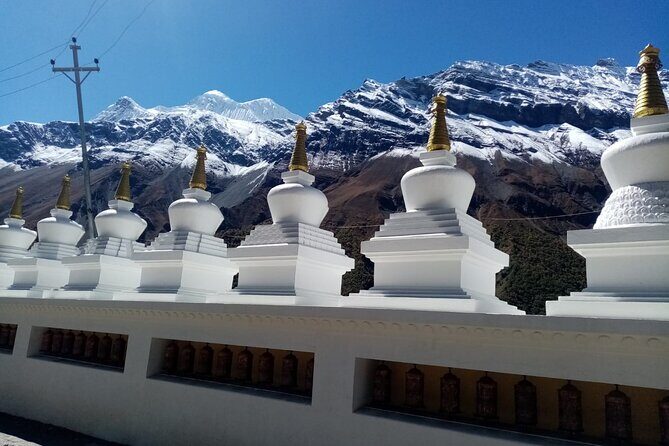
Day 4 brings you to Chame. The itinerary notes that the vegetation and landscape change with higher elevation, and it’s cooler as you follow trail through forested areas. You also reach Bagarchhap, described as a typical Tibetan style village. That’s a key reason these middle sections matter: you’re watching the region shift culturally and climatically as you go higher.
Then Day 5 shifts you alongside the Marsyangdi River, passing pine forests and small villages. The trail sounds like it undulates at points and includes a crossing by bridge before a steep ascent. This is the kind of day where your legs feel fine at first and then you realize the climb is sneaky.
Day 6 (toward Manang) continues the trend of improving views. From Pisang, the route notes more snow-covered peaks appearing frequently, and you gain height until you reach a hill viewpoint with down-valley scenery. The big idea: each of these days is structured to build your visual confidence before the high-altitude workload arrives.
Practical tip: in these warmer middle days, carry enough water and don’t overdress just because you’re seeing snow peaks. Sun can fool you in the morning, and the temperature shift later in the day can be real.




Manang Acclimatization: Why the Rest Day Isn’t Really a Rest Day
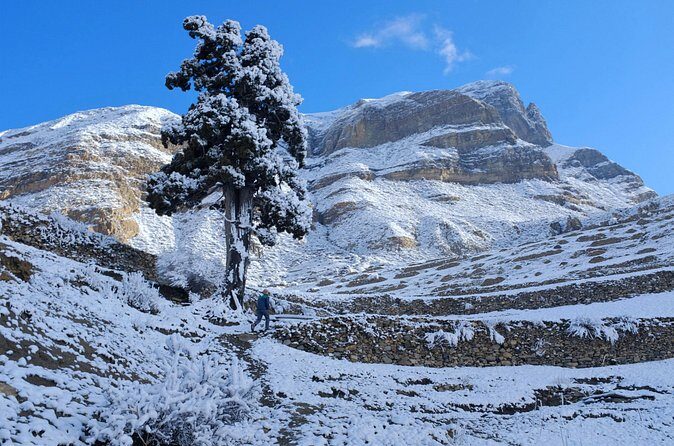
Day 7 is explicitly an acclimatization period in the Manang area, with advice to stay active during the acclimatization time. That’s the right concept. A true rest day would mean staying totally still; an acclimatization pause means moving thoughtfully so your body learns to handle altitude.
You’re also told the general logic: acclimatize before heading higher. That matters because later in the route the terrain gets more exposed and windy.
The value here is mental too. When you’ve already walked several days, an acclimatization step helps you avoid the “I’m behind schedule, so I’ll push too hard” trap. You can arrive at the next section with calmer energy.
I also like that the route notes the type of terrain you’ll face as you go higher—more arid, more exposed. You’re not guessing what’s coming.
Yak Kharka and Thorung Phedi: A More Exposed Type of Trek
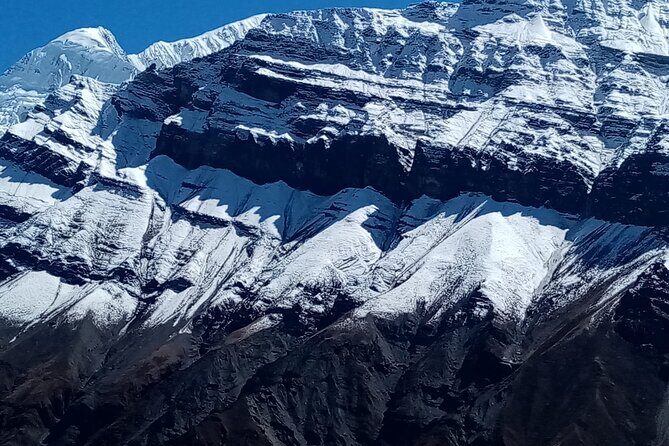
By Day 8, you’re headed toward Yak Kharka. The itinerary describes an ascent for about an hour, with views of peaks like Annapurna II, Gangapurna, and Chuli. It also notes the terrain becomes arid. That’s important context for what you should pack: less lush vegetation often means more dust, more wind, and different footing than the river-forest days.
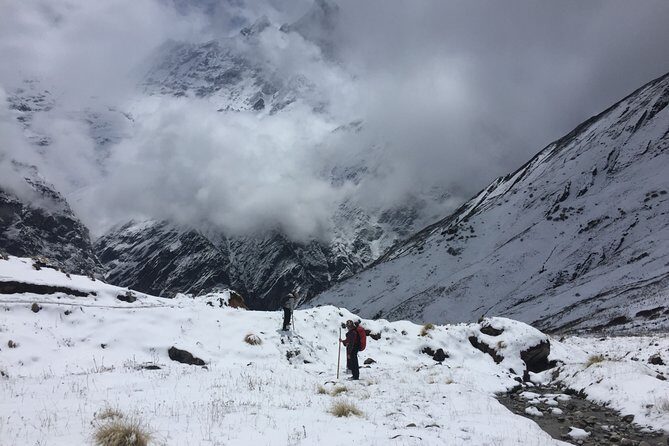
Day 9 is Thorung Phedi, described as a steady climb to a tiny settlement, with the terrain becoming bleaker and exposed to high winds. If there’s a single place on this trek where you should plan for discomfort, it’s this kind of day. Not because it’s impossible, but because you can feel the temperature drop with wind.
Practical approach:
- Keep moving steadily rather than sprinting to warm up.
- Use layered clothing even if you started sunny.
- Treat head coverage as gear, not fashion.
And remember: when the itinerary says exposed to high winds, it’s not marketing copy. Wind changes how fast you cool off, and it also affects how you walk—more hand and leg effort on balance.
The Big Early Morning to Muktinath: Cold, Wind, and Timing
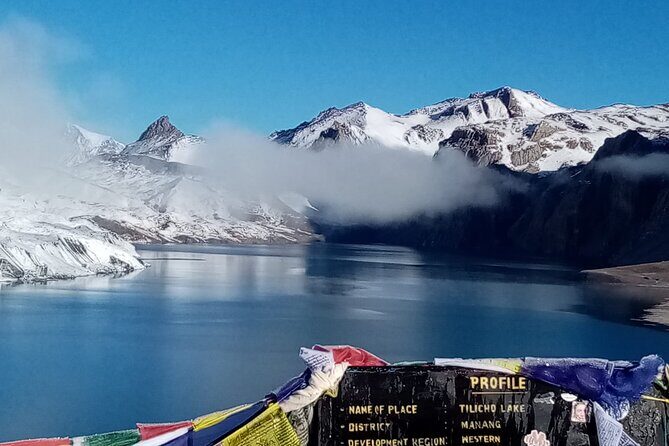
Day 10 is the day with a very early start around 3:30 a.m. The reasoning is practical: the plan aims to reach the pass area before the wind picks up later. The itinerary also flags the reality—cold, blustery, and exposed.
This is the part of the trip where your preparation becomes everything. You’ll want:
- Warm layers you can put on quickly
- A mindset that accepts cold as normal for early departures
- The understanding that pacing can feel slower when your body is stiff in early hours
The payoff is that the route design respects a mountain fact: weather and wind don’t wait for your comfort. When a trek plan builds its timing around that, it’s usually a sign the operators understand the region, not just the brochure.
Also, this is a long day (Day 10 is listed as about 9 hours). Even when the walking is controlled, you’ll likely feel it in your hips and lower back after the cold hours. Warm up in your breaks and stay hydrated even if you don’t feel as thirsty in the early chill.
Tatopani and Jomsom Area Travel: When the Trek Turns into Bus Time
Day 11 shifts gears with a bus ride toward Tatopani. The itinerary says about 5–6 hours of bus travel and mentions an Annapurna Conservation Area Project (ACAP) checkpoint at Jomsom. From there, the route continues with bus drives.
Why this matters: after high-output walking days, bus time can feel like a different kind of work. It can help you recover legs, but it can also tighten you up if you sit too long.
A quick reality check: this is one of those segments where your day won’t feel like a hike. If you want pure trekking energy, you might find this day mentally slower. Still, it’s often how circuit itineraries balance total walking distance with a realistic travel chain through the region.
Bring something small for comfort—water, layers, and a way to protect yourself from road dust and early morning chill if it applies.
Ghorepani: Suspension Bridge Moments and Terraced Steps
Day 12 takes you toward Ghorepani with a descending trail first to a suspension bridge. After you cross, the plan becomes uphill again, passing small villages and terraced cultivated areas.
This day is valuable because it changes the tone. After exposed terrain earlier, you’re back in a more human-mapped area where the path threads through farmland and settlements. It also helps you mentally because the elevation pattern feels more “trail familiar,” even if your legs are still tired.
If you’re the type who hates waiting for sunrise, this is your warm-up: you’re building stamina for the next morning’s early climb.
Pokhara Lakeside and Poon Hill Sunrise: The Daybreak Payoff
Day 13 is the emotional highlight: an early start, then a trek up to Poon Hill to watch sunrise. The itinerary specifically calls out the color shift as dawn approaches. This is the kind of moment where you stop thinking about feet and start thinking about sky.
What I like about this structure is that you don’t just jump into Pokhara and call it done. You actually earn it with one more hike. Then you get back to a city base at Pokhara lakeside for recovery.
Logistically, this day is listed around 8 hours, which suggests it’s not just a quick sprint up and back. So plan for:
- Cold at the top early in the morning
- Layers and gloves even if you think it will be warm
- A steady pace so you can enjoy the view instead of only surviving it
This is also where the circuit trekking background helps. After seeing mountains from higher passes and harsher terrain, Poon Hill sunrise feels like a new kind of clarity: more light, more contrast, more drama in a shorter time.
Back to Kathmandu and Airport Day: Recovery Without Total Slowness
Day 14 returns you to Kathmandu by road, listed as about 6–7 hours with rest stops. You can treat this as recovery mode. Use the breaks to stretch. You’ll feel it if you sit too stiffly after a trek.
Day 15 is the airport transfer, about 3 hours before departure. The goal is to keep you from rushing at the end of the trip, which is a very real feeling after 15 days of schedule.
Also note the city timing: you’re moving from mountain fatigue to flight logistics. I’d keep the last-day packing simple so you don’t spend your energy on zippers and forgotten chargers.
Who This Trek Suits Best (and what might not fit)
This trek is for you if:
- You want a longer Annapurna circuit-style route plus the Poon Hill sunrise highlight
- You like the idea of a real guide-led plan with permits handled and a first aid kit included
- You’re ready for a mix of trekking and regional transport (jeeps, buses, road legs)
- You can handle cold mornings and windy exposure on the pass day
It may not be your best match if:
- You dislike early starts (the route includes an around 3:30 a.m. departure)
- You get frustrated by long drive days that aren’t on foot
- You don’t want to budget for food and drinks on purchase during the trek
The good news: the itinerary explicitly mentions a strong physical fitness level and includes an acclimatization stop. That’s not a guarantee, but it’s a sign the plan expects real trekking.
Should You Book This 15-Day Annapurna Circuit with Poon Hill?
I think this is a solid pick if you want the Annapurna range experience and also want the sunrise moment that makes people stop talking and start smiling. The biggest reasons to book are the operational value: licensed English-speaking guide, permits and official documents handled, Kathmandu and Pokhara lodging included, and guesthouses arranged during the trek.
Before you commit, do two quick checks:
1) Confirm you’re comfortable with early mornings and wind exposure, especially the cold pass-day timing.
2) Budget extra for food and drinks during trekking days, since that’s not included.
If you meet those two conditions, this tour format is one of the more practical ways to do the circuit plus Poon Hill without turning your trip into a logistics project.
FAQ
How long is the trek?
The duration is listed as about 15 days.
What does the price include?
It includes hotel pickup and drop-off round trip, a government-licensed English-speaking trekking guide, Kathmandu 2 nights and Pokhara 1 night in 2-star label hotels with breakfast, trekking permit and official documents, guesthouse accommodation during the trek, round-trip transfers by sharing bus or jeep, and an emergency normal first aid kit with the guide. It also includes guide food and accommodation.
What is not included?
Food and drinks are available on purchase, and gratuities are optional.
Where does the trip start, and when do we meet?
The meeting point is SPOT ON 376 Hotel HazelJadibutti, Kathmandu 44600 Nepal, with a start time of 9:45 pm.
Do I need to arrange my trekking permit?
No. The itinerary says the trekking permit and all official documents are included.
What kind of accommodation should I expect during the trek?
You’ll stay in guest houses during the trek, plus 2-star label hotels in Kathmandu (2 nights) and Pokhara (1 night) with breakfast.
Is this a private group experience?
Yes. It states this is a private tour/activity, and only your group will participate.