REVIEW · KATHMANDU
Everest Base Camp Trek
Book on Viator →Operated by Glorious Himalaya Trekking Pvt. Ltd. · Bookable on Viator
Altitude has a way of humbling everyone. This Everest Base Camp trek is interesting because it keeps the focus on altitude work and big mountain moments, with a government-certified trekking guide and domestic flights plus permits built into the package. I like that you’re not left to figure out the pieces alone, and you get a clear, day-by-day plan from Kathmandu through Lukla and up to the base camp area. One consideration: at these heights, plans can change if anyone gets altitude sickness, so you should expect the itinerary to be flexible.
I also appreciate the human side of how the trip runs. The operator’s team includes managers and guides known for responsive communication, and in past groups you may be led by people like Ganesh, Keshab, Krishna, or Prakash Gurung, with porters who keep the trek moving safely and calmly.
If you can handle a long, active 14 days and you’re aiming for the classic Everest region route (not comfort-first travel), this is a strong match. You’ll mostly sleep in local guest houses in twin-share rooms, and the route includes real acclimatization time at Namche Bazaar and Dingboche.
In This Review
- Key Things to Know Before You Go
- Getting To Lukla From Kathmandu: The Flight That Sets the Tone
- Phakding to Namche Bazaar: First Views, Suspension Bridges, and Real Climbing
- Namche and Dingboche Rest Days: How Acclimatization Gets Built In
- Tengboche, Pangboche, and Lobuche: Monasteries, Forests, and Memorials
- Everest Base Camp and Kala Patthar: The Day Pace Changes Forever
- The Return Down to Lukla: Breathing Easier While Your Legs Protest
- Kathmandu Again: The Scenic Flight Home and the Farewell Dinner
- Price and Logistics: Is $1,600 Good Value Here?
- What This Trek Feels Like Day to Day (Without the Hype)
- Quick Booking Check: Who Should Choose This?
- Should You Book This Everest Base Camp Trek?
- FAQ
- What is included in the tour price for the Everest Base Camp trek?
- Do I need a Nepal visa or international flights?
- Are porters included or extra?
- How does acclimatization work on this itinerary?
- What are the key high points for views?
- Can I use a drone on the trek?
Key Things to Know Before You Go
- Lukla flight early sets the tone fast, with dramatic views on the way in.
- Acclimatization days in Namche and Dingboche are built into the itinerary, not tacked on.
- Optional Chhukung hike gives you extra mountain views, with a chance of strong winds on the way back.
- Kala Patthar is the high-payoff moment, with breakfast return at Gorakhshep and panoramic views reported from the summit area.
- Full-board food on trek days plus seasonal fruits as a dessert after dinner keeps energy steady.
- Oxi-meter in the first-aid kit supports the team in monitoring pulse during the trek.
Getting To Lukla From Kathmandu: The Flight That Sets the Tone
Your trip starts in Kathmandu, where a representative picks you up at the airport and transfers you to your hotel. You get two nights in Kathmandu with buffet breakfast, which is practical because it gives you time to rest after travel and make sure you’re ready for the next day’s jump into the mountains.
Then comes the big shift: an early flight to Lukla. The itinerary treats the flight itself like part of the adventure, with aerial views over valleys, rivers, and the Himalayan range. It also matters for logistics. Once you’re in Lukla, the trek begins immediately, so you’re not wasting days staging gear or trying to catch up.
If you’re sensitive to tight schedules, this is the one area that feels most compressed: day 2 is flight + a trek out to Phakding. But it’s also what keeps the itinerary on track for the classic Everest Base Camp approach within the 14-day window.
You can also read our reviews of more hiking tours in Kathmandu


Phakding to Namche Bazaar: First Views, Suspension Bridges, and Real Climbing
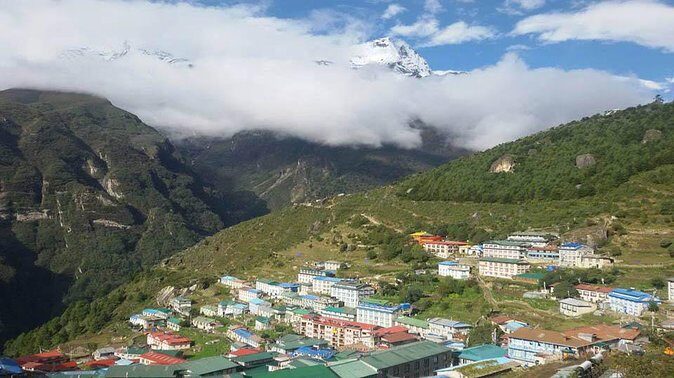
Day 2 takes you from Lukla into Phakding. The walk is short by EBC standards (about 4 hours), and it’s designed to ease you in after the flight. You’ll descend along the way, pass local settlements, and get used to the rhythm of trail travel: prayer wheels, mani walls, forest sections, and suspension bridges.
Crossings are more than scenery here. Suspension bridges are a core part of this route, and they train your body to keep steady while the trail keeps moving. It’s also where you’ll start noticing how quickly the day-to-day feels different once altitude becomes part of the equation.
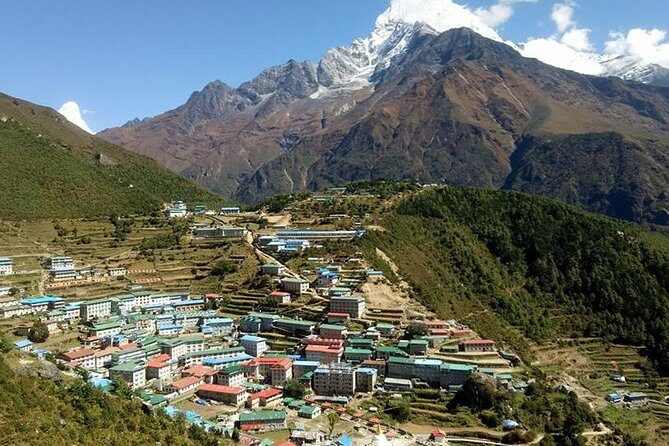
Day 3 is the first major “wow” day. You trek upstream along the riverbank, reach the junction of the Bhote Koshi and Dudh Koshi rivers, then cross a Hilary bridge before climbing toward Namche Bazaar. The itinerary explicitly calls out your first clear chances to see Everest (8848m), Lhotse, Nuptse, Ama Dablam, and Taweche—if weather allows.
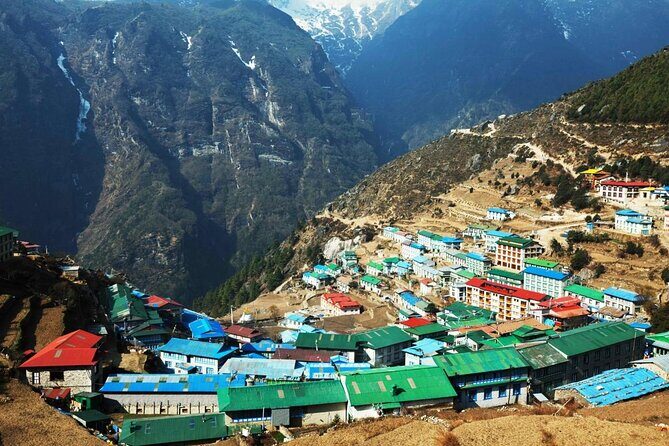
You’re walking about 6 hours, and you’ll spend that time shifting from river valleys into an ascending route where the air starts to feel thinner. When Namche appears, it feels like a change in the whole world: more lodges, tea shops, souvenir areas, ATMs, money exchangers, internet cafes, and restaurants. It’s the functional hub of the Everest region, which makes it a smart place for a planned pause later.
Namche and Dingboche Rest Days: How Acclimatization Gets Built In
Day 4 is a dedicated acclimatization day in Namche Bazaar (about 4 hours listed). Instead of forcing another long climb, the plan recommends staying active but not overdoing it. You can do short vertical treks or simply explore town.
This is one of the smartest parts of the itinerary. Namche isn’t only a place to rest your legs; it’s also where your body gets a chance to adjust while you’re still at a workable altitude level. You’ll keep your momentum without stacking too much strain.
Day 7 is the same idea, but higher up in Dingboche (4,410m). The itinerary builds in another acclimatization day, with an optional hike to Chhukung starting around 8:30 in the morning. The hike is described as not too difficult, with great views—especially of Ama Dablam. The note about strong winds on the return matters. It’s not meant to scare you, but it’s a reminder that weather can add stress even when the hike isn’t technically hard.
Both rest days are where value shows up. They can feel like “extra days,” but they’re also part of how you reduce the odds of getting knocked flat by altitude.
Tengboche, Pangboche, and Lobuche: Monasteries, Forests, and Memorials
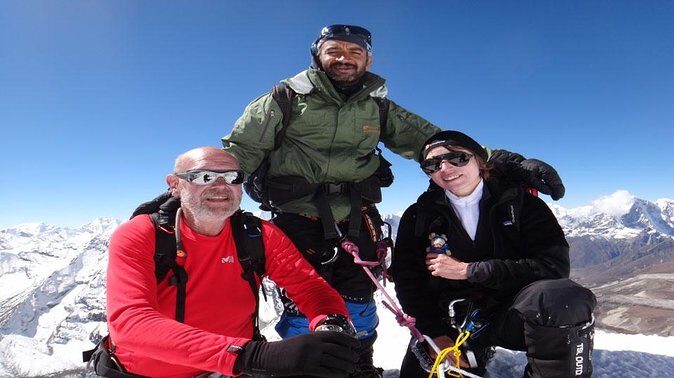
After settling into Namche, day 5 moves toward Tengboche. This day is rated as moderate and about 5 hours walking time. The trail gives views of snowy peaks—Everest, Nuptse, Lhotse, and Ama Dablam again—so you get repeated chances to practice awe without rushing it.
This is also a day where you can slow down for smaller details. The itinerary points out monasteries and village sections along the way, and it even mentions wildlife possibilities like musk deer, Himalayan thar, and colorful pheasants. Even if you don’t see wildlife every day, the promise is consistent: the route isn’t only about topping out; it’s about moving through Sherpa communities and the places where Buddhism and daily life overlap.
Day 6 continues through dense forest in the Imja Valley, then includes a hike up to Pangboche (3,985m), known for a monastery dating back to when Buddhism was introduced to the Khumbu region. From there, you reach Dingboche for the night.
Day 8 heads to Lobuche, and this is one of the emotional hinge points of the trek. The scenery tightens into a wall of snow-capped mountains, and the itinerary highlights peak names along the way like Pokalde, Kongma-Tse, and the great wall view of Nuptse. You also pass the Trekkers Aid Post at Pheriche where western doctors volunteer.
Then comes Chukpo Lari, after a short and steep climb. The itinerary describes it as a heart-touching memorial area with tributes to climbers who died during Everest expedition history. This kind of stop doesn’t change the elevation, but it changes your mindset. It’s one reason EBC feels different from a typical hike.
Everest Base Camp and Kala Patthar: The Day Pace Changes Forever
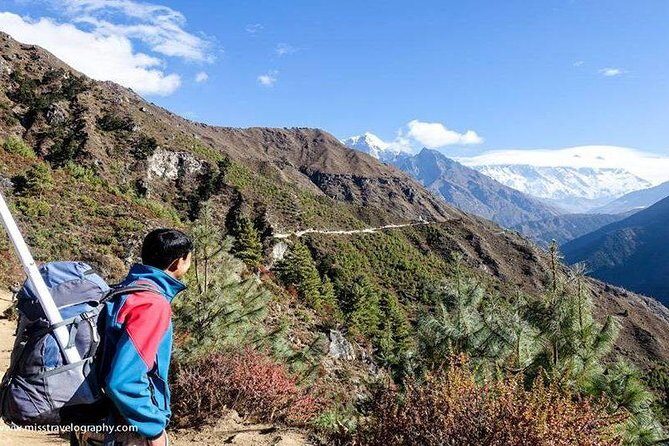
Day 9 is the long push to Everest Base Camp from Gorakhshep area (about 8 hours listed). The itinerary describes starting over rocky paths with glacial ponds and icebergs in view, climbing through meadows and moraine stone steps.
The base camp approach is not only scenic—it’s physically steady, with a sense of progression that makes the distance feel meaningful even when you’re tired. The day plan also allows for a choice: you can climb to Kalapathar (listed around 5,555m) or continue to Everest Base Camp. In many EBC routes, people want both, but here the itinerary is written so you can shape it based on how you’re feeling that morning.
After time at base camp, you return to Gorakhshep and sleep in a guest house. This overnight matters because day 10 brings the next big height push.
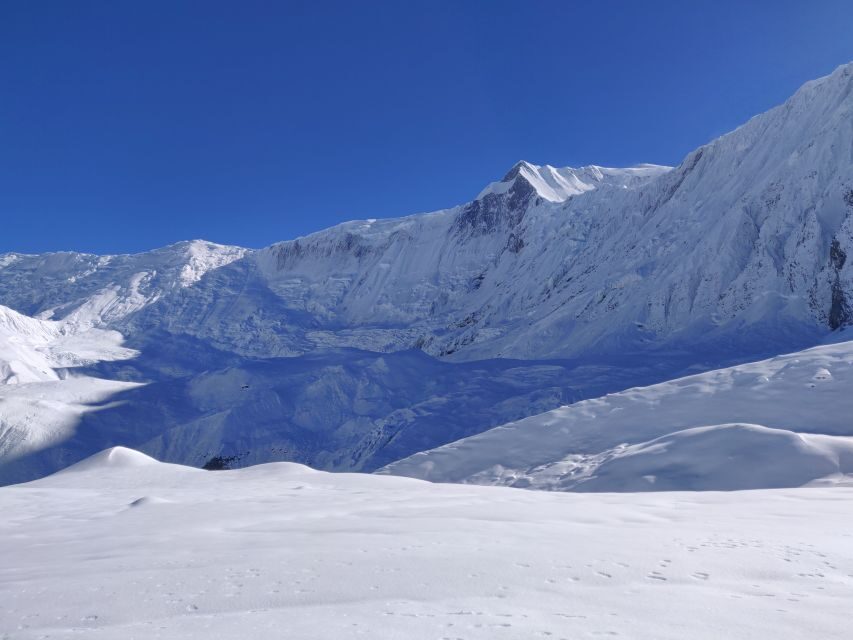
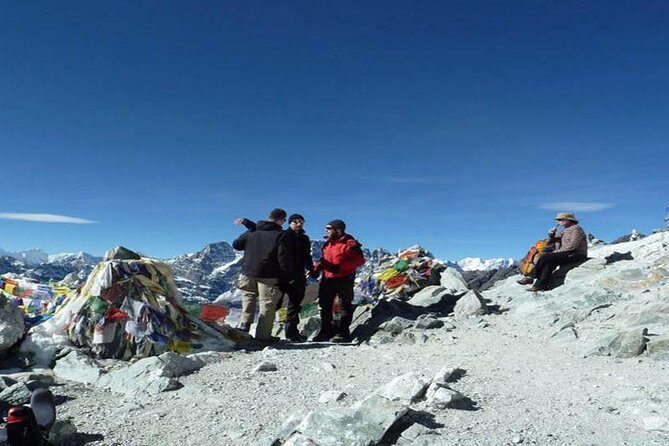
Day 10 is early and focused. You start in the morning and after about two hours of ascent, you reach Kala Patthar (the itinerary also includes a summit area with prayer flags, cairns, and a small stupa plus a weather station). It’s described as the payoff: glaciers and panoramic views including Pumori, Nuptse, Changtse, Ama Dablam, Taweche, Everest, and Kantega.
You then return for breakfast back at Gorakhshep and descend to Pheriche. This day’s structure is smart because it gives you the chance to take in the summit views, then recover before the longer descent days begin.






The Return Down to Lukla: Breathing Easier While Your Legs Protest
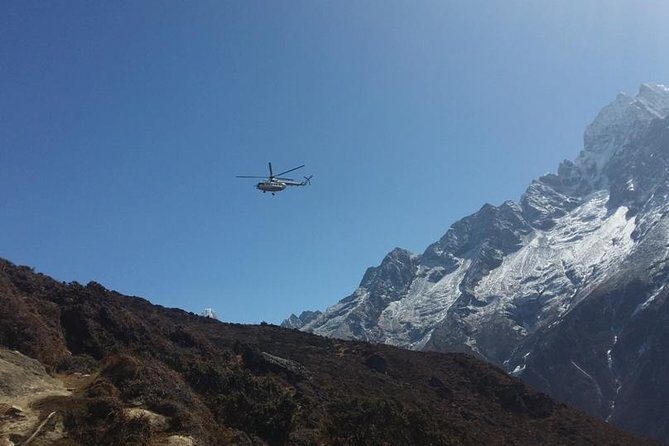
After the base camp climax, days 11 and 12 focus on getting down safely. Day 11 retraces your steps from Pheriche back toward Namche Bazaar (about 7 hours walking time). The itinerary emphasizes that breathing becomes easier and temperatures rise as you descend, which is realistic and also comforting.
You’ll pass through Tengboche and continue through the Monjo valley. The route keeps referencing rhododendron and juniper areas and even mentions lookout for wildlife, including pheasants and snow leopards. Keep expectations open; the main win is that the trail now feels more manageable as the air thickens.
Day 12 takes you down to Lukla (about 7 hours) with steep downhill sections. The itinerary highlights crossing the Tenzing and Hillary suspension bridge and following the Dudh Koshi River through forests and Sherpa villages. This is a day for smart pacing. Downhill feels easier for breathing but tougher for knees.
When you reach Lukla, the trip’s final stop in the Solukhumbu region, you can explore Lukla Bazaar and shop local items as a way to mark the finish. It’s a small thing, but it helps you land the achievement.
Kathmandu Again: The Scenic Flight Home and the Farewell Dinner
Day 13 is travel back to Kathmandu. The plan includes leaving from the Tenzing Hillary airport for a scenic 35-minute flight to Ramechhap/Kathmandu, flying over clouds and the Khumbu region.
Once you arrive, a guide transfers you to your hotel. In the evening, you share a farewell dinner together—one more moment where the trek becomes a story you can actually talk through.
Day 14 is straightforward: a representative drops you at the Kathmandu airport for your return flight.
Price and Logistics: Is $1,600 Good Value Here?
At $1,600 per person, you’re paying for more than beds and a guide sign. What makes the value look strong is what’s included.
You get:
- A professional and government certified trekking guide throughout
- All essential trekking permits and entrance fees plus government/local taxes
- Round-trip domestic flights (including the Kathmandu-to-Lukla portion and the return)
- Local lodge stays in twin sharing during the trek
- 3 meals a day on trekking days (breakfast, lunch, dinner), plus seasonal fruits after dinner as dessert
- A first-aid setup with an oxi-meter to measure pulse
- A company duffel bag and sleeping bags available to use if needed
- An achievement certificate at the end
- Private vehicle airport transfers in Kathmandu
- Hotel accommodations in Kathmandu with buffet breakfast (2 nights)
Not included is also clear: your Nepal entry visa and international flights, plus porter service at extra cost.
One practical note on value: if you were trying to piece this trip together yourself, you’d still be paying for permits, domestic flights, lodging arrangements, and guide support. The package reduces coordination stress, especially on the start and end where flights and transfers dominate your time.
What This Trek Feels Like Day to Day (Without the Hype)
This route is built around steady progress plus altitude management. You’re not just walking until you feel dead. You’re walking, then pausing on purpose:
- Namche Bazaar (acclimatize and explore)
- Dingboche (acclimatize and optionally hike to Chhukung)
The itinerary also keeps variety in motion:
- Forest walking and river crossings early on
- Village stops with monasteries as you climb
- Memorial ground near Chukpo Lari
- A base camp day that’s longer and more demanding
- Two “return” days that are physically easier for breathing but harder for downhill legs
It’s a good match for people who want the classic EBC experience with real support, not a minimalist self-guided plan. It also suits solo hikers, couples, and families who want logistics handled while still having the freedom to choose the Chhukung option and how you pace the Everest Base Camp day.
One more consideration: this is listed as a private tour/activity, meaning it’s only your group. That can be great for comfort, but it also means you’re not spreading costs across strangers the way some group trekking options do. It’s worth asking about group size if that matters to your budget.
Quick Booking Check: Who Should Choose This?
You should book if:
- You have moderate physical fitness and you want a structured 14-day plan
- You prefer a fully guided trek with a trained local guide
- You want domestic flights and permits handled, not pieced together
- You’re okay with twin-share lodge stays and a mountain routine built around shared meals
You might think twice if:
- You’re not comfortable with altitude risk and the possibility of changing plans
- You want private, hotel-style comfort every night (the plan uses local guest houses)
- You’re set on drone use inside Sagarmatha National Park without planning for special permissions (drones require special permits)
Should You Book This Everest Base Camp Trek?
If your goal is the real Everest Base Camp experience with fewer logistics headaches, this trek looks like a solid value. The combination of included permits, domestic flights, a government certified guide, and full-board meals reduces the usual “what do I do next” stress that can drain energy before you even reach the mountains.
My call: book it if you want structure, you’re ready for long walking days, and you’ll take altitude seriously. Plan your packing around what the operator supplies (duffel bag and sleeping bag if needed), and give your body the respect it asks for on the Namche and Dingboche rest days. If you treat those days like part of the trek instead of pauses, you’ll set yourself up for a smoother push toward Kala Patthar.
FAQ
What is included in the tour price for the Everest Base Camp trek?
The price includes airport pick up and drop offs by private vehicle, twin-share local lodge accommodations during the trek, domestic round-trip flights, trekking permits and entrance fees, government and local taxes, and a professional government certified trekking guide. It also includes all meals during the trek (breakfast, lunch, and dinner), two nights hotel in Kathmandu with buffet breakfast, seasonal fruits after dinner as dessert, a duffel bag and sleeping bags to use if needed, first aid medical kits with an oxi-meter, an achievement certificate, and transfer on arrival and departure days.
Do I need a Nepal visa or international flights?
Nepal entry visa and international flights are not included. You’ll need to arrange your Nepal entry visa separately, and you’ll also handle your international flights to and from Nepal.
Are porters included or extra?
Porter service is not included in the package price. A porter is available at an extra cost if you want one.
How does acclimatization work on this itinerary?
The plan includes acclimatization days in Namche Bazaar and Dingboche. Namche is a rest and exploration day, while Dingboche includes an optional hike up to Chhukung (starting around 8:30 in the morning) to help your body adjust.
What are the key high points for views?
The itinerary builds toward big viewing moments, especially around Kala Patthar and Everest Base Camp. Everest region peaks are mentioned as visible if weather permits, and Kala Patthar is described as offering panoramic views including Everest and nearby peaks.
Can I use a drone on the trek?
If you want to use a drone inside Sagarmatha National Park, you need special permits for drones. The itinerary notes that this permission is required.