REVIEW · KATHMANDU
Everest Base Camp With Chola Pass via Gokyo Lakes
Book on Viator →Operated by himalayan sanctuary adventure private limited · Bookable on Viator
Turquoise lakes and Everest views in one trek. I like the Gokyo Valley for its famous turquoise lakes and the Cho La Pass day that turns the volume up on scenery. The main consideration is the long, cold high-altitude schedule where ice-glazed steps can get slippery fast.
I also like how the trip is set up like a real expedition, not a bargain scramble: an English-speaking, government-licensed trekking guide, teahouse meals and lodging on the route, plus domestic flights in and out of Lukla to keep you moving toward the big stuff.
Before you hit thin air, Kathmandu gives you a softer landing with a 3-star hotel and guided culture stops like Boudhanath and Pashupatinath. One practical drawback: sightseeing entrance fees in the city aren’t included, so budget a bit extra for that.
In This Review
- Key things that make this trek work
- Kathmandu first: Boudhanath, Pashupatinath, and a buffer for altitude
- Fly to Lukla, then walk into the Everest mood
- Namche Bazaar acclimatization: slow hike, big payoff
- From Khumjung hills to Phortse and Machhermo: Dudh Koshi keeps you honest
- Gokyo Lakes: turquoise views before the pass challenge
- Gokyo Ri and the 5th lake: Everest neighbors feel close
- Cho La Pass: prayer flags, ice-glazed steps, and glacier caution
- Dzongla to Lobuche: shorter day, serious views
- Everest Base Camp: the gray dunes, the tents, and the thin-air grind
- Kala Patthar at dawn or sunset: your Everest moment at 5,545m
- Returning down: rhododendron trails, pine forests, and Namche again
- Back in Kathmandu: what you do after the mountains
- Price and value: what $1,797 buys (and what it doesn’t)
- Who should choose this trek, and who should think twice
- Should you book this Everest Base Camp with Chola Pass via Gokyo Lakes trek?
- FAQ
- What’s the meeting time for the trek?
- How long is the trip?
- What is the total price per person?
- Are airport pickups and drops included?
- What flights are included?
- What kind of lodging do you get on the trek?
- How are porters handled?
- Are meals included throughout the whole trip?
- Are international flights included?
- Are sightseeing entrance fees included in Kathmandu?
Key things that make this trek work
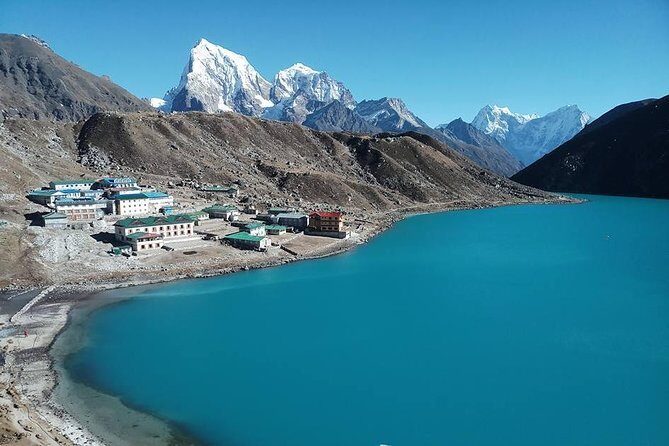
- Gokyo Valley first: You rack up the dramatic turquoise-lake views before the Cho La effort.
- Cho La Pass is the headline: Steep terrain plus a glacier traverse means you’ll want solid footing and calm decision-making.
- Gokyo Ri and Kala Patthar both matter: Two different viewpoints, two different kinds of mountain drama.
- Follow the Sherpa at higher elevations: The route near Everest Base Camp can feel confusing in thin air.
- Teahouse rhythm with real meals: Breakfast/lunch/dinner are handled on trek days, which makes pacing easier.
- Strong guide-team reputation: Past trekkers specifically credited guides like Ram, Sandip, Kisser, and Suda, plus planning support from Bishnu.
Kathmandu first: Boudhanath, Pashupatinath, and a buffer for altitude
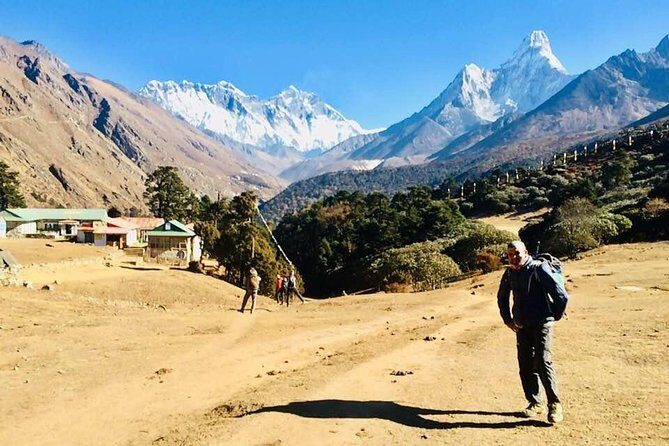
Your trek starts with a proper Kathmandu setup. You get a pickup outside the international arrival area and a transfer to your hotel, then a full sightseeing day focused on classic religious landmarks.
I like that the cultural block is built in before you fly to Lukla. Kathmandu is busy and noisy, but it’s also where you can get your orientation sorted: jet lag, gear checks, and learning how your body feels when you’re not yet climbing. Even small wins matter on this route.
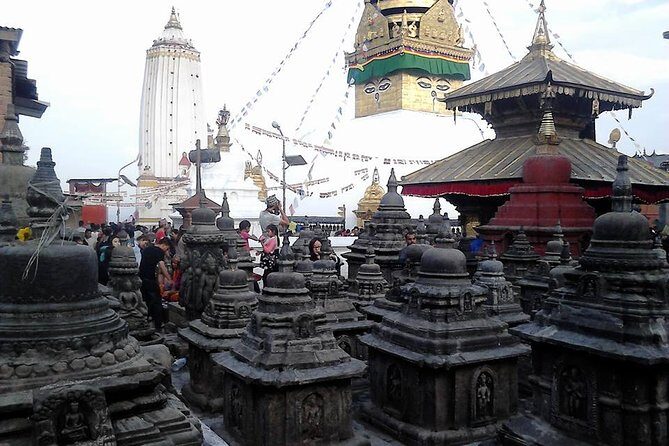
Boudhanath Stupa is the big one. It’s the largest stupa in the Kathmandu Valley and looms about 36 meters high. The place is also known for the story behind its construction when drought forced builders to use dew for the mortar. That little legend makes the monument feel less like a postcard and more like a living piece of local history.
Then comes Pashupatinath Temple, one of the most sacred Hindu shrines in the world. Expect the richly ornamented pagoda-style setting and a strong sense of ritual life. It’s not a “quick photo stop” vibe. Plan to take your time, even if you think you’re too excited to do anything but the mountain.
Practical note: entrance fees for sightseeing aren’t included, so factor that into your budget.
You can also read our reviews of more tours and experiences in Kathmandu.



Fly to Lukla, then walk into the Everest mood
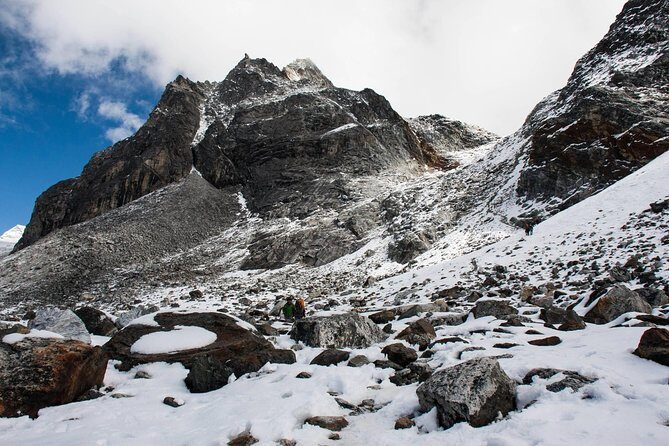
The trek kicks off with an early flight to Lukla, which is a huge part of why this itinerary feels efficient. Instead of spending days hiking to the Khumbu, you start in the “right neighborhood” and immediately shift into trail time.
From Lukla you head toward Phakding, stopping in Cheplung village along the way. The trail mood here is a warm-up: steady hiking without the hardcore consequences you’ll feel later. You also get a view of Mt. Khumbila, a sacred mountain that, as the trek notes say, has never been summited. It’s a reminder that the route is not just about climbing—it’s about working inside local sacred geography.
Phakding is a comfortable night after your first flight day. The air is thin enough to notice if you’re sensitive, but you’re still far from the “everything feels heavy” stage. You’ll also likely get a feel for the main trekking pattern you’ll repeat: short distances, frequent pauses, and lots of time spent watching how other hikers pace themselves.
This is also where I like seeing whether your logistics are in order. By day three you’ll have your guide and crew aligned, and you’ll know where your support system is.
Namche Bazaar acclimatization: slow hike, big payoff
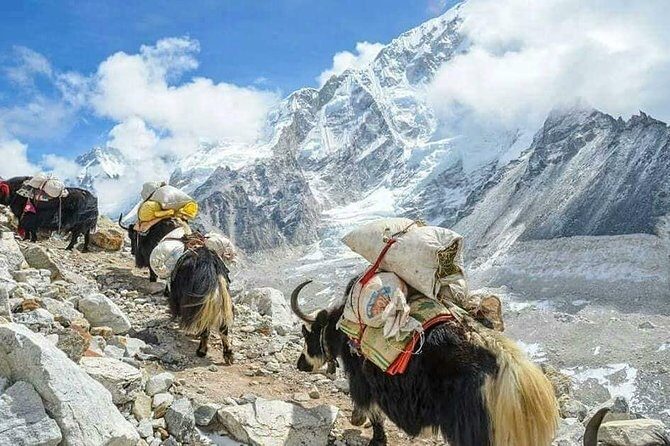
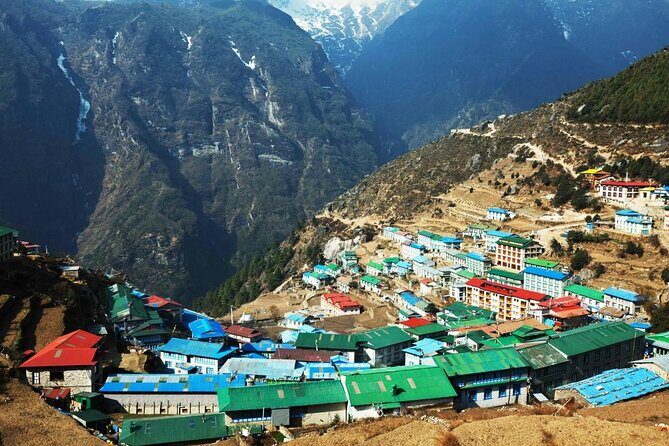
Namche Bazaar is the heart of many Everest routes, and this trek uses it the way it should be used: acclimatize, then enjoy the mountains when your body can handle them.
On the way into Namche, you pass the Dudh Koshi River and move through villages like Chumoa and Monjo, then into the Everest National Park area. The trail includes a suspension bridge and stretches alongside fast-moving river corridors. That river sound becomes the background music of the trek.
Once you reach Namche, you’re not just checking in—you’re building altitude tolerance. There’s an option for a sunrise view day hike, and the schedule highlights a sunrise over a lineup of major peaks: Everest, Lhotse, Nuptse, Ama Dablam, Thamserku, and Kongde. Even if clouds roll in part of the time, the goal here is training your expectations. In this region, weather decides a lot.
The second important thing: your first real day in Namche comes with a built-in reason to hike higher without overdoing it. I like that because it keeps you from making the classic mistake—trying to “catch up” on stamina instead of respecting acclimatization.
What to consider: Namche is lively. You’ll see shops, guesthouses, and constant motion. That’s great if you want food and comforts, but it can also tempt you to push too hard. Follow your guide’s pacing.
From Khumjung hills to Phortse and Machhermo: Dudh Koshi keeps you honest
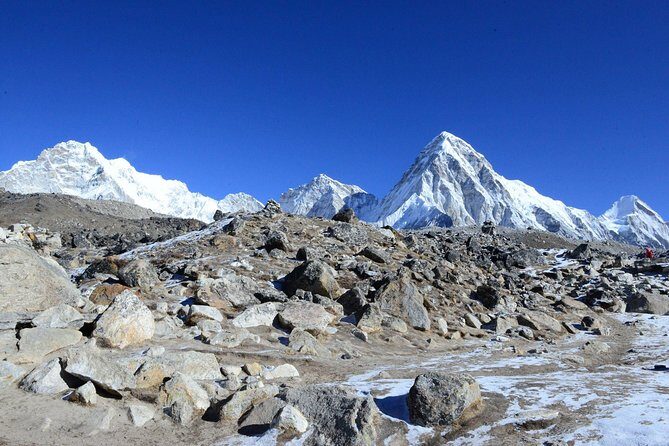
After Namche, the route moves out toward Phortse Thanga. You climb the Khumjung hill and then descend into broader valleys near the Dudh Koshi. There’s also a visit to Mohang, described as the birthplace of the re-incarnated Lama of Rongbuk Monastery of Tibet. It’s a small cultural stop, but it matters because it connects the trail to the region’s spiritual backbone.
Phortse Thanga is not a dramatic viewpoint town. That’s the point. It’s a place to keep hiking without wasting time on overhyped stops. The route then drops via steep switchbacks through sandy slopes down toward the Dush Koshi, so expect a legs-day moment even if the distance doesn’t look terrifying on paper.
Day seven continues to Machhermo through rhododendron forest, passing villages like Dhole, Labarma, and Luza. The trail stays alongside the Dudh Koshi River, which helps break up the monotony and gives you a reliable marker for where you are. The end result is a night in Machhermo at a much higher altitude, so your body feels the climb even after “easy-feeling” segments.
This is one of those stretches where I’d advise you to stop thinking like a tourist and start thinking like a climber: small steps, steady breathing, and no hero moves.
Gokyo Lakes: turquoise views before the pass challenge
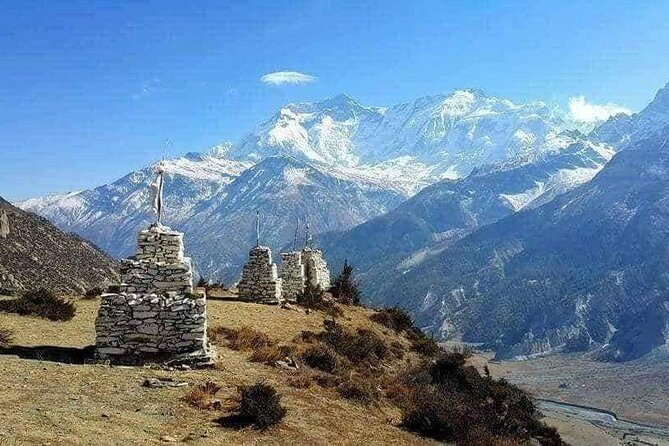
Now the itinerary turns into what most people came for. You head toward Gokyo, and you don’t just get scenery—you get a full sequence of glacial-lake moments.
The approach includes a ridge climb for views down the valley toward Kangtaiga and up toward Cho Oyu. Then the trail passes Phangkha, where an avalanche in 1995 killed 40 people. It’s not a place to “power through without thinking.” You’ll feel the seriousness of terrain in a way that’s hard to fake.
From there, you move to the terminal moraine of the Ngazumpa Glacier and cross an iron bridge over a stream. The route then follows the valley past the first lake, Longpongo. The notes even mention lama footprints on a stone, so keep your eyes up—small details are part of this region’s meaning.
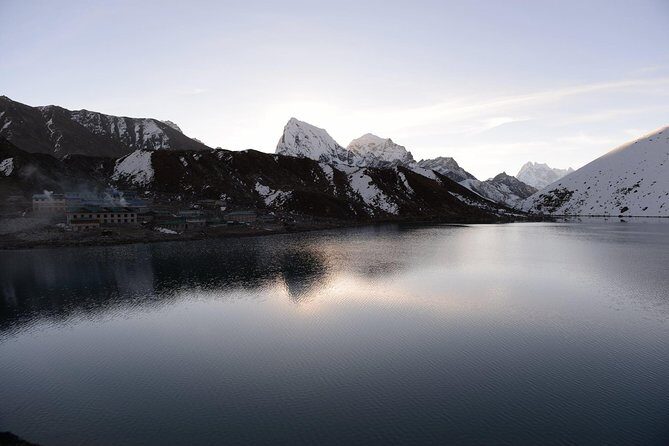
Taboche Tsho is where the turquoise color usually takes over your brain. The description is straightforward: shimmering turquoise blue, bright in sunlight. You also reach a third-lake area by the time you’re near Gokyo Village, with Cho Oyu as a backdrop.
I like that the schedule includes time around the lakes after lunch, not just a check-in and out. Here, slow time works. Lakes don’t reward rushing.
What to consider: You’re spending days in high altitude while also walking. Even if your daily distance seems manageable, the air still costs energy. Hydration and rest become “trail skills,” not optional habits.




Gokyo Ri and the 5th lake: Everest neighbors feel close
The day in Gokyo gives you choices, and that flexibility is useful. You can rest in the valley, hike to the 5th lake, and, if conditions are good, climb Gokyo Ri.
Gokyo Ri is steep and demanding, with a time estimate around 3 to 4 hours to reach the top from the Gokyo area. The payoff is panoramic mountain viewing, including Cho-Oyu, Everest, Lhotse, Nuptse, and Makalu—plus a big view corridor toward other peaks like Kusum Kanguru and Thamserku.
If you’re lucky with weather, sunrise-style light on Everest can be stunning. I’m not promising perfect views, because mountains don’t owe anyone clear skies. But I do like the design of the day: it aims for high reward on days when you’re well enough to go for it.
The 5th lake route also includes a viewpoint called Scoundrel’s Viewpoint on the edge of Ngozumba Tsho. That name is memorable for a reason. It signals a spot that feels like a cliff edge above the water and glacier world.
And yes, you’ll hear about the biggest glacier of the world reference tied to the Ngozumba Glacier. Even if you don’t get obsessed with glacier science, it helps you understand you’re walking on the edge of a massive ice system.
Cho La Pass: prayer flags, ice-glazed steps, and glacier caution
Cho La Pass is the day that changes your heart rate. The trek notes are blunt: the pass itself isn’t the longest climb, but it’s steep and involves a glacier traverse on the eastern side. That means you need to stay focused when the trail gets icy or steep.
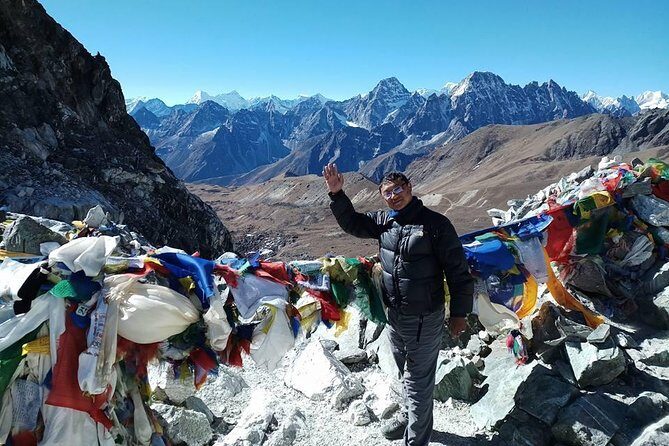
The trail climbs from Phedi through a ravine and rocky trail. Then you’re trekking on the side of a frozen lake, reaching the top marked with prayer flags. The views are framed by major peaks in every direction, including Ama Dablam to the south and Cholatse to the west, with Lobuche East and Baruntse toward your right.
Most important: the route may require passing crevasses. That’s exactly why you don’t rush this day. Your guide’s job isn’t just “leading.” It’s managing risk, reading conditions, and keeping the group in safe lines.
My consideration for you: If you’re prone to rushing when you get nervous, this is the wrong kind of day to do that. Slow and steady is the whole strategy. Bring gloves you can grip in, and keep your attention on where your foot lands.
Dzongla to Lobuche: shorter day, serious views
After the pass, the schedule gives you a breather. The trek goes from Dzongla down toward Lobuche with a grassy trail and time to rest.
You’ll also see views of Lobuche Peak. It’s a reminder that you’re not just approaching Everest—you’re surrounded by other serious spires too. Lobuche itself is higher and colder, but the day is shorter enough that you can focus on recovery: sleep, warm fluids, and getting ahead of the next day’s exertion.
This is a smart pacing choice. It’s easy to reach for extra hikes when you’re excited. But at this point, recovery is not laziness—it’s part of finishing strong.
Everest Base Camp: the gray dunes, the tents, and the thin-air grind
The walk to Everest Base Camp is strenuous due to high altitude. The route goes from Gorak Shep through what’s described as once vast Gorak Shep Lake and includes Indian army mountaineers’ memorials.
One thing the notes emphasize: the path can be misleading, so follow your lead Sherpa diligently. That’s not fear-mongering. It’s altitude plus terrain. When your brain runs short on oxygen, it’s better to trust the person who already knows how the route feels under your feet.
As you get closer, you’ll pass rocky dunes, moraine, and streams. Then you reach Everest Base Camp, where mountaineer tents stand out in bright colors against gray surroundings. You’ll also get sightlines toward Nuptse, Khumbuste, and Pumori.
This is also where the trek shifts from “I’m walking” to “I’m experiencing a staging ground for history.” The base camp is not a fantasy viewpoint. It’s a working mountain environment, and the thin air makes that reality feel immediate.
Kala Patthar at dawn or sunset: your Everest moment at 5,545m
Kala Patthar is the viewpoint that many hikers dream about. The schedule builds in an early start in pre-dawn darkness, with extremely cold temperatures noted around -10 to -14°C and potential chilly winds.
The payoff is 360-degree up-close views of Mt. Everest. The trek notes describe it as formidable and photo-friendly, with Everest revealing itself when you’re high enough.
Here’s the useful choice: the notes also state that the sunset view from Kala Patthar can be more admirable than the sunrise view. If you want that, you should tell your guide so they can coordinate. That flexibility can matter if you’re particular about light.
After Kala Patthar, the day turns into a long descent plan. You go from high viewpoint to Pheriche area for overnight recovery. This part is underrated. Getting down safely and comfortably is a big part of the success story.
Practical note: in cold, windy conditions, fingers stop working faster than you expect. Plan to keep gloves accessible and avoid rushing snacks or water breaks.
Returning down: rhododendron trails, pine forests, and Namche again
After the high point days, the route becomes a controlled descent. You trek from Pheriche down through hillside areas blanketed with rhododendron and juniper trees. You cross a prayer-flag festooned bridge over the Dudh Koshi River, then follow the Dudh Koshi gorge descending through pine forests.
This part often feels better mentally. The snow and ice pressure is replaced by green slopes and forest air. You might see colorful pheasants and mountain goats, depending on season and timing.
You pass through Sansa and then continue toward Namche Bazaar. It’s a chance to see the same region with new eyes: after Everest and Kala Patthar, Namche feels like a base camp for your recovery rather than a destination.
Then you head down to Lukla. The trail descends steeply with rocky terrain, and you’ll want to walk carefully because legs can feel shaky. When you finally reach Lukla, it’s time to rest and reflect—without pretending your body is fully normal again.
Back in Kathmandu: what you do after the mountains
The final travel days bring you back to Kathmandu by early flight. After a long trek, your “job” in Kathmandu is to treat your body gently and get your bearings for international travel.
This itinerary includes transport back to your hotel and, at times, a cultural dinner option in Kathmandu. It’s also where you can finally eat without thinking about altitude consequences for every bite.
One very practical warning is included with the trek details: the flight Lukla to Kathmandu can be delayed or canceled due to bad weather. The schedule even recommends you keep 2 to 3 extra days at the end of your trip to avoid missing an international connection.
That advice is worth taking seriously. Don’t plan tight.
Price and value: what $1,797 buys (and what it doesn’t)
At $1,797 per person for about 18 days, this trek sits in the “serious money, serious logistics” category. I judge value here by what you avoid.
You get:
- Domestic flights (Kathmandu–Lukla–Kathmandu), which saves major hiking time and reduces exposure compared with walking to/from Lukla.
- A government-licensed trekking guide and a porter system of 2 trekkers: 1 porter.
- Permits handled via National Park Permit and TIMS paperwork.
- Teahouse lodging with breakfast, lunch, and dinner during trek days.
- Kathmandu hotel lodging in a 3-star category with breakfast.
- A medical kit carried by the trek leader.
- Private vehicle pickup and drop-offs, plus private vehicle sightseeing.
You do not get:
- Nepal visa fee
- Travel and rescue insurance
- International flights
- Tips for guide/porters/drivers
- Drinks and bar bills
- Entrance fees for sightseeing in Kathmandu
- Extra Kathmandu nights if your schedule shifts due to flights
If you compare the cost to a DIY approach, you’re paying for reduced hassle and better risk management. If you compare it to other guided treks that lack domestic flights, fewer meals, or unclear permit handling, this one looks built for a smoother run.
My bottom line on price: it’s paying for continuity—one team coordinating your guide, porter support, permits, and meal plan, so you can focus on walking well rather than managing details every day.
Who should choose this trek, and who should think twice
This is a strong match if:
- You want Everest Base Camp plus Gokyo Lakes and the big test of Cho La Pass.
- You’re comfortable with 18 days of trekking with big altitude days.
- You appreciate structured acclimatization instead of winging it.
You should think twice if:
- You struggle with steep, icy conditions or you freeze mentally when things get technical.
- You don’t handle cold well, especially with the pre-dawn Kala Patthar window noted as very cold.
- You can’t tolerate possible flight delays near Lukla and tight international connections.
Also, you’ll do best if you can accept that weather can reduce views on some mornings. The route is still worth it, but your “perfect photo” timing isn’t guaranteed.
Should you book this Everest Base Camp with Chola Pass via Gokyo Lakes trek?
If your dream list includes turquoise Gokyo lakes, a real Cho La Pass challenge, and then the classic Everest Base Camp and Kala Patthar package, this is a smart, value-heavy way to do it. The itinerary is spaced with acclimatization in mind, and the inclusion of domestic flights, permits, and a licensed guide makes it feel less like logistics work and more like a mountain journey.
I’d book it if you’re ready for cold, long days, and a route that asks for patience when terrain gets icy. I wouldn’t book it if you need a guaranteed timetable with no flight-delay risk, or if you’re looking for an easy stroll.
If you do book, treat the pass day and Kala Patthar day as the two moments that demand your best preparation. Everything else supports those days.
FAQ
What’s the meeting time for the trek?
The meeting point lists a start time of 5:30 am.
How long is the trip?
The duration is listed as 18 days (approx.).
What is the total price per person?
The price is $1,797.00 per person.
Are airport pickups and drops included?
Yes. The trip includes airport pickups and drops in a private vehicle.
What flights are included?
Domestic flights (Kathmandu–Lukla–Kathmandu) are included.
What kind of lodging do you get on the trek?
You’ll use teahouse accommodation during the trek (with meals included as described in the inclusions).
How are porters handled?
Porter service is included, with a stated ratio of 2 trekkers to 1 porter.
Are meals included throughout the whole trip?
During the trek, teahouses include breakfast, lunch, and dinner. In Kathmandu, breakfast is included, but lunch and evening meals in Kathmandu are not included.
Are international flights included?
No. International flights are not included.
Are sightseeing entrance fees included in Kathmandu?
No. Entrance fees for sightseeing are listed as not included.