REVIEW · KATHMANDU
13 Days Annapurna Base Camp Trek
Book on Viator →Operated by Trekking Guide Team Adventure · Bookable on Viator
Snow peaks meet real village trekking. This 13-day Annapurna Base Camp trek pairs classic Himalayan scenery with day-to-day life in Nepali teahouses and villages, run with strong local support. The guide team can make a big difference too, and names like Shambu and Kabi Raj show up often in the stories people shared.
I love how the trip is set up with practical logistics: you get Kathmandu and Pokhara hotel nights, land transport, and an easy start from Pokhara toward Nayapul. You also get real human support on the trail, with an English-speaking guide and a porter for each two tourists, which takes pressure off your body and your brain.
One drawback to plan for: this is lodge trekking, not a comfort-first hike. Rooms are basic by design, and you should also expect cold mornings and simple mountain-country amenities like no hot showers during the trekking days.
In This Review
- Key Things That Make This Annapurna Base Camp Trek Work
- Price and Logistics: What $999 Really Buys
- Kathmandu at Hotel Thamel: Comfortable Enough to Recover
- Pokhara at Splendid View: The Staging Ground Before Nayapul
- Getting From Pokhara to Nayapul: A Simple Start Matters
- The Trek Itself: Tea Houses, Acclimatization, and Annapurna Base Camp
- What the days feel like
- Your biggest practical challenge: cold mornings and body management
- Base Camp day: the payoff with real effort behind it
- Lodge life: basic rooms, real culture contact
- Returning From Phedi to Pokhara: Recovery Without Chaos
- Staff Who Make the Difference: Guides, Porters, and Real Responsiveness
- What to Pack: The Gear List the Trek Expects
- Permits and Insurance: The Admin Part You Shouldn’t Skip
- Who This Trek Suits Best
- Should You Book This Annapurna Base Camp Trek?
Key Things That Make This Annapurna Base Camp Trek Work
- Guide-and-porter support for small groups (one guide and one porter per two tourists)
- Tea-house style lodging during 8 trekking days, run by Nepali families
- Meals built in: daily breakfast, lunch, and dinner during the trek (main course)
- Permits handled: Annapurna Conservation Permit plus TIMS, with photos needed in advance
- Smart routing using transport from Pokhara to Nayapul and from Phedi back to Pokhara
- Mountain-focused planning, including acclimatization pacing typical of a moderate trek
Price and Logistics: What $999 Really Buys
At $999 per person, the real question isn’t just the number. It’s what you’re not managing yourself. Here, you’re paying for transport, hotels, trail staff, meals on trekking days, and the permits that can otherwise turn into paperwork headaches.
This tour includes:
- Hotel in Kathmandu (Hotel Thamel) for 2 nights, 3-star, bed & breakfast
- Hotel in Pokhara (Splendid View) for 2 nights, 3-star, bed & breakfast
- All land transportation from Kathmandu to Kathmandu (with tourist bus, plus private transport for specific trek connections)
- Trek from Pokhara to Nayapul (trek start point) and from Phedi to Pokhara (end point) via private transport
- One English-speaking trekking guide and one porter for each two tourists
- Daily breakfast, lunch, and dinner during the trekking portion (main course)
That’s a lot. And it’s exactly why a guided trek costs more than self-planning. On the Annapurna trail, one good decision saves you from five small problems.
You can also read our reviews of more hiking tours in Kathmandu


Kathmandu at Hotel Thamel: Comfortable Enough to Recover
Most people don’t realize how much altitude trekking begins in your head. Before the mountains, you need a calm start.
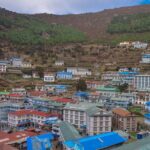
You’ll spend 2 nights in Kathmandu at Hotel Thamel (3-star), including bed & breakfast. Thamel is a practical base: it’s built for travelers, so you can get a few essentials sorted without turning it into a scavenger hunt. You also have airport-hotel-airport transfers included, which means fewer moving parts right after you land.
And because the trek starts with a set meeting time (7:15 am), those early hours won’t feel random. You’ll know what day it is and what your body needs to do next.
Pokhara at Splendid View: The Staging Ground Before Nayapul
Pokhara is where the trip starts to feel real. You’re not just reading about mountains anymore; you’re in the region where the trek begins to take shape.
This itinerary includes 2 nights in Pokhara at Splendid View (3-star) with bed & breakfast. From there, you’ll connect to the trail by heading toward the trek’s start point at Nayapul.
Why that matters: it keeps your first trekking day more about hiking and less about travel stress. Even on a moderate trek, your first hours on the trail decide your energy for the next stretch.
Getting From Pokhara to Nayapul: A Simple Start Matters
Trekking success usually comes down to one thing: starting well. Your plan links Pokhara to Nayapul as the official trek start point.
That transfer is included, so you don’t have to coordinate how to get there, when to go, and which route makes sense. You’ll likely arrive with enough time to prepare and settle before you begin walking.
Also, you’re traveling with a guide and porter team. Even if you’ve trekked before, it helps to have someone who knows the trail rhythm and can steer your pacing early.
The Trek Itself: Tea Houses, Acclimatization, and Annapurna Base Camp
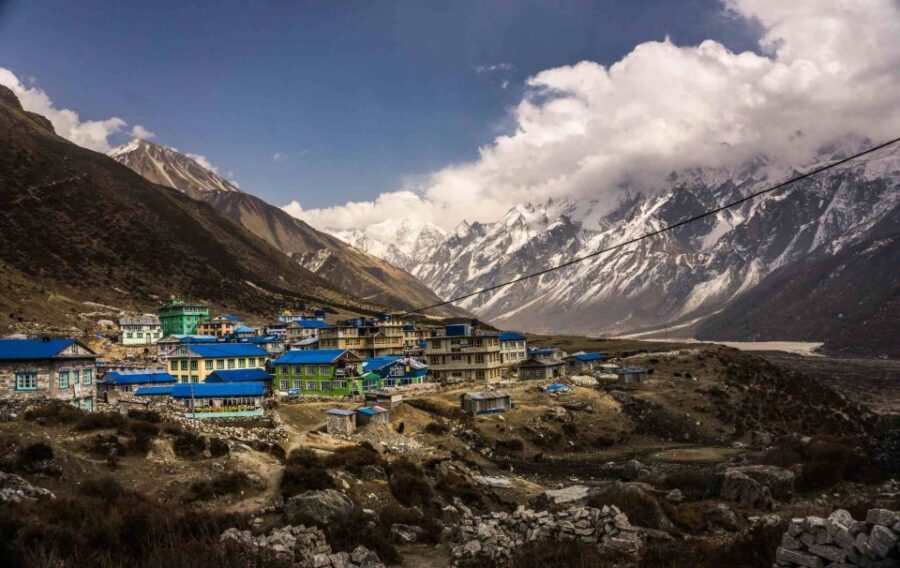
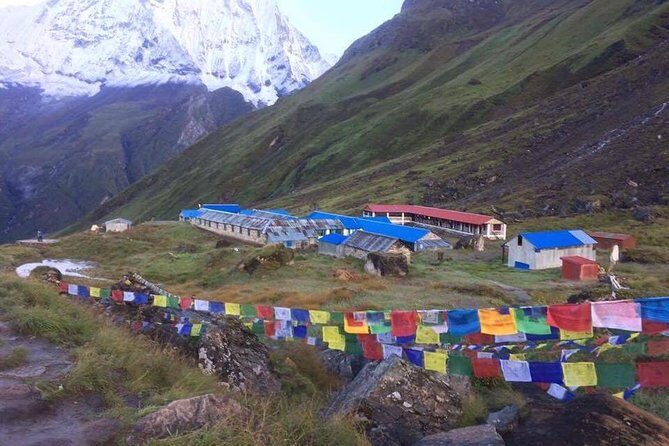
The heart of the experience is 8 days of trekking using normal lodge/tea houses. These are the kinds of places Nepali families run, and they shape the entire feel of the trek.






What the days feel like
You’ll move through mountain scenery where you’ll see snow-covered peaks and green natural areas, day by day. Most trekking days involve:
- Morning hiking hours with changing cloud and visibility
- Lunch stops likely handled in the tea-house network
- Dinner and rest at your overnight lodge
The included meals are daily breakfast, lunch, and dinner during the trek, with the main course covered. That’s a real value because food planning is one of the hardest parts of trekking independently.
Your biggest practical challenge: cold mornings and body management
Even a moderate trek demands respect. The info you’re given stresses strong physical fitness, and it also reminds you to pack for cold conditions (including gear for around -15°C for a sleeping bag).
One travel story that stood out involved harsh winter-like weather conditions, including heavy snow/rain days. You shouldn’t expect a smooth weather guarantee. Instead, think of this trek as: mountains decide, your team responds.
Your guide’s job isn’t just navigation. It’s also pacing, timing, and making choices when the weather turns.
Base Camp day: the payoff with real effort behind it
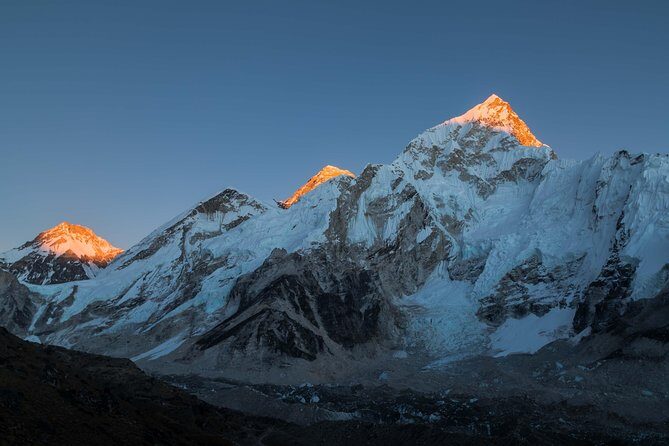
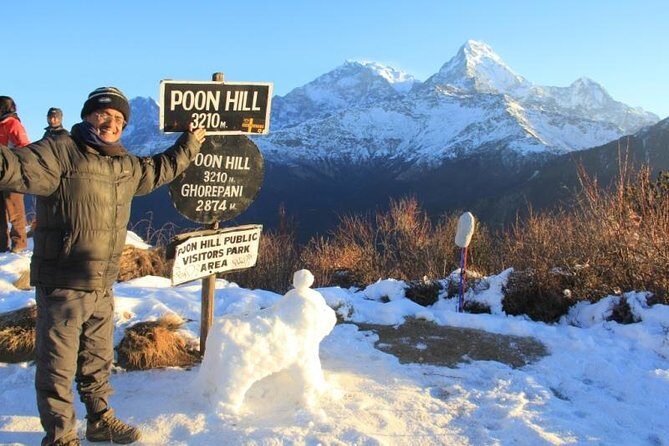
Annapurna Base Camp is “moderate” on paper, but the reward still feels earned. You’re walking into the Annapurna region where the peak lineup includes Annapurna I, Annapurna II, Annapurna III, Hiunchuli, Machhapuchhre, and more.
That matters because Base Camp doesn’t just show one view. It gives you a whole cluster of dramatic peaks under shifting light. And after lodge life and gradual altitude gains, that moment tends to land differently than you expect.
Lodge life: basic rooms, real culture contact
This isn’t a private villa with heated floors. During the trekking portion, lodging is in normal tea houses. The value is that these places are part of village life, not an imported tourist bubble.
If you’re expecting hot showers on demand, adjust your expectations now. Hot shower during trekking isn’t included, and the overall comfort level matches what the trail offers.
Returning From Phedi to Pokhara: Recovery Without Chaos
After your trekking days, the itinerary connects the end point at Phedi back to Pokhara with private transport. That’s a smart move. The last stretch should feel like finishing and healing, not like arranging transport with tired legs.
This is also when you’ll appreciate what your guide and porter have been doing: carrying extra weight, staying on schedule, and helping you keep your hiking rhythm consistent from day to day.
Then, you’re back in Pokhara with a real place to sleep and eat well before you head back toward Kathmandu.
Staff Who Make the Difference: Guides, Porters, and Real Responsiveness
A good guide turns a trek into a story. A great guide turns it into something you can handle on your own terms.
Across the experiences linked to this operator, certain names keep appearing: guides and porter teams like Shambu, Krishna, Chris, Ram, Kabiraj, and porters such as Santosh and Shiva. People repeatedly described patience, good humor, and mountain knowledge.
What that means for you:
- You’ll get help with pacing and acclimatization decisions
- You’ll have someone who can explain what you’re seeing in plain language
- You’ll likely feel calmer when the day gets cold, slow, or weather-shifted
And the porter support is more than convenience. When you have someone sharing the load, your legs recover better and you focus more on hiking than on gear management.
What to Pack: The Gear List the Trek Expects
You’re not just asked to bring a jacket. You’re given guidance for a cold environment, including items like:
- Sleeping bag rated around -15°C
- Down jacket
- Trekking shoes
- Gloves, socks, sun glass, sunscreen
- Torch light
- Trekking stick
- Warm clothes and personal towel
- Basic medicines (headache, fever, bandage, pain killer, stomach ache, diarrhea support, and similar)
That list matters because tea-house trekking still means a cold night can ruin your next day if you’re underprepared.
Also keep in mind the tour can’t replace missed packing. Personal equipment isn’t included, so you’ll want to confirm your bag is genuinely ready for cold mornings and night temperatures.
Permits and Insurance: The Admin Part You Shouldn’t Skip
This trek includes key trekking permissions:
- Annapurna Conservation Permit
- TIMS
- TIMS-related insurance for guide and porters
But you still need your own travel insurance. The requirement here is explicit: your personal insurance should cover medical, accidental, natural disasters, emergency evacuation, and trip cancellation, plus baggage and gear lost, stolen, or damaged.
If you don’t have that coverage, you can face major out-of-pocket risk if you get sick or need evacuation.
You’ll also need 3 passport-size photos to issue permits, plus a hard copy of your itinerary at arrival.
And one more practical point: the operator notes that itinerary changes can happen due to restrictions, landslides, road blockage, floods, snow, political unrest, flight cancellations, or illness/accident. If that happens, any extra costs are borne by clients on the spot.
Who This Trek Suits Best
This Annapurna Base Camp trek is aimed at people with medium fitness who want a rewarding, moderate hiking challenge. If you want:
- A classic Himalayan destination with multiple major peaks
- A guided plan with meals, permits, and logistics handled
- Real village contact via lodge life
- A paced route with support from guide and porter teams
…then this is a good match.
It’s also a smart option if you don’t want to fight with daily planning. The setup is private for your group, so you’re not squeezed into a crowded cattle-car hiking style.
Should You Book This Annapurna Base Camp Trek?
If you want Annapurna Base Camp with fewer moving parts, I think booking makes sense. The tour bundles the things that typically go wrong for independent trekkers: transport connections, lodge staffing, permits, and day-to-day meal coverage during the trek.
I’d say book it if:
- You value having an English-speaking guide and a porter
- You’re comfortable with basic tea-house lodging
- You pack for cold and can handle weather uncertainty
- You have proper personal travel insurance
I’d think twice if:
- You need hot showers during trekking
- You’re trying to keep costs extremely low and will handle permits and logistics yourself
- You’re not confident in medium trekking fitness over multiple days
The big picture is simple: you’re paying for support, structure, and time on the trail. And for Annapurna Base Camp, that’s usually the best use of your money.