REVIEW · KATHMANDU
Experiential Career Break trip to Nepal for Gap year and Sabbatical travelers
Book on Viator →Operated by Sabbatical Explore Nepal (Social Tourism Nepal) · Bookable on Viator
Nepal gets personal when your days are guided and your meals are planned. This 9-day career-break style trip mixes temples, villages, and mountain views with a schedule that keeps moving but doesn’t feel rushed for the sake of ticking boxes.
I like that the route doesn’t only hit the obvious big names. You also go after places people often skip, like Bajrayogini, and you spend time around monasteries where you’ll learn daily life, not just pose for photos.
One thing to consider: there’s hiking most days, and the English level can vary by guide. If you need clear, confident English support, ask about it up front before you commit.
In This Review
- Quick take: what makes this trip different
- A career-break pace that actually lets Nepal land
- Day 1 in Kathmandu: from Swayambhunath views to Asan’s street energy
- Boudha and Bajrayogini: Day 2’s spiritual contrast
- Nagarkot to Ghimire Gaun: Day 3’s hike feels like a reset
- Tukucha Nala and Dhulikhel: temples plus a valley walk on Day 4
- Namo Buddha monk life: Day 5’s calm and Day 6’s routine
- Panauti: Day 7’s 15th-century temples and a small museum stop
- Bhaktapur: Day 8 and Nyatapola’s five stories
- Day 9 in Kathmandu: a flexible finish after hills and temples
- Price and logistics: is $980 good value for this style?
- The one real consideration: hiking stamina and guide communication
- Should you book this Nepal career-break trip?
- FAQ
- How much does the Nepal 9-day career break tour cost?
- How long is the tour?
- Is pickup included?
- Is this a private tour or shared group?
- What meals are included?
- What’s included in the price besides meals?
- What is not included?
- Does the tour include hiking?
Quick take: what makes this trip different
- Private tour flow: only your group, so you can ask questions and move at a pace that fits your comfort.
- Offbeat spiritual stops: alongside famous sites like Swayambhunath and Boudha, you also visit Bajrayogini and Namo Buddha.
- Hikes that teach: Nagarkot viewpoints, village paths, and the walk to Namo Buddha are part sightseeing, part “walk-and-talk.”
- Monk-life time: you’re guided through monastery routine and meditation, with time for calm rather than just sightseeing.
- Cultural stops beyond Kathmandu: Panauti’s 15th-century temples and Bhaktapur’s Durbar Square add real depth.
- Value in the basics: private transportation plus fees and many meals are included in the $980 price.
A career-break pace that actually lets Nepal land
This trip is built for people in the middle of life changes: gap-year travelers, sabbatical folks, and anyone who wants their time in Nepal to feel meaningful, not just exhausting. The “professional on pause” idea shows up in the rhythm of the days: sacred sites in the morning, walking and hills in the middle, and meals that keep you fueled for the next stop.
What you get for your budget is mostly the stuff that costs time and stress on your own. You don’t have to plan transport between Kathmandu, the hill stations, monastery areas, and smaller towns. You also don’t have to worry about entrance fees for many stops because the package includes all fees and taxes.
You should know the trade-off: this is a structured private tour, so spontaneity is limited. Day 9 in Kathmandu gives you some breathing room, but most of the magic here comes from the plan—built around spiritual, cultural, and nature experiences.
You can also read our reviews of more tours and experiences in Kathmandu.



Day 1 in Kathmandu: from Swayambhunath views to Asan’s street energy
Your first day starts at Swayambhunath, also known as the Monkey Temple. It’s a hilltop religious stupa in Kathmandu Valley, with deep historical roots and a long record of renovations. The main idea here is simple: you’re not just visiting a monument. You’re stepping into an active pilgrimage space where the whole area feels like it’s been used for faith for centuries.
From there, the tour threads through smaller shrine stops that help you get your bearings. You’ll visit Shobha Bhagawati Bridge, a shrine tied to the Hindu goddess Bhagawati, plus Bijayashwari and Nardevi—less famous, more “walk around and notice” places.
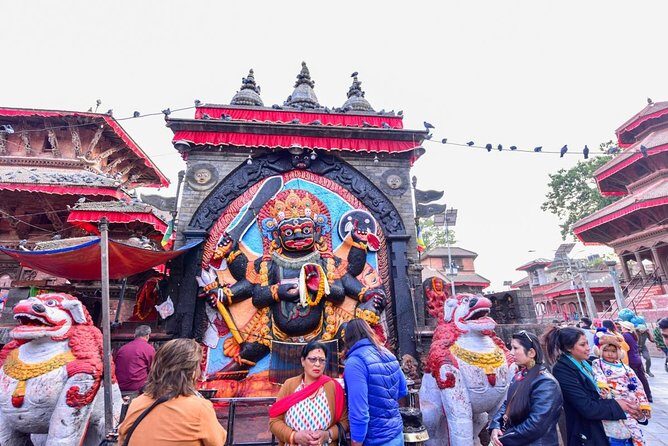
Then comes the UNESCO hit: Kathmandu Durbar Square. This is where you see the old royal kingdom’s heart—temples and shrines packed into one of the most historic central squares in town. Right nearby is Kumari Chowk, the home-temple area of the living goddess Kumari. Even when you don’t catch a meeting at the right time, the place still has that unmistakable Kathmandu religious focus.
You’ll also see Hanuman Dhoka, a historical museum area connected to the Katntipur kingdom. It’s a good shift in tone: from open-air temple squares to a more museum-like way of understanding how the city’s power and beliefs shaped the architecture.
And then, the day turns very human. There’s time for markets: a local market known for traditional wear and then Asan, one of those walk-through market areas where you can find fruits, vegetables, dried goods, pickles, meats, fish, and everyday household items. If you want to understand Kathmandu beyond postcards, this is where it happens.
Practical note: market areas are crowded and busy. Wear comfortable shoes. Keep a small amount of cash handy for personal shopping, because the package handles meals and fees, not extras.
Boudha and Bajrayogini: Day 2’s spiritual contrast
Day 2 begins at Boudha, described as the world’s largest Tibetan stupa, surrounded by monasteries and a strong community of Buddhist practice. You’ll notice the rhythmic soundscape and the color of prayer flags. The stupa is a classic “hands-on” spiritual stop: you can do a respectful round and absorb the atmosphere through repeated movement.
Then you move to Bajrayogini, a temple that’s presented as an important local story tied to the idea of a powerful woman. The value here is not just the religious label—it’s the way the guide frames the local meaning and the proofs you’re shown during your visit. This is the kind of stop that makes a tour feel researched, not recycled.
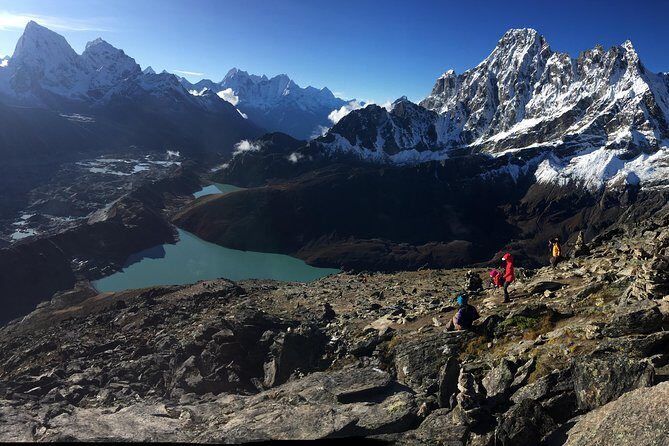
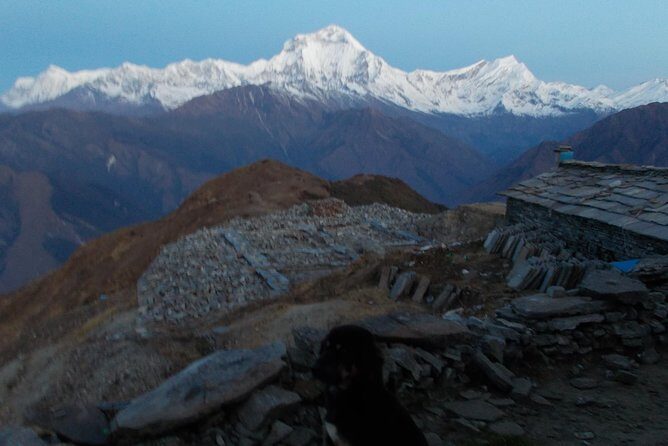
After that comes Jarsing Pauwa View Point. You’ll hike up to a viewpoint/hill area and be rewarded with broad Himalaya views and the surrounding valley. It’s a nice pivot from dense religious sites to open sky. Also, it breaks up the day so you’re not constantly “looking at buildings.”
If you’re worried about energy, this day is a good sign: you get spirituality, then a movement break, then views. That balance is a big part of why career-break travelers often like this style of itinerary.
Nagarkot to Ghimire Gaun: Day 3’s hike feels like a reset
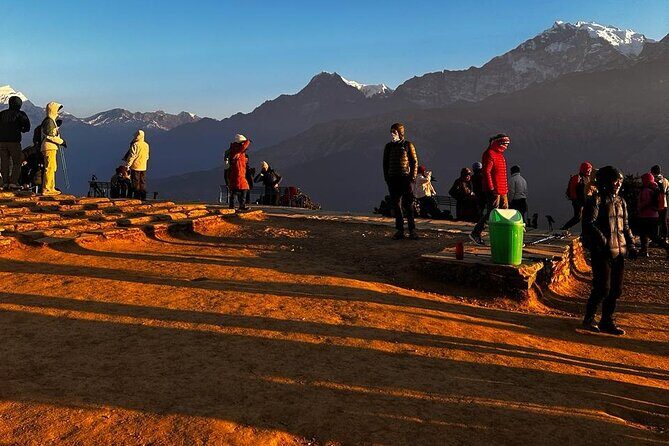
The morning starts with the Nagarkot Panoramic Hiking Trail, where the day’s core promise is mountain drama plus walking through real terrain—villages, terrace fields, and woods. Nagarkot is one of the best-known hill areas near Kathmandu, but the tour approach matters: you’re hiking as you move, so the journey feels part of the view.
After reaching Nagarkot and taking in the panorama, you head toward the evening with a hike to Ghimire Village. This is where the trip leans into its career-break philosophy: you get time in village life, with a friendly welcome and a slower feel than the city.
This is also where you’ll likely feel the difference between “touring” and “understanding.” City stops can be quick and photo-friendly. Village time is more about watching daily rhythms—how people live, how they move through the day, and how a guide helps translate what you’re seeing.
Tip for you: treat village time with patience. You may not get the same “structured explanation” every moment. The point is to be present and let the place do its job.
Tukucha Nala and Dhulikhel: temples plus a valley walk on Day 4
Day 4 starts with Tukucha Nala, which is described as a monastery and a set of historical local temples. What you’re really paying for here is the local-guided angle: you’ll be walked around and shown interesting facts, not just left to wander.
Then you go beyond the main stops. The day includes wandering near the village to find places described as virgin and hidden—more local paths than headline attractions. It’s the kind of time that can be quiet and scenic, and it helps the trip avoid the “checklist” feeling.
After that, you switch settings by hiking from Nagarkot to Dhulikhel. Dhulikhel is another hill station area, and the route is via villages and valley greenery. On clear days, you’ll see mountains in the backdrop.
This is the day where your hiking comfort matters most. If you have stiff knees or you get tired fast, plan for slow steps and frequent stops. The tour is private, so a good guide can adjust. And the built-in structure means you’re not stuck trying to figure out routes while tired.



Namo Buddha monk life: Day 5’s calm and Day 6’s routine
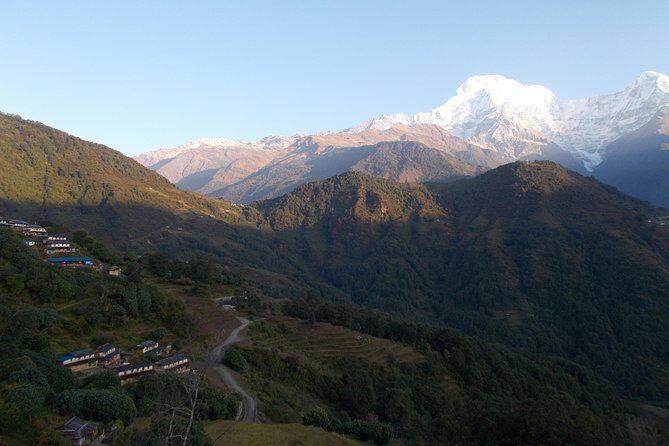
Day 5 brings a hike from Dhulikhel to Namo Buddha, tied to the Thrangu Tashi Yangtse Monastery. You’ll spend time at the monastery learning about monks’ life. The tone is described as tranquil, and that matters. A lot of Nepal travel can feel like constant sensory input. Here, you’re given a slower, more internal experience.
On Day 6, you go back to Namo Buddha again, which might sound repetitive until you see the purpose. The morning focuses on monastery life and meditation, and you also descend to a nearby village for a morning hike with the monks. Then you return to the monastery to learn more about daily routine.
What you’ll appreciate about this two-day structure is that it lets you see how monk life isn’t only one moment. It’s a rhythm—morning activity, walking, and meditation practice. If you’ve come to Nepal to reset, this is one of the strongest stretches of the trip.
Also, the tour description mentions dining with monks. Even when you don’t know the exact timing beforehand, it’s a clear sign the day isn’t only about sightseeing. It’s about participation in the monastery’s world.
Panauti: Day 7’s 15th-century temples and a small museum stop
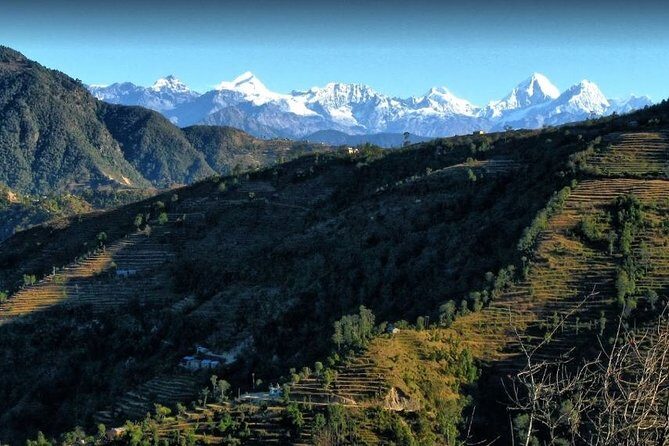
On Day 7, you head to Panauti, a historical town with temples dating back to the 15th century. The tour highlights about 40 temples dedicated to different deities, which tells you two things: first, this is a place designed for walking; second, you’ll need your guide to help make sense of what you’re seeing.
Panauti is described as timeless, full of explorables—houses and streets as much as monuments. That’s your cue to slow down. Look up at the details. Pay attention to how people move through the alleys and temple corners.
You also visit Panauti Museum, inside the Indreshwor Temple complex. The focus is on stone and wooden arts shaped by community craftsmanship. This is a good counterbalance to the heavy spiritual moments earlier in the week: instead of only practicing faith, you get to practice noticing—how materials and skill reflect local life.
This day is ideal if you want your Nepal trip to feel rooted in culture, not only in religious landmark visiting.
Bhaktapur: Day 8 and Nyatapola’s five stories
On Day 8, you drive to Bhaktapur, described as the City of Devotees. Bhaktapur is a Newari town where the tour expects you’ll experience heritage through everyday culture, food, tradition, and history—again, not just architecture.
The centerpiece is Bhaktapur Durbar Square, a UNESCO World Heritage Site with temples and classic Newari design. The star is Nyatapola, a five-storied temple. Even if you’ve seen temples before, multi-tier structures like this change the scale you feel with your body. You get a sense of vertical ambition and careful craftsmanship.
Bhaktapur is also a city where walking can be pleasantly slow. With only a couple hours in the square, you should choose what you care about most: the larger temples, the smaller side shrines, or the street-level scene that makes the place feel lived-in.
Day 9 in Kathmandu: a flexible finish after hills and temples
Your last day is back in Kathmandu with time spent as you wish. That’s smart. After days of hiking and monastery visits, you’ll probably want to reset—sleep in a bit, do a final market pass, or revisit the places that stuck with you most.
The tour suggests shopping for souvenirs. Keep in mind that personal expenses are not included, so bring a realistic budget for gifts, snacks, and small extras. Also, if you have a final craving—tea, photography, a quiet temple corner—this is the day to do it without rushing to catch a next scheduled stop.
Price and logistics: is $980 good value for this style?
At $980 for about 9 days, the value comes from what’s bundled. You’re paying for private transportation, all fees and taxes, and a lot of meals: 7 breakfasts, 6 lunches, and 6 dinners included. That matters because Nepal can be a place where “cheap” travel gets expensive once you add guide time, transport, and entrance fees.
This is also why private matters. If you’re on a career break, your time is the asset. A private setup reduces the stress of fitting in with strangers who might move at a different pace. You can ask questions, slow down for photographs, or take a breather when the hills feel steep.
You should still budget for what isn’t included: travel insurance and personal expenses. Insurance is worth it anywhere with hikes and long driving days, even if it’s not part of the package. Personal expenses are likely your biggest unknown—snacks, shopping, extra drinks, and tipping choices.
The one real consideration: hiking stamina and guide communication
The tour is built for most travelers, but “most” still means you should be realistic about your body. There’s hiking to viewpoint areas, hikes between hill stations, and the trek to Namo Buddha across multiple days. If you’re used to walking, you’ll probably feel good. If you’re not, pick shoes with good grip and plan for slow steps.
The second consideration is communication. There’s a negative experience reported where the guide had trouble communicating in English. That doesn’t mean it will be your outcome, but it does mean you should ask before departure: can your guide work in the English level you need? If you want full clarity for spiritual explanations and day-to-day logistics, this is a must-confirm.
When things do go right, guides can be a major reason this trip feels special. In one positive write-up, a guide named Dinesh Karki was praised for punctuality and being trustworthy. Even without naming a specific guide as guaranteed, it’s a useful clue that this operator does hire people with strong reliability.
Should you book this Nepal career-break trip?
I’d book it if you want Nepal to feel like a structured reset: sacred sites you can understand, hikes that don’t feel like a punishment, and monastery time that focuses on routine and meditation. You’ll also enjoy it more if you like talking with locals and noticing details—shrines, craftsmanship, market life, and the way smaller towns like Panauti and Bhaktapur show culture without needing a crowd.
I wouldn’t book it if you want zero hiking, you need constant accessible comfort, or you absolutely require a specific level of English communication for every explanation. For that last one, you can still make the trip work—you just need to confirm expectations early.
If you do decide to go, pack for walking, dress respectfully for temples, and bring the attitude of curiosity rather than speed. This trip rewards that mindset hard.
FAQ
How much does the Nepal 9-day career break tour cost?
The price is $980.
How long is the tour?
It’s listed as 9 days (approximately).
Is pickup included?
Pickup is offered.
Is this a private tour or shared group?
It’s private, and only your group participates.
What meals are included?
The package includes 7 breakfasts, 6 lunches, and 6 dinners.
What’s included in the price besides meals?
Private transportation and all fees and taxes are included.
What is not included?
Travel insurance and personal expenses are not included.
Does the tour include hiking?
Yes. The schedule includes hikes such as the Nagarkot panoramic hiking trail, hikes to viewpoint areas, village hikes, and the hike to Namo Buddha.